

Traditional Boats in Lisbon: Your 2026 Guide
- lisbonbyboat
- 11 hours ago
- 8 min read
TL;DR:
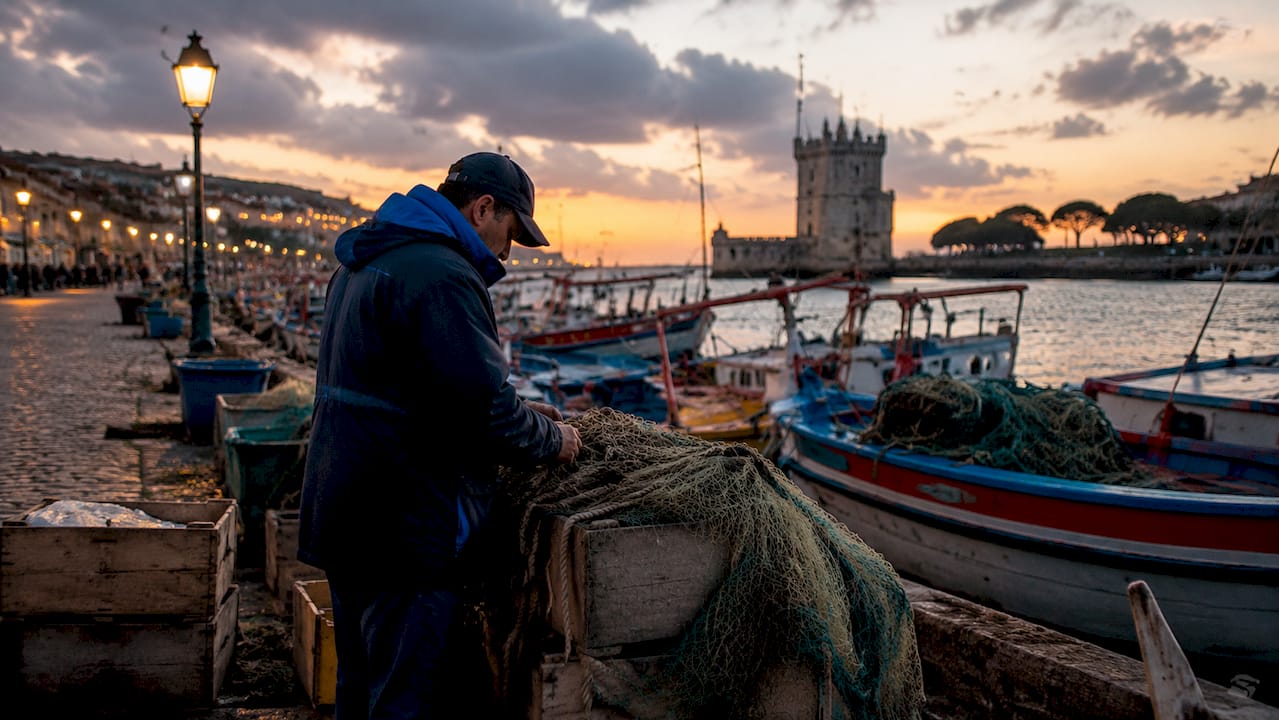
Traditional boats in Lisbon are restored wooden vessels offering intimate and historic river tours along the Tagus. These vessels, including varinos, traineiras, and fragatas, provide an authentic connection to the city’s maritime past with small group experiences and expert commentary.
Traditional boats in Lisbon are historic wooden vessels that offer intimate river tours connecting visitors directly with the city’s centuries-old maritime past. These restored craft, known formally as embarcações tradicionais, sail the Tagus River past landmarks that shaped the Age of Discovery. No other form of sightseeing puts you this close to Lisbon’s waterfront history. Lisbonbyboat and other operators run daily departures, making these tours one of the most accessible and rewarding Lisbon waterfront experiences available to travelers in 2026.
1. What are the main types of traditional boats in Lisbon?
Lisbon’s river culture produced several distinct vessel types, each built for a specific job on the Tagus. Understanding the differences makes choosing a tour far more interesting.
The varino was a flat-bottomed cargo boat used to ferry goods from the southern bank of the Tagus into Lisbon’s markets. Its wide hull and lateen sail made it ideal for shallow estuary waters. The traineira was a fishing vessel, longer and narrower, designed for open-water work and net hauling. The fragata do Tejo was a larger, oared cargo boat that dominated river trade for centuries. Today, restored versions of all three appear on cultural boat trips offered by Lisbon tour operators.
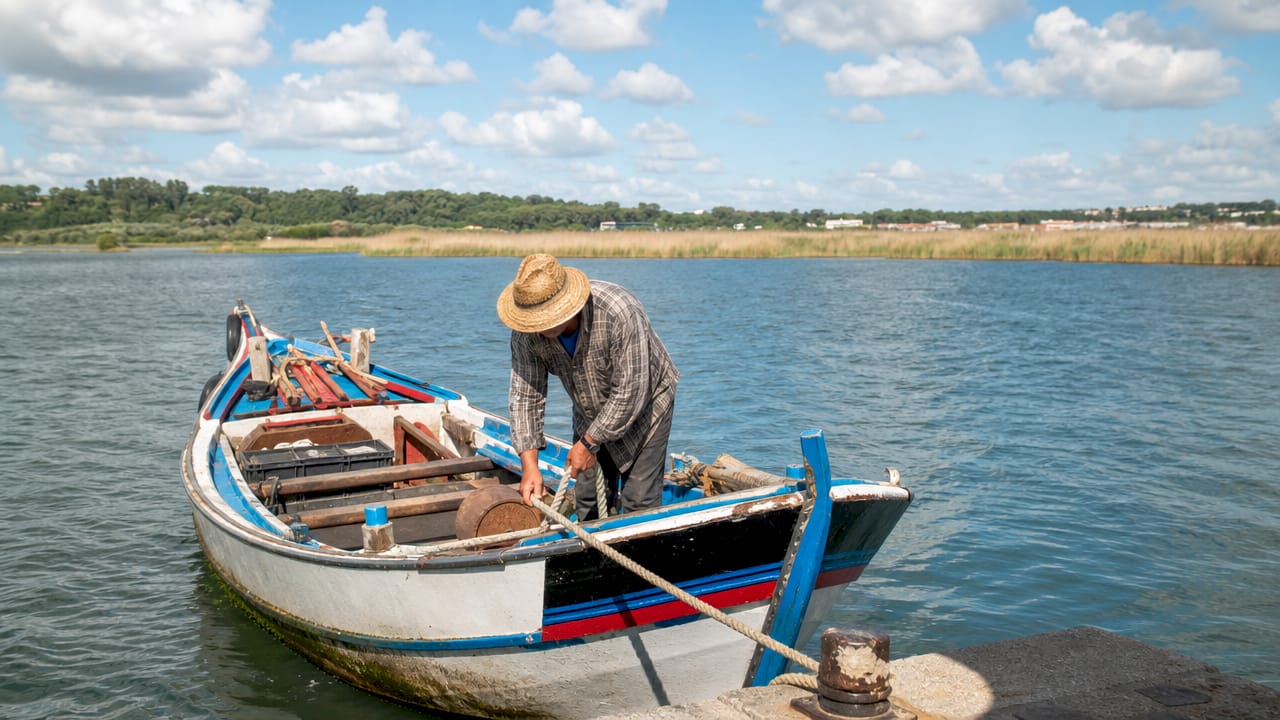
Pro Tip: Ask your guide which vessel type you are boarding before departure. Each hull shape produces a noticeably different ride, and knowing the history of your specific boat makes the experience far richer.
2. Nosso Tejo and the 1947 “Sejas Feliz” vessel
Nosso Tejo operates one of the most photographed traditional boats on the Tagus: the Sejas Feliz, a restored wooden cargo boat built in 1947. The vessel retains its original timber construction and open-air deck, giving passengers an unfiltered view of the riverfront. Tours run in two formats: a 45-minute express route and a longer 2-hour journey covering more of the waterfront. The intimate atmosphere aboard the Sejas Feliz stands apart from anything a modern glass-sided cruise boat can offer.
The 45-minute route is ideal for travelers short on time but still wanting an authentic experience. The 2-hour tour reaches further upriver and includes more detailed commentary on the monuments along the shore. Both departures leave from central Lisbon, making logistics straightforward.
3. Lenda do Tejo and the restored traineira experience
Lenda do Tejo runs tours aboard a restored traineira, the traditional fishing vessel once common across the Tagus estuary. The boat carries around 10–20 passengers, keeping group sizes small enough that every seat feels like a front-row view. That capacity limit is deliberate. Small groups preserve the intimacy that separates these tours from mass-market river cruises.
Lenda do Tejo also offers sunset departures with live Fado music performed onboard. Fado, Portugal’s UNESCO-recognized musical tradition, takes on a different weight when heard from the water with the Belém Tower visible in the fading light. This combination of music, scenery, and historic vessel makes Lenda do Tejo one of the strongest options for cultural immersion.
4. Sightseeing routes: what you will see from the water
Popular Tagus routes pass Praça do Comércio, the National Pantheon, the Monument of the Discoveries, and Belém Tower. Each landmark reads differently from the river than from the street. The Monument of the Discoveries stands 56 meters tall and is shaped like the prow of a caravel, the ship type that carried Portuguese explorers across the Atlantic and Indian Ocean. Its naval-inspired design makes it one of the most visually striking monuments in Europe, and the river angle is the best vantage point.
Belém Tower, built between 1514 and 1520, served as both a defensive fortress and a symbolic departure point for explorers leaving Lisbon. Its Manueline architecture incorporates maritime motifs including armillary spheres and coral-like stonework. Seeing it from a wooden boat on the same water those explorers sailed creates a connection that no museum exhibit replicates. Lisbonbyboat guides explain this context during tours, turning a scenic ride into a genuine history lesson.
5. How Lisbon’s maritime heritage shaped the waterfront
The Lisbon waterfront has been shaped by over 2,000 years of river-based trade and infrastructure. Historical research shows that timber cofferdams and other river-management structures supported docking and commerce along the Tagus for centuries. That engineering history is embedded in the quays where traditional boats board today. The waterfront you see from the river is not a preserved relic. It is a living system that has adapted continuously since Roman times.
Fragatas, varinos, and traineiras were the working backbone of this system. They moved salt, fish, wine, and building materials across the estuary before roads and railways made river transport secondary. Viewing these monuments from a restored vessel of the same era creates a rare continuity between past and present. Maritime archaeologists describe the Tagus waterfront as a living dialogue between urban life and the water, and that description holds up the moment you push off from the dock.
6. Practical tips for booking and boarding
Tour prices start at around €35 for adults, with children’s tickets often available at half price. Durations run from 45 minutes to 2 hours depending on the operator and route. Book in advance during summer months, particularly for sunset and Fado departures, which sell out faster than morning slots.
Boarding a traditional wooden boat requires balance. The gap between the dock and the vessel shifts with the tide and current, and two crew members are typically stationed to assist passengers. Travelers with limited mobility should contact operators directly before booking to confirm accessibility. The boats are open-air, so sun, wind, and occasional spray are part of the experience.
Pro Tip: Bring a light jacket even in summer. The Tagus generates a consistent river breeze, and the open deck amplifies it. Sunscreen is non-negotiable on afternoon departures.
Book at least 48 hours ahead for weekend and sunset tours.
Wear flat, non-slip shoes. Wooden decks get slippery near the waterline.
Arrive 15 minutes early. Boarding takes longer than stepping onto a modern ferry.
Bring water. Most traditional boats do not have onboard refreshments.
Check tide schedules. Morning departures often have calmer water and better light for photography.
7. Comparing the top traditional boat tours in Lisbon
The table below compares the main options to help you choose the right experience.
Tour / Operator | Vessel type | Duration | Capacity | Key feature | Best for |
Nosso Tejo (Sejas Feliz) | Restored cargo boat (1947) | 45 min or 2 hours | Small group | Original timber hull | Quick cultural stop or full tour |
Lenda do Tejo | Restored traineira | 1–2 hours | 10–20 passengers | Live Fado music option | Cultural immersion |
Lisbonbyboat | Sailing yacht or catamaran | 2 hours to full day | Private groups | Expert guide commentary | Private and premium tours |
Express cruise operators | Mixed traditional vessels | 45 minutes | Small group | Landmark-focused route | First-time visitors |
Nosso Tejo suits travelers who want the most historically authentic vessel. Lenda do Tejo wins on cultural programming, particularly the Fado sunset option. Lisbonbyboat fills a different role: private charters on sailing yachts and catamarans with guided commentary, ideal for groups who want flexibility and a premium experience without sacrificing the educational depth that defines the best traditional sailing in Lisbon.
For families, the shorter 45-minute routes reduce fatigue without cutting out the key landmarks. For solo travelers or couples, the Fado sunset tours offer the most memorable single experience on the river.
Key takeaways
Traditional boat tours in Lisbon deliver the city’s maritime heritage most effectively when you choose a restored historic vessel with small group sizes, expert commentary, and a route covering Belém Tower and the Monument of the Discoveries.
Point | Details |
Vessel types matter | Varinos, traineiras, and fragatas each have distinct histories that shape the tour experience. |
Small groups are the standard | Most traditional boats carry 10–20 passengers, preserving intimacy that large cruises cannot match. |
Prices start at €35 | Adult tickets begin around €35; children often pay half price on most operators. |
Boarding requires preparation | Tidal gaps and open decks demand flat shoes, balance, and early arrival. |
Fado sunset tours sell out fast | Book Lenda do Tejo’s music departures at least 48 hours ahead during peak season. |
The river shows you a Lisbon that the streets cannot
I have stood at the base of Belém Tower from the land side more times than I can count. The view is impressive. But the first time I saw it from a wooden boat on the Tagus, something shifted. The tower is built to be seen from the water. Its proportions, its position, its relationship to the horizon all make sense from that angle in a way they simply do not from the road.
The same is true of the Monument of the Discoveries. From the street, it reads as a large sculpture. From a traditional boat, it reads as a statement. The caravel prow shape, the 33 figures climbing toward the bow, the way it faces the river directly: all of it lands differently when you are floating on the same water those figures once sailed.
What surprised me most was how much the boat itself added to the experience. Sitting on a timber deck built in 1947, hearing the hull move through the water, smelling the river air: these details are not incidental. They are the experience. A glass-sided modern ferry delivers the same landmarks and none of that feeling.
My honest recommendation is to try at least two different traditional boat tours if your schedule allows. The 45-minute express gives you the landmarks. The Fado sunset tour gives you the emotion. Together, they give you Lisbon.
— Lisbon
Lisbon’s waterways, your way: what Lisbonbyboat offers
Lisbonbyboat runs daily sailing tours along Lisbon’s historical coastline, with expert guides covering the major monuments and waterfront landmarks on every departure.
Private charters on sailing yachts and catamarans run from 2 hours to a full day, giving groups the flexibility to set their own pace on the Tagus. Whether you want a focused 2-hour tour or a full-day private cruise, Lisbonbyboat matches the experience to your group. All tours depart from central Lisbon, and booking is available directly through lisbonbyboat.com. The guides bring the history to life in a way that printed maps and audio tours simply cannot replicate.
FAQ
What are traditional boats in Lisbon?
Traditional boats in Lisbon are restored historic wooden vessels, including varinos, traineiras, and fragatas, that once worked the Tagus River for trade and fishing. Today they operate as guided tour boats offering intimate, culturally rich river experiences.
How much do traditional boat tours in Lisbon cost?
Adult prices start at around €35, with children’s tickets often available at half price. Tour durations range from 45 minutes to 2 hours depending on the operator and route.
Are traditional boat tours suitable for people with limited mobility?
Boarding requires balance over a tidal gap, and crew members assist passengers during embarkation. Travelers with limited mobility should contact the operator directly before booking to confirm what assistance is available.
What landmarks do traditional boat tours pass in Lisbon?
Most routes cover Belém Tower, the Monument of the Discoveries, Praça do Comércio, and the National Pantheon. Belém Tower, a UNESCO World Heritage site built between 1514 and 1520, is the most historically significant stop on the route.
What is the best traditional boat tour in Lisbon for cultural immersion?
Lenda do Tejo’s sunset tour with live Fado music offers the deepest cultural experience, combining a restored traineira vessel with Portugal’s most iconic musical tradition and the city’s most dramatic waterfront views.
Recommended
Comments