

The Role of Photography on Tours: A Traveler's Guide
TL;DR:
Photography on tours transforms passive sightseeing into active exploration, deepening engagement and memory.
It boosts marketing effectiveness and bookings by generating authentic visual content and social sharing.
Photography on tours is defined as the intentional practice of capturing images to deepen engagement, preserve memory, and communicate the essence of a destination. The role of photography on tours extends far beyond snapping souvenirs. It transforms passive sightseeing into active exploration, sharpens observation, and creates a lasting psychological imprint of every place you visit. For tour operators, human-centric imagery drives measurably higher booking intent than generic location shots. For travelers, a camera in hand changes how you see, feel, and remember a place entirely.
How does photography transform the traveler’s experience on tours?
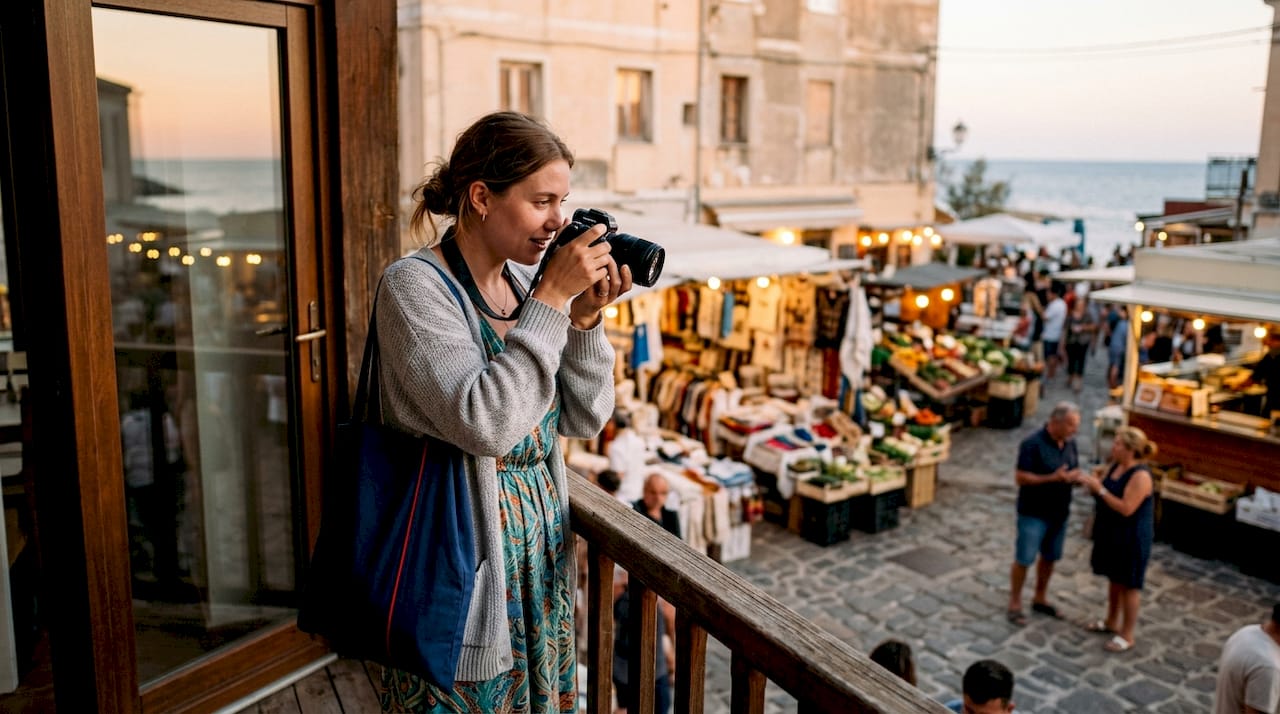
Travel photography converts a spectator into a participant. When you frame a shot, you stop scanning and start seeing. You notice the shadow cast by a cathedral arch, the expression on a fisherman’s face, or the way afternoon light turns a cobblestone street gold. Intentional photography slows travel and promotes deeper observation and sensory engagement that passive sightseeing simply cannot replicate.
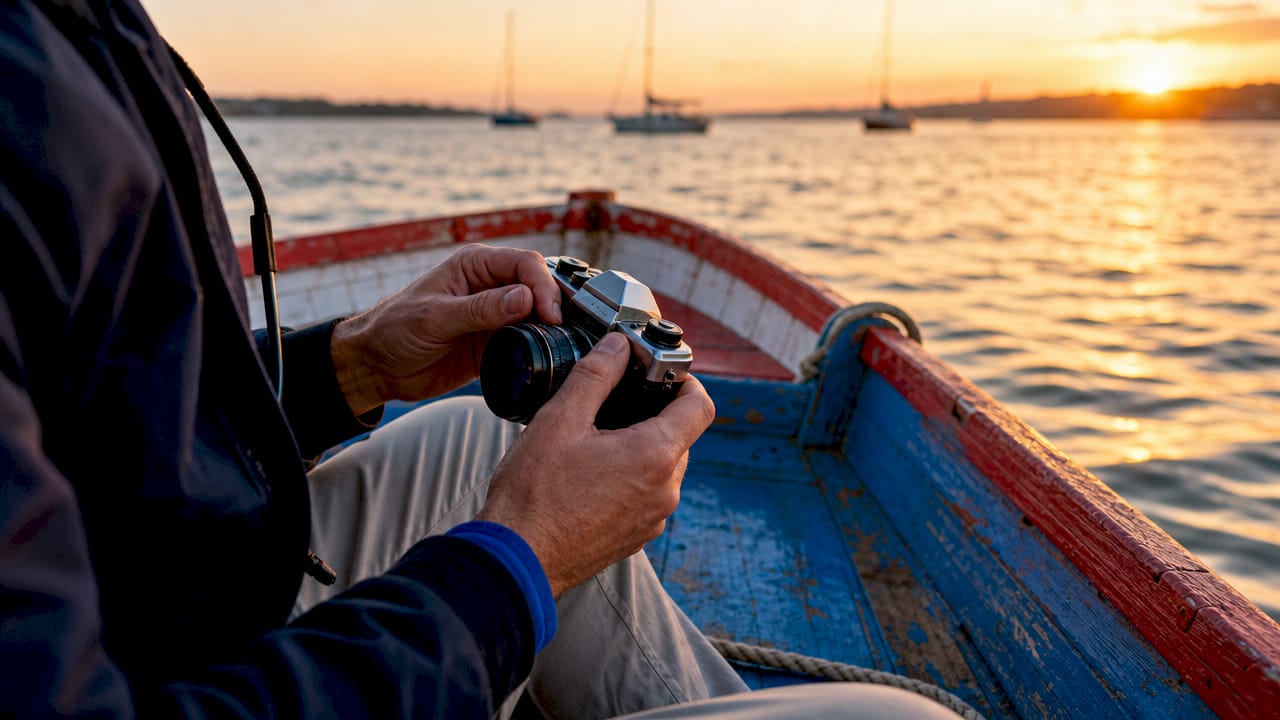
Composing a photograph engages your perception of color, texture, and movement simultaneously. That compositional effort creates a stronger psychological imprint than simply looking. Photography anchors sensory memory in a way that reinforces the experience long after you return home. A well-composed image of Lisbon’s waterfront will bring back the smell of salt air and the sound of rigging far more vividly than a mental note ever could.
Portrait photography adds another dimension entirely. Asking a local for a photo requires a moment of human connection. That brief exchange, even across a language barrier, builds cultural understanding in a way no guidebook achieves. Meaningful travel photography prioritizes human connection over technical perfection, and portraits become visual conversations that generate richer memories.
Photography also stimulates creativity. Searching for the right angle forces you to see a destination from perspectives you would otherwise walk past. That creative engagement makes tours feel less like a checklist and more like genuine discovery.
Slow down: Stop moving and observe before raising the camera. The best shots come after a moment of stillness.
Look for light: Golden hour, shade, and reflections off water all create natural drama without any filters.
Seek interaction: Photograph people doing ordinary things. A vendor arranging fruit tells more about a city than any monument.
Change your height: Crouch low or find elevation. Most tourists shoot from eye level, so a different angle immediately separates your images.
Pro Tip: Shoot in RAW format if your camera supports it. RAW files preserve far more detail than JPEGs, giving you real flexibility when editing colors and shadows later without degrading image quality.
What impact does photography have on tour marketing and guest engagement?
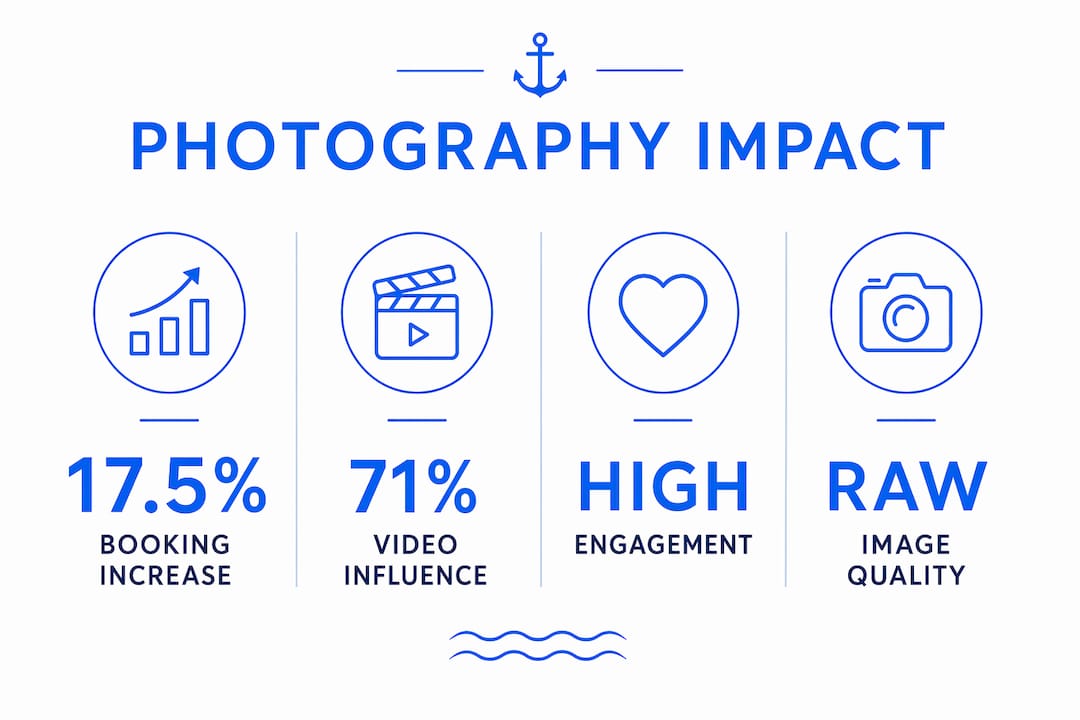
Photography is the single most powerful marketing tool available to tour operators. Experience-focused, human-centric imagery leads to three times longer average page dwell time on tourism websites compared to generic location shots. Longer dwell time signals relevance to search engines and keeps potential guests engaged long enough to convert.
The booking numbers are equally clear. A Carnegie Mellon University study of 13,000 Airbnb listings found that professional photography increased bookings by 17.51%. That figure applies directly to tour operators: better images produce more reservations, not marginally more, but measurably more.
Post-tour photo delivery amplifies this effect. When guests receive professional digital photos immediately after a tour, they share them while the emotional high is still fresh. Post-tour photo sharing converts guests into marketing advocates, generating authentic social proof that outperforms paid advertising in return on investment. Every shared image reaches the guest’s personal network with a built-in endorsement.
The marketing funnel for photography-driven tours works in four clear stages:
Attract: High-quality, experience-focused images draw attention on social platforms and search results pages.
Engage: Human-centric visuals keep visitors on the page longer, building emotional connection with the destination.
Convert: Professional photography correlates directly with higher booking rates, as the Carnegie Mellon data confirms.
Advocate: Post-tour photo delivery turns satisfied guests into organic promoters who share content with their own audiences.
The table below shows how different photography approaches compare in their marketing impact:
Photography Type | Audience Engagement | Booking Impact |
Generic location shots | Low dwell time | Minimal uplift |
Experience-focused imagery | 3x longer dwell time | Measurable increase |
Human-centric, action-based | Highest engagement | Strongest booking intent |
Post-tour professional delivery | Organic social sharing | Outperforms paid ads |
Video plays a supporting role here, not a replacement role. 71% of travelers report that video influences their travel decisions, and 49% of marketers rank short-form video as their top return-on-investment content. Photography remains the visual foundation. Video builds on it. The two work best together, with photography providing the catalog of still moments that video sequences cannot fully replace.
How can travelers use photography as a travel tool?
Photography as a travel tool works best when it serves the experience rather than competing with it. Experienced photographers emphasize putting the camera down at critical moments to engage fully. The goal is not documentation. The goal is presence, with photography as the method that sharpens that presence.
Preparation separates good travel photography from great travel photography. Research the destination before you arrive. Know which monuments face east for morning light and which markets fill up by 7:00 AM. On a Lisbon sailing tour, for example, knowing that the Tagus River reflects the most dramatic light in the late afternoon gives you a specific creative target before you even board.
Equipment choices matter, but not in the way most travelers assume. A mirrorless camera with a 24–70mm lens covers most situations on a tour. A smartphone with a good sensor handles the rest. The real tool is your eye, not the gear. Carrying too much equipment shifts your attention from the scene to the bag on your shoulder.
Research before you go: Identify the two or three images you most want to capture. Having a creative goal focuses your attention.
Shoot wide and tight: Capture establishing shots of the full scene, then move in close for detail and texture.
Combine photo and video: Record a short 15-second clip of the same scene you photograph. The audio and motion add context that a still image cannot carry alone.
Edit with restraint: Adjust exposure and contrast, but preserve the authentic color of the destination. Over-processed images lose their sense of place.
Pro Tip: On boat tours, use a fast shutter speed of at least 1/500th of a second to freeze motion on the water. The combination of boat movement and wave action will blur images shot at slower speeds, even on calm days.
Avoiding common Lisbon travel mistakes includes not over-photographing at the expense of the experience itself. Shoot with intention, then put the camera away and absorb what is around you. The balance between observer and participant is the defining skill of a mature travel photographer.
What are the current trends shaping photography on tours?
The most significant shift in travel photography is the move from location-based imagery to experience-based storytelling. Static shots of monuments still appear in tourism marketing, but experience photography that captures action, emotion, and social interaction consistently generates higher engagement and stronger booking intent. Tour operators who invest in this style see measurable returns.
Short-form video has grown alongside photography rather than replacing it. Platforms like Instagram Reels and TikTok reward fast, emotionally engaging clips. The most effective content pipelines for tour operators combine a library of professional still images with short video sequences shot during the same tours. Photography provides the evergreen catalog. Video provides the moment-driven reach.
Sustainable and experiential tourism has also changed what travelers want to photograph. Travelers on sailing tours, hiking routes, and cultural immersion programs want images that reflect genuine participation, not posed tourist shots. Sailing holidays and similar experiential offerings attract photographers precisely because the activity itself creates natural, unscripted moments that are far more compelling than anything staged.
Trend | Old Approach | Current Approach |
Subject focus | Monuments and landmarks | People, action, emotion |
Content format | Still photography only | Photography plus short-form video |
Guest role | Passive observer | Active participant and content creator |
Marketing use | Paid ad campaigns | Organic guest-generated social content |
The visual content pipeline has become a core operational asset for tour operators. Operators who build systematic photo delivery programs, where guests receive professional images within hours of a tour, create a continuous stream of authentic marketing content. That content costs far less than paid advertising and carries far more credibility with prospective guests.
Key Takeaways
Photography on tours is both an experiential tool for travelers and a measurable marketing asset for tour operators, with human-centric imagery driving higher engagement, longer dwell time, and stronger booking intent than any other visual approach.
Point | Details |
Photography deepens experience | Intentional shooting slows travel pace and sharpens sensory observation at every destination. |
Human-centric images convert | Experience-focused imagery produces three times longer dwell time and measurably higher booking rates. |
Post-tour sharing drives ROI | Delivering professional photos after a tour converts guests into organic advocates who outperform paid ads. |
Balance is the core skill | Knowing when to shoot and when to put the camera down defines mature, rewarding travel photography. |
Video supports, not replaces | Short-form video and photography work together; still images remain the essential visual foundation. |
What photography on tours has taught me about travel itself
After years of guiding guests along Lisbon’s coastline, I have watched photography change how people experience a tour in real time. Guests who arrive with cameras and a genuine curiosity about what they will find always leave with something more than images. They leave with a sharper memory of the whole day.
The most common mistake I see is treating photography as a task to complete rather than a way of paying attention. A traveler rushing to photograph every monument is not really seeing any of them. The photographers who slow down, wait for the right light off the Tagus, and take time to talk to the people around them always produce the most compelling images. More importantly, they always report the most satisfying experience.
I also believe the camera-down moments matter as much as the shots themselves. There are instants on a sailing tour, when the wind picks up and Lisbon’s skyline appears across the water, where the right response is simply to look. The image you carry in your mind from that moment will outlast any photograph. Photography teaches you to recognize those moments precisely because it trains you to look for them constantly.
The significance of photos on trips is not just what they show. It is what the act of taking them makes you notice.
— Lisbon
Lisbonbyboat: where every tour is a photography opportunity
Lisbon’s coastline offers some of the most photogenic sailing conditions in Europe, and Lisbonbyboat puts you directly in the middle of it. The city’s historic monuments, the wide mouth of the Tagus River, and the quality of Atlantic light create natural conditions that serious photographers seek out specifically.
Lisbonbyboat’s luxury yacht tours give you unobstructed sightlines, stable decks, and expert guides who know exactly where the best light falls at every hour of the day. Whether you want a two-hour sailing experience or a full-day private cruise on a catamaran, the tours are built around the kind of unforgettable moments that make travel photography genuinely rewarding. Book a tour and bring your camera. Lisbon from the water is a subject that rewards every level of photographer.
FAQ
What is the role of photography on tours?
Photography on tours transforms passive sightseeing into active exploration by sharpening observation, deepening memory retention, and creating authentic records of the travel experience. For tour operators, it also serves as the most effective marketing tool available.
How does photography increase tour bookings?
Professional, experience-focused photography correlates with a 17.51% increase in bookings, based on a Carnegie Mellon University study of 13,000 listings. Human-centric imagery also produces three times longer page dwell time, which directly supports conversion.
Should I photograph everything on a tour?
Experienced travel photographers recommend against over-documenting. Shooting with intention and putting the camera down at key moments produces better images and a more satisfying experience overall.
How does post-tour photo delivery benefit operators?
Delivering professional photos immediately after a tour capitalizes on guest enthusiasm, converting satisfied travelers into organic social advocates whose shared content outperforms paid advertising in return on investment.
What photography techniques work best on boat tours?
Use a fast shutter speed of at least 1/500th of a second to freeze motion, shoot during golden hour for the most dramatic light on the water, and combine still photography with short video clips to capture the full sensory experience of being on the water.
Recommended
Comments