

Roles of Crew on Sailing Tours: Complete Guide
TL;DR:
Crew on sailing tours have specific roles that ensure safety, smooth operation, and guest comfort. Smaller vessels have fewer crew members, while larger ones feature specialized staff including chefs and engineers. Guests should follow crew commands, respect work areas, and learn basic sailing terms to enhance safety and experience.
The roles of crew on sailing tours consist of specialized positions that cover vessel safety, navigation, and guest hospitality throughout every voyage. Each crew member holds a defined function, and the quality of your experience onboard depends directly on how well those functions are filled. The captain holds ultimate legal responsibility for the vessel and everyone aboard. Beyond the captain, positions like helmsman, navigator, deckhand, and steward each serve a distinct purpose. Understanding these roles before you board makes you a better, safer, and more comfortable guest.
What are the primary roles of crew on a sailing tour?
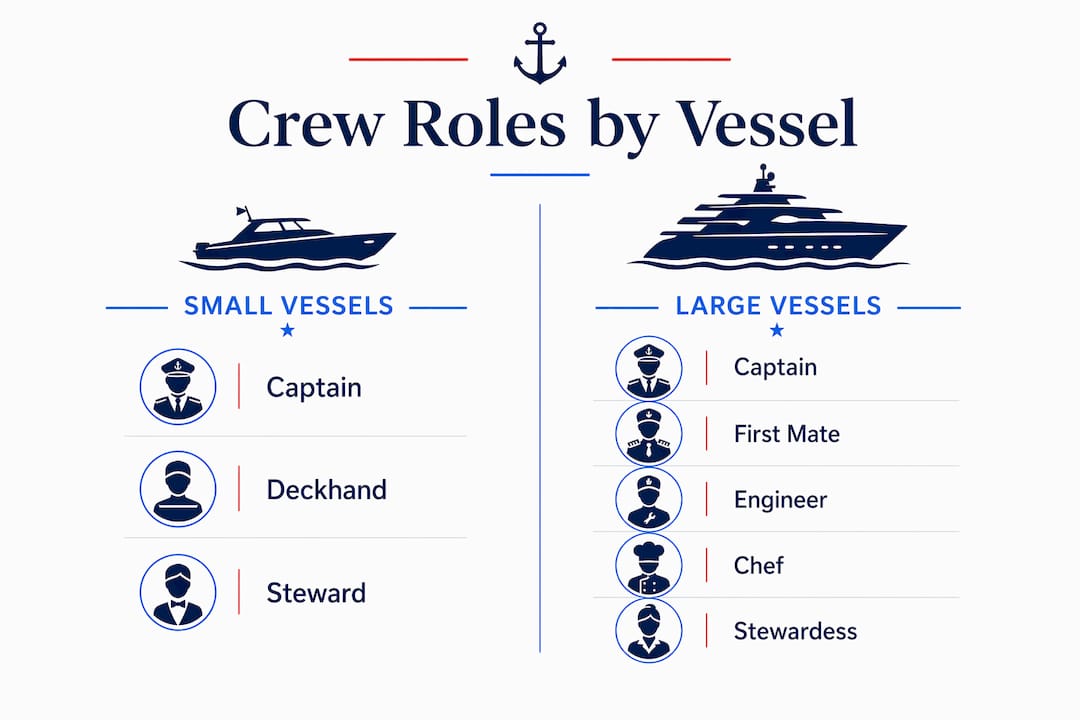
Every sailing tour runs on a clear crew hierarchy, and each position carries non-negotiable duties. The industry term for this structure is the “crew complement,” and it scales with vessel size. Crew sizes range from 2–3 on economic charters to 7 or more on ultra-deluxe yachts. That range tells you a lot about what kind of service and safety coverage you can expect.
Here is a breakdown of the core crew positions on sailing tours:
Captain. The captain commands the vessel and holds full legal authority over all decisions onboard. This includes route planning, weather assessment, and emergency response. The captain carries 100% legal responsibility for the vessel on standard crewed charters.
Helmsman. The helmsman steers the boat under the captain’s direction. On smaller tours, the captain and helmsman may be the same person. On larger yachts, a dedicated helmsman handles steering during passages and docking.
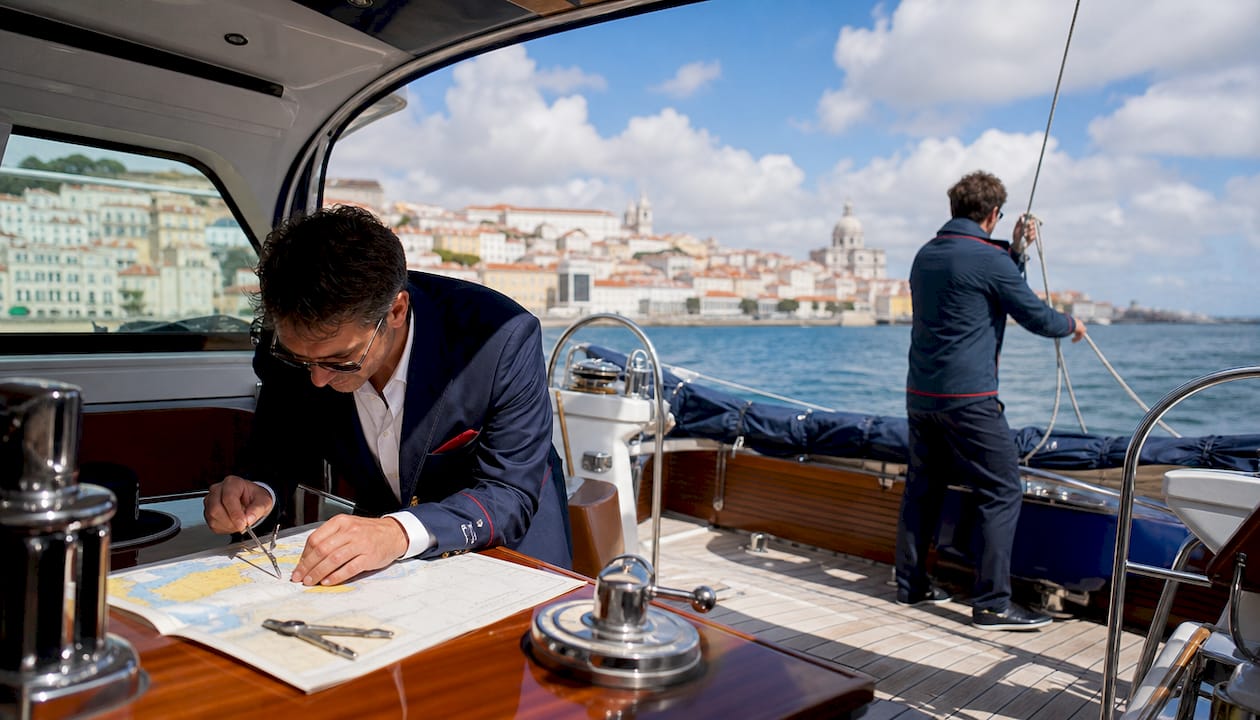
Navigator. The navigator monitors the vessel’s course, charts, and weather data. This role is critical during longer passages and in areas with complex tidal patterns, like the Tagus estuary near Lisbon.
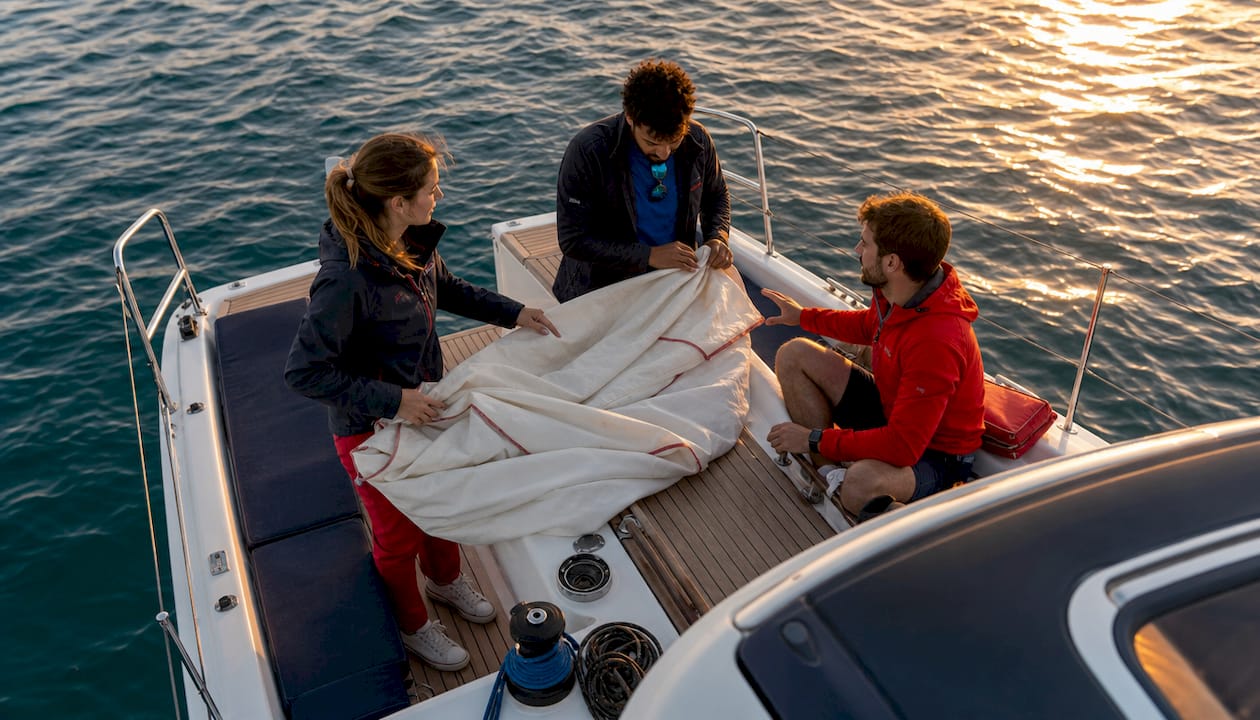
Deckhand. Deckhands handle the physical work of sailing: raising and trimming sails, managing lines, anchoring, and maintaining deck equipment. Core deckhand tasks include assisting the captain with maneuvers, safety briefings, and guest boarding.
Steward or Stewardess. This role focuses entirely on the guest experience. Duties include cabin preparation, meal service, and making sure guests feel comfortable and informed throughout the tour.
Chef. On larger or luxury vessels, a dedicated chef handles all meal preparation. On smaller boats, the steward often covers basic food service.
Pro Tip: If you are booking a private sailing tour in Lisbon, ask the operator how many crew members will be onboard. A higher crew-to-guest ratio generally means more attentive service and faster safety response.
How do crew members coordinate for safety and operational efficiency?
Sailing tour operations depend on clear communication and shared responsibility, not just the captain’s individual skill. Yachting New Zealand confirms that safety at sea depends on the whole crew sharing knowledge, not just the person in charge. That principle matters because if the captain is incapacitated, another crew member must be able to take over.
Effective coordination follows a predictable daily rhythm:
Pre-departure briefing. The captain reviews the route, weather forecast, and any specific guest needs with the full crew before leaving the dock.
Watch assignments. On longer tours, crew rotate watch shifts to maintain continuous monitoring of navigation, weather, and vessel systems.
Maneuver calls. During docking, anchoring, or sail changes, the captain issues firm, direct commands. Clear commands during maneuvers are safety protocols, not personal critiques, and the crew is trained to act on them immediately.
Emergency response. Designated call lists assign specific tasks to individual crew members during emergencies, such as VHF radio monitoring or anchor deployment. This prevents panic and keeps the response precise.
End-of-day debrief. Crew review any issues from the day, complete maintenance checks, and prepare the vessel for the next morning.
Safety onboard is a collective effort. When every crew member understands the systems, the procedures, and their specific role in an emergency, the whole vessel becomes more resilient. One person’s knowledge gap can become everyone’s problem.
On a Lisbonbyboat sailing tour along the Lisbon coastline, this coordination is visible in how smoothly the crew handles the Tagus River’s tidal currents and the busy maritime traffic near the 25 de Abril Bridge. Guests rarely see the effort behind it, which is exactly the point.
How do hospitality and guest service roles enhance the sailing tour experience?
The hospitality crew is the face of the tour for most guests. While the captain and deckhands keep the vessel moving safely, the steward or stewardess shapes how guests feel from the moment they step aboard. Interior crew reset cabins multiple times daily and deliver consistent service throughout the tour. That level of attention is what separates a memorable sailing experience from a forgettable one.
The hospitality functions onboard include:
Cabin and deck preparation. Stewards clean and organize guest spaces before departure and after each stop, maintaining a tidy environment even in rough conditions.
Meal service. On tours with a chef, meals are timed around sailing schedules and guest preferences. On shorter tours, the steward handles snacks, drinks, and any dietary needs.
Guest orientation. The hospitality crew explains onboard facilities, safety equipment locations, and daily schedules so guests feel informed and at ease.
Personalized attention. On luxury tours, stewards track individual guest preferences, from preferred drinks to cabin temperature, and adjust service accordingly.
Physical demands. Serving meals, carrying supplies, and maintaining balance on a moving vessel requires physical fitness and adaptability that most guests never consider.
Pro Tip: Tell the crew about dietary restrictions or preferences before departure, not mid-tour. The hospitality team plans provisioning in advance, and early notice means better meals and fewer substitutions.
Experienced crew operate around the clock during charters, handling maintenance and preparations while guests sleep. The polished experience guests wake up to each morning is the result of work that happened at midnight. Recognizing that effort changes how you interact with the crew.
How do crew roles vary by vessel size and type?
Crew composition changes significantly depending on the class of vessel. A two-hour sailing tour on a standard sailboat requires a very different team than a full-day private cruise on a luxury catamaran. A yacht’s hierarchy places the first officer over the deck team and safety compliance, the bosun over deck operations, and engineers over vessel systems. On smaller vessels, one person often covers multiple roles.
Vessel class | Typical crew size | Key roles included |
Economic charter | 2–3 | Captain, deckhand, steward |
Luxury gulet | 3–4 | Captain, helmsman, steward, chef |
Deluxe yacht | 5–6 | Captain, first officer, bosun, chef, steward |
Ultra-deluxe yacht | 7+ | All above plus engineer, chief steward, executive chef |
The table shows a clear pattern: as vessel size grows, roles become more specialized and the hierarchy becomes more formal. On a small sailboat tour, the captain might also brief guests on safety and pour drinks. On a large luxury yacht, those tasks belong to entirely separate departments.
For guests, this matters because it shapes your expectations. A compact sailing tour in Lisbon with Lisbonbyboat offers an intimate experience where you interact directly with the captain and crew. A full-day private cruise on a larger vessel means more staff, more specialized service, and a more structured onboard environment. Neither is better. They serve different needs.
What should guests know about crew roles and etiquette onboard?
Knowing how to behave around the crew makes the tour safer and more enjoyable for everyone. The most common guest mistake is treating the captain’s commands as optional suggestions. They are not. Guests should ask for clarifications only after immediate maneuvers are complete, never during them.
A few practical guidelines for guests:
Follow the skipper’s orders immediately during maneuvers. Hesitation during docking or anchoring can cause injury or damage.
Ask questions at calm moments. The crew is happy to explain what they are doing. Choose a moment when the vessel is stable and no active task is underway.
Respect the crew’s workspace. The helm, engine controls, and navigation station are working areas. Stay clear unless invited.
Understand the 24-hour effort. The crew’s work does not stop when you go to sleep. Acknowledging that effort, even briefly, goes a long way.
Participate when invited. Many crews welcome guests who want to help trim a sail or take the helm briefly. Wait for the invitation rather than assuming it is welcome.
Learning a few basic sailing terms before your tour helps you follow crew instructions faster and reduces confusion during active maneuvers. You do not need to be an expert. You just need to understand words like “tack,” “cleat,” and “starboard.”
Key Takeaways
Every crew member on a sailing tour holds a specific role that directly affects vessel safety, operational efficiency, and the quality of your experience onboard.
Point | Details |
Captain holds legal authority | The captain carries full legal responsibility for the vessel and all decisions onboard. |
Crew size scales with vessel class | Expect 2–3 crew on economic charters and 7 or more on ultra-deluxe yachts. |
Safety is a shared responsibility | Every crew member must know vessel systems and emergency procedures, not just the captain. |
Hospitality crew works around the clock | Interior and service staff prepare and maintain the vessel continuously, including overnight. |
Guest etiquette affects safety | Following crew commands immediately during maneuvers is a safety requirement, not a preference. |
What I have learned watching crews work on the water
Most guests focus on the view. I focus on the crew. After spending considerable time aboard sailing tours along the Lisbon coastline, what strikes me most is how invisible good crew work is. When a tour runs perfectly, guests assume it was effortless. It never is.
The most underappreciated role onboard is the steward. Guests interact with the captain and notice the helmsman. The steward is the person who reset your cabin at 6:00 AM, tracked your coffee preference from day one, and quietly handled the guest who got seasick without making it awkward for anyone else. That kind of attentiveness requires real skill.
I have also seen guests misread the captain’s tone during maneuvers. A firm, clipped command is not rudeness. It is precision communication under pressure. The crews I respect most are the ones who can shift from that mode to warm, relaxed conversation the moment the anchor drops. That range is harder to develop than most people realize.
My honest advice: before you board any sailing tour, read up on what to expect onboard and take five minutes to learn the crew’s names. It changes the dynamic immediately. Crew members who feel seen as professionals, not just service staff, consistently go further for their guests. That is not a theory. It is something I have watched play out repeatedly on the water.
— Lisbon
Sailing tours in Lisbon with a professional crew onboard
Lisbonbyboat runs daily sailing tours along the historic Lisbon coastline, with professional crews who handle every aspect of the voyage so you can focus on the experience.
Whether you choose a 2-hour tour past the Belém Tower and the 25 de Abril Bridge or a full-day private cruise on a luxury yacht or catamaran, the crew manages navigation, safety, and hospitality from start to finish. Lisbonbyboat’s luxury yacht tours feature experienced captains, attentive service staff, and vessels equipped for both comfort and safety on the Tagus River and Atlantic coast. If you want to see Lisbon from the water with a crew that knows what they are doing, this is where to start.
FAQ
What does a sailing tour captain actually do?
The captain commands the vessel, plans the route, monitors weather, and holds full legal responsibility for everyone onboard. On smaller tours, the captain also handles navigation and guest safety briefings.
How many crew members are on a typical sailing tour?
Crew size depends on the vessel class. Economic charters typically carry 2–3 crew members, while ultra-deluxe yachts operate with 7 or more specialized staff.
Is safety the captain’s job alone?
No. Safety at sea depends on every crew member sharing knowledge of vessel systems and emergency procedures. If the captain is incapacitated, another crew member must be able to take over.
What does the steward or stewardess do on a sailing tour?
The steward manages guest hospitality, including cabin preparation, meal service, and guest orientation. On luxury tours, this role also includes tracking individual guest preferences throughout the voyage.
Can guests participate in sailing the boat?
Many crews welcome brief guest participation, such as trimming a sail or taking the helm, but always wait for an invitation. During active maneuvers, stay clear of working areas and follow crew instructions immediately.
Recommended
Comments