

Why Guided Narration Tours Transform Your Travel Experience
- lisbonbyboat
- Jul 10
- 7 min read
TL;DR:
Guided narration tours foster emotional understanding and make cultural sites more memorable. They help travelers connect through storytelling and reduce mental fatigue by providing contextual guidance. These tours also save time, improve engagement, and transform sightseeing into an active, informative experience.
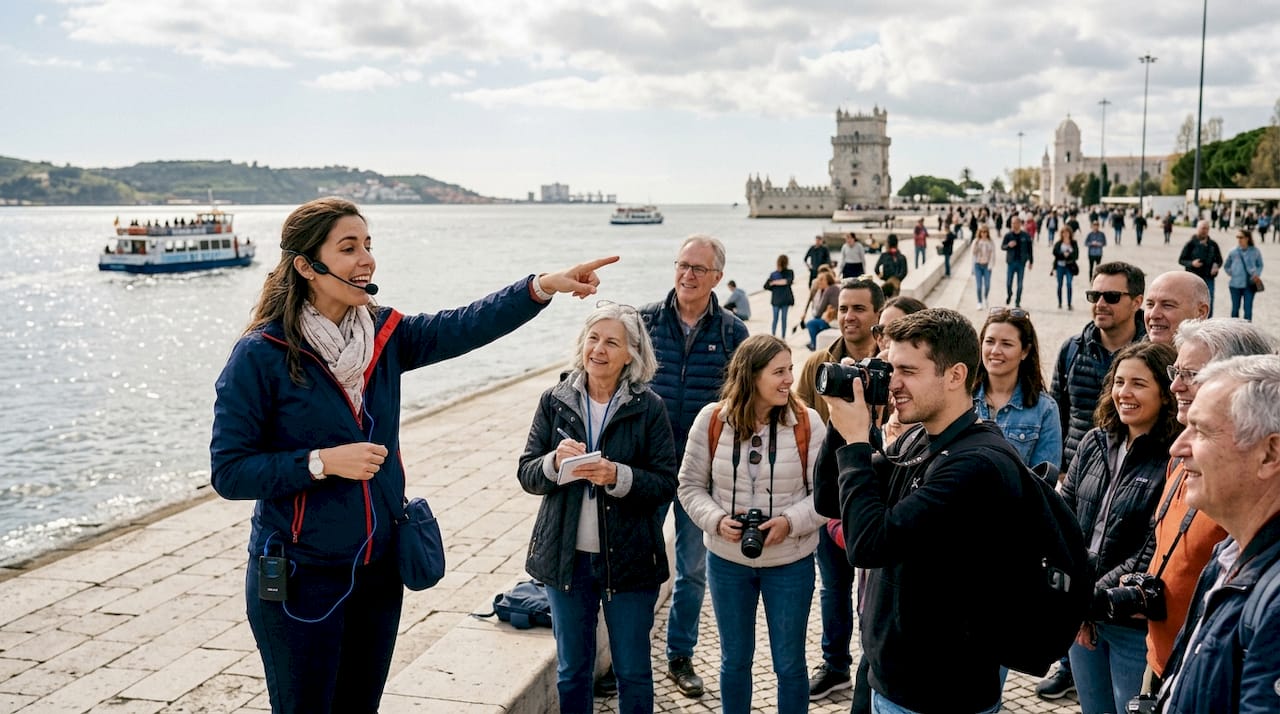
Guided narration tours are the single most effective way to turn sightseeing into genuine cultural understanding. The industry term for this practice is “interpretive narration,” and it describes the real-time, story-driven commentary a guide delivers to give context, meaning, and emotional weight to what you see. Research confirms that storytelling by tour guides directly raises visitor satisfaction by making historical sites more understandable and memorable. Without narration, you see a monument. With it, you understand why it matters.
Why the importance of guided narration tours goes beyond just facts
Narration does far more than recite dates and names. It creates an emotional bridge between you and the place you are visiting. A skilled guide does not just describe what stands in front of you. They tell you who built it, why it was contested, and what it meant to the people who lived there. That shift from information to story is what makes a site stick in your memory long after you return home.
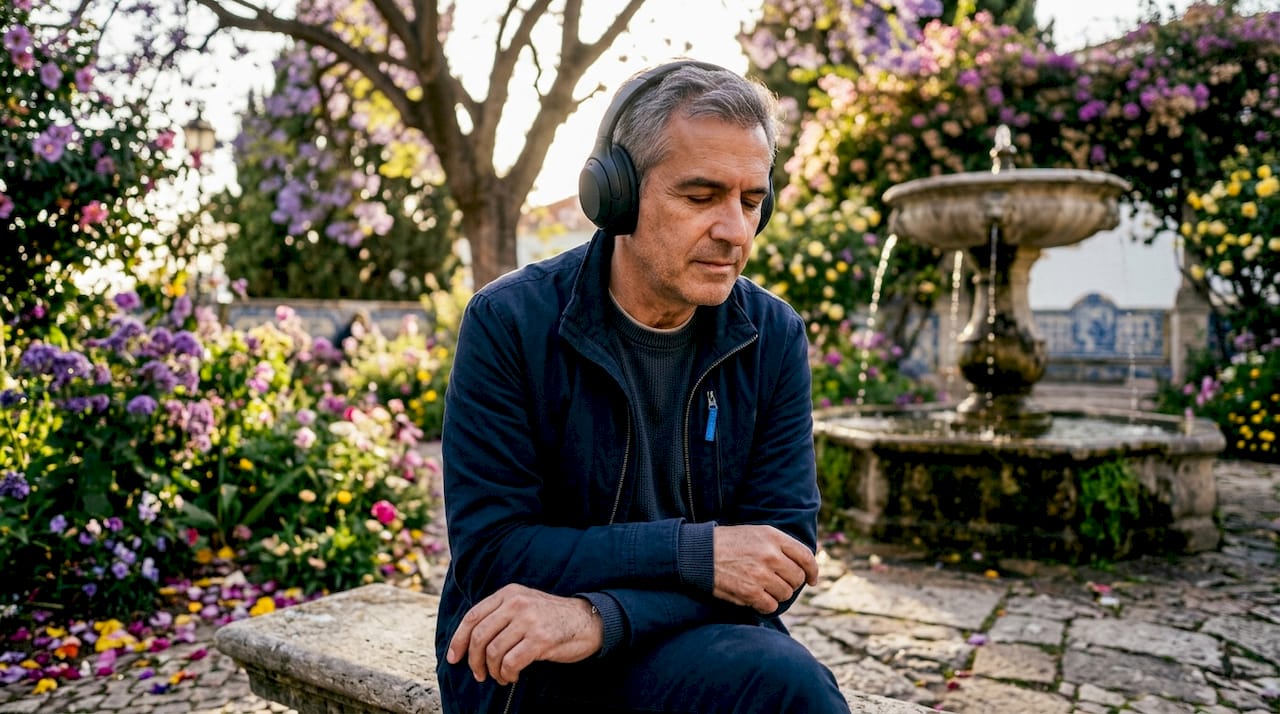
Research published in Frontiers in Psychology found that emotional valence rises from the start to the end of guided cultural visits. That means you leave feeling better than when you arrived, not just more informed. Guided visits to religious and historical sites produce measurable emotional restoration. That is a significant outcome for any travel experience.
Narration also builds empathy. When a guide tells you the personal story of someone who lived through a historical event at the very spot where it happened, you connect with that person across time. That kind of empathy is nearly impossible to manufacture from a placard or a brochure.
Storytelling makes abstract history feel personal and immediate.
Emotional engagement deepens memory retention of what you see.
Guided narration fosters a sense of connection to local culture and people.
Skilled guides adapt their stories to the mood and curiosity of the group.
Pro Tip: When evaluating a guide before booking, ask one question about the site. A great narrator will give you a story, not a fact. If they recite a date, keep looking.
How does narration reduce mental fatigue on tours?
Visiting a complex heritage site without guidance is mentally exhausting. You are simultaneously trying to read signs, interpret architecture, manage your physical position, and absorb context. That is too many tasks at once. Cognitive science calls this “dual-channel processing,” and narration solves it by handling the interpretive channel for you.
A 2026 study found that narrated content produces higher success rates and faster comprehension compared to silent visual alternatives. The reason is focus. When a voice guides your attention, your brain stops splitting effort between looking and decoding. You absorb more with less strain.
“Managing cognitive load is the core skill of an expert guide. The goal is to make tours engaging without overwhelming visitors, linking monuments into coherent emotional narratives that create truly memorable experiences.” — Heritage tourism research on tour guide roles
Expert guides use thematic storytelling to connect multiple sites into a single narrative arc. Instead of experiencing ten unrelated stops, you follow one coherent story across the whole tour. That structure keeps your brain engaged without fatigue. It also means you remember the tour as a whole experience rather than a scattered list of places.
Experience type | Cognitive demand | Comprehension outcome |
Self-guided, no narration | High | Lower retention, scattered focus |
Audio guide (generic) | Medium | Moderate retention, limited context |
Live expert narration | Low to medium | Higher retention, coherent understanding |
The difference is not just comfort. It is the quality of what you take home from the experience.
What are the practical advantages of guided narration tours?
Beyond the emotional and cognitive benefits, narrated guided tours solve real logistical problems that independent travelers face every day. Time is the most obvious one. Planning a trip to a major heritage site requires hours of research, and even then, you will miss things a local guide knows instinctively.
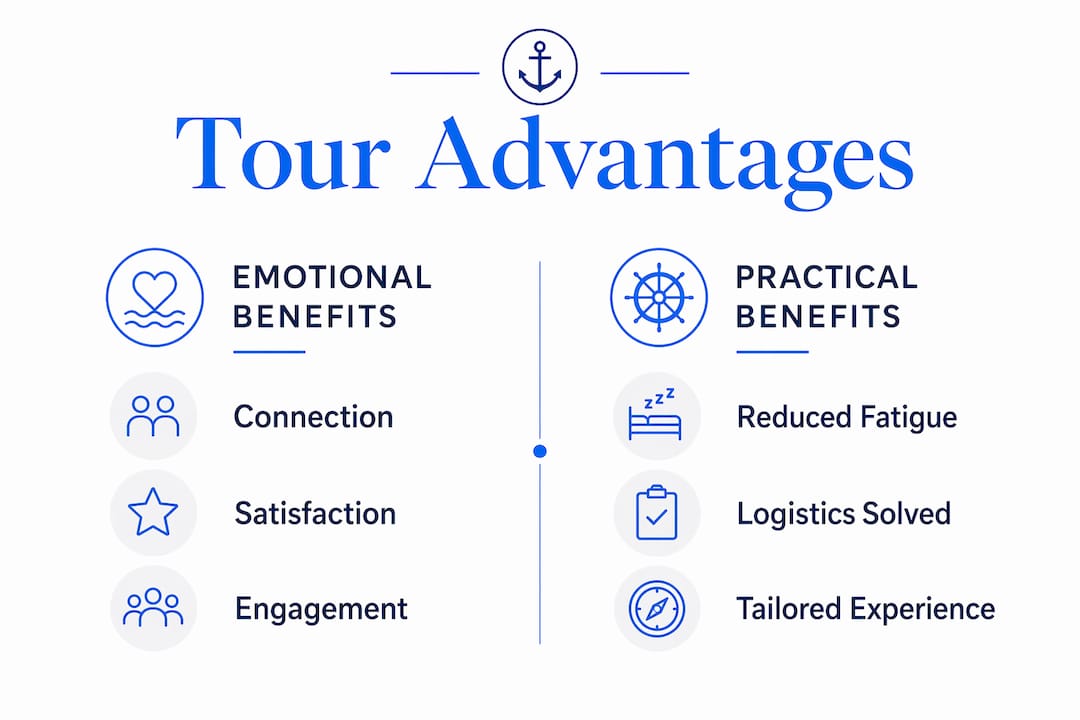
Guides act as on-demand concierges, providing priority access, skipping lines, and adapting schedules when something unexpected happens. That alone saves hours on a single day of travel. The true value of guided tours lies in the opportunity cost you avoid: no wasted research hours, no wrong turns, no missed context.
Here are the practical advantages that narrated tours deliver consistently:
Line skipping and priority access. Guides often have arrangements that get groups into sites faster, preserving your energy for the actual experience.
Insider knowledge. A local guide knows which viewpoint is worth the climb, which café is actually good, and which part of a site most visitors miss entirely.
Safety and social connection. Solo travelers and first-time visitors benefit from the built-in community of a guided group and the security of having an expert nearby.
Flexible logistics. When a site is unexpectedly closed or a weather change affects plans, a good guide pivots immediately without disrupting the day.
Curated pacing. Guides know how long to spend at each stop. You never linger too long at a minor detail or rush past something that deserves attention.
Pro Tip: Book tours that cap group size. Smaller groups allow the guide to tailor narration to your questions, which dramatically increases the personal value of the experience.
Learning how guided cruises operate can help you set the right expectations before you book, especially if you are new to narrated tour formats.
How does narration turn passive sightseeing into active engagement?
Passive sightseeing means standing in front of something impressive and feeling vaguely aware that it matters. Active engagement means understanding why it matters, who made it, what was at stake, and how it connects to the world you live in now. Narration is what makes that shift happen.
Effective audio narration acts as a strategic overlay, guiding where you look and why. It does not replace the experience with constant sound. It directs your attention at the right moment so you see what you would otherwise miss. That is the difference between a guide pointing at a carved detail on a doorway and explaining its political meaning versus you walking past it entirely.
Narration directs attention to details that are invisible without context.
Thematic storytelling links separate sites into a single, coherent cultural picture.
Guides use questions and pauses to invite reflection, not just passive listening.
Emotional scaffolding from narration helps you process what you are seeing in real time.
Lisbonbyboat’s guides do exactly this along Lisbon’s historical coastline. They connect the monuments, the river, and the city’s maritime history into one story that makes every landmark feel like a chapter rather than a standalone stop. You can read more about what local guides reveal that most travelers never discover on their own.
The result is a tour you remember. Not as a list of places you visited, but as a story you were part of.
Key Takeaways
Guided narration tours deliver emotional, cognitive, and logistical benefits that self-guided sightseeing cannot replicate, making them the most effective format for meaningful cultural travel.
Point | Details |
Emotional impact | Narration raises emotional satisfaction and produces measurable restoration by the end of a guided visit. |
Cognitive clarity | Thematic storytelling reduces mental fatigue and improves comprehension compared to silent or generic experiences. |
Logistical value | Guides save hours through priority access, insider knowledge, and on-the-spot schedule adjustments. |
Active engagement | Narration shifts travelers from passive observers to informed participants who retain what they experience. |
Memory retention | Story-driven tours are remembered as coherent experiences, not scattered lists of visited sites. |
What years of narrated tours have taught me
Most travelers underestimate what they miss without a guide. They assume they can read a plaque, look up a fact on their phone, and get the same result. They cannot. The plaque tells you what something is. A skilled narrator tells you why it changed everything.
The guides I have seen make the biggest impression are not the ones who know the most facts. They are the ones who know which story to tell at which moment. That is a craft. It takes reading the group, sensing what they are curious about, and connecting the site to something they already care about.
The most common mistake travelers make is booking a tour based on price or convenience without checking the guide’s actual narration style. A cheap tour with a disengaged guide is worse than no tour at all. It sets a flat, forgettable tone for the entire day. A great narrator, by contrast, can make even a modest site feel extraordinary.
My honest advice: read reviews specifically for mentions of the guide by name. When travelers remember a guide’s name weeks later, that is the clearest sign the narration worked.
— Lisbon
Narrated boat tours of Lisbon with Lisbonbyboat
Lisbonbyboat offers daily sailing tours along Lisbon’s historical coastline, with expert guides who narrate the city’s monuments, maritime history, and hidden stories from the water. The perspective from the Tagus River gives you a view of Lisbon that no walking tour can match.
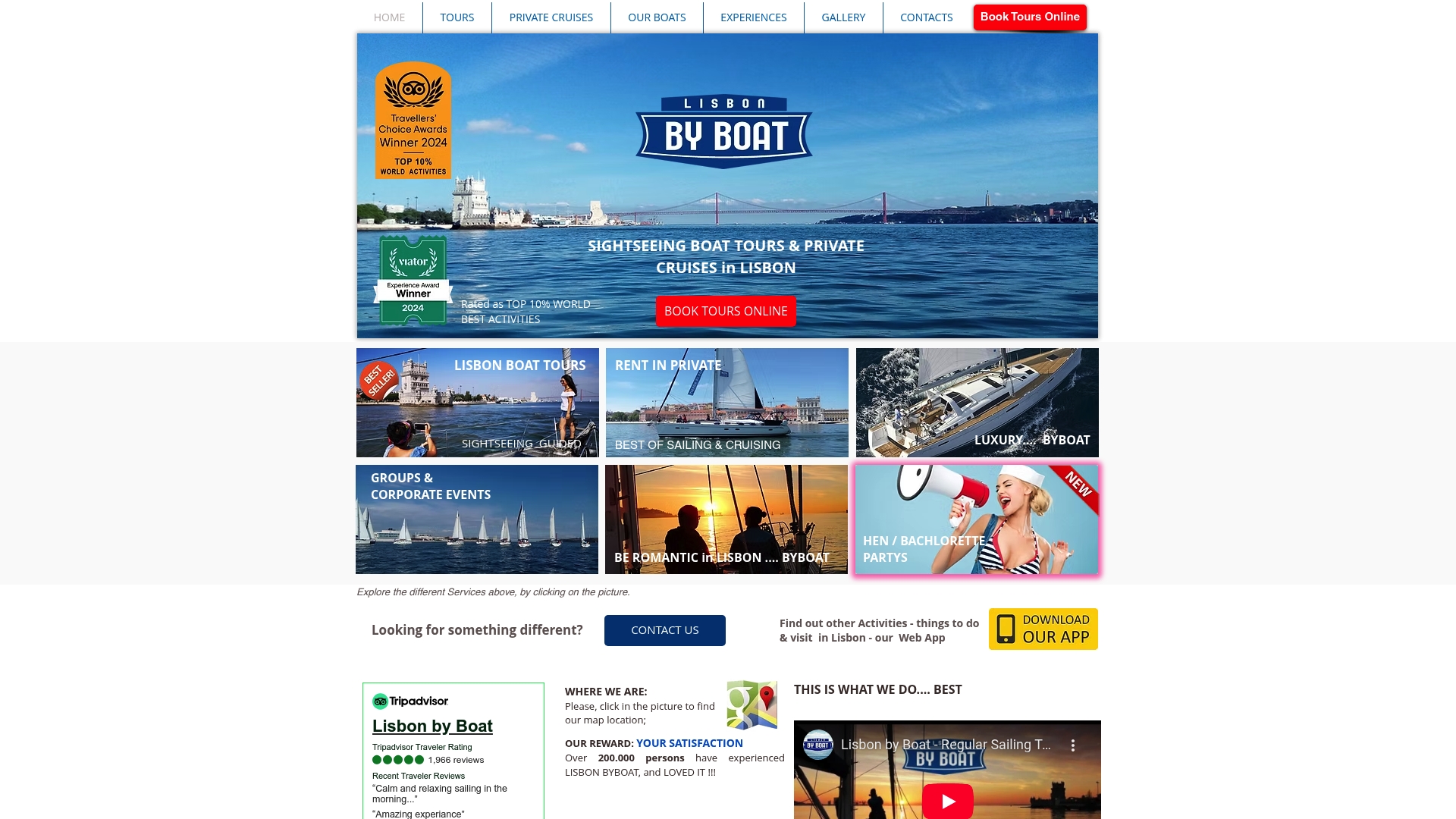
Private cruises on sailing yachts and catamarans are available from 2 hours to a full day, with narration tailored to your group’s interests. Whether you want a focused cultural experience or a relaxed afternoon on the water, Lisbonbyboat’s guides bring the city’s story to life at every turn. Explore the byboat tour options for daily departures, or check out luxury yacht experiences for a private narrated cruise on the Tagus.
FAQ
What is the main benefit of guided narration on tours?
Guided narration raises emotional satisfaction and improves comprehension by giving context to what you see. Research shows storytelling by guides makes historical sites more understandable and memorable than silent or self-guided alternatives.
How does narration reduce cognitive overload during sightseeing?
Narration handles the interpretive work so your brain can focus on absorbing the experience. Studies confirm that narrated experiences produce faster comprehension and higher retention compared to non-narrated visual formats.
Are guided tours worth the extra cost?
The cost of a guided tour is offset by the opportunity cost it eliminates: research hours, logistical errors, and missed context. Travel industry analysis confirms that guided tours save time and deliver smoother, richer experiences than independent travel.
What makes a tour guide’s narration effective?
Effective narration directs attention, builds emotional connection, and links sites into a coherent story. Guides who use thematic storytelling keep groups engaged without overwhelming them, which is the core skill that separates great guides from average ones.
Is a narrated boat tour different from a walking tour?
A narrated boat tour offers a unique vantage point that changes what the guide can show and explain. Lisbonbyboat’s guides narrate Lisbon’s coastline from the Tagus River, connecting the city’s maritime history and monuments in a way that a land-based tour cannot replicate.
Recommended
Comments