

Weather Impact on Tours: What Every Traveler Should Know
TL;DR:
Weather has a strong influence on tour safety, comfort, and scheduling, especially for water trips.
Travelers who monitor short-term forecasts and choose flexible operators experience fewer disruptions and higher satisfaction.
Weather is the single most powerful external force shaping your tour experience, from scheduling and safety to how much you actually enjoy the day. The weather impact on tours goes far beyond a little rain. It determines whether your boat departs, whether you feel comfortable on deck, and whether you leave with memories worth keeping. Understanding how weather conditions interact with tour operations gives you a real advantage when planning any trip, especially one that takes you out on the water.
What weather conditions typically cause tour delays or cancellations?
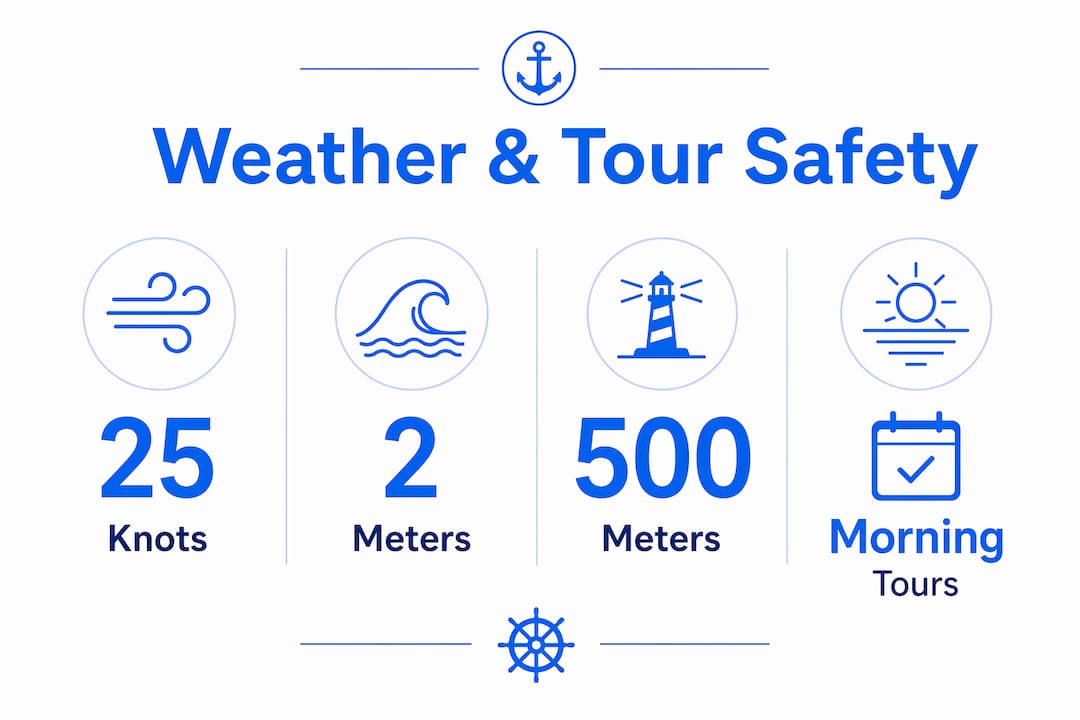
Tour operators use defined safety thresholds to decide whether a tour runs, adjusts, or cancels. For boat tours specifically, cancellations are triggered when sustained winds exceed 25 knots, waves surpass 2 meters, visibility drops below 500 meters, or lightning is detected within 10 kilometers. These are not arbitrary limits. They reflect international maritime safety standards designed to protect passengers and crew.
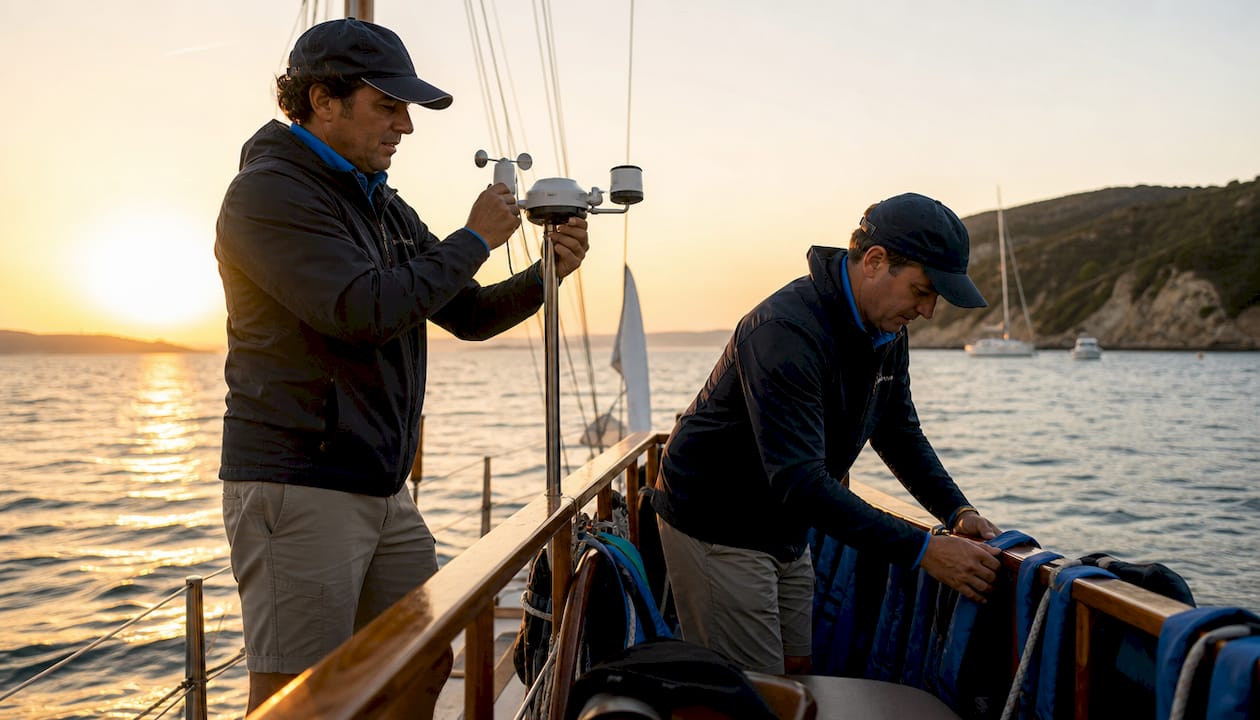
Operators generally sort weather into three tiers: safe, borderline, and unsafe. The borderline category is where most of the nuance lives. A tour that falls into borderline conditions can often be rerouted or rescheduled rather than cancelled outright. This means many cancellations that travelers assume are inevitable are actually avoidable with smart route adjustments.
Heat is a less obvious but equally serious factor. The Wet Bulb Globe Temperature (WBGT) index measures heat stress by combining air temperature, humidity, wind speed, and solar radiation into a single number. WBGT above 28°C triggers route changes or cancellations across outdoor tour operations worldwide. This standard is now widely used in professional sporting events and outdoor tourism alike.
Common scenarios that force cancellations include:
Tropical storms or squalls that develop rapidly and exceed wind or wave thresholds
Dense fog that pushes visibility below the 500-meter safety minimum
Extreme heat events where WBGT readings make outdoor activity medically risky
Electrical storms with lightning within the 10-kilometer exclusion zone
Swell patterns from distant weather systems that raise wave heights even on otherwise clear days
Pro Tip: Check the marine forecast, not just the general weather app. Marine forecasts report wind speed in knots and wave height in meters, which are the exact metrics tour operators use to make go or no-go decisions.
How does weather affect tourist satisfaction during tours?
Weather shapes how you feel about a tour independently of the tour’s actual quality. Research shows that hot weather reduces the likelihood of a positive tour outcome by 10.1%, while precipitation reduces it by 8.3%. That means even a well-run, expertly guided tour can feel disappointing simply because the temperature was uncomfortable. Your perception of the experience is real, even when the tour itself is excellent.
The psychological effect of weather on decision-making is just as significant. User perception of tours is negatively influenced by even moderate discomfort, which affects future booking decisions independently of actual tour quality. A traveler who felt too hot or got rained on is less likely to recommend the tour or book again, regardless of the guide’s skill or the scenery.
Timing within the day matters more than most travelers realize. Morning tours are statistically safer and more comfortable than afternoon tours for outdoor sightseeing. Temperatures are lower, wind conditions are typically calmer, and UV exposure is reduced. On the water, morning light also produces better visibility and more pleasant conditions for photography.
Weather condition | Satisfaction impact | Best mitigation |
Extreme heat (WBGT >28°C) | High negative impact | Book morning tours; bring sun protection |
Heavy rain or storms | Moderate to high negative impact | Check 24-hour forecast; reschedule if possible |
Mild overcast | Low to neutral impact | Often ideal for comfort and photography |
Strong wind | Moderate negative impact | Choose sheltered routes or catamaran tours |
Clear, mild conditions | Strong positive impact | Peak satisfaction window for most tour types |
Pro Tip: Book the earliest available departure time when temperatures are forecast above 30°C. Morning slots on sailing tours typically see calmer seas and cooler air, which directly translates to a more enjoyable experience.
How have changing weather patterns affected tour planning?
Weather volatility has made traditional seasonal planning far less reliable. Tour operators who once staffed up every june through september now face unpredictable storm windows that can appear in historically stable months. Cancellation rates in storm-prone seasons peak at 15–20%, compared to less than 5% in dry, stable seasons. That is a fourfold difference in operational disruption.
The broader economic picture is serious. Extreme weather harms destination reputation and deters future bookings, creating a compounding effect on local tourism economies. A single severe storm season can reduce visitor numbers for years afterward, as travelers associate a destination with weather risk.
For operators, this volatility disrupts staffing and pricing models. Volatile weather forces operators to adopt flexible labor arrangements and contingency inventory management rather than traditional peak-season hiring. That operational complexity often gets passed on to travelers through more nuanced cancellation policies.
What this means for you as a traveler:
Seasonal calendars are a starting point, not a guarantee. A month labeled “dry season” can still produce disruptive weather events.
Short-range forecasts are now more reliable than historical averages. A forecast issued 24–48 hours before your tour is far more accurate than a seasonal guide written months in advance.
Flexible booking policies matter more than ever. Prioritize operators who offer weather-related rescheduling or refunds, because weather uncertainty is now a structural feature of travel planning.
Insurance is worth considering. Travel insurance that covers weather-related cancellations protects your investment when conditions turn unexpectedly.
What practical strategies can tourists use to minimize weather disruptions?
Smart planning reduces the weather impact on your tours without eliminating the spontaneity of travel. These strategies work across tour types, from walking tours to sailing excursions.
Book morning departures. Morning hours deliver the highest comfort and lowest heat stress for outdoor activities. On boat tours, morning conditions typically mean calmer seas and better light. If you have a choice between a 9:00 AM and a 2:00 PM departure, choose the morning slot.
Check the 24–48 hour forecast, not the monthly outlook. Short-range forecasts are the most reliable tool for tour planning. Use a marine-specific weather service if you are booking a water-based tour. Apps like Windy or Windguru display wind speed, wave height, and swell direction in the exact units operators use.
Dress in layers and pack for change. Weather on the water shifts faster than on land. A morning that starts at 18°C can feel like 28°C by noon once the sun is fully up. Bring a light windproof layer, sunscreen with SPF 50 or higher, and a hat. For detailed guidance on what to wear on boat tours, Lisbonbyboat has a practical breakdown specific to Lisbon’s coastal conditions.
Choose tours with clear weather policies. Before booking, read the cancellation policy carefully. Operators who define their weather thresholds in writing give you the clearest picture of when a tour will or will not run. Lisbonbyboat publishes its safety and weather guidelines so travelers know exactly what to expect.
Build buffer days into your itinerary. If a specific tour is a priority, do not schedule it for your last full day. Give yourself at least one alternative day to rebook if weather forces a cancellation. This single adjustment eliminates most weather-related travel frustration.
Favor sheltered or adaptable tour formats. Catamarans handle choppy conditions better than smaller vessels. Private tours can adjust routes more easily than group departures. When weather is borderline, these format choices make the difference between a tour that runs and one that cancels.
Key Takeaways
Weather directly controls tour safety, satisfaction, and scheduling, and travelers who plan around it consistently have better experiences than those who ignore it.
Point | Details |
Safety thresholds are fixed | Boat tours cancel when winds exceed 25 knots, waves surpass 2 meters, or lightning is within 10 km. |
Weather lowers satisfaction measurably | Hot weather cuts positive tour outcomes by 10.1%; rain cuts them by 8.3%. |
Morning tours perform best | Morning departures deliver lower heat stress, calmer seas, and higher overall comfort. |
Short-range forecasts beat seasonal guides | Check the 24–48 hour marine forecast before any water-based tour, not the monthly average. |
Flexible booking protects your trip | Choose operators with defined weather policies and rescheduling options to reduce cancellation risk. |
What I have learned from years on Lisbon’s water
The travelers who enjoy their tours the most are rarely the ones who got lucky with perfect weather. They are the ones who planned with weather in mind from the start.
I have watched guests arrive in july expecting guaranteed sunshine and leave frustrated because afternoon heat made the experience uncomfortable. I have also watched guests book a gray october morning, layer up properly, and call it the best day of their trip. The difference is almost never the weather itself. It is preparation and timing.
The shift toward weather volatility is real. Seasons that used to be predictable now require day-by-day monitoring. The travelers who adapt fastest are the ones who treat the 48-hour forecast as a tool, not a formality. They check it, adjust their plans when needed, and stay flexible about departure times.
My honest advice: stop trying to find the “perfect” weather window and start building flexibility into your schedule. A morning sailing tour in mild overcast conditions on the Tagus River will outperform a hot, crowded afternoon tour on the clearest day of the year. The light is softer, the wind is calmer, and the monuments look just as beautiful.
Weather is not your enemy when you tour Lisbon by boat. It is a variable you can work with, once you know how.
— Lisbon
Sailing Lisbon with confidence, whatever the forecast
Lisbonbyboat monitors weather conditions daily and applies strict maritime safety thresholds before every departure. If conditions are unsafe, tours are cancelled or rescheduled with full transparency. If conditions are borderline, routes are adjusted to keep guests comfortable and safe.
Whether you are looking for a 2-hour sailing tour along Lisbon’s historic coastline or a full-day private cruise, Lisbonbyboat’s daily boat tours give you expert weather monitoring built into every booking. For travelers who want the highest level of flexibility and comfort, the luxury yacht options include private scheduling that adapts to your timeline and the forecast. Book with confidence knowing that your safety and experience come first.
FAQ
What weather conditions cancel a boat tour?
Boat tours typically cancel when sustained winds exceed 25 knots, waves surpass 2 meters, visibility drops below 500 meters, or lightning is within 10 kilometers. These thresholds are based on maritime safety standards.
What is the best time of day for outdoor tours?
Morning tours deliver the highest comfort and lowest heat stress for outdoor sightseeing. Temperatures, wind, and UV exposure are all lower in the morning than in the afternoon.
How much does bad weather reduce tour satisfaction?
Research shows that hot weather reduces positive outcomes by 10.1% and precipitation reduces them by 8.3%, even when the tour itself is well-run. Comfort has a direct and measurable effect on how travelers rate their experience.
Should I trust seasonal weather guides when booking tours?
Seasonal guides are a useful starting point, but short-range forecasts are more reliable for actual planning. Check a marine-specific forecast 24–48 hours before your tour for the most accurate conditions.
What should I pack to handle changing weather on a boat tour?
Bring a light windproof layer, sunscreen with SPF 50 or higher, a hat, and sunglasses. Lisbonbyboat’s guide on clothing for boat tours covers exactly what to pack for Lisbon’s coastal conditions across different seasons.
Recommended
Comments