

Ten Lisbon Gardens With River Pairings And Practical Itineraries
- lisbonbyboat
- 11 minutes ago
- 6 min read
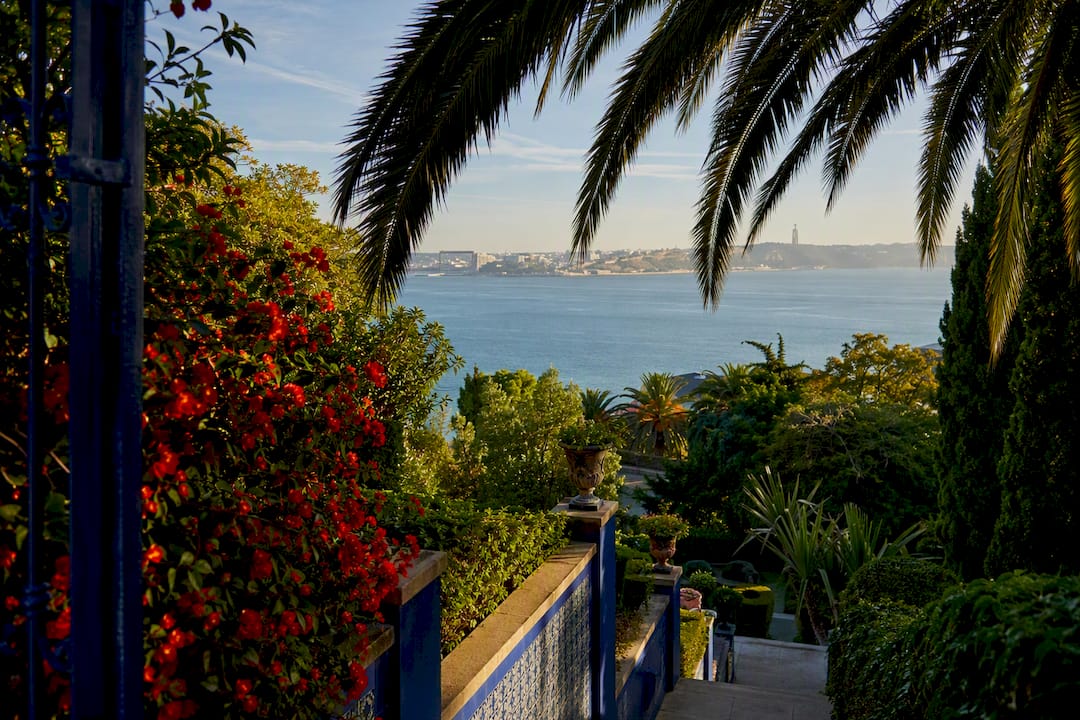
Ten gardens deserve a spot on any Lisbon itinerary, but seven do the heaviest lifting: the Calouste Gulbenkian Foundation Garden for free, art-filled green space; Jardim da Estrela for tram-side charm; the Lisbon Botanical Garden for its subtropical density; Monsanto Forest Park for real hiking; Parque Eduardo VII for its Estufa Fria greenhouse; Jardim do Príncipe Real for market mornings under a giant juniper; and the Belém cluster around the Jardim Botânico Tropical and the Torre de Belém lawns for river views. Everything below fills in the logistics.
TL;DR:
The Calouste Gulbenkian Foundation Garden offers free admission and supports diverse wildlife, with 43 species recorded during a survey.
Jardim da Estrela is accessible via tram 28, making it ideal for romantic strolls or quick breaks, with notable features like a pond and bandstand.
The Lisbon Botanical Garden spans approximately 10 acres and contains over 10,000 plants, including a butterfly greenhouse suited for families.
Monsanto Forest Park, covering over 50 hectares, is the largest green space, best suited for hiking and outdoor activities with family.
Botanical sites like the Botanical Garden and Estufa Fria charge small entry fees, with opening hours affected by seasonal changes and crowds.
Table of Contents
Best Lisbon Gardens to Visit: The Full Curated List
Each of these ten earns its place for a different reason. Some reward a quick 30 minute detour; others deserve a full morning.
Calouste Gulbenkian Foundation Garden is best for art lovers who want landscape design alongside sculpture and architecture. The Gulbenkian Foundation’s own garden offers free admission, an unusual perk in a city where several botanical sites charge entry. It sits near the Praça de Espanha and São Sebastião metro stations. Bird watchers should know the garden recorded 43 species during a 2012 to 2013 survey, a real sign of how much wildlife the mid-century landscaping supports. Insiders suggest starting at the Gulbenkian Interpretation Centre before wandering, since the garden’s design follows an intentional layout that makes more sense once you understand it.
Jardim da Estrela is best for a romantic stroll or a break between museum stops. Expect a duck pond, a wrought iron bandstand, and shaded benches across the street from the Estrela Basilica. Tram 28 stops right outside, which makes this one of the easiest gardens to fold into a walking day. Lonely Planet singles it out as one of the city’s more romantic green settings.
Lisbon Botanical Garden is best for anyone chasing a serious plant collection. Tucked behind the Rato district, it spans roughly 10 acres and holds over 10,000 plants, including a butterfly greenhouse that pulls in families on hot afternoons. The terraced layout climbs a hillside, so wear real shoes.
Monsanto Forest Park is best for hikers and families craving open space. At over 50 hectares, it’s the largest green area in the city by a wide margin, dwarfing every other entry on this list.
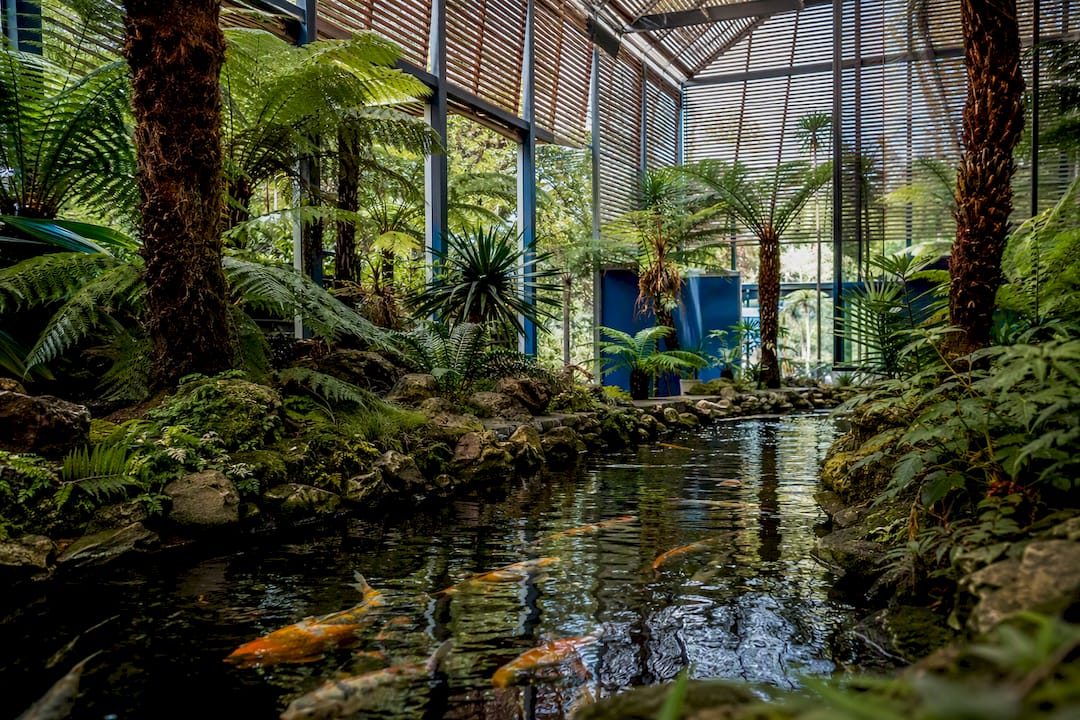
Parque Eduardo VII is best for formal garden geometry and one standout greenhouse. The clipped hedges climbing toward the Marquis of Pombal monument are classic postcard Lisbon, but the real draw sits inside: the Estufa Fria, a cold greenhouse packed with ferns, palms, and koi ponds under slatted wood shading.
Jardim do Príncipe Real is best for a slower morning near cafés and a Saturday antiques market. The garden’s giant Mexican cypress, often mistaken for a juniper, spreads its canopy over a circular iron trellis wide enough to shade dozens of picnickers at once.
Jardim Botânico da Ajuda is best for history buffs. Created in 1768 as Lisbon’s oldest botanical garden, it once trained royal students in botany and still holds more than 5,000 plant species across its terraced beds near the Ajuda Palace.
Jardim Botânico Tropical in Belém is best for escaping the crowds around the monasteries. Roughly five hectares of tropical and subtropical plantings, free-roaming peacocks, and quiet gravel paths make it a genuine palate cleanser after the Jerónimos Monastery crush.
Jardim da Torre de Belém and the surrounding riverside lawns are best for anyone chasing that classic tower-against-the-river photo. There’s no formal garden design here, just open grass, benches, and the Tagus stretching out behind the 16th century tower.
Tapada das Necessidades is best for a genuinely quiet visit few tourists find. Uneven paths and steep sections mean it’s not stroller-friendly everywhere, but the lawns and old trees near the National Palace reward the effort.
Garden | Best for | Admission | Size | Nearest transit |
Gulbenkian Garden | Art and design lovers | Free | Several acres | São Sebastião metro |
Jardim da Estrela | Romantic walks | Free | Small park | Tram 28 |
Botanical Garden | Plant collectors | Paid | ~10 acres | Rato metro |
Monsanto Forest Park | Hiking and families | Free | 50+ hectares | Bus/car recommended |
Parque Eduardo VII | Formal gardens, greenhouse | Free (greenhouse paid) | Large | Marquês de Pombal metro |
Príncipe Real | Market mornings | Free | Small | Tram 28 |
Jardim Botânico da Ajuda | History | Paid | Terraced grounds | Bus from Belém |
Tropical Botanical Garden | Quiet break in Belém | Paid | ~5 hectares | Belém train/tram |
Torre de Belém lawns | River photos | Free | Open lawn | Belém train/tram |
Tapada das Necessidades | Solitude | Free | Mid-size | Bus from city center |
Building Half-Day and Full-Day Garden Itineraries
Group these gardens by neighborhood instead of trying to zigzag across the city. Three combinations work particularly well.
Belém cluster (half day): Start at the Tropical Botanical Garden (45 minutes), walk to the Torre de Belém lawns (30 minutes plus photo time), then grab pastries and picnic before heading to Jerónimos.
City center loop (half day): Estrela garden (45 minutes) to Príncipe Real (30 minutes) to the Botanical Garden (60 to 90 minutes), all connected by short walks or a single tram hop.
Monsanto day (full day, active travelers): Budget three to four hours minimum. Bring water and sturdy shoes, and treat it as a hiking outing rather than a stroll.
Tram 28 covers Estrela directly. The metro handles Gulbenkian, Parque Eduardo VII, and the Botanical Garden with a five to ten minute walk from each station. Belém needs the train or tram from downtown, roughly 20 minutes each way.
Pro Tip: Visit the Botanical Garden or Gulbenkian right at opening. Both fill up with tour groups by midmorning, and the light through the greenhouse glass is better before 10 a.m. anyway.
What to Know Before You Go: Hours, Tickets, and Access
Admission policies vary more than most visitors expect. The Gulbenkian Garden and Parque Eduardo VII’s outdoor grounds are free, but specialized spaces like the Estufa Fria greenhouse and the botanical gardens typically charge a small entry fee. Hours shift seasonally, so check each site’s official page the morning of your visit rather than relying on an old blog post.
Gulbenkian Garden: free entry, no ticket required
Botanical Garden and Jardim Botânico da Ajuda: paid entry, hours vary by season
Estufa Fria: separate paid ticket inside Parque Eduardo VII
Monsanto Forest Park: free, but stick to the eastern and southern sections, which have maintained trails and family amenities; the northwest areas feel more isolated and are better left to locals who know the terrain
Most sites have basic cafes or kiosks near the entrance; toilets are less consistent, so use them when you see them.
Pairing Garden Visits With Lisbon’s River
Belém’s gardens sit minutes from the water, and that proximity is worth using. Lisbonbyboat runs daily 2-hour sightseeing cruises along the same coastline you just walked, with guides narrating the history of the Torre de Belém and Jerónimos Monastery from a totally different angle than the lawn.
A practical combo: spend your morning in the Tropical Botanical Garden and the Torre de Belém lawns, then board an early afternoon cruise while the light is still strong. Alternatively, wander Parque Eduardo VII in the afternoon and close the day with a sunset sailing. For readers building a longer river-and-land itinerary, scenic boat routes and riverside landmarks both connect naturally to a Belém garden morning.

Why Gardens Matter in Lisbon: A Local View
Lisbon’s gardens aren’t monuments behind glass. They’re where the city actually lives: retirees playing cards on Príncipe Real benches, students reading under Estrela’s trees, families spreading blankets at Gulbenkian on a Sunday. Skip one guidebook stop and buy a pastel de nata to eat on the grass instead. You’ll learn more about Lisbon in twenty quiet minutes than in an hour of queuing.
— Lisbon
Turn Your Garden Day Into a Full Lisbon Experience
Walking Belém’s gardens gets you half the story. The Tagus tells the other half, and no garden path shows you the Torre de Belém, the Monument to the Discoveries, or the Jerónimos skyline the way open water does.

Lisbonbyboat runs daily 2-hour guided sightseeing tours departing near the Belém waterfront, with live commentary on the monuments you just admired from the lawns. It’s the natural add-on after a Tropical Botanical Garden or Torre de Belém morning: no extra planning, no separate ticket line, just a short walk from the gardens to the dock. Groups wanting more privacy can book a private charter instead of the shared tour. Check today’s availability and reserve your spot on a Lisbon sightseeing cruise before your garden day fills the rest of your schedule.
Sources
Recommended
Comments