

Avoid Backtracking: 3 Days in Lisbon With a Two Hour Tagus Cruise
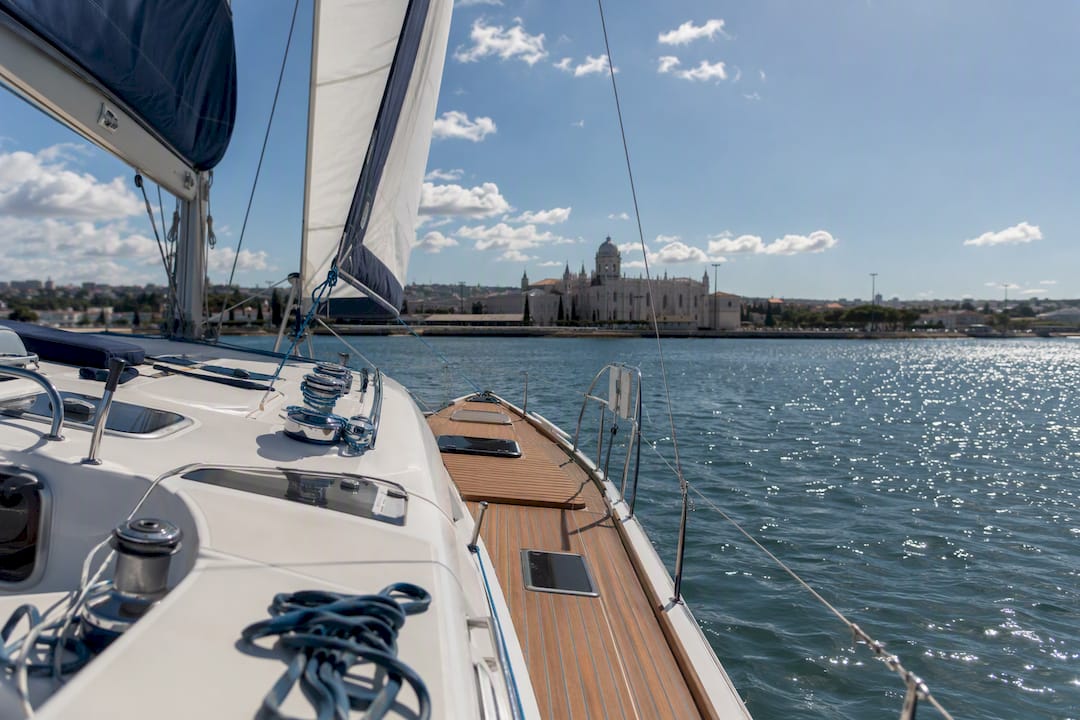
The best three-day Lisbon plan splits by neighborhood, not by attraction wish list: Day 1 covers Belém’s riverfront monuments, Day 2 handles downtown Baixa–Chiado plus the miradouros and a fado dinner, and Day 3 is either deeper Alfama exploration or a full-day Sintra trip. Book Jerónimos Monastery and Pena Palace tickets online before you land, and brace for hills. Lisbon’s terrain punishes anyone who zigzags between neighborhoods instead of finishing one before moving to the next.
TL;DR:
Prioritize visiting Belém early to avoid crowds at Jerónimos Monastery and Belém Tower, and book tickets online at least a week in advance.
Focus on neighborhood groupings by completing all sights in one zone before moving to the next to minimize hill climbs and transit time.
Schedule indoor ticketed attractions like Jerónimos and Pena Palace for early morning or right at opening to dodge peak-hour queues and tour buses.
Use the city’s free miradouros for panoramic views, especially during golden hour or early morning, as they provide high-quality sights without entrance fees.
Choose neighborhood bases carefully based on your comfort with hills and noise, with central districts for flat, walkable access and hillside areas for atmosphere despite more stairs.
Table of Contents
Top Things to Do in Lisbon in 3 Days: The Neighborhood Logic
Three days is tight, but it’s enough. Local guides and itinerary writers converge on the same day-by-day split: Belém on day one, downtown and viewpoints on day two, Alfama or Sintra on day three. That consensus exists because it matches how Lisbon is actually laid out, not because every travel blog copied the same template.
Here’s the part most first-timers get wrong. Lisbon is built on seven hills, and its main sights aren’t clustered in one walkable core the way, say, central Paris is. Belém sits about 6 kilometers west of downtown, along the river. Alfama and the castle sit on a hill east of Baixa. Sintra is a separate town 40 minutes away by train. Bouncing between these zones on the same day burns hours you don’t have.
The fix is neighborhood grouping: finish everything in one zone, then move to the next. Guides to recommend starting at your farthest point and working back toward the center, which is why Belém opens the trip. You knock out the longest transit leg first, while you’re fresh, then spend the rest of the trip pulling closer to your hotel.
A few housekeeping items before the day-by-day breakdown:
Book ahead: Jerónimos Monastery and Pena Palace in Sintra both sell timed tickets online, and in peak months they can sell out with little warning.
Pace yourself: Lisbon’s cobblestones and hills are harder on your feet than flat European capitals. Comfortable shoes aren’t optional.
Weather window: Spring and fall days average pleasant walking temperatures without July’s crowds.
Sunday quirk: Many museums, including some in Belém, close on Mondays. Plan indoor sights accordingly.
This guide walks through each day hour by hour, then backs it up with a compact sights checklist, food strategy, lodging advice, and two ready-to-copy sample schedules for different paces.
Day 1: Belém and Riverside Monuments
Belém is where Portugal’s maritime history lives, and it rewards an early start more than any other part of the city.
Arrive by 9:00 AM. Take Tram 15E from Praça da Figueira or a taxi (about 15 minutes from downtown). Arriving before the tour buses matters more here than anywhere else in Lisbon.
Pastéis de Belém first, before the crowds build. The original bakery opens early and lines form fast as the morning goes on. Grab two custard tarts and coffee, eat standing up if you have to. This isn’t a sit-down breakfast stop.
Jerónimos Monastery, 10:00 to 11:30 AM. This UNESCO site is the visual anchor of the neighborhood, and its cloisters take a genuine hour to appreciate properly. Book your ticket online before you arrive; the ticket counter line on a busy Saturday can eat 45 minutes you don’t have to lose.
Monument to the Discoveries, 11:45 AM. A 10-minute walk from the monastery. You don’t need to go inside; the exterior and the river views from its base are the point. Fifteen minutes is plenty.
Belém Tower, 12:15 PM. Another 10 minute walk along the river. If the interior line looks long, skip it. The tower’s silhouette against the water is the photo everyone actually wants, and you get that from outside for free.
Lunch and a choice: MAAT or LX Factory. By early afternoon you’ve earned a break. MAAT (Museum of Art, Architecture and Technology) sits right on the river with a striking curved roof and rotating exhibitions, good for an hour if you like contemporary art. LX Factory, a former industrial complex turned into shops, murals, and restaurants, suits travelers who want a more casual, browse-and-eat afternoon.
Getting back downtown is simple: Tram 15E runs the same route in reverse, or grab a taxi if your feet have had enough for one day. Budget the whole day at 5 to 6 hours on the ground in Belém, not counting transit.
A few things that trip people up on this specific day:
The Jerónimos ticket line moves slowly on weekends; a pre-booked timed entry skips it entirely.
Belém Tower’s interior access is limited by a narrow spiral staircase, so lines inside move at a crawl even with a small crowd.
Restaurants directly around the monastery are tourist-priced. Walk two blocks inland for better value.
The tram gets packed by midmorning. If you’re not on it by 9:00, consider a taxi instead.
Day 2: Downtown, Baixa–Chiado, and a Fado Evening
Day two stays almost entirely on foot within downtown Lisbon, which makes it the least logistically demanding day of the trip and the best one for absorbing the city’s actual texture.
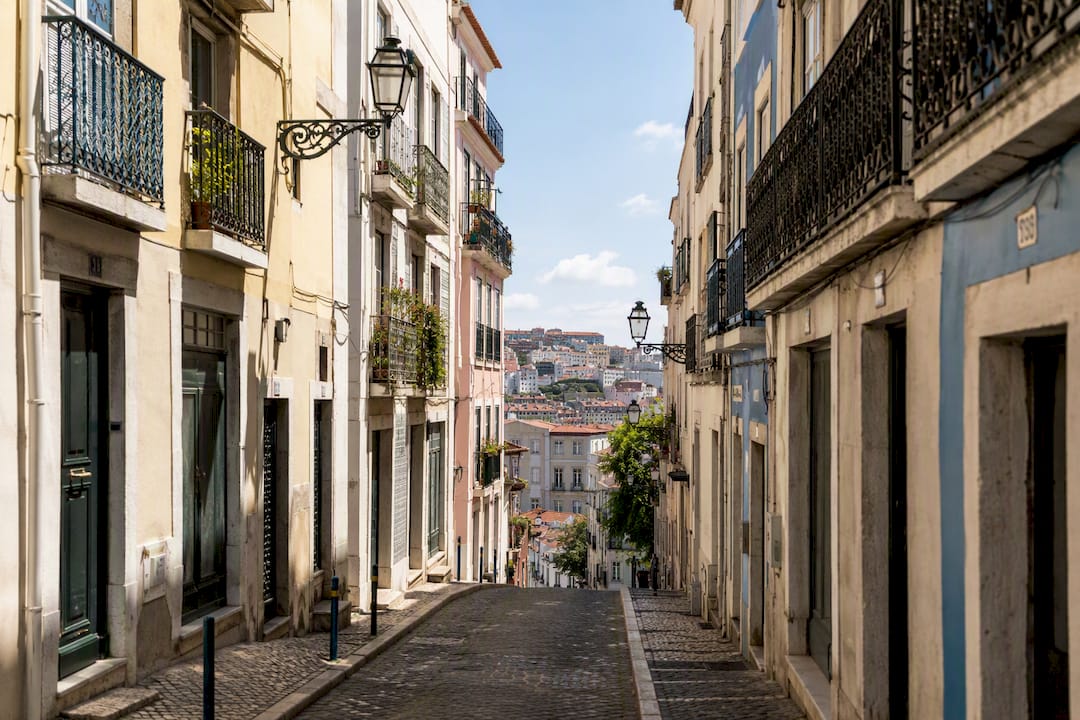
Start at Parque Eduardo VII around 9:00 AM, mostly for the formal gardens and the view down Avenida da Liberdade toward the river. From there, walk down the avenue, Lisbon’s grand boulevard lined with international boutiques, until you hit Baixa, the flat, grid-planned downtown rebuilt after the 1755 earthquake.
In Baixa, hit these in sequence:
Rossio Square, the social heart of downtown, good for a coffee break at a café table.
Rua Augusta Arch, a short walk south; climb it for a rooftop view over the square and the river beyond (small entry fee, quick visit).
Elevador de Santa Justa, the ornate iron elevator connecting Baixa to Chiado above it. The line for the elevator itself gets long; walking up the adjacent streets to Chiado gets you the same neighborhood without the wait.
By early afternoon, head into the miradouro circuit, Lisbon’s free viewpoints and arguably its best value activity of the whole trip. Prioritize three:
Miradouro de São Pedro de Alcântara, close to Chiado, easy to fit between lunch and your next stop.
Miradouro da Graça, higher up, with wide views toward the castle.
Miradouro de Santa Luzia, near Alfama, tiled and shaded, one of the most photographed spots in the city.
These viewpoints are consistently named among the city’s best, and the reason locals visit them at specific hours isn’t superstition. Midday sun is harsh and the light is flat; golden hour or early morning gives softer light and thinner crowds. Time at least one of these for the hour before sunset.
Pro Tip: Skip the elevator line at Santa Justa entirely. Walk up Calçada do Carmo or Rua de Santa Justa instead, you’ll reach the same upper platform in about eight minutes on foot, for free, and arrive less irritated than the people queuing below.
For the evening, book a fado house for dinner. Fado, Portugal’s mournful traditional song form, is performed live in small venues across Alfama and Bairro Alto, usually alongside a set dinner menu. Reserve at least a few days ahead for well-known houses; walk-in seating exists but often means a worse table or a later, less atmospheric set. Expect a dinner and show package to run somewhere in the mid to upper range for a sit-down meal with wine, more if you choose a higher-end house in Chiado versus a smaller neighborhood spot in Alfama.
Day 3: Alfama Deep Dive or a Full Sintra Day Trip
Day three is where the trip forks, and which path you take should depend on what you value more: a slower, textured look at old Lisbon, or a half-day trip to Portugal’s most famous palace town.
Option A: Sintra, if fairy-tale palaces are the priority.
Catch an early train from Rossio Station. Booking the 8:00 or 9:00 AM departure matters because Sintra’s sights are spread across a hillside and each one eats more time than photos suggest.
Start with Quinta da Regaleira, a Gothic-Renaissance estate with a symbolic underground spiral well that photographs better than almost anything else in the region. Budget 90 minutes.
Move to Pena Palace, the candy-colored hilltop palace that’s the main draw for most visitors. Book this ticket online well ahead; it sells out in summer and long lines form at the gate without a timed entry.
If time allows, finish at the Moorish Castle ruins next door for panoramic views, though this is the first stop to cut if you’re running behind schedule.
Return to Lisbon by early evening. The train back gets crowded around 5:00 to 6:00 PM as day-trippers head home together.
Option B: Alfama, Mouraria, and Parque das Nações, if you’d rather go deeper into Lisbon itself.
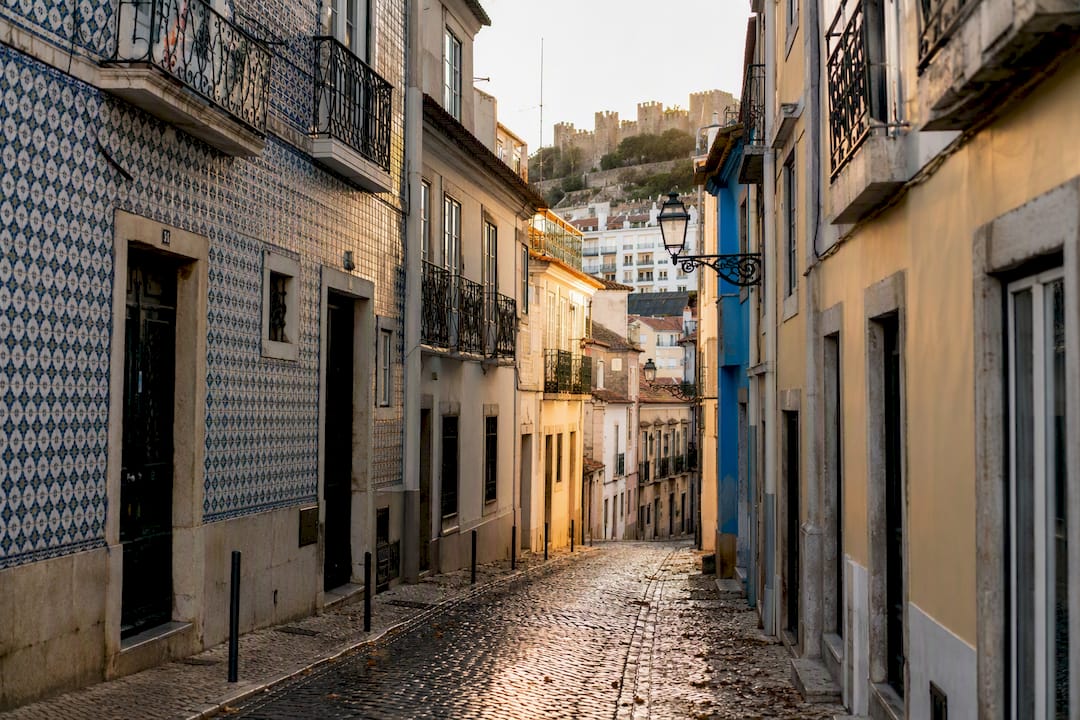
Spend the morning wandering Alfama’s narrow lanes below São Jorge Castle, the oldest surviving neighborhood in the city and the one that survived the 1755 earthquake largely intact. Visit the castle itself for its ramparts and river views, then drift into Mouraria, Alfama’s less-visited neighbor and the birthplace of fado, for a quieter, more local afternoon. If you want something completely different for the back half of the day, the metro gets you to Parque das Nações in about 20 minutes, Lisbon’s modern riverside district built for Expo '98, home to the Oceanário aquarium and a very different architectural mood than anywhere else in the city.
How to choose: if this is a once-in-a-while trip to Portugal, Sintra usually wins, its palaces genuinely don’t exist anywhere else. If you’re a repeat visitor, or you’ve already done a Sintra trip on a prior visit, staying local and going deeper into Alfama and Mouraria gives you a more textured, less rushed final day.
Must-See Sights and Miradouros: The Compact Checklist
If you only remember one list from this whole guide, make it this one. These are the sights and viewpoints that earn their place in a genuinely limited three days.
São Jorge Castle: Alfama’s hilltop fortress, best for ramparts, cannons, and sweeping river views.
Jerónimos Monastery: Belém’s showpiece, book ahead, budget 60 to 90 minutes.
Belém Tower: exterior alone justifies the stop if the interior line is long.
MAAT: modern riverside museum, good rainy-day option in Belém.
LX Factory: industrial-turned-creative complex, best for a relaxed lunch stop.
Tram 28: the classic yellow tram winding through Alfama and Graça. Ride it early morning or hop on mid-route rather than at the crowded starting terminus; the full loop runs about 45 to 50 minutes end to end.
Miradouro da Senhora do Monte: the highest viewpoint in the city, quiet even at peak season.
Miradouro da Graça: wide views toward the castle, popular at sunset.
Miradouro de Santa Luzia: tiled, shaded, and close to Alfama’s tourist core.
Miradouro de São Pedro de Alcântara: convenient from Chiado, good for a midday break.
None of these require more than an hour, and most are free. The miradouros in particular are the best value activity in the entire city; you’re paying nothing for views that rival anything ticketed.
Eating and Drinking Without Wasting a Single Hour
Food logistics matter more on a three-day trip than a two-week one, because every wasted line is a sight you don’t get to see.
Pastéis de Belém: go before 10:00 AM or accept a real wait. The original location draws long lines as the day progresses.
Manteigaria: the strongest central alternative, located in Chiado, with noticeably shorter waits and a nearly identical tart.
Time Out Market: the Cais do Sodré food hall works best as a lunch stop between noon and 2:00 PM, or a late dinner after 8:30 PM. The 6:00 to 8:00 PM window is the worst time to arrive; every stall has a line and every table is taken.
Tascas: small, family-run neighborhood restaurants, generally the best value meal in the city. Look for handwritten daily specials rather than laminated tourist menus.
Fado dinners: budget more for a well-known Alfama or Bairro Alto house with a full dinner menu than for a smaller neighborhood spot with just a cover charge and drinks.
Pro Tip: If a restaurant near a major sight has photos of its food on the menu board outside, that’s usually your cue to keep walking. The best tascas rarely bother marketing to tourists at all.
Where to Stay: Matching Neighborhood to Priorities
Your hotel location does more to shape your three days than almost any other decision, mostly because it determines how many hills you climb before breakfast. For tips on practical planning and combining lodging with dining to enhance your trip, see how to combine lodging and dining for a better trip.
Chiado or Baixa: the most walkable central base, flat streets, close to the metro, easy access to both downtown sights and transit toward Belém or Alfama.
Alfama or Graça: maximum atmosphere, narrow lanes, close to the castle and the best miradouros, but expect steep walks and cobblestones right outside your door.
Cais do Sodré or Príncipe Real: the strongest picks for nightlife and dining, with easy river access and a younger, livelier scene after dark.
Belém: quieter and further from downtown nightlife, worth it only if you want to linger in that neighborhood or prioritize riverside calm over central access.
The trade-off is consistent across the city: flatter, more central neighborhoods cost more and feel less “local,” while atmospheric hillside neighborhoods mean more stairs and more noise from narrow streets that carry sound. Choose based on how much walking uphill you’re genuinely willing to do at the end of a long day, not on how a neighborhood photographs.
Tickets, Transport, and the Best Time to Visit
Getting the logistics right on a short trip matters more than it would on a longer one, since there’s no slack day to recover a wasted afternoon.
Booking timelines: Jerónimos Monastery and Pena Palace tickets should be bought online before you leave home, ideally at least a week ahead if you’re traveling in summer. Fado dinner reservations should go in a few days ahead minimum.
Getting around: the Viva Viagem card is a reloadable transit card that covers the metro, trams, and buses; single fares are inexpensive, and a day pass usually pays for itself if you take more than three or four rides. Tram 15E to Belém and Tram 28 through Alfama are both practical transport, not just tourist novelties, though both get crowded at peak hours. Taxis and ride-hailing apps are worth the small extra cost when your feet are done for the day, especially climbing back up from Alfama in the evening heat.
When to go: the shoulder seasons, March through May and September through October, balance manageable crowds with comfortable walking temperatures. Summer brings the heaviest crowds and the highest heat, which matters more in a hill city than in a flat one.
Mobility note: if steep climbs are a concern, several of Lisbon’s funiculars (Elevador da Bica, Elevador da Glória) cover the steepest connecting streets for the price of a standard transit fare, and they’re a genuinely practical option, not just a photo stop.
Two Sample Schedules: Brisk and Relaxed
Not every traveler wants the same pace, so here are two versions of the same three days.
The brisk highlights version, for travelers who want to see everything and don’t mind a full day on their feet:
Day 1: 8:30 AM start in Belém, all four main sights plus MAAT, back downtown by 4:00 PM, evening walk through Baixa.
Day 2: 8:30 AM Parque Eduardo VII, downtown by 10:00, three miradouros by 5:00 PM, fado dinner at 8:00 PM.
Day 3: 7:30 AM train to Sintra, all three main sights, back in Lisbon by 6:30 PM for a final dinner.
The relaxed version, for travelers who’d rather do less and enjoy it more:
Day 1: Belém sights only, no MAAT or LX Factory, long lunch by the river, back to the hotel by early afternoon to rest.
Day 2: downtown walk at an easy pace, one miradouro at sunset instead of three, fado dinner as the day’s single evening commitment.
Day 3: skip Sintra, spend the whole day in Alfama and Mouraria at a wander-and-stop pace, with a late afternoon break built in.
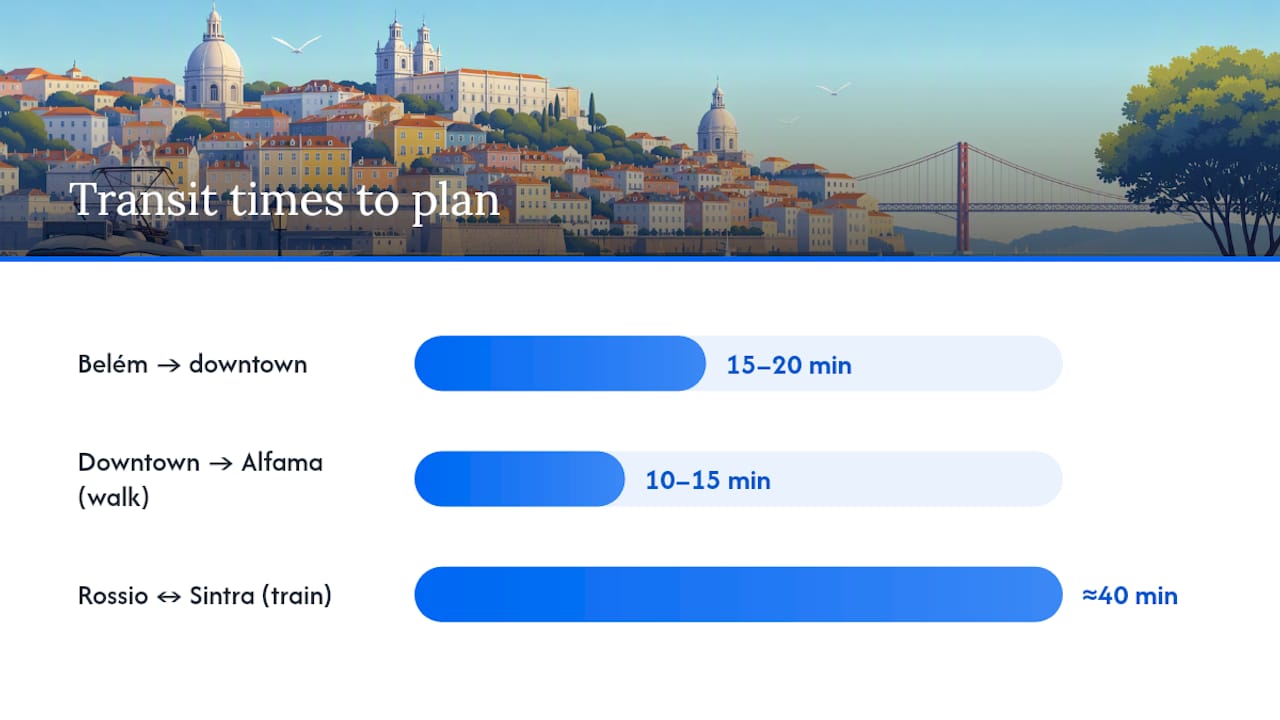
Transit times to plan around: Belém to downtown runs roughly 15 to 20 minutes by tram or taxi, downtown to Alfama is a 10 to 15 minute walk uphill, and the Rossio to Sintra train takes about 40 minutes each way. Build those numbers into whichever version you follow, because they add up faster than they look on a map.
Why a 2-Hour Tagus Cruise Makes the Trip Better
A short sail on the Tagus solves a real problem in a three-day plan: how do you see Belém’s riverfront, the 25 de Abril bridge, and the Cristo Rei statue across the water without spending an entire afternoon walking between them on land?
Lisbonbyboat runs guided sightseeing tours lasting about two hours, sailing past the same monuments you’d otherwise view only from the shore, Belém Tower, the Monument to the Discoveries, the bridge, with live commentary on what you’re looking at. The angle from the water changes how these landmarks read entirely; Belém Tower in particular was built to be seen from the river, and standing on a dock rarely gives you that same view.
Best fit for sunset, either as your Day 1 closer after Belém or a standalone evening on Day 2.
Works as a substitute for the Belém afternoon walk if you’d rather sail past the monuments than trek between them on foot.
Private charters run from two hours up to a full day, on sailing yachts and catamarans, and suit travelers who want a customized route or a special occasion built in.
Group tours cost less per person and run on a fixed daily schedule; private cruises cost more but flex around your timing and headcount.
What you’re deciding | Group daily tour | Private charter |
Best for | Solo travelers, couples, small groups on a budget | Families, celebrations, flexible timing |
Duration | Fixed at 2 hours | 2 hours up to full day |
Schedule control | Set departure times | Chosen by you |
Typical vessel | Sailing yacht or catamaran | Yacht, catamaran, or speedboat |
If you’re weighing this against a rooftop bar for your evening view, it’s worth comparing both options directly before deciding. And if the water views intrigue you beyond just the sunset slot, there’s a strong case for treating the river as the best vantage point in the whole city.
Best Local Experiences Worth Building Around
Beyond the monuments, a handful of experiences give your three days a texture that photos of Jerónimos alone won’t capture. A live fado performance, ideally in a small Alfama house rather than a large touristy hall, remains the single most distinctly Lisbon evening you can have. Wandering into a neighborhood feira, a local market or flea market, on a weekend morning (Feira da Ladra in Alfama runs Tuesdays and Saturdays) puts you shoulder to shoulder with locals rather than other visitors. Riding Tram 28 mid-route rather than at its packed terminus turns a tourist checkbox into an actual transit ride through the city. And catching a miradouro at sunrise, before the day’s tour groups arrive, gives you a version of the view almost nobody else sees. None of these require booking weeks ahead. They just require slotting them into whichever neighborhood day already has you nearby, rather than treating them as separate errands.
Timing Your Visits to Dodge the Crowds
The single biggest lever you have on a short trip is arrival time, not which day you go. Jerónimos Monastery and Belém Tower are worst between 11:00 AM and 2:00 PM, when tour buses cluster; arriving by 9:00 or 9:30 AM cuts wait times dramatically. The miradouros flip the other direction: midday light is harsh and crowds peak in the early afternoon, so early morning or the hour before sunset are both better windows. Sintra’s Pena Palace follows the bus-tour pattern too. The earliest trains out of Rossio put you ahead of the day-trip crowds that start arriving from Lisbon hotels around 10:00 AM. As a general rule, anything free and outdoors (miradouros, Alfama’s lanes) is best at the edges of the day, while anything ticketed and indoors (Jerónimos, Pena Palace) is best right at opening.
Budgeting a 3-Day Trip: What Things Actually Cost
Lisbon remains one of Western Europe’s better value capital cities, but a three-day trip still adds up across tickets, transit, and food. Entry to Jerónimos Monastery and Belém Tower each carry a modest individual fee, with combined tickets typically cheaper than paying separately. Pena Palace in Sintra runs higher, and the train from Rossio adds a small round-trip cost on top. A Viva Viagem transit card with a day pass covers unlimited metro, tram, and bus rides for a low daily rate, which pays for itself after three or four trips. Meals swing widely: a tasca lunch costs a fraction of a sit-down fado dinner with wine, and Time Out Market snacks land somewhere in between. Miradouros cost nothing, which is exactly why they’re worth building the itinerary around. The rough shape of a budget traveler’s day, food plus transit plus one ticketed sight, runs noticeably less than a splashier day with Sintra tickets, a fado dinner, and taxis instead of trams.
Alternative Neighborhoods Beyond the Main Circuit
If you’ve done the Belém, Baixa, and Alfama circuit before, or you simply want fewer crowds on this trip, a few neighborhoods reward a detour. Príncipe Real offers boutique shopping, a lush garden square, and a quieter, more residential feel just uphill from Chiado. Campo de Ourique is a genuinely local neighborhood southwest of downtown, built around a lively covered market with almost no tourist presence. Marvila, east along the river past Alfama, has become Lisbon’s craft brewery and warehouse-gallery district, worth an afternoon if you want a completely different mood from the historic core. None of these need to replace your core three-day plan; they’re better suited to a return trip or a fourth day tacked on, but knowing they exist helps if the main circuit starts to feel crowded partway through your visit.
Staying Safe During a Short Stay
Lisbon is a comparatively safe capital for visitors, but a few tourist-specific risks show up consistently enough to flag. Pickpocketing on Tram 28 and in crowded areas of Alfama and Baixa is the most common issue, precisely because those are the exact spots this itinerary sends you. Keep bags zipped and in front of you, especially on the tram. Cobblestones and steep, uneven steps throughout Alfama and Graça catch people off guard, particularly at night when lighting is limited; sturdy, closed shoes matter more here than in most cities. Taxi and rideshare scams are rare but not unheard of near major tourist sites, so confirm the fare or use a metered app rather than negotiating on the street. Standard city awareness, watching your belongings, avoiding poorly lit side streets late at night, sticking to licensed taxis, covers nearly everything you’ll encounter on a short, well-planned visit.
A Local Guide’s Note on Doing Lisbon Right
After years of running daily sailing tours along Lisbon’s waterfront, a pattern becomes obvious: the travelers who enjoy their three days most aren’t the ones who see the most sights. They’re the ones who stop backtracking. Grouping by neighborhood isn’t a cute organizational trick, it’s the difference between climbing Alfama’s hills twice in one day versus once, and by day three that difference shows up in how much you’re actually able to appreciate what you’re looking at.
The one recommendation you won’t find in most guides: skip the famous miradouros at sunset, when everyone else has the same idea, and instead go to Miradouro da Senhora do Monte at 7:30 AM with a pastry from a neighborhood bakery instead of the famous one in Belém. You’ll have the highest viewpoint in the city almost entirely to yourself, watching the light hit the castle and the river before the tour groups even finish breakfast. It’s a small trade, an hour of sleep for a view you’ll actually remember, but it’s the one thing that separates a trip that felt rushed from one that felt lived in.
— Lisbon
Sources
Recommended
Comments