

2 Hour Tagus Sail: Best Lisbon Water Views, Surf Spots, and Group Tips
- lisbonbyboat
- 17 minutes ago
- 11 min read
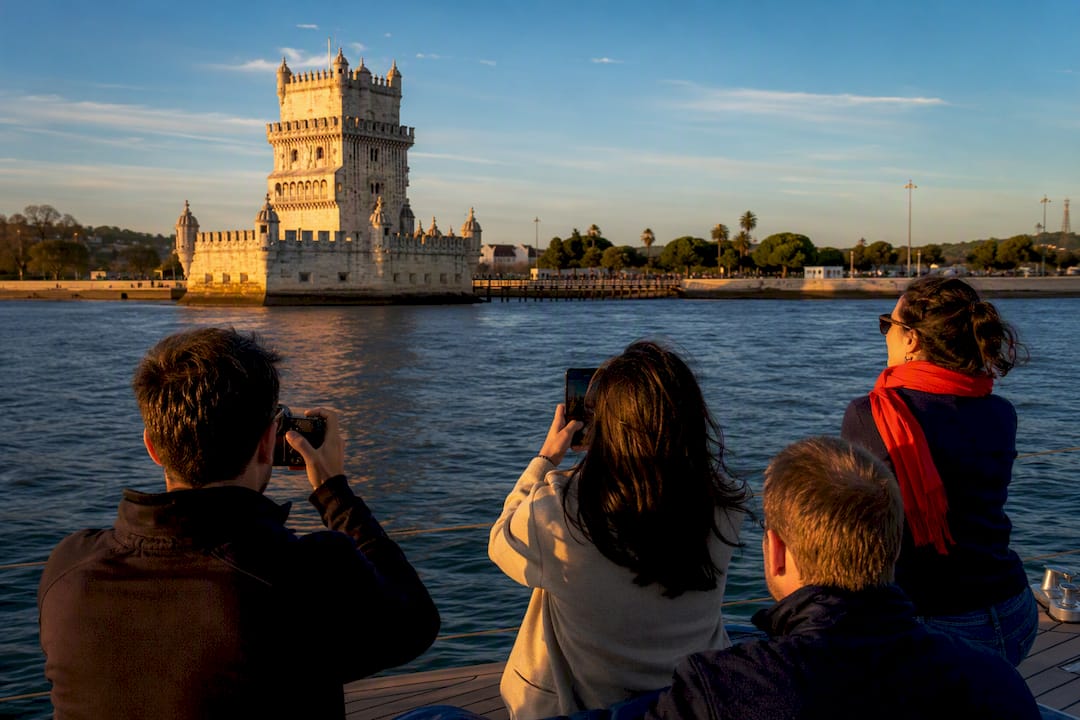
The best views of Lisbon come from the Tagus River, not the sidewalk: Belém Tower, the Monument to the Discoveries, MAAT, Praça do Comércio, and Ponte 25 de Abril all line the riverfront and look different, and better, from a boat deck. For a first visit, a short sightseeing cruise covers the highlights efficiently; for groups, celebrations, or corporate outings, a private yacht or catamaran charter gives you the same views with more room and flexibility. Lisbonbyboat runs both, with daily 2-hour sailing tours and private cruises that scale up to a full day.
TL;DR:
Viewpoints like Belém Tower and the Monument to the Discoveries are best appreciated from the water, especially at sunset or late afternoon for optimal lighting.
Lateral approaches to key landmarks from a boat reveal more depth and detail than land-based views, and slowing down near these spots enhances photo opportunities.
Short sightseeing cruises are economical and suitable for small groups seeking highlights, while private yachts and catamarans offer customizable routes and larger space for events.
Booking in advance is essential for sunset sails, private charters, or during peak summer months, with considerations for accessibility, weather policies, and catering needs.
The calm waters of the Tagus provide a safe, accessible alternative to open ocean surfing, which requires checking local conditions, safety regulations, and skill level appropriateness.
Table of Contents
Which tour type fits your group: sightseeing cruise, private yacht, catamaran, or sunset sail
Planning and booking checklist for tourists, groups, and event planners
Best time of day and season to sail for clear views and great photos
What to expect on board: amenities, commentary, accessibility, and photography tips
Overview of surfing conditions in Lisbon (wave types, swell direction, tides)
Best coastal viewpoints and landmarks to see from the water
Lisbon’s riverfront monuments were built to be seen approaching by ship, and that’s still the angle that does them justice. A cruise on the Tagus puts every major landmark in a single sightline, one you simply cannot get from a bridge overlook or a tour bus window.
Belém Tower sits low against the water, and that’s exactly what makes it work as a photo subject. From the street it’s easy to walk past without noticing the detail in the stonework; from a boat, the tower catches the late afternoon light and throws long shadows across the river, especially an hour or two before sunset.
Monument to the Discoveries reads as a flat wall from most land angles. Approach it from the water on a lateral line, moving parallel to the shore rather than straight at it, and the sail shape and the row of statues stacked along the bow suddenly have depth. Ask your skipper to slow down here; most do without being asked.
MAAT and the newer riverside museums give the trip its contrast. The wavy white roofline sits a few hundred meters from 500-year-old fortifications, and having both in the same panorama is something you only get from mid-river.
Praça do Comércio opens up as a full harbor scene once you’re on the water. The yellow arch, the arcaded square, and the hills of Lisbon behind it form a wide panorama that’s nearly impossible to frame properly from land.
Ponte 25 de Abril delivers the dramatic shot. Whether you’re approaching it or sailing back underneath after passing beneath, the suspension cables and the rust red steel fill the frame in a way no bridge photo from the shore ever manages.
Between these anchor points, boats typically glide past the Alcântara waterfront and the pastel-fronted buildings of Belém and Ajuda, and skippers usually slow near the tower, the monument, and the bridge, the three spots that consistently draw the most camera phones.
Belém Tower: best light in late afternoon, low approach angle
Monument to the Discoveries: best from a lateral pass, not head-on
MAAT: modern architecture contrast, good any time of day
Praça do Comércio: wide panorama, best from mid-river distance
Ponte 25 de Abril: dramatic scale shot on approach or departure
Pro Tip: Sit on the side of the boat facing the shore during the outbound leg, then switch sides for the return. You get different landmarks in frame each way instead of shooting the same angle twice.
Which tour type fits your group: sightseeing cruise, private yacht, catamaran, or sunset sail
The right boat depends less on what you want to see and more on who’s coming with you. Here’s how the formats break down.
Sightseeing cruises run shorter, often 45 to 120 minutes, with a fixed route and live or recorded commentary walking you through the landmarks. They’re the most economical option and work well for solo travelers, couples, and small groups who just want the highlights without committing to a full charter.
Private yachts hand you the schedule. You choose the route, the pace, and often the stops, which makes them a natural fit for corporate events, proposals, anniversaries, or any group that wants the boat to itself rather than sharing it with strangers.
Catamarans offer a wider, more stable deck, which matters when you’ve got a dozen or more guests who want to move around, stand at the rail, and mingle rather than stay seated. Social events and larger celebrations tend to work better on a catamaran than a narrower yacht.
Sunset sails are the pick for photographers and romantic occasions, but they’re also the most requested slot on the calendar. Book earlier than you think you need to, and expect a modestly higher price than a midday cruise.
Sightseeing cruise: short, affordable, structured commentary
Private yacht: flexible schedule, exclusivity, best for events
Catamaran: stable deck, better for larger or standing groups
Sunset sail: premium lighting, book well ahead
If accessibility matters for your group, ask about boarding height and onboard capacity before you book. Not every vessel handles wheelchairs or limited mobility the same way, and it’s a five-minute question that saves a headache on the day.
Planning and booking checklist for tourists, groups, and event planners
Booking a boat is simple once you know the order of decisions. Most planning mistakes come from skipping a step, not from picking the wrong vessel.
Decide your objective first. Sightseeing, a photo shoot, a celebration, and a corporate event all point toward different vessel sizes and layouts.
Count your guests. Vessel capacity should match the group with room to spare, not fit it exactly.
Book early for high season and sunset slots. Private charters often need days to weeks of lead time between June and September, and sunset departures fill first.
Set a budget range. A 2-hour sightseeing tour costs far less than a half-day or full-day private charter, and the private option usually bundles crew and basic refreshments into the price.
Confirm logistics: boarding location, how guests will reach the dock, and what time to arrive before departure.
Ask about the weather policy and cancellation terms before you pay a deposit.
A few extra things worth locking down for group and corporate bookings:
Confirm whether catering or drinks are included or need to be added separately.
Ask about a backup plan for wind or rain, some operators offer rescheduling rather than a straight cancellation.
Get the safety briefing details in advance if you’re managing a large group or minors on board.
Best time of day and season to sail for clear views and great photos
Sunset is the standout choice for atmosphere. The light warms the stone on Belém Tower and the Monument to the Discoveries, and the water usually calms down as the afternoon wind eases, a combination that makes golden hour the most requested slot on most operators’ schedules.
If sunset is booked out, mid-afternoon is the next best window. Early mornings on the Tagus can carry a thin river fog that softens the skyline, while afternoons are typically clearer once that burns off.
Season matters too. Summer gives you long daylight and generally calmer water, which is useful if you’re trying to fit a longer private charter into an evening. Shoulder season, spring and early fall, brings fewer crowds and often similar weather, and it’s worth checking a seasonal sailing guide before locking in a date.
Sunset: best light, book early, highest demand
Mid-afternoon: reliable visibility, less fog than morning
Summer: long days, calmer water
Shoulder season: fewer crowds, comparable conditions
Wind and tide can still shift comfort levels day to day, so it’s worth asking your operator about the local pattern before you commit to a specific date.
What to expect on board: amenities, commentary, accessibility, and photography tips
Most river cruises keep it simple: covered seating, an open deck section, a restroom, and usually a small bar or light snacks on board. If you need special catering for a group or event, ask when you book rather than the day of.
Commentary style varies by operator. Some run live guides narrating landmarks in real time, others use a recorded audio app. If hearing the history matters to you, confirm which format you’re getting.
Accessibility varies by vessel, so ask about boarding height and available assistance ahead of time rather than at the dock.
Sun protection and a light layer for the water breeze
Phone or camera with a fast shutter for moving shots
Motion sickness remedy if you’re prone to it, even short trips can bring mild swell
Pro Tip: Keep your phone on a wrist strap or in a zipped pocket near the rail. Boats rock more than you expect the moment you lean out for a shot.
Overview of surfing conditions in Lisbon (wave types, swell direction, tides)
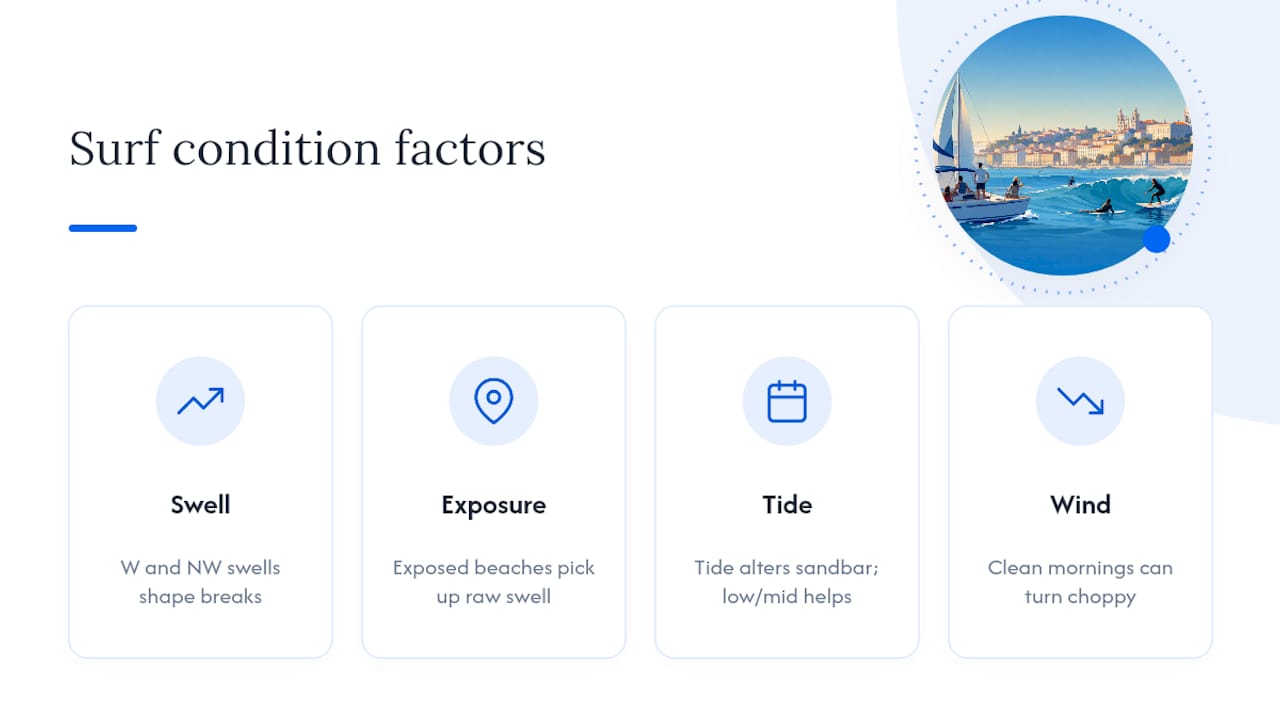
The stretch of Atlantic coast around Lisbon sees a mix of beach breaks shaped by west and northwest swells, with wave size and shape changing noticeably depending on tide and wind direction. Exposed beaches pick up more raw swell energy, while more sheltered stretches of coastline break the same swell down into smaller, gentler waves. Tides shift the character of a break through the day, often making a spot work better at low or mid tide depending on the sandbar underneath it, and local wind patterns can turn a clean morning session choppy by early afternoon.
This variability is part of why the coastline near Lisbon supports such a range of conditions within a short drive of each other. A wave that’s too heavy for a beginner at one beach might have a smaller, friendlier counterpart twenty minutes away, and that range is one reason the region draws surfers of every level rather than just one type of rider. None of these conditions apply to the sightseeing routes covered earlier in this guide. The rivers and coastal waters used for Tagus cruises are calm, sheltered stretches chosen specifically for comfortable sightseeing, not wave-riding.
Anyone planning a surf session separately from a boat tour should check local forecasts close to the day, since swell direction and wind can change the rideable window with little notice.
Description of top surfing beaches around Lisbon
Carcavelos sits closest to the city and is often the default choice for visitors staying in central Lisbon. It’s a wide, sandy beach break that handles a range of swell sizes, which is part of why it draws such a mixed crowd of surfers on any given day.
Guincho, out toward Cascais, is a different animal entirely. It’s more exposed to open ocean swell and wind, which tends to produce more powerful, faster-breaking waves than the more sheltered spots closer to the city.
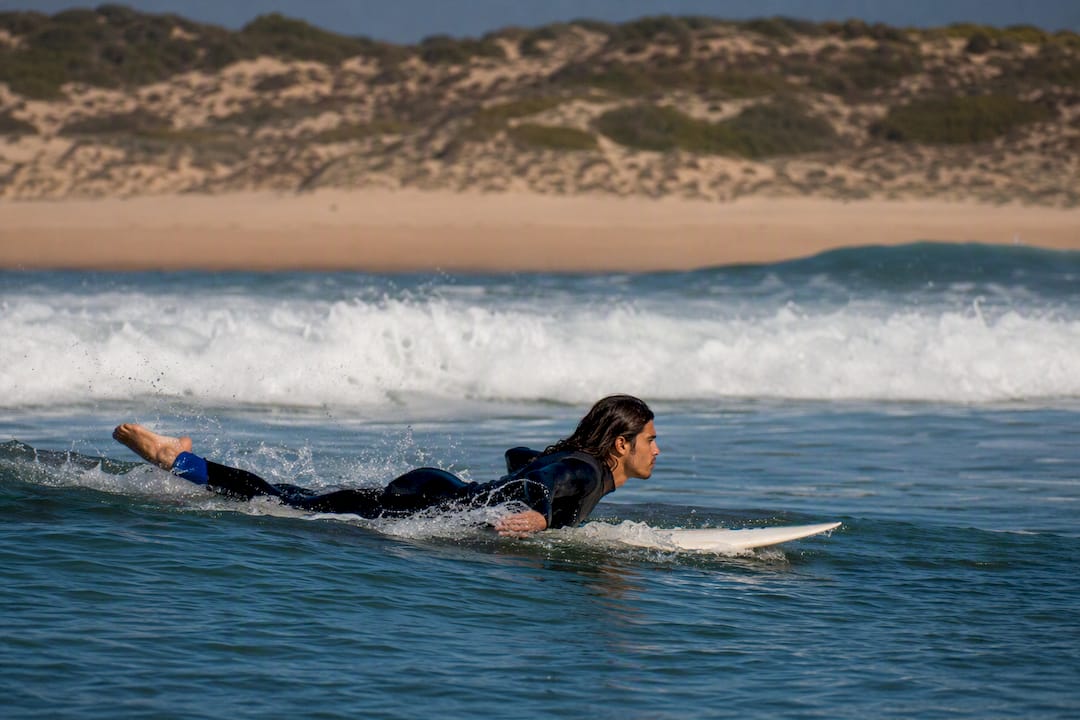
Costa da Caparica, across the river to the south, stretches for kilometers and offers multiple distinct breaks along its length. That length is an advantage: different sections of the same beach can be working well even when conditions elsewhere are inconsistent.
Each of these beaches has its own character shaped by exposure, sand movement, and local wind patterns, and conditions can change from one week to the next. None of them are accessible from the sightseeing cruises described earlier in this guide. If you want to pair a beach day with your Lisbon trip, a curated list of nearby beaches is a useful starting point for planning that separately from a boat tour.
Skill level recommendations for each surf spot
Matching skill level to location matters more in this region than in most, since the beaches sit close together but behave very differently.
Carcavelos generally suits beginners and intermediates best, thanks to its wide sandbanks and more forgiving wave shape on smaller days. It’s also the spot most surf schools default to for lessons, simply because it’s easier to get a consistent, teachable wave there.
Guincho tends to favor intermediate and advanced surfers. The exposure to open swell and wind means conditions can turn powerful quickly, and a rider without solid paddling strength and wave judgment can get overwhelmed fast.
Costa da Caparica splits the difference because it’s long enough to offer something for nearly every level. Certain stretches stay mellow enough for beginners, while others further along pick up enough size and punch to challenge experienced surfers.
The general rule holds across the region: check conditions on the specific day rather than assuming a beach’s reputation applies every time you show up. A beginner-friendly spot can turn advanced on a big swell day, and the reverse happens too.
Local surf schools or rental shops information
Surf schools and board rental shops cluster around the more established beaches, particularly Carcavelos, where the combination of easy access and beginner-friendly waves supports a steady stream of lesson bookings. Most schools offer everything from single lessons to multi-day courses, and board and wetsuit rental is typically available separately for anyone who already knows how to surf and just needs gear.
Guincho and Costa da Caparica also have rental and instruction options, though the selection tends to be smaller than at Carcavelos given the more demanding conditions at each. Anyone new to the sport is generally better served booking a lesson at a beginner-friendly beach first, then renting gear independently once they’ve got the basics down.
Availability shifts with the season, and lesson slots can book up quickly during peak summer weeks, so reaching out a few days ahead is worth doing if you have a specific date in mind. None of this rental or lesson activity connects to the sightseeing cruises covered earlier in this guide. If a surf lesson is on your Lisbon itinerary alongside a boat tour, treat them as two separate bookings with two separate operators.
Safety tips and local regulations for surfing in Lisbon
Surfing conditions along this coastline can shift quickly, and a few practical habits go a long way toward staying safe. Always check the day’s forecast and talk to a local surf school or lifeguard before heading out if you’re unfamiliar with a specific beach, since sandbars and rip currents change over time and aren’t always visible from the shore.
Flags posted at patrolled beaches indicate current safety conditions, and swimming or surfing outside flagged and patrolled areas carries real risk, especially at more exposed spots. Respecting other surfers in the water matters too: right-of-way etiquette exists for a reason, and crowded lineups at popular beaches can get tense without it.
Anyone renting gear or booking a lesson should confirm the operator carries appropriate safety equipment and, ideally, some form of insurance coverage. Weather and swell can turn a manageable day into a dangerous one faster than expected, particularly at more exposed beaches, so it’s worth erring on the side of caution rather than pushing into conditions beyond your skill level.
None of these safety considerations apply to the calm-water sightseeing cruises described earlier in this article, those trips run on sheltered stretches of the Tagus chosen specifically to avoid open-ocean conditions.
Why Lisbonbyboat recommends these viewpoints and formats
We run daily 2-hour sailing tours along Lisbon’s historical coastline, plus private cruises on yachts and catamarans that scale from two hours to a full day, so the routes above aren’t guesswork. We favor the lateral pass on the Monument to the Discoveries and the slow approach to Belém Tower because those angles consistently produce the best photos, not because they’re the shortest line on the map.
Choosing the vessel early, yacht or catamaran, before locking in guest count and catering saves planners the most time, since capacity, safety briefings, and onboard flow differ meaningfully between the two.
— Lisbon
Book a Tagus sightseeing cruise or private charter
Lisbonbyboat gives you the landmark views this guide just walked through without the planning work: pick a date, and we handle the route, the commentary, and the boat.
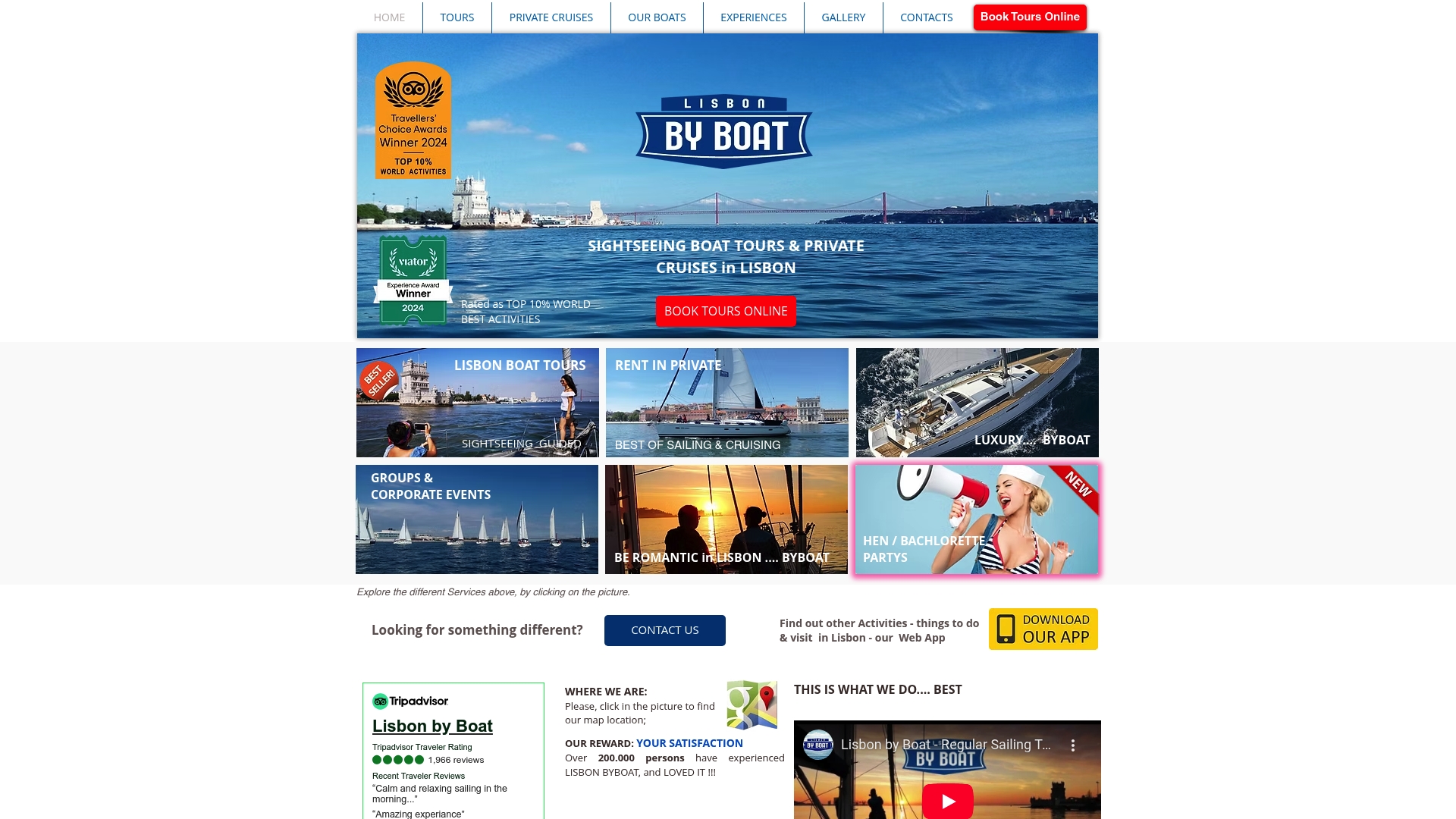
Booking is straightforward. Check available dates, choose between a daily 2-hour sightseeing tour or a private yacht or catamaran charter, confirm your guest count, and add catering if your group needs it. Private charters give event planners and larger groups full control over the route and schedule, something a shared sightseeing slot can’t offer, while the 2-hour tours cover the same landmark highlights at a lower cost for individuals and small groups. Reach out to check sunset availability for your dates, that slot fills fastest, and get your group or event locked into the calendar before the season books up.
Sources
Recommended
Comments