

Lisbon Lighthouses: 8 Iconic Coastal Beacons & History
- lisbonbyboat
- Apr 25
- 8 min read
TL;DR:
Lisbon’s coastline features diverse lighthouses with unique histories, roles, and visitor experiences.
Technology advancements transformed lighthouse operation from manual keepers to automated, high-tech systems.
Eyewitnessing lighthouses from water offers unmatched perspectives and insight into their historical significance.
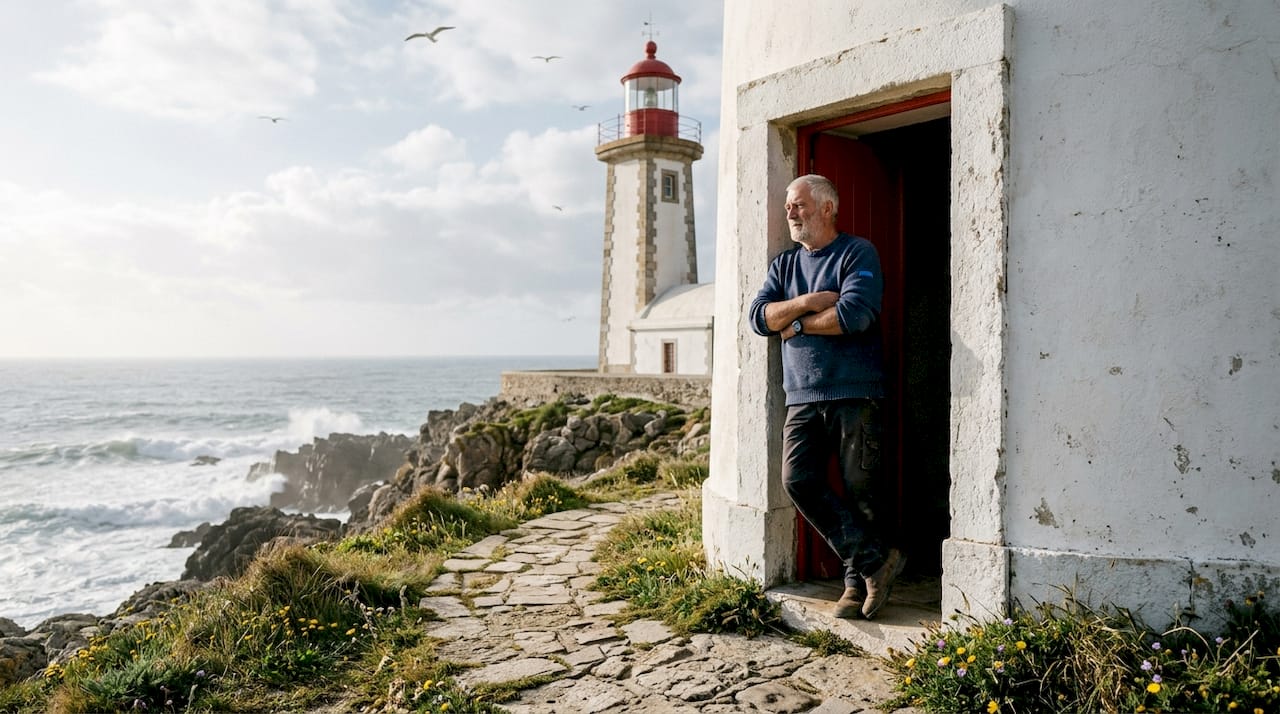
Most visitors to Lisbon snap a photo of the Belém Tower and move on, assuming every lighthouse along this coastline tells the same story. They don’t. The lighthouses along the Lisbon coastline include Farol do Bugio, Farol da Torre de Belém, Farol de Santa Marta, Farol da Guia, Farol do Cabo da Roca, Cabo Raso, Esteiro, and Gibalta, each with a completely different role, origin, and visitor experience. Some protected empire-building explorers. Others blocked enemy warships. One sits on a fortress island you can only reach by boat or helicopter. This guide gives you the full picture.
Table of Contents
Key Takeaways
Point | Details |
Multiple unique lighthouses | Lisbon’s coastline features several distinct lighthouses, each with its own story and role. |
Some sites are accessible | Santa Marta and Belém Tower can be visited, while others like Bugio are only seen from afar. |
Automation history matters | Lisbon’s lighthouses reflect a journey from hands-on keepers to advanced automated navigation. |
Boat tours reveal highlights | The best panoramic views and photo opportunities are often from water-based tours. |
Lighthouses link past and present | These beacons aren’t just picturesque—they are symbols of Lisbon’s maritime heritage and identity. |
Lisbon’s lighthouse map: From Tagus estuary to Atlantic shore
Lisbon’s coastline sits at a dramatic crossroads between the Tagus River estuary and the open Atlantic Ocean. That geography alone explains why so many lighthouses ended up here. Each beacon was placed deliberately, not randomly, to solve a specific navigation problem.
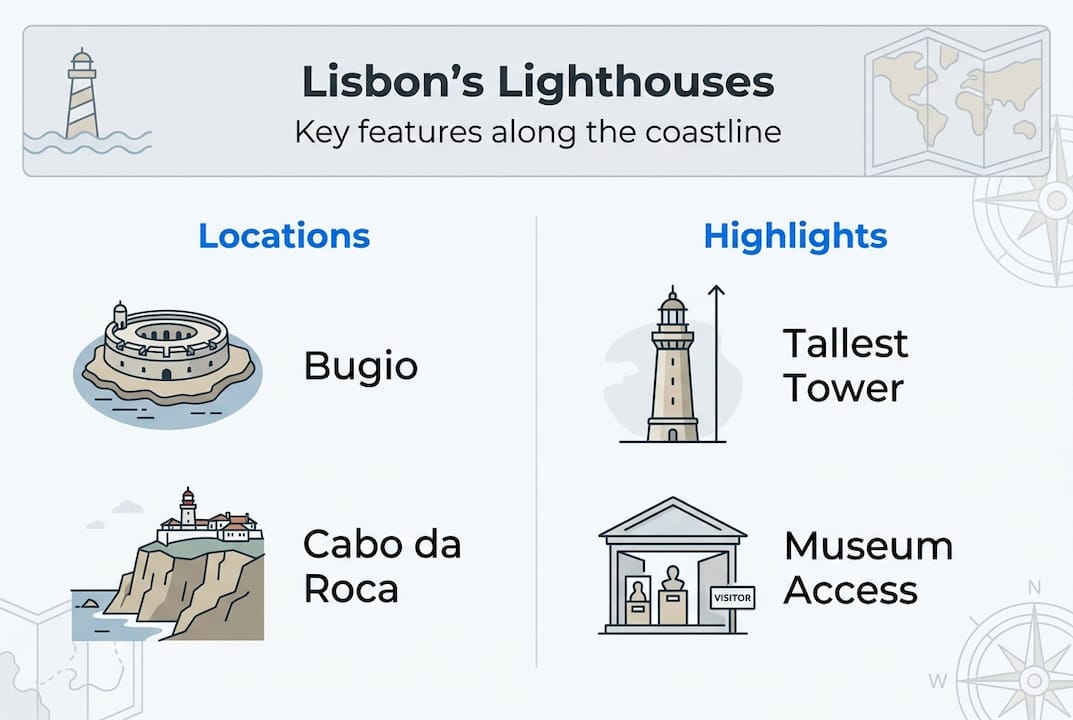
The main lighthouses along the Tagus estuary and Lisbon coastline stretch from the river’s mouth all the way to the cliffs at Europe’s far western edge. Some guard shipping lanes. Others mark dangerous rocky outcrops. A few have been converted into museums. Here’s a quick-reference comparison to help you plan:
Lighthouse | Location | Height | Publicly Accessible | Unique Feature |
Farol do Bugio | Tagus mouth, island | 28m | No (boat view only) | Fortress base, remote island |
Farol de Santa Marta | Cascais | 22m | Yes (museum) | Interactive maritime museum |
Farol do Cabo da Roca | Sintra coast | 22m | View only | Europe’s westernmost point |
Farol da Guia | Cascais | 28m | Exterior only | Oldest electric light in Portugal |
Farol da Torre de Belém | Belém, Lisbon | Built-in | Yes (UNESCO site) | Medieval tower with lighthouse |
Cabo Raso | Cascais coast | 13m | Exterior only | Low, rugged cliff setting |
A few things stand out immediately. Bugio is in a league of its own. It sits on a tiny sandbar island at the Tagus entrance and you simply cannot walk up to it. The only way to see it up close is from the water. That makes Lisbon boat tour options the most practical choice for getting a real look at this beacon.
On the other end of the spectrum, Santa Marta in Cascais welcomes visitors inside and even runs a dedicated lighthouse museum. Cabo da Roca, meanwhile, sits at the westernmost point of continental Europe, making it one of the most dramatic lighthouse settings you’ll find anywhere on the planet.
Here’s what sets these lighthouses apart at a glance:
Bugio: Fortress island, accessible only by boat or helicopter
Cabo da Roca: Highest navigational range at 26 nautical miles
Santa Marta: Best for an interactive museum visit
Torre de Belém: UNESCO World Heritage Site with built-in lighthouse function
Farol da Guia: First Portuguese lighthouse to use electric light
Understanding Lisbon’s maritime history makes each of these locations feel dramatically more meaningful when you’re standing in front of them.
Bugio, Cabo da Roca, and more: Unique stories of Lisbon’s iconic lighthouses
Every lighthouse on this coast has earned its place through centuries of drama, engineering, and sometimes disaster. Here’s what makes each one worth your attention.
Farol do Bugio is the one that surprises people most. Built on the Forte de São Lourenço do Bugio after the catastrophic 1755 earthquake, it was designed to guard the entrance to the Tagus. Today it is fully automated, accessible only by boat or helicopter, and flashes a green light every five seconds with a range of roughly 15 nautical miles. There are no tourist facilities. No dock. No ferry schedule. Just a lonely tower rising from a fortified island that has stood watch over Lisbon’s river mouth for centuries.
Farol do Cabo da Roca carries an equally powerful story. Operational since 1772, it was Portugal’s first purpose-built lighthouse, sitting 22 meters tall at the edge of cliffs that plunge into the Atlantic. It produces four white flashes every 18 seconds and reaches ships up to 26 nautical miles away. Automation arrived in 1990, ending the keeper era. Today, the scenery alone is worth the trip.
“Standing at Cabo da Roca, you realize this lighthouse didn’t just guide ships. It marked the edge of the known world for every explorer who sailed west from here.”
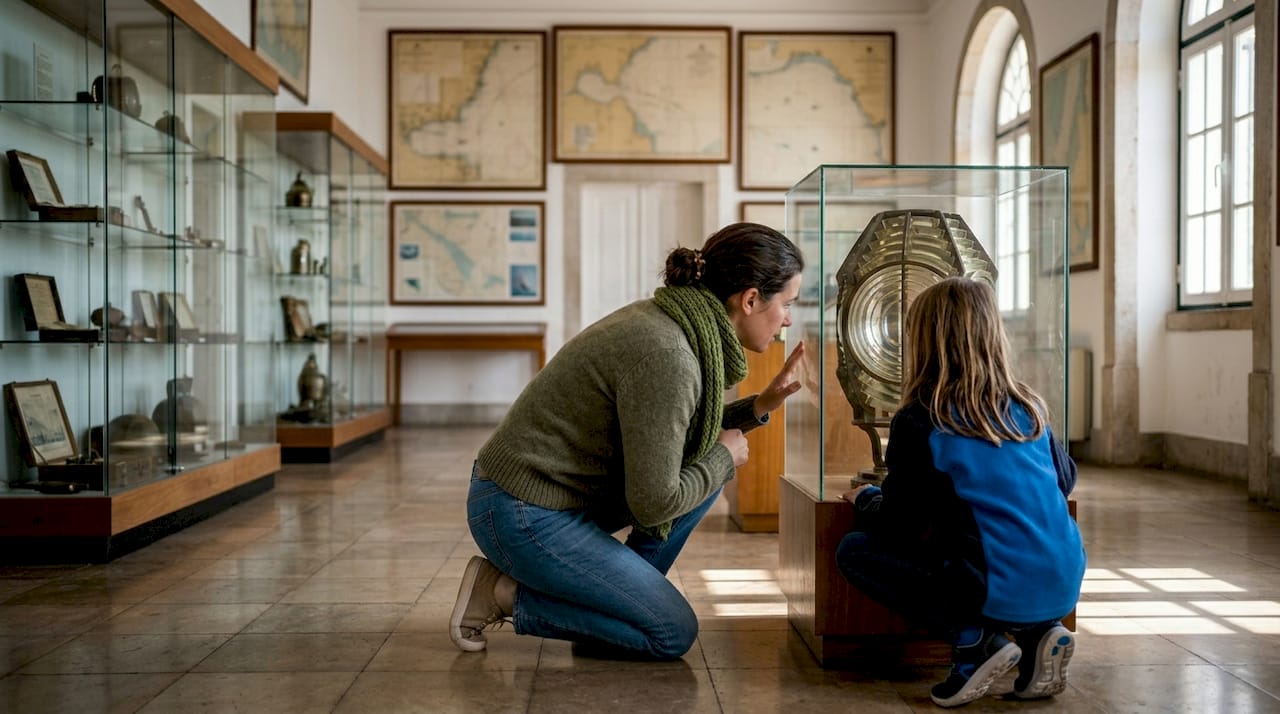
Farol de Santa Marta in Cascais is the friendliest option for hands-on visitors. The lighthouse museum covers Lisbon’s coast monuments and maritime heritage with exhibits on lighthouse technology, keeper life, and local naval history. It’s open Tuesday through Sunday.
Torre de Belém needs almost no introduction, but its lighthouse function often goes unnoticed. The tower served as both a defensive fortification and a navigation marker at the Tagus entrance. Today it’s a UNESCO World Heritage Site and one of the most photographed structures in Portugal.
Pro Tip: For the best photo of Bugio, book a morning boat trip when the light is soft and the tower reflects off calm water. Sightseeing cruises for lighthouse views pass within excellent camera range.
For architecture fans, Cabo da Roca in detail breaks down the tower’s design and original construction methods.
How Lisbon’s lighthouses work: Technology, evolution, and the keeper’s legacy
Most people assume someone still lives inside these towers, trimming wicks and watching the horizon. That era ended decades ago. The technology story behind Lisbon’s lighthouses is actually one of the most fascinating parts of their history.
Here’s how the technology evolved:
Open flame era: Early lighthouses burned wood, then coal, then olive oil in Argand lamps, which used a cylindrical wick to produce a much brighter, steadier flame than any candle
Fresnel lens revolution: Invented in 1822 by French physicist Augustin-Jean Fresnel, these stepped glass lenses focused light into a powerful beam without wasting energy in all directions
Rotating optics: Clockwork mechanisms, often driven by weights like a grandfather clock, rotated the lens to create the distinctive flash patterns each lighthouse uses as its signature
Electric conversion: Farol da Guia in Cascais became Portugal’s first electrically lit lighthouse, setting the standard for what followed
Modern automation: Today’s beacons run on electric metal halide bulbs with remote monitoring systems. Fog signals, storm sensors, and GPS integration handle what lighthouse keepers once did manually
The evolution from oil to automation wasn’t just a technical upgrade. It fundamentally changed who was responsible for maritime safety along this coast. Portugal’s navy has managed lighthouse operations since 1892, and that institutional responsibility continues today through the Direcção de Faróis.
Pro Tip: If you’re interested in seeing lighthouse optics up close, the Santa Marta museum in Cascais displays original Fresnel lenses from decommissioned Portuguese lighthouses. You won’t find that level of detail anywhere else in the region.
Fog signals are another underrated piece of the puzzle. When Atlantic fog rolls in and a lighthouse’s visual signal becomes useless, these acoustic systems keep ships safe. Cabo da Roca, exposed directly to ocean weather, experiences some of the most dramatic conditions of any lighthouse on this coast. Boat tours to see lighthouses give you an immediate sense of just how powerful that ocean exposure feels from the water.
Visiting Lisbon’s lighthouses: Access tips & top photo moments
Planning a lighthouse itinerary around Lisbon takes a little strategy. Not every beacon is open to visitors, and the best experience at each depends heavily on timing, transportation, and what you want out of the visit.
Here’s a practical numbered guide to visiting the key lighthouses:
Farol de Santa Marta (Cascais): Take the train from Lisbon’s Cais do Sodré station to Cascais. The museum is open Tuesday through Sunday. Budget 60 to 90 minutes. This is the most visitor-friendly lighthouse experience in the region.
Farol do Cabo da Roca: Reach it by bus 403 from Sintra or Cascais. No interior access, but the cliffside views are extraordinary. Go in the late afternoon for golden hour light on the tower.
Torre de Belém: Walk from central Lisbon or take a tram. As a UNESCO World Heritage Site, it attracts large crowds. Arrive before 10am to avoid lines.
Farol do Bugio: Only viewable from the water. A boat tour along the Tagus takes you past the fortress island at close range. This is genuinely the only option, and it’s a spectacular one.
Farol da Guia: Located near Cascais. No museum, but the exterior and surrounding gardens make for a pleasant walk. Combine with a visit to Santa Marta on the same day.
For photography, the biggest factor is direction of light. Bugio faces southwest, so afternoon sun catches the tower face perfectly. Cabo da Roca sits above west-facing cliffs, making sunset visits visually dramatic but crowded. Santa Marta’s red-striped tower photographs beautifully in morning light.
Tourists can view Bugio only from shore or boat, since it has no public landing. Most automated lighthouses along this coast have no keeper presence at all, so don’t expect guided access.
Pro Tip: Combine your lighthouse itinerary with unique Lisbon experiences by pairing a morning boat tour past Bugio with an afternoon visit to Santa Marta in Cascais. You’ll cover remote and accessible lighthouses in a single day.
Why Lisbon’s lighthouses matter beyond sightseeing
Most travel guides treat lighthouses as scenic backdrops, something to photograph and move on from. We think that fundamentally misses what these structures represent.
Each lighthouse along this coast is a physical record of how Lisbon survived, expanded, and stayed connected to the rest of the world. Bugio wasn’t built to look dramatic in photos. It was built because ships were dying at the Tagus entrance. These towers are vital symbols from the Age of Discoveries and the defense of the Tagus, not decorative additions to a coastline.
Here’s what strikes us after years of sailing past these beacons: most visitors walk away remembering the view without registering that the light still flashes every single night. These aren’t preserved ruins. They’re active navigation infrastructure guarding some of the busiest Atlantic shipping lanes in Europe.
When you see Bugio from the water, you’re looking at the same fortress that watched Vasco da Gama’s fleet return from India. That continuity matters. Explore Lisbon cultural experiences with that layer of understanding and the whole coastline takes on a completely different meaning.
Experience Lisbon’s lighthouses up close on the water
Seeing Lisbon’s lighthouses from shore is one thing. Seeing them from the deck of a sailing yacht, with the Atlantic opening up behind you and the Tagus estuary spreading out ahead, is something else entirely.
At Lisbon by Boat, our daily 2-hour sailing tours take you along the historical coastline past iconic beacons like Bugio, with guides explaining what you’re actually looking at. For a longer experience, our private yacht tours and catamarans let you customize your route and spend real time near the lighthouses that matter most to you. If you want the full day on the water, charter a yacht in Lisbon and make the coastline yours.
Frequently asked questions
Which Lisbon lighthouse is the oldest and most historic?
Farol do Cabo da Roca, operational since 1772, is Portugal’s oldest purpose-built lighthouse and marks the westernmost point of continental Europe, giving it a historical and geographic significance that no other lighthouse on this coast can match.
Can you visit every lighthouse in Lisbon?
Not all of them. Santa Marta and Torre de Belém are open to the public, while Bugio is accessible only by boat or helicopter, with no public landing available for regular visits.
How were Lisbon’s lighthouses traditionally powered?
They originally burned olive oil in Argand lamps before progressing to Fresnel lens systems and eventually electric automated technology, which replaced human keepers entirely at most Portuguese lighthouses.
What is the best way to see Lisbon’s coastal lighthouses?
Boat tours along the Tagus and Atlantic coastline give you panoramic views of lighthouses like Bugio that are simply impossible to reach any other way, along with unique photo angles unavailable from land.
Recommended
Comments