

Experience the magic of fado music in Lisbon: 4 venues
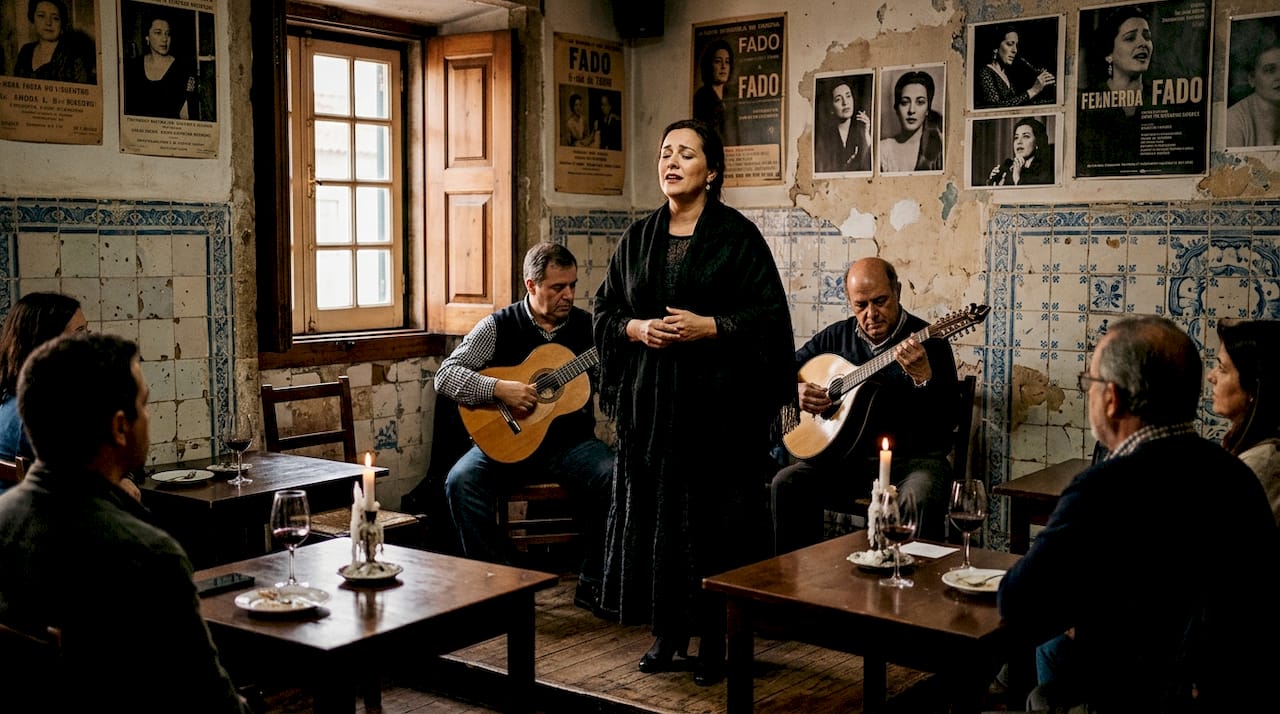
Many tourists visit Lisbon seeking authentic fado but end up in overpriced tourist traps that dilute the art form’s raw emotional power. Understanding fado’s roots in working-class neighborhoods and knowing where to find genuine performances transforms a generic night out into a profound cultural encounter. This guide reveals fado’s history, performance etiquette, top authentic venues, and how pairing evening fado with daytime sailing tours along Lisbon’s historic coastline creates the ultimate cultural immersion. You’ll learn to distinguish real fado houses from tourist traps and experience this UNESCO-recognized tradition the way locals do.
Table of Contents
Key Takeaways
Point | Details |
Origins in Alfama Mouraria | Fado originated in Lisbon’s Alfama and Mouraria, reflecting working class life and blending Afro Brazilian rhythms with Portuguese musical traditions. |
UNESCO recognition | UNESCO inscribed fado as Intangible Cultural Heritage in 2011, highlighting its cultural significance to Portugal. |
Fado etiquette basics | Audience silence during songs is mandatory and conversations should stop as the fadista takes the stage. |
Fado and sailing | Pair a night of traditional fado with a daytime sailing tour along Lisbon’s coastline to deepen cultural immersion. |
The origin and history of fado music in Lisbon
Fado originated in Lisbon’s working-class neighborhoods like Alfama and Mouraria in the early 19th century, blending Afro-Brazilian rhythms with rural Portuguese melodies and urban influences. Sailors, dock workers, and residents of these tight-knit districts sang about longing, fate, and daily struggles. The music’s name likely derives from the Latin word “fatum” meaning fate or destiny.
Fado’s evolution reflects Lisbon’s maritime history and multicultural exchanges. African-Brazilian rhythms arrived through Portugal’s colonial connections, merging with traditional Portuguese guitar styles and poetic traditions. This fusion created a unique sound characterized by melancholic vocals accompanied by the Portuguese guitarra (a twelve-string pear-shaped instrument) and classical guitar.
The core themes of fado revolve around saudade, an untranslatable Portuguese word expressing deep longing and nostalgia. Fadistas sing about:
Lost love and unrequited romance
The sea and sailors’ departures
Life in Lisbon’s narrow streets and neighborhoods
Fate’s cruel twists and acceptance of destiny
Memories of better times and departed loved ones
By the early 20th century, fado had spread beyond working-class taverns into middle-class casas de fado (fado houses). The art form gained international recognition when UNESCO inscribed it as Intangible Cultural Heritage in 2011, acknowledging its cultural significance to Portuguese identity. Understanding this historical context enriches your appreciation when attending modern performances, as today’s fadistas carry forward traditions rooted in 200 years of Lisbon’s social and maritime history. Exploring Lisbon local traditions explained provides additional cultural background that enhances your visit.
Now that you know where fado comes from, let’s explore what attending a traditional fado show looks like so you can fully appreciate the experience.
Experiencing a traditional fado performance: what to expect and etiquette
Traditional performances include a solo fadista accompanied by acoustic guitar and Portuguese guitarra, creating an intimate atmosphere where audience silence during songs is mandatory. The fadista typically performs 6-9 songs per set, with meal courses served between sets to maintain a relaxed dinner-show format. Most fado houses operate on a combined pricing model where roughly 60% covers dinner and 40% covers the performance.
The evening unfolds in a specific rhythm. Shows typically begin around 8:30 pm, with guests arriving earlier for dinner service. When the fadista takes the stage, all conversation must stop immediately. Even whispers or clinking glasses disrupt the performance and show disrespect to the art form. This silence allows the raw emotion and vocal nuances to fill the intimate space.
Essential etiquette rules for fado performances:
Arrive 15-30 minutes early to secure better seating and order dinner before the first set
Silence your phone completely and avoid any photography with flash during performances
Hold all conversation, eating, and drinking until the fadista finishes their set
Applaud enthusiastically only after the fadista completes their final note
Remain seated and quiet if you need to leave, waiting for breaks between sets
Wear smart-casual attire as fado houses maintain a respectful atmosphere
Shows usually run until midnight or later, with multiple fadistas and musicians rotating throughout the evening. The intimate venues seat 40-80 guests, creating close proximity to performers. You’ll witness the fadista’s facial expressions and emotional intensity up close, making the mandatory silence even more crucial to the experience.
Pro Tip: Wear comfortable shoes with good grip for navigating Alfama’s steep cobblestone streets after the show, especially if you’ve enjoyed wine with dinner. The narrow alleys can be challenging in darkness, and many fado houses sit on hillside locations.
With the performance etiquette clear, you’re ready to choose where to enjoy fado. Let’s review the top authentic fado venues in Lisbon perfect for tourists following 7 essential tips for experiencing Lisbon fado shows.
Top authentic fado venues in Lisbon for tourists
Authentic fado houses include Clube de Fado, Adega Machado, Sr. Fado, and Fado ao Carmo, where costs range €50-€100 per person including dinner and show. Each venue offers distinct atmospheres while maintaining traditional performance standards, allowing you to choose based on neighborhood preference and ambiance.
Venue | Location | Established | Atmosphere | Price Range |
Clube de Fado | Alfama | 1990s | Historic arches, traditional | €65-€85 |
Adega Machado | Bairro Alto | 1937 | Classic tavern, established | €60-€90 |
Sr. Fado | Alfama | Family-run | Intimate, personal | €55-€75 |
Fado ao Carmo | Chiado | Modern | Contemporary Portuguese cuisine | €70-€100 |
Clube de Fado operates in a stunning medieval building with stone arches in Alfama’s heart. The venue attracts serious fado enthusiasts and maintains high performance standards with professional fadistas. Reservations are essential, especially during peak tourist season from May through September.
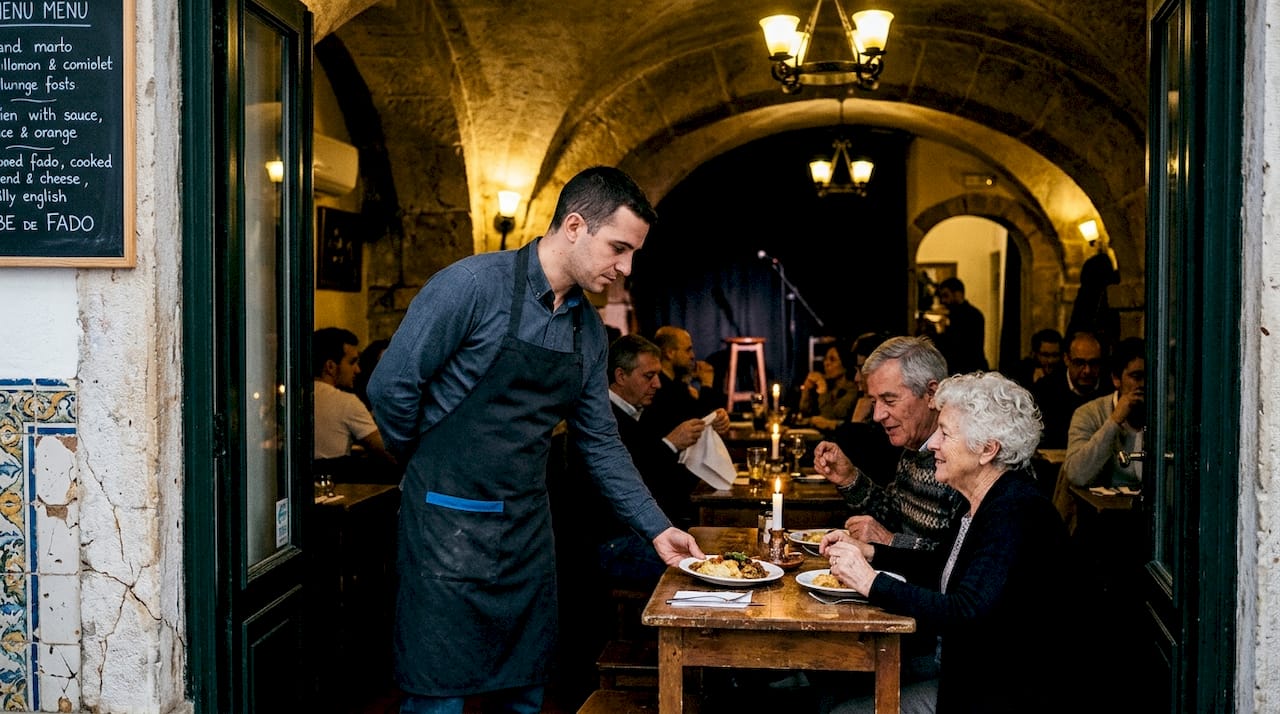
Adega Machado represents Lisbon’s oldest continuously operating fado house, serving traditional Portuguese cuisine alongside nightly performances. Located in Bairro Alto, it offers easier access than hillside Alfama venues. The restaurant’s longevity speaks to consistent quality and authentic atmosphere.
Sr. Fado provides a family-run alternative where intimacy and personal connection take priority. The smaller space creates intense emotional proximity to performers, though limited seating means booking weeks in advance during summer months.
Fado ao Carmo blends tradition with contemporary Portuguese gastronomy in the upscale Chiado district. The venue attracts younger fadistas experimenting with modern interpretations while respecting core traditions, offering a glimpse into fado’s evolution.
Avoid these common tourist traps:
Street touts in Alfama offering “authentic fado tonight” at inflated prices
Venues advertising fado on outdoor sandwich boards in heavily touristed areas
Restaurants where fado feels like background music rather than the main event
Any establishment that doesn’t enforce strict silence during performances
Pro Tip: For a completely different experience, visit Tasca do Chico in Bairro Alto for vadio fado, where amateur singers perform spontaneously in a casual bar setting. You’ll pay only for drinks (no dinner requirement), and the raw emotional performances often surpass polished professional shows. Check the Lonely Planet fado guide for current recommendations and booking advice.
Beyond choosing the right venue, understanding the nuances and contrasting views on experiencing fado can deepen your cultural insight.
Nuances, contrasting views, and combining fado with sailing tours
Purists prefer small tascas for raw emotion, while modern fadistas innovate with styles that receive mixed reception from traditionalists. This tension between preservation and evolution creates ongoing debates within Lisbon’s fado community about what constitutes authentic expression versus commercial adaptation.
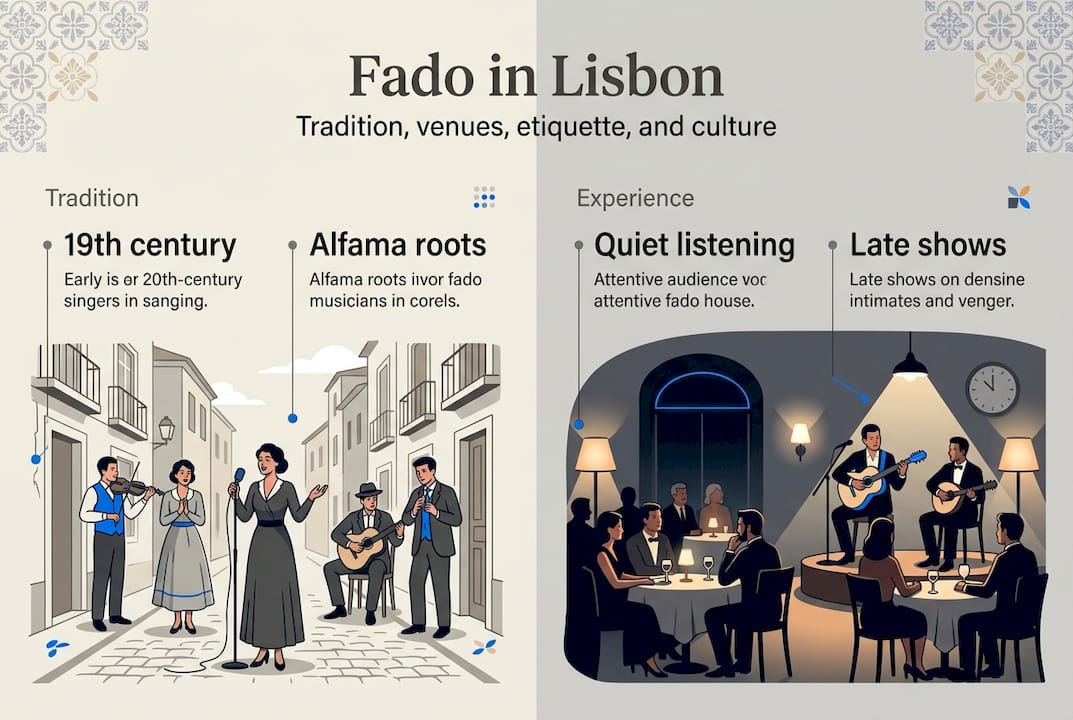
The divide between formal casas de fado and informal tascas represents more than venue size. Polished tourist-oriented houses feature professional fadistas with trained voices, choreographed setlists, and predictable emotional arcs. Intimate tascas host vadio (amateur) fado where spontaneity and unfiltered emotion create unpredictable, sometimes transcendent moments. Neither approach is inherently superior, they serve different purposes for different audiences.
Key differences in fado experiences:
Formal casas offer reliability and professional quality but may feel rehearsed
Tascas provide spontaneous authenticity but variable performance quality
Tourist-focused venues emphasize comfort and accessibility over raw tradition
Traditional spaces prioritize emotional intensity and cultural preservation
Modern fadistas incorporate jazz, Brazilian, and contemporary influences
Purists resist any deviation from classic Portuguese guitarra accompaniment
“The best fado happens when the fadista forgets the audience exists and sings only for their own soul. You can’t schedule that moment, which is why the small tascas sometimes offer magic that no professional casa can replicate.”
Practical considerations matter beyond artistic debates. Silence during fado is mandatory, and Alfama’s cobblestones challenge navigation after evening performances, especially after wine. Plan your post-show route before arriving, and consider staying in central Lisbon to minimize late-night transportation.
Combining fado evenings with daytime sailing tours creates comprehensive cultural immersion. After experiencing fado’s emotional depth and historical roots, viewing Lisbon from the Tagus River provides geographical context for the neighborhoods where fado emerged. The Lisbon river cruises comparison helps you select sailing options that complement your fado schedule.
Sailing tours offer perspectives on Lisbon’s maritime heritage that directly connects to fado’s themes of sailors, departures, and saudade for the sea. Guides explain how the Tagus River shaped Lisbon’s identity and the working-class districts where fado originated. This geographical and historical context enriches your understanding when fadistas sing about the river, departures, and longing for distant shores.
The pairing works logistically too. Two-hour afternoon sailing tours end with plenty of time to rest, dine early, and arrive fresh for 8:30 pm fado performances. Morning tours allow leisurely afternoons before evening shows. Discover Lisbon ByBoat details how sailing tours integrate with other cultural activities for comprehensive visit planning.
After exploring the rich cultural context and experience options, here’s a brief guide on making the most of your trip with related services.
Explore Lisbon’s waterways after your fado experience
After immersing yourself in fado’s emotional depths, experiencing Lisbon from the water provides the perfect counterpoint. Our luxury yachts in Lisbon offer exclusive sailing experiences along the historic coastline, where our guides explain the monuments and neighborhoods you heard about in fado songs.

Our daily two-hour sailing tours showcase Lisbon’s beautiful historical coastline with expert commentary on major sights. For deeper exploration, charter yacht Portugal options provide private cruises from two hours to full-day adventures on sailing yachts and catamarans. The ByBoat tours combine scenic beauty with cultural education, creating the ideal complement to evening fado performances. Discovering Lisbon by boat connects the maritime themes in fado music with the actual river and coastline that inspired them, completing your cultural understanding of this unique city.
To finalize your visit, let’s answer common questions tourists have about fado music and sailing in Lisbon.
Frequently asked questions
What is the typical duration of a fado performance?
Fado performances run from approximately 8:30 pm to midnight or later, including dinner service between sets. Each fadista typically performs 6-9 songs per set, with multiple performers rotating throughout the evening. The extended timeline allows for leisurely dining while experiencing diverse vocal styles and emotional interpretations. Budget 3-4 hours minimum for the complete experience.
Are there vegetarian or vegan dining options at fado houses?
Some fado venues offer vegetarian or vegan options, though selections are limited compared to standard Portuguese cuisine menus. Contact venues directly when booking to discuss dietary requirements and ensure the kitchen can accommodate your needs. Larger establishments like Clube de Fado and Adega Machado typically provide more flexibility than smaller family-run venues. Advance notice significantly improves your dining options.
How can I avoid tourist traps when seeking authentic fado experiences?
Book shows at well-reviewed authentic houses rather than accepting invitations from street promoters in Alfama. Avoid street touts and prefer established venues or vadio fado at places like Tasca do Chico for genuine experiences. Research venues online, check recent reviews, and confirm they enforce silence during performances. Authentic venues rarely need aggressive street marketing, they fill through reputation and advance reservations.
What practical advice is there for attending fado shows and post-show walking?
Audiences must remain silent during fado performances as a sign of respect for the art form and performers. Alfama’s cobblestones challenge navigation after evening shows, especially on steep hillside streets, so wear comfortable shoes with good traction. Combining fado evenings with daytime sailing tours provides full cultural immersion, connecting the maritime themes in fado music with actual views of the Tagus River and historic coastline. Plan your return route before the show starts to avoid confusion in dark narrow alleys.
Recommended
Comments