

Traditional Boat Building Portugal: Lisbon’s Living Heritage
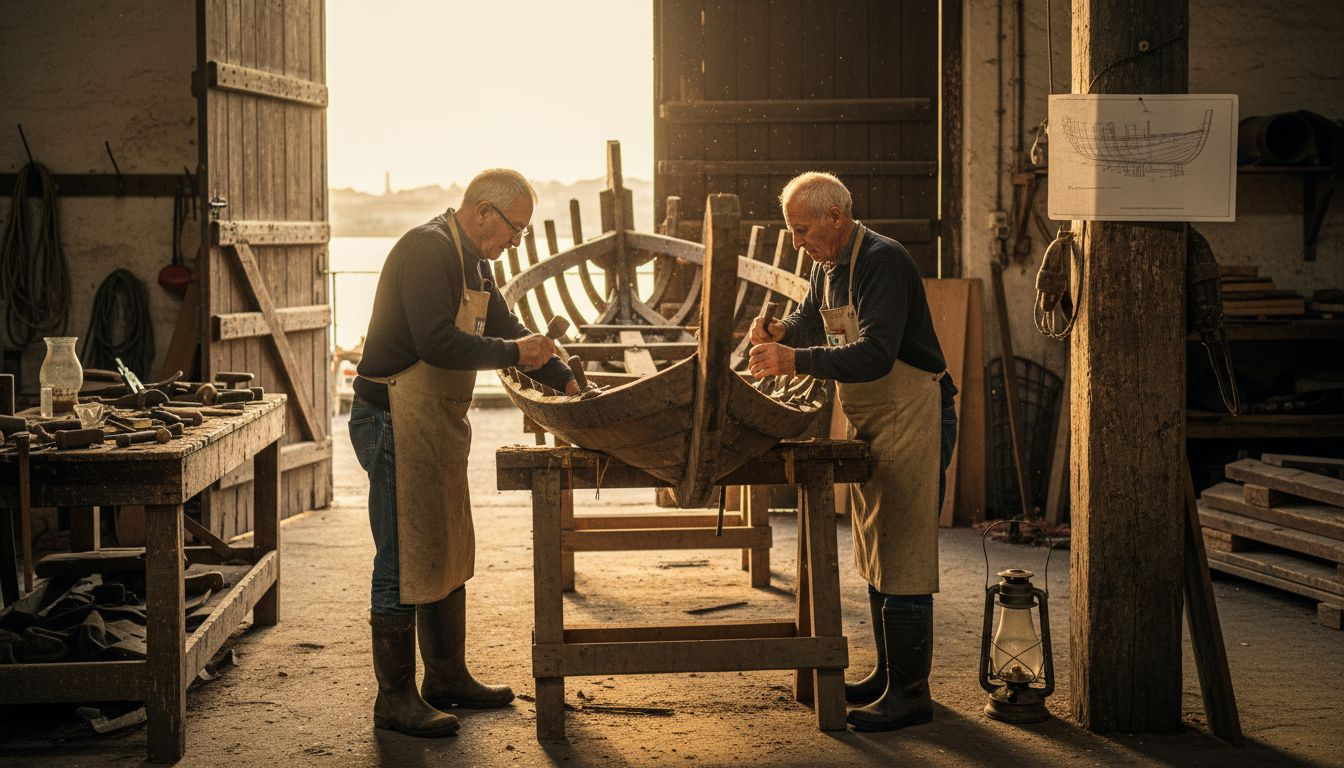
Over one million American tourists travel to Portugal every year, yet few experience the authentic world of traditional boat building that shaped Lisbon’s coastline. For curious travelers seeking more than just sightseeing, exploring Portuguese craftsmanship reveals how local sailors adapted their skills to survive the powerful Atlantic. This guide unpacks the rare chance to witness these time-honored techniques firsthand, blending maritime history with hands-on learning along Portugal’s iconic shores.
Table of Contents
Key Takeaways
Point | Details |
Distinct Design Features | Portuguese boats showcase unique construction techniques and hull designs adapted to local maritime conditions and challenges. |
Diverse Boat Types | A variety of traditional boat types exist, each purpose-built for specific regional uses, contributing to Portugal’s rich maritime heritage. |
Artisanal Craftsmanship | The traditional methods of boat building involve specialized materials and techniques that reflect centuries of local knowledge and craftsmanship. |
Preservation Efforts | Ongoing challenges threaten the survival of traditional boat building, but legal protections and community initiatives aim to sustain these vital cultural practices. |
What Sets Portuguese Boats Apart
Traditional Portuguese boats represent a remarkable maritime heritage uniquely shaped by generations of sailors navigating the challenging Atlantic waters. Their distinctive design emerged from centuries of adaptation, with specific characteristics that distinguish them from watercraft in other regions. Research from the University of Lisbon’s technical analysis highlights how Portuguese boat builders developed specialized hull forms precisely tuned to local maritime conditions.
The Muleta boat, a prime example of Portuguese nautical engineering, showcases extraordinary design innovations. These vessels feature robust rigging specifically developed to handle the unpredictable wind patterns of the Tagus Estuary and Atlantic coastline. Unlike standardized boat designs from other regions, Portuguese traditional craft incorporate subtle modifications that reflect deep understanding of local marine environments. Their hulls are strategically constructed with narrower profiles and deeper keels, allowing superior maneuverability in both coastal and estuarine waters.
Crucial design elements that set Portuguese boats apart include their unique wood selections, construction techniques, and regional variations. Boat builders along different coastal regions developed distinct styles reflecting local fishing practices and navigational requirements. The northern Portuguese boats differ markedly from those constructed in Lisbon, with each area contributing unique structural innovations that enhanced seaworthiness and performance.
Pro tip: When exploring Portuguese maritime heritage, pay close attention to the subtle differences in boat construction between coastal regions - each design tells a story of local adaptation and maritime survival.
Major Traditional Boat Types and Uses
Portuguese maritime traditions encompass a rich diversity of boat types, each meticulously designed for specific regional needs and environmental conditions. Comprehensive academic research on northern Portuguese shipbuilding traditions reveals a fascinating spectrum of watercraft that reflects the intricate relationship between local communities and their maritime environment. These vessels range from flat-bottomed fishing boats to more sophisticated cargo and transportation craft, demonstrating remarkable adaptation to local ecological and economic demands.
Historically, Portuguese boat types can be broadly categorized into several key classifications. The caravela, famously associated with Portuguese maritime exploration, represents one end of the spectrum - a sophisticated ocean-going vessel that enabled global navigation. In contrast, local barcas and fragatas served more practical regional purposes, designed for fishing, coastal trade, and river transportation. Academic sources detailing Portuguese maritime vessel types highlight the nuanced differences between these craft, emphasizing how their construction reflected specific socioeconomic and geographical requirements.
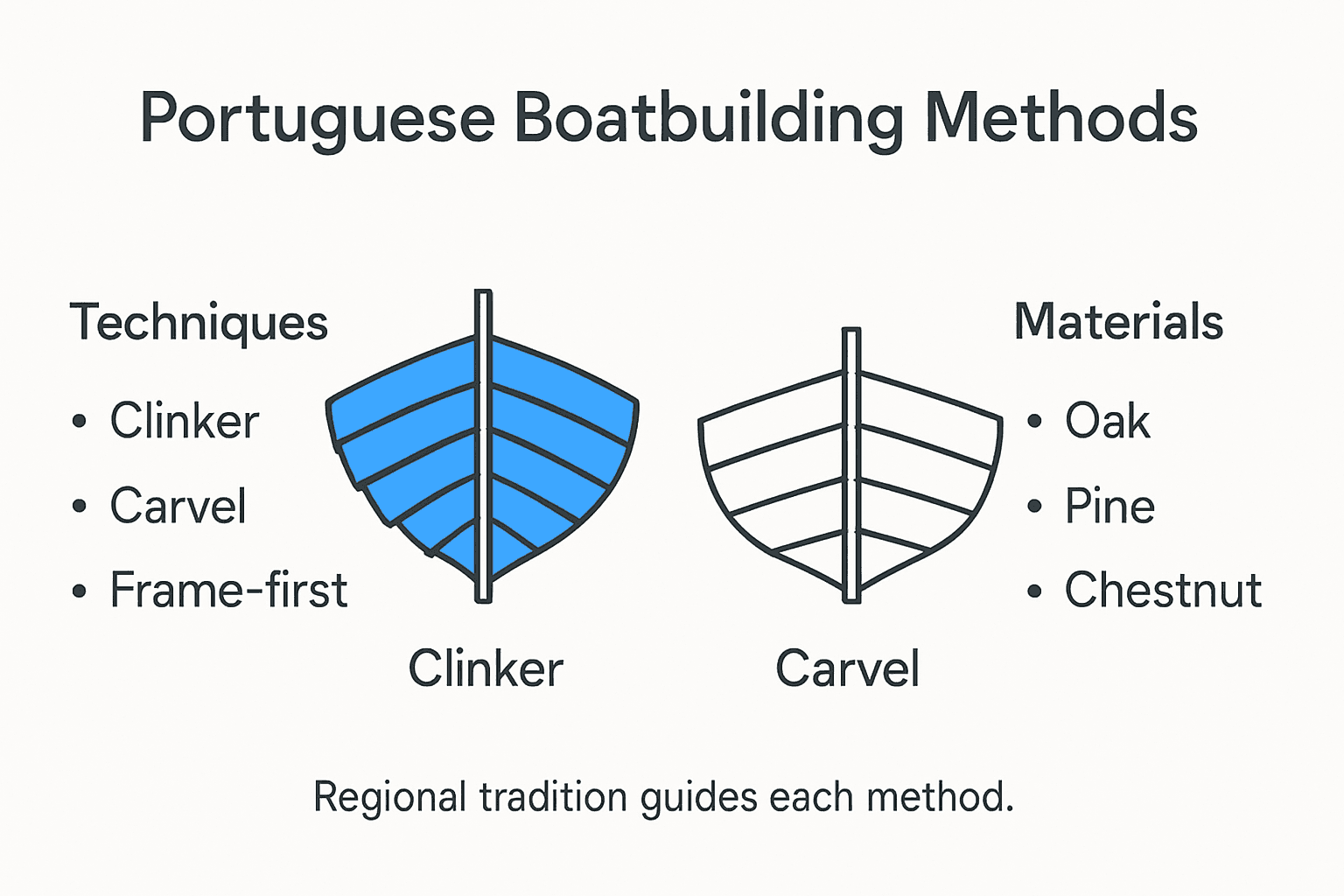
Regional variations play a crucial role in Portuguese boat design. Northern coastal communities developed different boat types compared to those in the Tagus Estuary or southern regions. These variations encompassed not just hull design, but also rigging techniques, wood selections, and specialized features tailored to local fishing practices and maritime conditions. Some boats featured clinker planking, while others utilized carvel construction techniques, each method optimized for specific performance characteristics and local availability of materials.
Pro tip: When exploring Portuguese maritime heritage, observe how boat designs subtly change between coastal regions - each unique craft tells a story of local adaptation and maritime survival.
Here’s a summary comparing major traditional Portuguese boat types and their typical uses:
Boat Type | Primary Use | Key Features | Typical Region |
Caravela | Ocean exploration | High masts, deep keel | Nationally historic |
Barca | River transport, trade | Wide beam, flat bottom | Central & North |
Fragata | Fishing, coastal trade | Sturdy build, quick hull | Tagus Estuary |
Muleta | Estuary fishing | Robust rigging, narrow hull | Lisbon region |
Classic Construction Methods and Materials
Traditional Portuguese boat construction represents a sophisticated blend of artisanal skill, regional knowledge, and centuries of maritime expertise. Detailed maritime craft documentation reveals that boat builders employed intricate techniques passed down through generations, with each region developing unique approaches to selecting, preparing, and assembling maritime vessels.
Wood selection played a critical role in Portuguese boat construction. Oak, pine, and chestnut were the primary timber choices, each selected for specific structural properties. Oak provided exceptional durability for hull frames, while pine offered lightweight flexibility for planking. Local boat builders carefully selected timber based on its grain structure, moisture resistance, and ability to withstand salt water exposure. Historical maritime vessel research highlights how these material choices were not just practical but represented a deep understanding of marine environmental challenges.
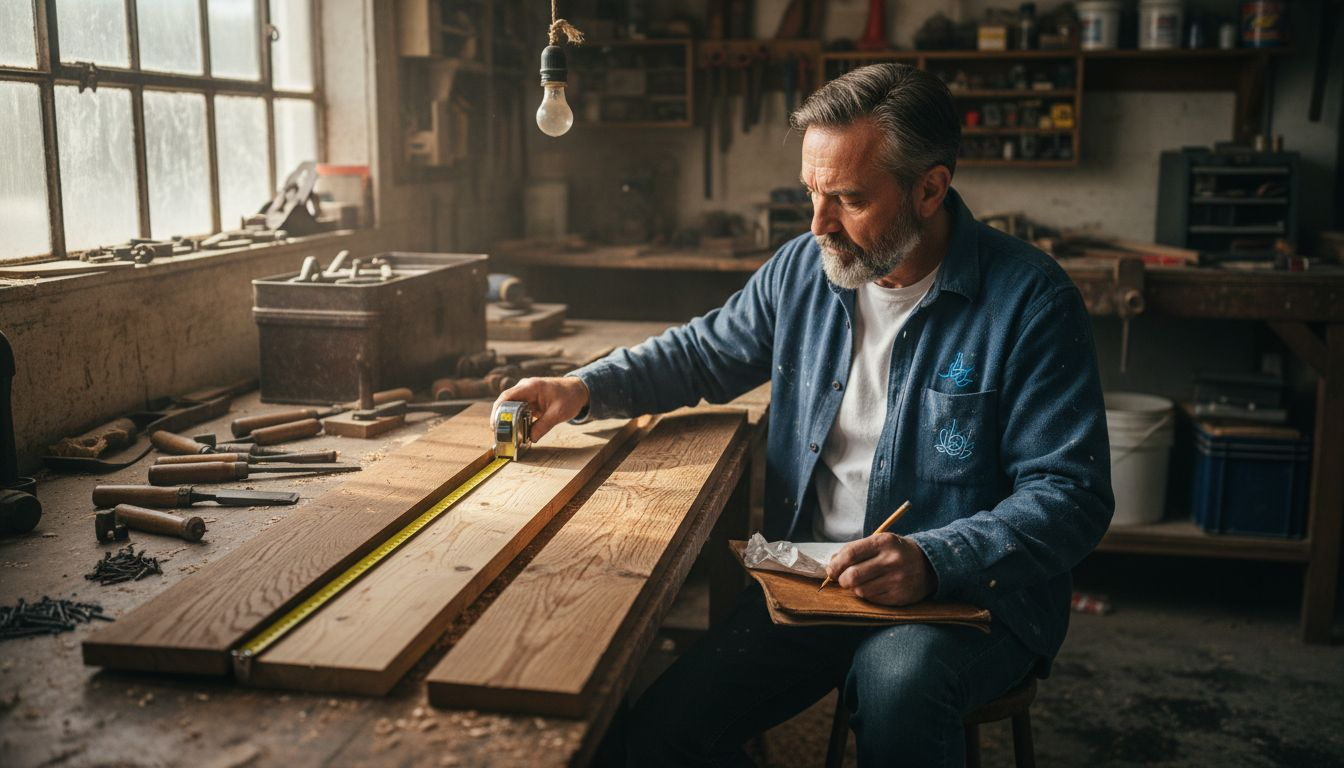
Two primary construction techniques dominated Portuguese boat building: clinker and carvel planking methods. Clinker planking involved overlapping wooden planks, creating a distinctive stepped exterior that provided remarkable strength and water resistance. Carvel construction, in contrast, featured planks fitted edge to edge, creating a smoother hull surface. These techniques varied by region, with northern coastal communities often preferring clinker methods, while southern builders frequently utilized carvel construction. Boat builders meticulously sealed these planks using traditional pitch and tar mixtures, ensuring water-tight integrity that could withstand challenging Atlantic conditions.
Pro tip: When examining traditional Portuguese boats, look closely at the planking technique - each overlap and seam tells a story of regional craftsmanship and maritime adaptation.
Here’s a quick reference to classic Portuguese boat construction methods and materials:
Method | Material | Strengths | Typical Region |
Clinker Planking | Oak, pine | High water resistance | Northern Portugal |
Carvel Planking | Chestnut, pine | Smooth hull, easy repair | Southern Portugal |
Preserving Craftsmanship: Laws and Challenges
The preservation of traditional Portuguese boat building faces complex legal and social challenges that threaten this centuries-old maritime heritage. Contemporary research on Tagus Estuary boat preservation reveals a critical landscape where economic pressures, urban development, and generational shifts are rapidly eroding traditional craftsmanship. Local and national governments have begun implementing protective measures, but these efforts often struggle to counteract the rapid pace of technological and economic transformation.
Legal frameworks for protecting maritime heritage have emerged as a crucial strategy. The Portuguese government has established cultural heritage protection laws that recognize traditional boat building as an intangible cultural asset. Academic studies on preservation challenges highlight the complex process of safeguarding not just the physical boats, but the intricate knowledge systems and skills passed down through generations. These laws aim to provide financial support, create documentation programs, and establish training initiatives that can help maintain the continuity of traditional boat building techniques.
However, significant obstacles remain in truly preserving this maritime craft. The primary challenges include the declining number of master boat builders, increasing production costs, and competition from modern manufacturing techniques. Young artisans find traditional boat building economically unsustainable, with many choosing more lucrative career paths. Municipal and regional programs have attempted to address these challenges by creating apprenticeship opportunities, establishing maritime heritage centers, and developing cultural tourism initiatives that can provide economic incentives for maintaining these traditional skills.
Pro tip: When visiting maritime museums or heritage sites, engage directly with master craftsmen - their personal stories are the most powerful preservation tool for understanding traditional boat building techniques.
Experiencing Lisbon’s Maritime Legacy Firsthand
Historical maritime exploration opportunities in Lisbon offer visitors an immersive journey into Portugal’s rich nautical traditions. The city provides multiple avenues for connecting with its seafaring past, transforming maritime history from a distant narrative into a tangible, interactive experience. Visitors can explore this legacy through museums, guided tours, and authentic boat experiences that bring centuries of maritime culture to life.
The Museu de Marinha stands as a cornerstone of this maritime exploration, housing an extensive collection of historic vessels, navigation instruments, and maritime artifacts that chronicle Portugal’s global maritime achievements. Nearby, the Belém district serves as a living museum, with architectural monuments like the Paços da Ribeira and the iconic Belém Tower offering visual narratives of Portugal’s navigational prowess. Traditional boat tours along the Tagus River provide an especially immersive experience, allowing visitors to traverse the same waters that once launched caravels to distant continents.
Authentic engagement with Lisbon’s maritime heritage extends beyond passive observation. Municipal programs and cultural organizations host restoration projects, maritime festivals, and educational workshops that invite participants to understand boat building techniques, navigation skills, and the intricate social history of Portuguese seafaring communities. These experiences range from hands-on workshops demonstrating traditional boat construction methods to seasonal regattas featuring meticulously restored historical vessels, providing deep insights into the living maritime traditions that have shaped Portuguese culture.
Pro tip: Schedule your visit during local maritime festivals to witness traditional boat building techniques and sailing demonstrations firsthand - these events offer the most authentic connection to Lisbon’s seafaring history.
Discover Lisbon’s Living Maritime Heritage from the Water
Experience firsthand the rich traditions of Portuguese boat building as you glide along the historic coastline of Lisbon. This article highlights the challenges of preserving traditional vessels like the Muleta and Fragata, as well as the craftsmanship that has shaped Portugal’s nautical identity. At Lisbon By Boat, we help you connect with this living heritage through authentic sailing tours that reveal the very waters where these unique boats once sailed.
Join our daily sailing tours or private yacht cruises to see Lisbon’s maritime landmarks and savor stories of traditional boat design and craftsmanship told by knowledgeable guides. You will gain a deep appreciation for the region’s seafaring past while enjoying stunning views and the fresh Atlantic breeze. Don’t miss this chance to immerse yourself in Lisbon’s maritime culture and support the preservation of its living heritage. Book your adventure now with Lisbon By Boat and embark on a journey that celebrates the spirit of Portuguese maritime tradition.
Frequently Asked Questions
What are the main types of traditional Portuguese boats?
Traditional Portuguese boats include the caravela, barca, fragata, and muleta, each designed for specific uses such as ocean exploration, river transport, fishing, and coastal trade.
What materials are commonly used in traditional Portuguese boat construction?
Common materials include oak, pine, and chestnut, each chosen for its unique structural properties that enhance durability, flexibility, and resistance to saltwater.
What are the primary construction methods used in Portuguese boat building?
The primary construction methods in Portuguese boat building are clinker and carvel planking. Clinker uses overlapping planks for strength, while carvel features planks fitted edge to edge for a smoother hull surface.
How is the preservation of traditional boat building being addressed in Portugal?
The preservation of traditional boat building involves legal frameworks recognizing it as an intangible cultural asset. Efforts include providing financial support, training initiatives, and creating apprenticeship opportunities to maintain the craft.
Recommended
Comments