

Tourism Trends for Sailing 2026: What to Expect
TL;DR:
Travelers in 2026 prefer immersive, slower sailing experiences focused on genuine local connections. They are booking last-minute due to geopolitical uncertainties and prioritize sustainability and quiet destinations over busy hotspots. Responsible practices and flexible planning are essential for a meaningful, eco-conscious sailing vacation.
Tourism trends for sailing 2026 are defined by three forces reshaping the entire industry: the rise of slow travel and hushpitality, a sharp drop in booking lead times, and a growing demand for conscious, low-impact cruising. Travelers are no longer chasing port counts. They want depth, restoration, and genuine connection with the places they visit. The superyacht charter market is now valued at over $10 billion and growing at 11% annually. That growth is not accidental. It reflects a fundamental shift in what travelers expect from a sailing vacation in 2026.
What are the tourism trends for sailing in 2026?
Booking lead times for yacht charters fell nearly 30% year on year, dropping from 118 days in 2025 to 83 days in 2026. That single data point captures the mood of the market. Travelers are watching global events closely and deferring commitments until they feel confident. The Western Mediterranean accounts for almost half of all june 2026 charter bookings, and 80.8% of those forward bookings are concentrated between june and august. Demand is intense, but it is arriving later than ever before.
Alongside the booking shift, 91% of travelers now say they prefer longer stays and quieter, more immersive experiences. That preference is driving the hushpitality movement, a term describing hospitality designed around privacy, calm, and genuine local connection rather than high-volume activity. Sailing is the natural vehicle for this kind of travel. A yacht gives you access to secluded coves, small fishing villages, and coastlines that no hotel can reach.
How last-minute bookings are redefining sailing travel
The 30% reduction in lead times is not a sign that travelers are less interested in sailing. Industry data attributes the shift directly to geopolitical uncertainty. Clients remain active and motivated, but they prefer to defer final commitments until closer to departure. That behavior creates a different kind of market pressure for both travelers and operators.
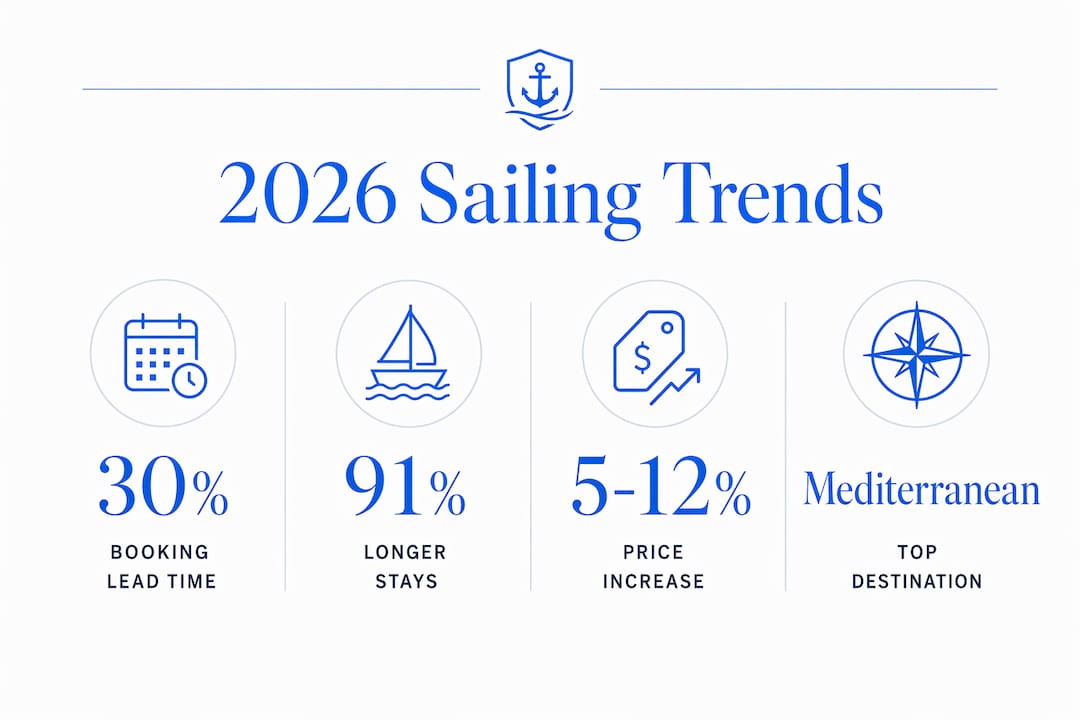
For travelers, the compressed timeline creates real risk. Popular yachts in the Greek Islands, the Balearic Islands, and the Croatian Dalmatian Coast fill up fast once the season opens. Waiting until 60 days out may mean settling for a second-choice vessel or a less desirable week. Peak-season charter prices are expected to rise 5–12% in 2026, which adds financial pressure to the timing decision.
The opportunity, though, is real. Travelers who stay flexible on destination and dates can find genuine value in the last-minute market. Operators are more willing to negotiate on shoulder-season weeks and less-trafficked routes. The key is knowing which variables to hold firm on and which to flex.
Lock in early: Premium event weeks and peak-season dates in top destinations still require booking 6–12 months in advance.
Stay flexible on destination: Swapping the Amalfi Coast for the Egadi Islands or Porquerolles can unlock better availability and lower prices.
Work with a specialist broker: Brokers with live inventory access can identify last-minute openings that never appear on public listings.
Prioritize vessel type over exact dates: Securing the right yacht for your group matters more than a specific week.
Pro Tip: If your travel dates are fixed, book the yacht first and plan the itinerary second. Vessel availability is the binding constraint in peak season, not anchorage choices.
What slow travel and hushpitality mean for sailing vacations
Slow travel in the sailing context means fewer ports, longer stays, and a deliberate focus on quality over quantity. A traditional sailing itinerary might cover eight destinations in seven days. A slow sailing itinerary covers three, with time to eat at the same taverna twice, swim the same bay at sunrise and sunset, and actually learn the name of the harbor master. Luxury travelers increasingly value restoration over accumulation. That shift is not a niche preference. It is the dominant direction of the high-end sailing market in 2026.
Hushpitality takes slow travel one step further by centering the entire experience on privacy and sensory calm. Think chef-curated menus built around local produce, morning yoga on the foredeck, and evenings anchored in a bay with no other boats in sight. The gastronomy dimension of these experiences is significant. Food becomes a form of place-making, connecting guests to the local culture through what they eat rather than what they photograph.
“Hospitality-led sailing itineraries succeed by prioritizing shorter distances and local immersion, focusing on quality of experience over quantity of destinations. The best sailing weeks are the ones where you could have stayed another week without running out of things to feel.”
Operators who have adapted to this trend are redesigning their onboard offerings. Wellness programming, locally sourced provisioning, and itineraries built around tidal rhythms rather than tourist schedules are now standard features of luxury sailing experiences at the top end of the market. The benefits for relaxation are well documented, and travelers are increasingly choosing sailing specifically because it delivers what land-based resorts cannot: genuine solitude and movement.
What are the best sailing destinations in 2026?
The Mediterranean remains the dominant region for sailing tourism, but the internal geography of demand is shifting. Travelers are moving away from the most crowded hotspots toward destinations that offer the same natural beauty with significantly less traffic. The Adriatic cruise passenger volume is forecast to reach 5.7 million in 2026, a 6% increase from 2025. That growth underscores the region’s continued appeal while also signaling why quieter alternatives are gaining ground.
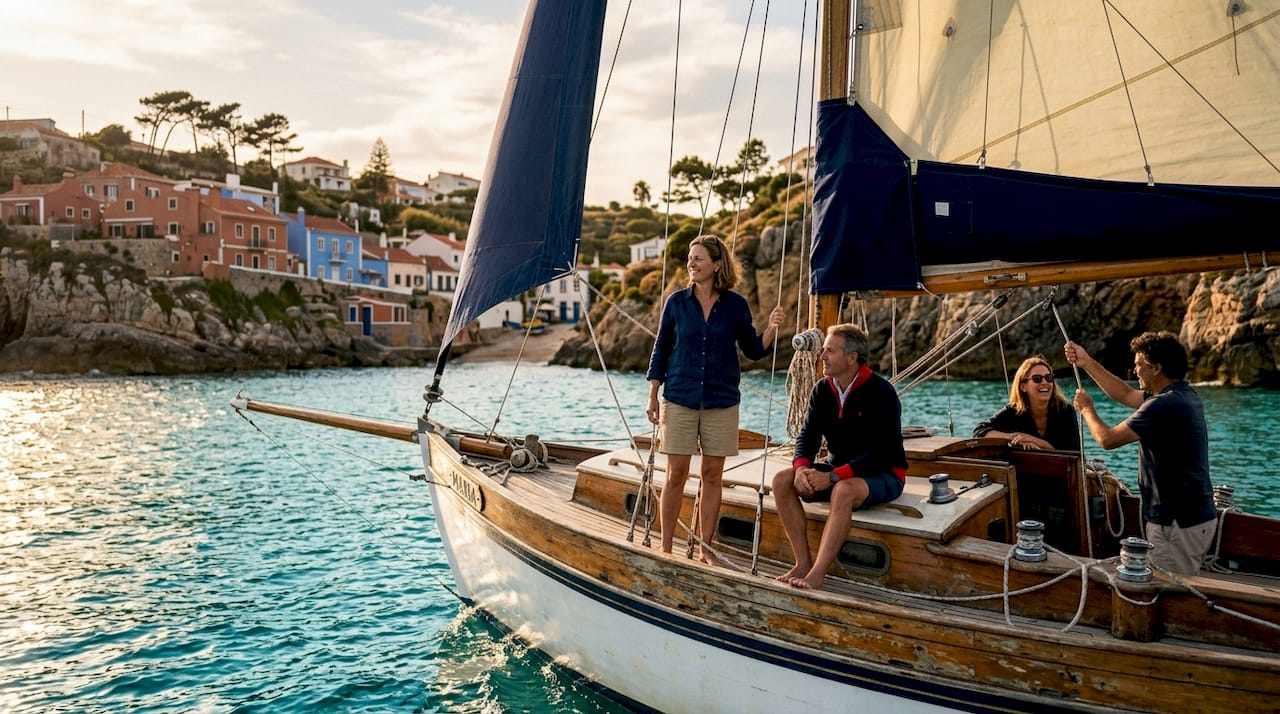
Travelers seeking less crowded sailing destinations are gravitating toward Menorca, the Egadi Islands off Sicily, Porquerolles in southern France, and the smaller Adriatic ports of Montenegro and Albania. These destinations offer protected anchorages, clear water, and authentic local culture without the anchor-to-anchor congestion of Mykonos or Capri in August.
Destination | Crowd level | Sailing conditions | Cultural depth | Best for |
Greek Ionian Islands | Moderate | Reliable meltemi winds | High | Intermediate sailors, slow travel |
Balearic Islands | High in August | Steady summer winds | Moderate | Luxury charters, nightlife |
Croatian Dalmatian Coast | High | Calm, sheltered waters | High | Families, first-time charterers |
Egadi Islands, Sicily | Low | Light to moderate winds | Very high | Conscious travelers, divers |
Menorca | Low to moderate | Variable, interesting | High | Couples, off-peak seekers |
Azores | Very low | Atlantic swells, challenging | Very high | Experienced sailors, adventurers |
French Riviera/Porquerolles | Moderate | Reliable mistral | High | Gastronomy-focused travelers |
Northern Europe and the Azores are attracting a growing segment of experienced sailors who want adventure over comfort. The Azores in particular offer a sailing and heritage tourism experience that is genuinely unlike anything in the Mediterranean. The tradeoff is more demanding sea conditions and less predictable weather.
How environmental awareness is shaping sailing tourism
Conscious sailing is now a baseline expectation, not a differentiator. The protection of Posidonia oceanica seagrass beds is a concrete example. Skippers across the Mediterranean are prioritizing responsible anchoring away from these protected ecosystems, which are critical to marine biodiversity and water clarity. Anchoring on a Posidonia bed can destroy decades of growth in minutes. The shift toward eco-friendly mooring buoys in protected bays is a direct response to this pressure.
Travelers are also changing their behavior on board. Choosing locally sourced provisions, minimizing single-use plastics, and supporting small family-run restaurants in port rather than large tourist operations are all part of the conscious sailing ethos. These choices matter economically as well as ecologically. Integrated maritime tourism that connects port visits to inland communities creates real economic benefit for local populations, not just marina operators.
Use established mooring buoys in protected bays instead of dropping anchor on seagrass or coral.
Provision locally at each port rather than loading everything at the departure marina.
Dispose of waste properly and never discharge gray water in protected marine areas.
Choose operators with environmental certifications or documented sustainable practices.
Respect marine protected area rules, which vary by country and are strictly enforced in many Mediterranean destinations.
Pro Tip: Before your charter, ask your broker or operator for the specific environmental regulations of each anchorage on your planned route. Rules in marine protected areas change seasonally, and ignorance is not a defense.
The sustainable practices guide for sailing tours covers this in detail for travelers planning trips along the Portuguese and broader Atlantic coast. Environmental responsibility is not a constraint on a great sailing vacation. It is what makes the best anchorages worth visiting in the first place.
Key Takeaways
Sailing tourism in 2026 is defined by shorter booking windows, slower itineraries, and a clear shift toward destinations and practices that prioritize depth, sustainability, and genuine experience over volume.
Point | Details |
Booking lead times are shrinking | Average charter lead times dropped from 118 to 83 days in 2026, so plan peak weeks 6–12 months ahead. |
Slow travel dominates luxury sailing | 91% of travelers prefer longer, quieter stays, reshaping onboard offerings toward wellness and local immersion. |
Emerging destinations offer real value | Menorca, Egadi Islands, and Porquerolles deliver exclusivity and authenticity with far less congestion than top hotspots. |
Environmental responsibility is mandatory | Protecting seagrass beds and using eco-mooring buoys are now standard expectations for responsible sailors. |
Prices are rising in peak season | Charter rates are up 5–12% in 2026, making shoulder-season flexibility a genuine financial advantage. |
What I’ve learned watching sailing tourism shift in 2026
The most significant change I see is not the data on booking windows or price increases. It is the change in what travelers actually want from a week on the water. A few years ago, the goal was coverage. How many islands? How many ports? How many sunsets in how many different anchorages? That mentality is fading fast.
The travelers who are most satisfied with their sailing vacations in 2026 are the ones who stayed in one bay long enough to feel like they belonged there. They ate the same grilled fish three nights in a row because it was that good. They skipped the famous beach because the quiet one around the headland was better. That is not a trend. That is a correction.
The shortened booking window worries me slightly for first-time charterers. The instinct to wait and see is understandable, but it costs you the best boats and the best weeks. My advice is to separate your decision timeline from your departure timeline. Decide early. Commit early. Then let the world do what it does.
On sustainability, I think the industry is finally moving past lip service. Operators who cannot explain their anchoring policy or their provisioning approach are losing clients to those who can. That is the right outcome.
Lisbon sits at the intersection of all these trends. The Atlantic coast offers uncrowded sailing, extraordinary heritage, and a food culture that is genuinely world-class. If you have not considered Portugal as a sailing base, 2026 is the year to look seriously.
— Lisbon
Sailing in Lisbon with Lisbonbyboat in 2026
Lisbonbyboat puts you directly on the water along one of Europe’s most storied coastlines, with options that fit every version of the 2026 sailing traveler.
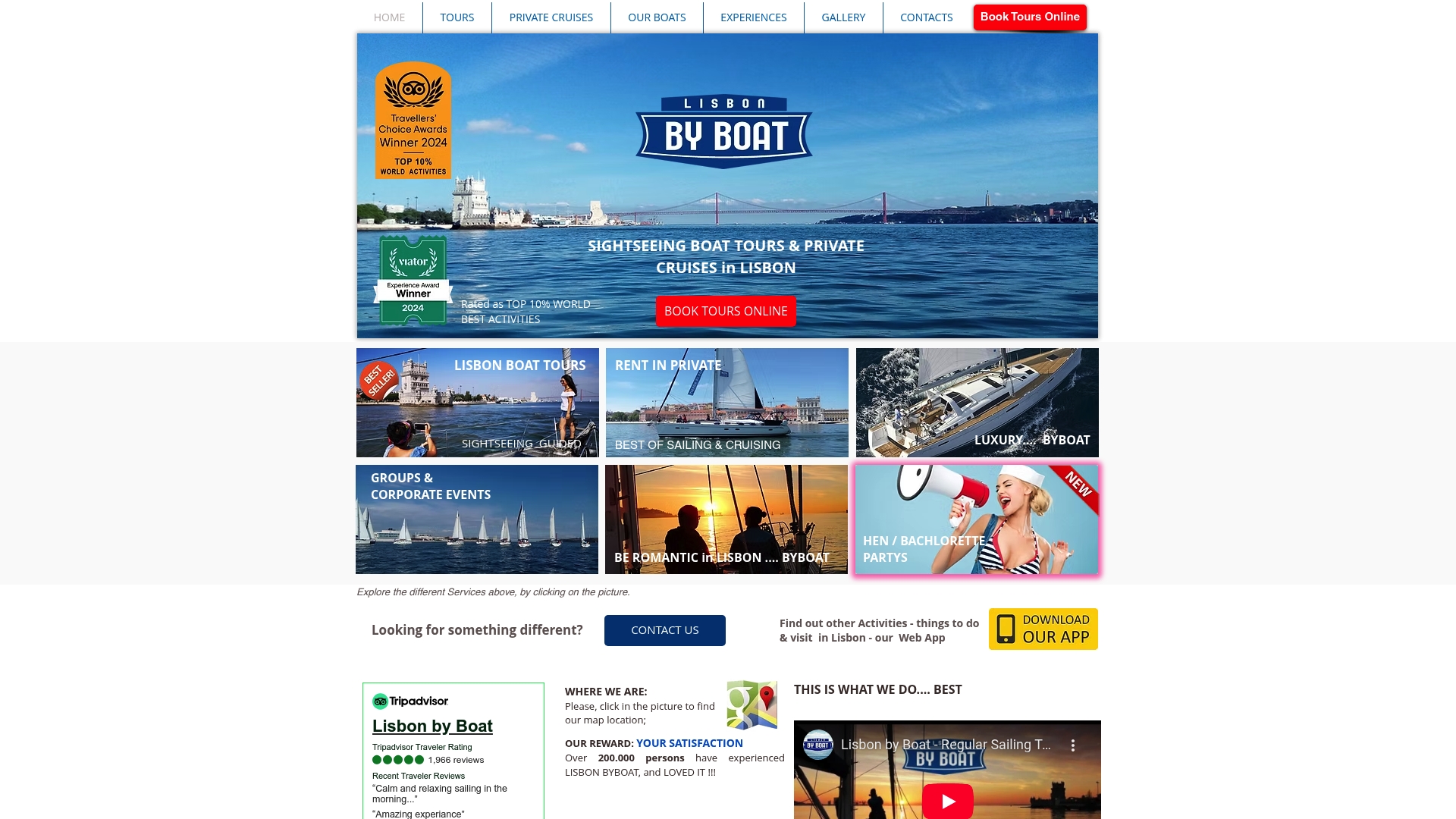
Whether you want a two-hour guided tour past the monuments of the Tagus or a full-day private cruise on a sailing yacht or catamaran, Lisbonbyboat offers the kind of unhurried, immersive experience that defines the slow travel movement. The luxury yachts in Lisbon available through Lisbonbyboat are suited for private charters that prioritize comfort, local connection, and flexible scheduling. For travelers who want a curated introduction to Lisbon from the water, the ByBoat tours offer expert-guided experiences with full commentary on the city’s history and architecture. Book early for peak summer weeks.
FAQ
How much have sailing charter booking lead times changed in 2026?
Average booking lead times dropped from 118 days in 2025 to 83 days in 2026, a reduction of nearly 30%. Industry analysts attribute the shift to geopolitical uncertainty rather than reduced traveler interest.
What is hushpitality in the context of sailing vacations?
Hushpitality describes a hospitality approach centered on privacy, calm, and genuine local connection. In sailing, it typically means chef-curated menus, wellness activities, and itineraries designed around fewer destinations and deeper experiences.
Which sailing destinations are trending for 2026?
Menorca, the Egadi Islands, Porquerolles, and smaller Adriatic ports are gaining popularity among travelers seeking quieter, more authentic alternatives to crowded Mediterranean hotspots.
Are sailing charter prices rising in 2026?
Peak-season charter prices are expected to rise 5–12% in 2026. Travelers who book shoulder-season weeks or stay flexible on destination can offset much of that increase.
How can sailors minimize their environmental impact?
Use eco-mooring buoys in protected bays, avoid anchoring on Posidonia oceanica seagrass beds, provision locally at each port, and check the specific environmental regulations for every anchorage on your planned route before departure.
Recommended
Comments