

Sailing and Heritage Tourism: Your 2026 Travel Guide
TL;DR:
Heritage sailing combines active seafaring with education on maritime history, ecology, and culture aboard historic vessels. Participatory experiences like sail handling and tool use deepen cultural understanding while promoting environmental protection. Excellent destinations include Chesapeake Bay, Rovinj, Ha Long Bay, and Lisbon, each emphasizing preservation and authentic storytelling.
Sailing and heritage tourism is defined as the practice of exploring historically significant coastal destinations aboard traditional or culturally meaningful vessels, combining active seafaring with immersive education in maritime history, ecology, and local culture. This niche sits at the intersection of nautical cultural tourism and conservation travel, and it is growing fast among travelers who want more than a scenic cruise. Destinations from Ha Long Bay in Vietnam to the Chesapeake Bay in Maryland now offer structured programs where the boat itself is part of the story. The experience teaches you something real about the people who built their lives on the water.
What sailing and heritage tourism actually means for travelers
Heritage tourism, as defined by the National Trust for Historic Preservation, is travel organized around experiencing the authentic stories and places of our shared past. When you add sailing to that definition, the vessel becomes the medium. You are not just visiting a maritime museum on land. You are aboard a working piece of history, learning to handle sails, hearing stories about fishing trades, and moving through the same waters that shaped entire civilizations.
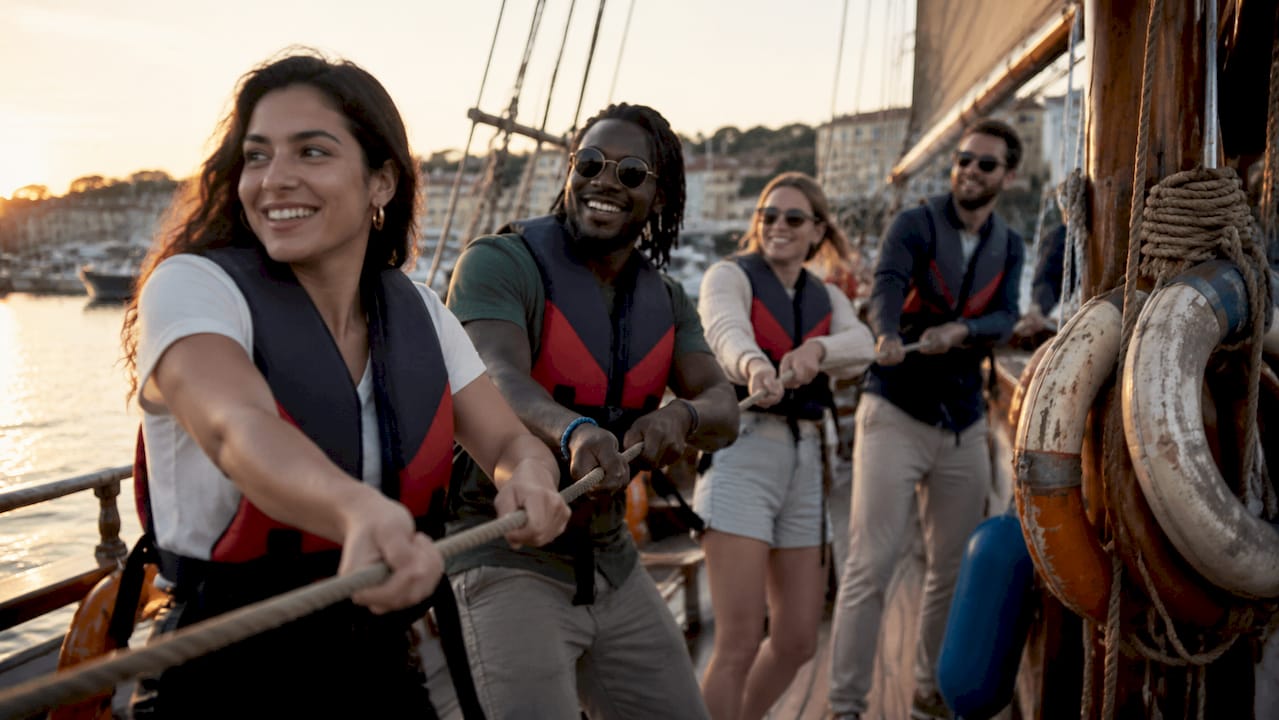
The South Street Seaport Museum in New York makes this concrete. Its Pioneer sails put guests aboard an 1885 schooner where they may help raise sails, study local ecology, and use navigation tools alongside museum educators. The vessel is the classroom, and the harbor is the curriculum. That format represents the core promise of heritage sailing adventures: participation replaces passive observation.
Ha Long Bay in Vietnam launched a parallel model in 2026. Traditional wooden sailboats with distinctive red sails now run 40-minute storytelling tours focused on fishing life and boatbuilding history along the bay’s coastline. The program was timed to coincide with Lunar New Year cultural interest, which tells you something important: the best heritage sailing experiences are designed around the living culture, not just the preserved artifacts.
How heritage sailing experiences blend education and hands-on participation
The most effective maritime heritage experiences share one structural feature: they give you something to do. Passive sightseeing from a deck is pleasant. Hauling a sail on a 19th-century schooner while a historian explains the trade routes it once served is unforgettable.
The Chesapeake Bay Maritime Museum runs historic workboat cruises that demonstrate this well. Guests board authentic vessels and handle tools used for crab and oyster harvesting, with narrated content covering both ecology and cultural history. Tickets run from $5 to $10 plus museum admission, making the experience accessible without sacrificing depth. The low price point matters because it signals that the goal is education, not luxury extraction.
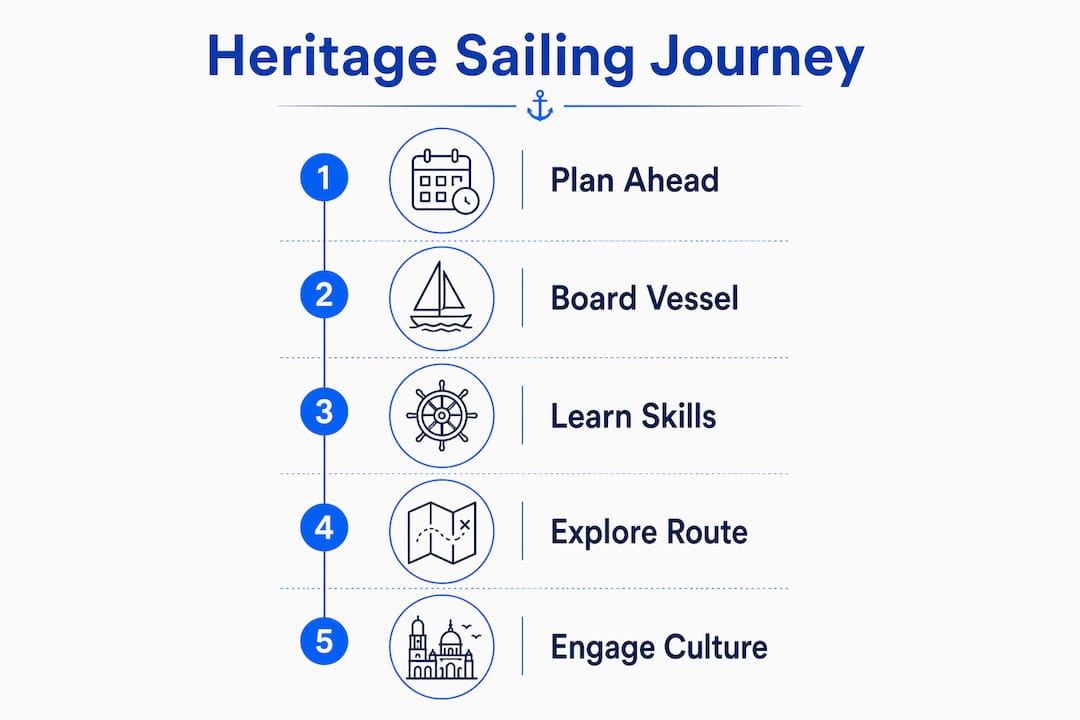
South Street Seaport Museum takes participation even further. The 2026 summer sailing season on the Pioneer invites guests to haul sails, study ecosystem measures, and work with navigation instruments. The programming integrates maritime history, architecture, music, and ecology into a single voyage. That breadth is what separates a heritage sail from a standard harbor tour.
Key elements that define a high-quality heritage sailing experience:
Vessel authenticity: The boat has historical or cultural significance, not just aesthetic appeal.
Guided narration: Educators or trained guides provide context on maritime trades, ecology, and local history.
Guest participation: Travelers handle equipment, ask questions, and engage physically with the experience.
Cultural integration: Music, food, storytelling, or craft demonstrations connect the sailing to the broader living culture.
Pro Tip: Wear soft-soled shoes and dress in layers. Heritage vessels often have uneven deck surfaces, and participation activities like hauling lines or handling tools require freedom of movement. Arrive with physical energy to spare.
What role does sustainability play in heritage sailing tourism?
Heritage sailing tourism is increasingly designed around environmental conservation, and that shapes every aspect of the visitor experience. Route planning, mooring systems, and permit requirements all reflect the reality that the ecosystems and heritage zones these tours depend on are fragile.
Capo Milazzo in Sicily offers the clearest structural example. The marine protected area expanded its mooring buoy infrastructure in a post-2025 project, increasing dedicated mooring locations from 45 buoys to 70 with a permit system. The goal is direct: replace uncontrolled anchoring that damages Posidonia seagrass meadows with a managed system that protects the seafloor while keeping the area accessible to visiting boats. Posidonia seagrass is a keystone species in Mediterranean marine ecosystems, so protecting it is not a bureaucratic formality. It is the condition that makes the destination worth visiting in the first place.
Ha Long Bay applies a parallel logic to cultural heritage. Heritage sailing routes are curated to avoid core heritage zones, balancing visitor access with ecological and cultural preservation. Shorter tour durations help heritage sites balance visitor enjoyment with preservation, especially in sensitive maritime zones. The 40-minute format used in Ha Long Bay is not a limitation. It is a deliberate design choice that protects the site while still delivering a meaningful experience.
For travelers, this means two things. First, the best heritage sailing destinations have rules, and those rules exist for good reasons. Second, compliance with those rules is part of the experience, not an obstacle to it.
Pro Tip: Before booking any heritage sailing tour in a marine protected area, check the operator’s permit status and mooring compliance. Operators who advertise their environmental credentials openly are almost always the better choice for both experience quality and site protection.
Popular heritage sailing destinations and what they offer
The global range of heritage sailing destinations is wider than most travelers realize. Each location offers a distinct combination of vessel type, cultural focus, and participation level.
Destination | Vessel type | Tour duration | Cultural focus | Participation level |
Chesapeake Bay, Maryland | Historic workboats | Multi-hour cruises | Crabbing, oystering, ecology | High (hands-on tools) |
New York, South Street Seaport | 1885 schooner Pioneer | Half-day sails | Maritime history, architecture, music | High (sail handling) |
Capo Milazzo, Sicily | Modern sailing yachts | Variable | Marine conservation, coastal heritage | Moderate |
Ha Long Bay, Vietnam | Traditional wooden sailboats | 40 minutes | Fishing culture, boatbuilding | Low to moderate |
Rovinj, Croatia | Restored traditional batana boats | 20 to 30 minutes | Fishing heritage, traditional dinners | Low (storytelling focus) |
Rovinj’s Casa della Batana ecomuseum deserves particular attention. The museum offers sunset rides on restored boats with storytelling and traditional dinners, creating a living heritage experience that connects visitors directly to the fishing culture that shaped the town. The batana is a flat-bottomed wooden boat unique to Rovinj, and the ecomuseum’s mission is to keep the craft of building and sailing it alive. That is heritage tourism at its most purposeful.
Lisbon belongs on this list too. The city’s position at the mouth of the Tagus River made it the launching point for the Age of Discovery, and its maritime cultural history is visible from the water in a way that no land-based tour can replicate. The Torre de Belém, the Jerónimos Monastery, and the Monument to the Discoveries all read differently when you approach them by sail.
How to plan a heritage sailing adventure
Planning a heritage sailing trip well requires matching your expectations to the specific format of the tour you choose. Not all heritage sailing experiences are the same, and the differences matter.
Define your activity level. Some tours, like the South Street Seaport Museum’s Pioneer sails, expect physical participation. Others, like Ha Long Bay’s red sailboat tours, are primarily observational. Know which you want before you book.
Research the cultural content. The best operators publish their educational programming in advance. Look for tours that name their guides, describe their narration themes, and explain what you will learn, not just where you will go.
Check sustainability credentials. Operators working in marine protected areas should hold current permits and follow mooring regulations. Ask directly if the information is not on their website.
Plan around seasonality. Ha Long Bay’s traditional sailboat tours launched during Lunar New Year for cultural reasons. The Chesapeake Bay’s workboat cruises run on a seasonal schedule tied to crabbing and oystering cycles. Timing your visit to align with active cultural practices adds depth to the experience.
Pack for participation. Soft-soled shoes, sun protection, a light waterproof layer, and a water bottle cover the basics for most heritage sailing tours. Leave large bags ashore when possible.
Pro Tip: For group boat tours, book early in the season. Heritage sailing programs often have limited capacity because the vessels themselves are small and historically significant. Waiting until the last minute means missing the best departures.
Key takeaways
Sailing and heritage tourism delivers its deepest value when the vessel, the route, and the cultural programming work together to tell a coherent story about the people and ecosystems of a place.
Point | Details |
Definition matters | Heritage sailing tourism combines active seafaring with cultural education aboard historically significant vessels. |
Participation drives value | Tours that invite guests to handle sails, tools, or navigation equipment create stronger cultural connections than passive cruises. |
Sustainability is structural | Marine protected areas like Capo Milazzo use mooring permit systems to protect ecosystems while keeping destinations accessible. |
Destination variety is wide | From Ha Long Bay’s 40-minute red sailboat tours to Chesapeake Bay’s multi-hour workboat cruises, formats vary significantly by location. |
Planning improves the experience | Matching activity level, cultural content, and seasonal timing to your preferences determines the quality of the trip. |
Why heritage sailing changed how I think about coastal travel
Most travelers arrive at a coastal destination and see the water as a backdrop. Heritage sailing flipped that for me. The first time I guided guests past the Torre de Belém on the Tagus, watching them realize that Vasco da Gama sailed past that same tower on his way to India, I understood what this kind of tourism actually does. It makes history physical. The water is not a backdrop. It is the primary document.
What I find underappreciated in most travel writing about maritime heritage experiences is the role of the boat itself. A restored wooden vessel carries information that no museum panel can replicate. The weight of the tiller, the sound of the rigging, the way the hull responds to a gust: these are sensory facts about how people lived and worked for centuries. When you add a knowledgeable guide and a historically significant coastline, the result is a form of education that sticks.
The sustainability dimension is also more important than most travelers realize. The destinations worth visiting are the ones that have made hard choices about access and preservation. Capo Milazzo’s mooring permit system and Ha Long Bay’s route restrictions are not inconveniences. They are evidence that the operators and authorities care enough about the place to protect it. That care is what keeps these destinations worth returning to. I recommend checking sustainable tourism practices before booking any heritage sailing trip, because the operator’s environmental commitment is a reliable proxy for the quality of the experience overall.
— Lisbon
Discover Lisbon’s heritage coastline by sail with Lisbonbyboat
Lisbon’s waterfront holds five centuries of maritime history, and the only way to read it properly is from the water. Lisbonbyboat offers daily sailing tours along the historical coastline, with guides who explain the monuments, the trade routes, and the stories behind what you see. Tours run two hours and cover the city’s most significant maritime landmarks. For travelers who want more time on the water, private cruises on luxury yachts and catamarans are available from two hours to a full day.
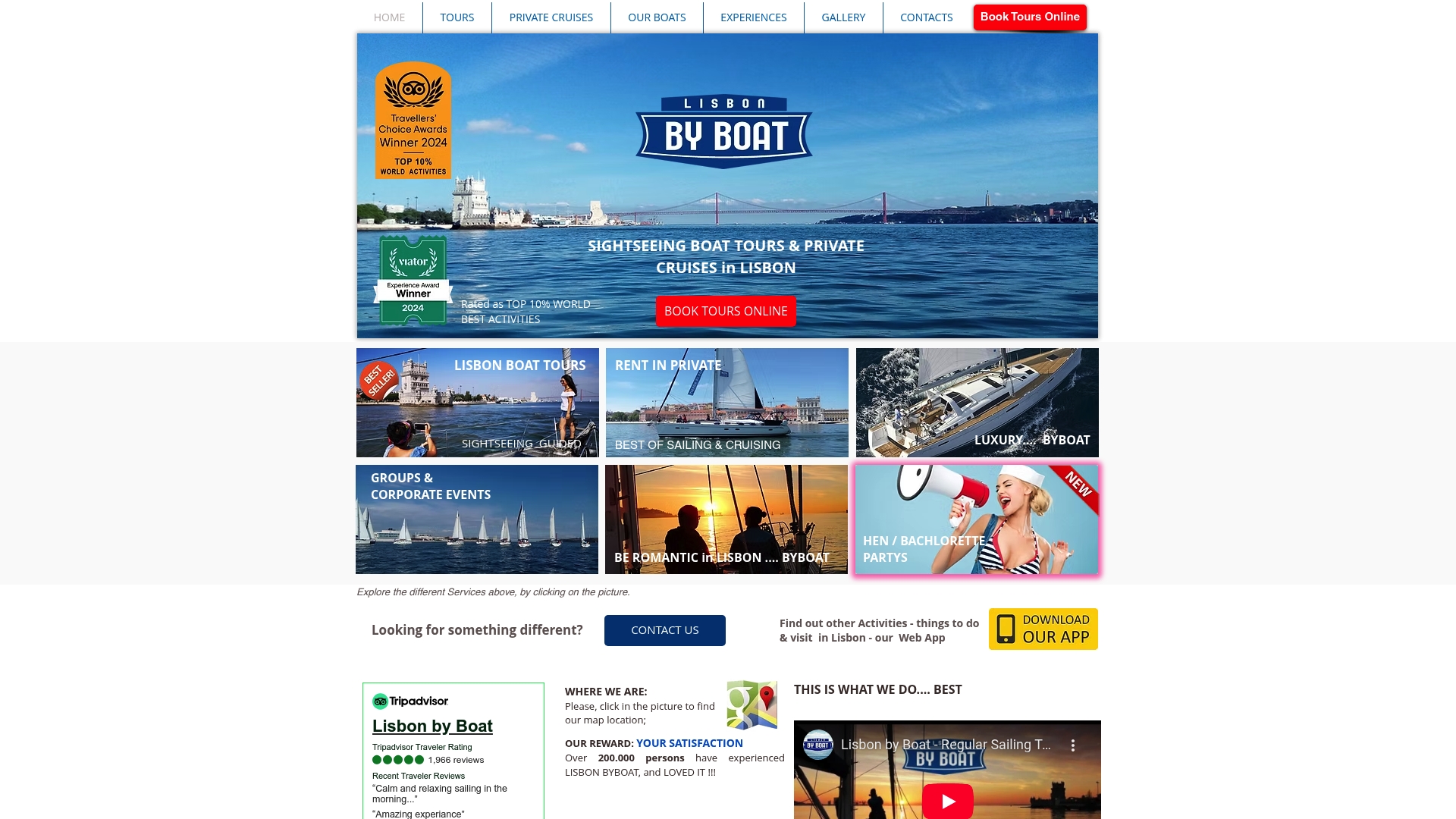
If you want a fully customizable heritage sailing experience, Lisbonbyboat’s charter yacht services let you design your own route along Portugal’s coastal heritage sites. Whether you are traveling solo, with a partner, or in a group, the Tagus and the Atlantic coast offer some of the most historically layered sailing waters in Europe. Book directly through Lisbonbyboat to secure your preferred date and vessel.
FAQ
What is heritage tourism in a sailing context?
Heritage tourism is travel organized around experiencing historically and culturally significant places and practices. In a sailing context, it means boarding traditional or historically meaningful vessels to learn about maritime trades, ecology, and coastal history through guided, often participatory experiences.
Which destinations offer the best heritage sailing adventures?
The Chesapeake Bay Maritime Museum, South Street Seaport Museum in New York, Casa della Batana in Rovinj, Ha Long Bay in Vietnam, and Capo Milazzo in Sicily each offer distinct heritage sailing programs ranging from hands-on workboat cruises to storytelling sailboat tours.
How long do heritage sailing tours typically last?
Tour durations vary widely. Ha Long Bay’s traditional red sailboat tours run approximately 40 minutes. Rovinj’s batana sunset rides last 20 to 30 minutes. South Street Seaport Museum and Chesapeake Bay programs run half-day to multi-hour formats depending on the program.
Do I need sailing experience to join a heritage sailing tour?
No prior sailing experience is required for most heritage sailing tours. Programs like the South Street Seaport Museum’s Pioneer sails welcome complete beginners and provide all instruction on deck. Physical participation is guided by crew and educators throughout the voyage.
Why do heritage sailing routes avoid certain areas?
Heritage sailing routes are curated to avoid sensitive ecological and cultural heritage zones. In Ha Long Bay, for example, operators design routes that preserve restricted areas while still delivering cultural storytelling. This protects both the ecosystem and the long-term viability of the tourism experience.
Recommended
Comments