

Nautical Tourism: Unique Coastal Experiences in Lisbon
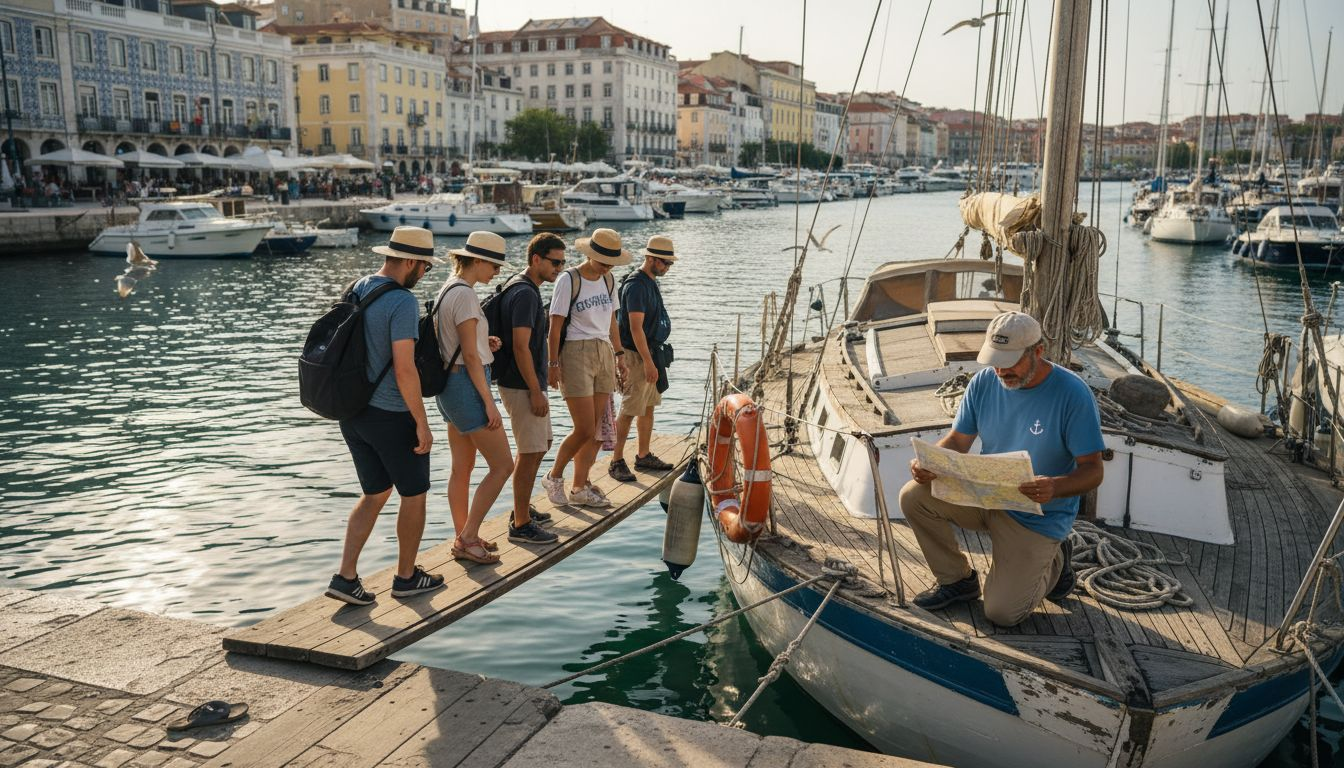
Most American travelers in Lisbon discover that nautical tourism is far more than just cruise ships or passive sightseeing. This vibrant sector offers a hands-on connection to the city’s coastal culture, where sailing and water-based adventures are designed for everyone. With over 70% of global nautical tourists seeking active participation, visitors experience direct engagement with the Atlantic, uncovering hidden corners and personal stories that set Lisbon apart from typical vacation spots.
Table of Contents
Key Takeaways
Point | Details |
Nautical Tourism Definition | Nautical tourism focuses on interactive and immersive water-based experiences, differentiating it from traditional cruise tourism. |
Common Myths | Misconceptions about nautical tourism often lead travelers to underestimate the variety of beginner-friendly activities available. |
Operational Complexity | The successful operation of nautical tourism requires coordination among various stakeholders, ensuring safety and environmental stewardship. |
Financial Considerations | Travelers should prepare for a range of potential expenses beyond initial costs, emphasizing the importance of thorough financial planning. |
Defining Nautical Tourism and Common Myths
Nautical tourism represents a dynamic and evolving sector of travel experiences centered on maritime and aquatic environments. Unlike traditional tourism models, nautical tourism encompasses leisure activities that actively engage travelers with water-based experiences. These activities range from recreational boating and yacht chartering to specialized water sports and coastal exploration.
Critical distinctions exist between nautical tourism and related maritime travel concepts. While cruise tourism primarily focuses on transportation and large-vessel travel, nautical tourism emphasizes personal interaction with maritime environments. Research highlights the nuanced differences between marine, maritime, and nautical tourism, underscoring the complexity of these interconnected yet distinct travel categories. Nautical tourism specifically prioritizes individual leisure experiences, water-based recreation, and direct engagement with aquatic landscapes.
Common myths surrounding nautical tourism often stem from misunderstandings about its scope and definition. Many travelers mistakenly conflate nautical tourism with cruise packages or generic coastal vacations. However, true nautical tourism involves active participation in water-based activities, personal boat navigation, and immersive maritime experiences. These experiences can include yacht chartering, sailing lessons, water sports, and specialized coastal exploration that goes beyond passive observation.
Here is a summary of common myths versus facts about nautical tourism:
Myth | Reality | Resulting Traveler Issues |
It is just like cruise tourism | Focuses on small-group, interactive water activities | Missed adventure opportunities |
Only for experts | Many options for beginners and families | Unnecessary intimidation |
Requires owning a boat | Rental and charter services widely available | Overestimated cost barriers |
Passive observation is enough | Direct participation is central | Less immersive experiences |
Pro tip: When planning a nautical tourism experience, research the specific activities and skill levels required to ensure you select an adventure that matches your comfort and expertise.
Types of Nautical Tourism Activities Worldwide
Nautical tourism encompasses an incredibly diverse range of water-based experiences that cater to different interests, skill levels, and adventure preferences. Global nautical tourism activities span multiple categories, including recreational boating, competitive water sports, and immersive maritime exploration. These experiences are deeply influenced by regional geographic characteristics, cultural traditions, and local marine environments.
The spectrum of nautical tourism activities is remarkably broad. Recreational pursuits include sailing, yacht chartering, jet skiing, windsurfing, and scuba diving. More specialized activities involve wildlife observation, such as fish or whale watching, which connect travelers directly with marine ecosystems. Diverse nautical tourism experiences not only provide entertainment but also contribute to environmental awareness and local economic development. Competitive water sports like kayaking, paddleboarding, and recreational fishing represent additional dimensions of this dynamic tourism sector.

Regional variations play a significant role in shaping nautical tourism offerings. Tropical destinations might emphasize marine wildlife tours and coral reef exploration, while temperate coastal regions could focus on sailing, fishing, and marine conservation experiences. Coastal communities worldwide have recognized nautical tourism as a powerful economic driver, developing infrastructure and specialized programs to attract international travelers seeking unique maritime adventures. The complexity of these offerings reflects the intricate relationship between human recreational interests and marine environments.
Pro tip: Research destination-specific maritime regulations and recommended skill levels before selecting a nautical tourism activity to ensure a safe and enjoyable experience.
How Nautical Tourism Operates in Practice
Nautical tourism involves a complex ecosystem of interconnected services, infrastructure, and stakeholders working together to create seamless maritime experiences. Operational management of nautical tourism requires sophisticated coordination between marinas, charter services, skilled personnel, and regulatory bodies. This intricate system ensures that travelers can enjoy safe, comfortable, and memorable water-based adventures while maintaining high standards of service and environmental responsibility.
At the core of nautical tourism operations are strategic infrastructure elements like marinas, specialized booking platforms, and comprehensive vessel management systems. These components work together to provide travelers with access to diverse maritime experiences, from short coastal tours to extended sailing expeditions. Nautical tourism service coordination involves multiple stakeholders including local governments, private operators, environmental agencies, and tourism boards, each playing a critical role in developing and maintaining sustainable maritime tourism ecosystems.
The practical implementation of nautical tourism requires meticulous attention to several key operational aspects. These include vessel maintenance, safety protocols, skilled personnel training, customer service management, and compliance with local and international maritime regulations. Successful nautical tourism destinations develop integrated systems that balance tourist experiences with environmental conservation, creating sustainable models that protect marine ecosystems while providing economic opportunities for coastal communities. Advanced booking technologies, real-time navigation support, and comprehensive safety training have transformed how nautical tourism experiences are designed, marketed, and delivered.
Pro tip: Always verify an operator’s safety certifications and maintenance records before booking any nautical tourism experience to ensure a secure and professional maritime adventure.
Legal and Safety Requirements for Nautical Tourism
Nautical tourism operates within a complex legal framework designed to protect travelers, operators, and marine environments. International maritime safety regulations establish comprehensive global standards that govern vessel operations, crew qualifications, and passenger safety. These regulations, enforced by organizations like the International Maritime Organization (IMO), create a robust system of checks and balances that ensure maritime experiences meet stringent safety and operational requirements.
The European Union has developed a sophisticated approach to nautical tourism regulation, focusing on harmonizing standards across different countries. European nautical tourism legal frameworks address critical aspects such as skipper qualifications, marina infrastructure, and environmental protection. These regulations aim to create a standardized approach that balances safety concerns with the growing demand for maritime tourism experiences, ensuring that operators maintain high professional standards while protecting marine ecosystems.
Key legal requirements for nautical tourism encompass multiple dimensions of safety and operational excellence. Operators must comply with vessel construction standards, maintain comprehensive insurance coverage, conduct regular safety inspections, and ensure crew members possess appropriate certifications. Search and rescue protocols, pollution prevention measures, and detailed emergency response plans form critical components of these legal obligations. Additionally, flag states and port authorities conduct rigorous inspections to verify compliance, creating a multilayered approach to maritime safety that protects both travelers and marine environments.
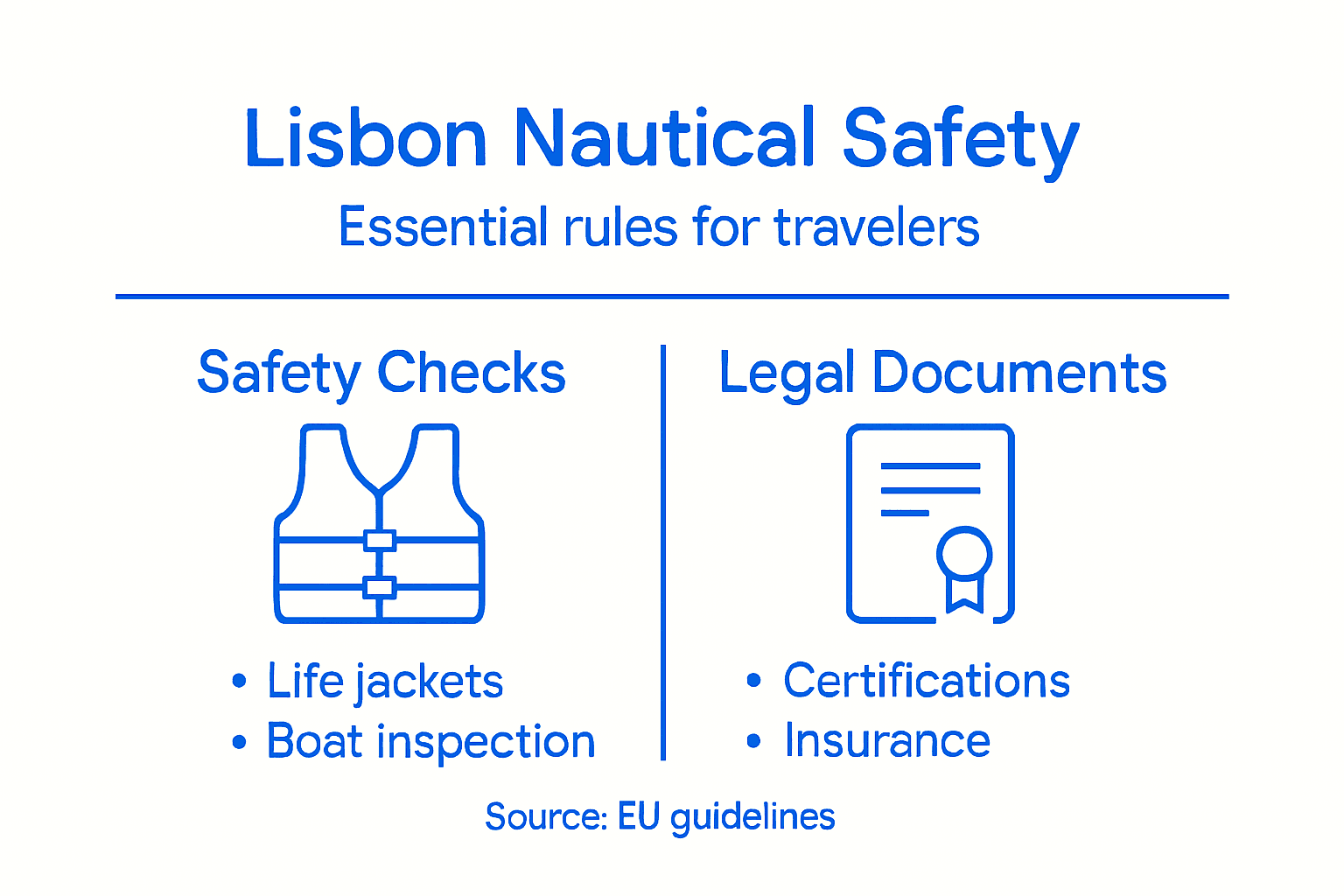
Pro tip: Always request and verify an operator’s safety certification and insurance documentation before embarking on any nautical tourism experience.
Financial Costs and Common Traveler Mistakes
Nautical tourism represents a complex financial investment that extends far beyond simple ticket or rental prices. Nautical tourism financial expenses encompass multiple layers of potential costs including vessel rental, marina fees, fuel, crew expenses, maintenance, and required certifications. Travelers often underestimate the total financial commitment, overlooking hidden fees and logistical expenses that can significantly inflate the overall budget.
Common traveler mistakes in nautical tourism frequently stem from inadequate financial and experiential preparation. These errors range from booking without understanding comprehensive package details to overestimating personal maritime skills. Cruise tourism financial considerations reveal that unexpected expenses like port fees, dining supplements, excursion costs, and mandatory tips can substantially increase trip expenditures. Inexperienced travelers might also neglect critical financial safeguards such as comprehensive travel insurance or emergency funds.
Mitigating financial risks requires thorough research and strategic planning. Travelers should meticulously analyze complete trip costs, including explicit and implicit expenses. This involves understanding package inclusions, comparing multiple operators, evaluating additional service charges, and maintaining a flexible budget for unexpected maritime experience variations. Recognizing potential financial pitfalls helps travelers make informed decisions, preventing budget overruns and ensuring a more enjoyable nautical tourism experience. Strategic financial preparation involves researching local maritime regulations, understanding cancellation policies, and maintaining realistic expectations about the total trip investment.
Before budgeting for a nautical tourism adventure, consider these key expense types and recommended safeguards:
Expense Type | Typical Cost Range | Suggested Preparation |
Vessel Rental | $300–$2,000 per day | Compare multiple operators |
Marina Fees | $30–$200 per night | Request full fee breakdown |
Crew/Hiring | $100–$500 per day | Verify professional certifications |
Fuel & Maintenance | $50–$300 daily | Add contingency budget |
Insurance | $50–$200 per trip | Review coverage specifics |
Pro tip: Create a comprehensive budget spreadsheet that includes all potential nautical tourism expenses, adding a 15-20% contingency fund for unexpected costs and emergencies.
Discover Lisbon’s Coastline Like Never Before with Nautical Tourism
Nautical tourism offers unmatched opportunities to actively engage with the maritime world instead of just passively observing it. If you are seeking a truly immersive way to explore Lisbon’s historical coastline while enjoying personal boating experiences, Lisbon By Boat is your ideal starting point. We understand that many travelers worry about needing expertise or owning a boat to enjoy nautical adventures. Our daily sailing tours and private yacht cruises are designed to welcome beginners and families alike without any intimidation or hidden costs.
Experience firsthand the beauty and culture of Lisbon through interactive sailing tours guided by passionate experts who bring coastal monuments and maritime history to life. Whether you choose a 2-hour tour or a full-day private charter, you get more than sightseeing — you gain direct participation in nautical activities with all safety and legal requirements fully managed for your peace of mind. Start planning your next maritime adventure today by visiting our homepage and discover how nautical tourism can transform your visit to Lisbon. Secure your spot now at Lisbon By Boat to avoid missing out on this unique coastal experience.
Frequently Asked Questions
What is nautical tourism?
Nautical tourism is a sector of travel focused on maritime and aquatic environments, offering activities like recreational boating, yacht chartering, and water sports.
How does nautical tourism differ from cruise tourism?
Unlike cruise tourism, which focuses on large vessel transportation, nautical tourism emphasizes personal interaction and active participation in water-based activities.
What activities are commonly included in nautical tourism experiences?
Common activities include sailing, jet skiing, scuba diving, whale watching, and various competitive water sports, providing diverse options for travelers.
What should I consider when planning a nautical tourism experience?
Research the specific activities, required skill levels, safety certifications, and total costs associated with your chosen adventure to ensure a safe and enjoyable experience.
Recommended
Comments