

Maritime Lisbon History: Shaping a Seaside Legacy

Most American travelers are surprised to learn that Lisbon’s maritime history helped launch the Age of Discovery, driving global exploration centuries before modern borders existed. This coastal city’s deep bond with the sea is woven into daily life and local culture, shaping everything from its architecture to world-changing trade routes. If you want to understand how Lisbon became a beacon for sailors and dreamers, the city’s nautical landmarks and living traditions offer a powerful window into its legendary heritage.
Table of Contents
Key Takeaways
Point | Details |
Lisbon’s Maritime Legacy | Lisbon’s maritime heritage, rooted in navigation and exploration, has been pivotal in its evolution as a global commerce center. |
Age of Discovery Impact | The Portuguese Age of Discovery transformed Lisbon into an epicenter of global exploration, reshaping trade routes and cultural exchange. |
Modern Maritime Culture | Today, Lisbon balances historical preservation with modern maritime activities, showcasing its enduring connection to the sea. |
Economic Influence of Maritime Traditions | The maritime heritage continues to influence Lisbon’s cultural identity, integrating maritime experiences into culinary and social landscapes. |
Lisbon’s Maritime Heritage Explained Clearly
Lisbon’s maritime legacy stretches back centuries, transforming this coastal city into a global maritime powerhouse. From the Age of Discovery to modern times, the Portuguese capital has been intricately connected to oceanic exploration and trade. Understanding Lisbon City History reveals how the sea has fundamentally shaped the city’s identity and economic development.
The nautical heritage of Lisbon is deeply rooted in navigational prowess and maritime innovation. Portuguese sailors were among the first to develop advanced navigation techniques, enabling long-distance oceanic voyages during the 15th and 16th centuries. They created sophisticated maritime technologies like the caravel, a nimble sailing ship that could navigate complex ocean currents and withstand challenging maritime conditions. These technological advancements allowed Portugal to establish trade routes across Africa, Asia, and South America, making Lisbon a critical hub of global commerce.
Today, Lisbon’s maritime spirit continues to thrive. Modern sailors and maritime enthusiasts can Discover Lisbon by Boat, experiencing the same waters that once carried legendary explorers like Vasco da Gama. The city’s waterfront museums, historic ships, and nautical monuments serve as living testaments to its rich maritime history. From the iconic Belém Tower to the maritime museums showcasing navigational artifacts, Lisbon remains a celebration of human exploration and oceanic achievement.
The maritime culture of Lisbon extends beyond historical significance. It represents a profound connection between human ambition, technological innovation, and the endless possibilities of oceanic exploration. Each wave that laps against Lisbon’s shores tells a story of courage, discovery, and the unbreakable bond between this city and the sea.
Navigators, Explorers, and Golden Age Voyages
The Portuguese Age of Discovery represents a pivotal moment in world maritime history, transforming Lisbon into the epicenter of global exploration. During the 15th and 16th centuries, Portuguese navigators ventured beyond known geographical boundaries, mapping unprecedented maritime routes and establishing complex trading networks across continents. These extraordinary voyages were not mere geographical expeditions but revolutionary moments that fundamentally reshaped human understanding of global interconnectedness.
Prince Henry the Navigator emerged as a critical architect of maritime exploration, establishing a revolutionary navigation school in Sagres that trained generations of skilled sailors and cartographers. His strategic vision propelled Portuguese maritime technologies far beyond contemporary European capabilities. Legendary explorers like Vasco da Gama, who successfully navigated to India, and Ferdinand Magellan, who completed the first circumnavigation of the globe, became symbols of Portuguese maritime prowess. The Monument to the Discoveries in Lisbon stands as a powerful tribute to these extraordinary individuals who expanded humanity’s geographical and cultural horizons.
The technological innovations of this era were remarkable. Portuguese shipbuilders developed the caravel, a revolutionary sailing vessel that could navigate complex oceanic conditions with unprecedented maneuverability. These ships featured advanced rigging systems and hull designs that enabled longer voyages and more precise navigation. By combining sophisticated maritime engineering with extraordinary human courage, Portuguese explorers charted sea routes to Africa, Asia, and South America, establishing trading posts and colonial networks that would reshape global economic dynamics.
The Navy Museum) in Lisbon serves as a remarkable repository of this maritime legacy, preserving artifacts, ship models, and historical documents that chronicle these extraordinary voyages. Through its exhibits, visitors can trace the remarkable journey of Portuguese maritime exploration, understanding how a small European nation transformed global commerce and cultural exchange through unprecedented nautical innovation and exploratory spirit.
The Evolution of Lisbon’s Historic Port
Lisbon’s port represents a living testament to maritime transformation, evolving from a medieval trading hub to a sophisticated modern maritime center. Throughout centuries, this strategic waterfront has been the economic heartbeat of Portugal, witnessing profound technological and commercial transitions. Understanding Lisbon Sightseeing reveals how the port’s landscape has dramatically changed, reflecting the city’s dynamic maritime heritage.
During the Age of Discovery, Lisbon’s port was the world’s most critical maritime gateway, serving as a launching point for global exploration and international trade. Portuguese navigators used this port as a strategic base for expeditions that would map unknown territories and establish unprecedented trade routes across Africa, Asia, and South America. The port’s infrastructure continuously adapted, developing specialized facilities for loading spices, precious metals, and exotic goods that would transform European economic landscapes.

The industrial revolution brought significant modernization to Lisbon’s port, introducing steam-powered technologies, advanced cargo handling systems, and expanded maritime infrastructure. These technological innovations allowed the port to transition from traditional sailing vessels to powerful steamships, dramatically increasing cargo capacity and international trade efficiency. By the early 20th century, Lisbon had become a sophisticated maritime hub, integrating cutting-edge technologies with its rich navigational traditions.
Today, Lisbon’s port continues to balance historical preservation with modern maritime requirements. Lisbon Cultural Experiences Onboard highlights how the port remains a vibrant center of maritime activity, blending historical significance with contemporary commercial and cultural interactions. From traditional fishing boats to modern cruise ships, the port represents an ongoing narrative of maritime innovation, economic resilience, and cultural exchange.
Major Monuments and Waterfront Landmarks
Lisbon’s waterfront stands as an architectural chronicle of maritime history, with iconic landmarks that narrate centuries of oceanic exploration and cultural significance. Each structure along the riverfront tells a profound story of Portuguese maritime ambition, technological innovation, and global influence. The Belém Tower emerges as a quintessential symbol of this maritime legacy, representing both defensive architecture and a ceremonial gateway to Portugal’s golden age of exploration.

The Monument to the Discoveries represents another extraordinary landmark that captures the spirit of Portuguese maritime achievement. This monumental sculpture stands as a dramatic tribute to the navigators who transformed global understanding during the Age of Discovery. Featuring impressive statues of legendary explorers like Vasco da Gama and Prince Henry the Navigator, the monument symbolizes the courage and vision that propelled Portuguese sailors across uncharted waters, establishing unprecedented trade routes and cultural connections.
Beyond these iconic structures, Lisbon’s waterfront is dotted with numerous historical maritime landmarks that chronicle different eras of nautical development. The Padrão dos Descobrimentos (Monument to the Discoveries) and the magnificent 16th-century Belém Tower are UNESCO World Heritage sites that showcase the sophisticated architectural and engineering capabilities of Portuguese maritime civilization. These landmarks are not mere static monuments but living historical narratives that connect contemporary visitors with the extraordinary maritime traditions that shaped global exploration.
Modern waterfront developments continue to honor this rich maritime heritage while embracing contemporary urban design. The MAAT (Museum of Art, Architecture, and Technology) represents a perfect fusion of historical reverence and architectural innovation, situated precisely where ancient maritime routes once converged. From traditional stone fortifications to sleek modern museums, Lisbon’s waterfront remains a dynamic canvas that celebrates the city’s unbreakable connection to the sea.
Maritime Influence on Local Culture and Trade
The maritime heritage of Lisbon has profoundly shaped every aspect of the city’s cultural and economic identity, transforming it from a local trading port to a global economic powerhouse. Generations of sailors, merchants, and explorers have woven maritime traditions into the very fabric of Lisbon’s social landscape, creating a unique cultural ecosystem deeply connected to oceanic experiences. The Navy Museum) serves as a powerful testament to this intricate relationship between maritime history and local cultural development.
Traditional Portuguese industries like fishing, shipbuilding, and international trade have been fundamental in defining Lisbon’s economic character. Seafood remains a cornerstone of local cuisine, with restaurants featuring fresh catches that reflect centuries of maritime expertise. The city’s culinary traditions, economic structures, and social hierarchies have been consistently influenced by maritime activities, creating a distinctive urban culture that celebrates oceanic connections. Neighborhood festivals, maritime artworks, and architectural designs continue to reflect this deep-rooted maritime consciousness.
Beyond economic impacts, maritime experiences have shaped Lisbon’s social interactions and community narratives. Sailors’ stories, navigation techniques, and global encounters have become integral to local storytelling and cultural identity. The city’s music, literature, and artistic expressions frequently draw inspiration from maritime themes, celebrating the courage and adventure associated with oceanic exploration. Exploring Lisbon’s maritime heritage reveals a complex tapestry of cultural interactions that transcend simple economic exchanges.
Today, Lisbon continues to reinvent its maritime legacy, balancing historical traditions with modern global connections. Contemporary industries like tourism, marine research, and sustainable ocean technologies have emerged, demonstrating the city’s ongoing adaptation. From traditional fishing communities to cutting-edge maritime research centers, Lisbon remains a dynamic hub where oceanic heritage meets future innovation, ensuring that the maritime spirit continues to pulse through the city’s veins.
Discover Lisbon’s Maritime Legacy from the Water
Understanding Lisbon’s rich maritime history reveals the profound connection this city has with oceanic exploration, innovation, and cultural heritage. If you want to experience firsthand the same stunning coastline that welcomed legendary explorers and see iconic landmarks like the Belém Tower and the Monument to the Discoveries, our sailing tours are the perfect way. These tours provide a unique perspective that connects history with the breathtaking views only accessible by boat.
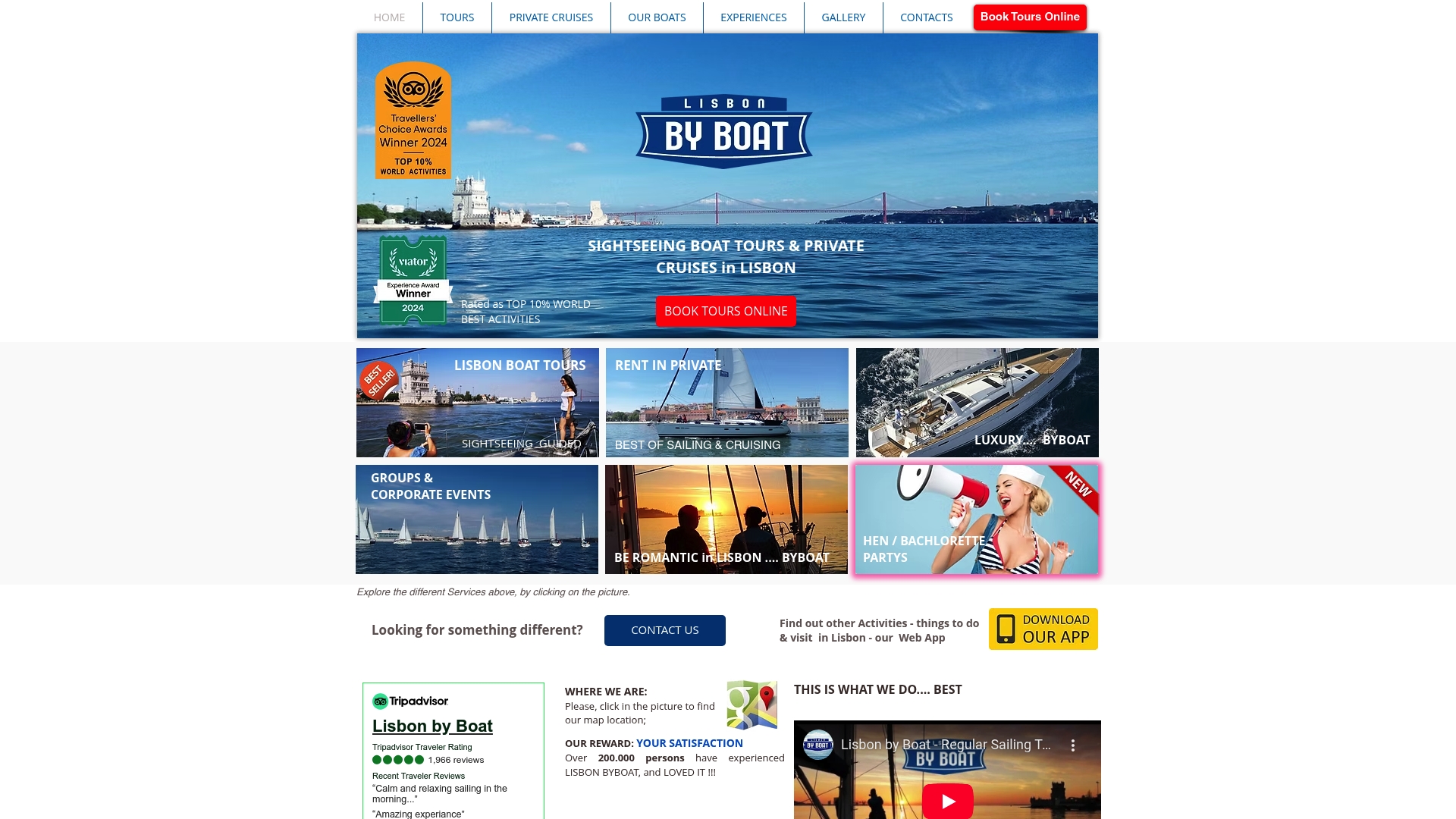
Set sail with us at Lisbon By Boat and immerse yourself in the stories of navigators, historic ports, and waterfront monuments. Choose from our daily 2-hour tours or private cruises on elegant yachts and catamarans. Don’t miss the chance to bring Lisbon’s maritime heritage to life on the water today with Discover Lisbon by Boat and enrich your journey through Understanding Lisbon City History. Book now to secure your spot on this unforgettable voyage.
Frequently Asked Questions
What impact did the Age of Discovery have on Lisbon’s maritime history?
The Age of Discovery transformed Lisbon into a global maritime hub, as Portuguese navigators explored new territories and established trade routes, significantly influencing global commerce and cultural exchange.
How did Portuguese navigators advance ocean exploration in the 15th and 16th centuries?
Portuguese navigators developed advanced navigation techniques and innovative ship designs, such as the caravel, which enabled them to undertake long-distance voyages and navigate complex ocean currents more effectively.
What are some key monuments that reflect Lisbon’s maritime heritage?
Key monuments include the Belém Tower and the Monument to the Discoveries, which celebrate the achievements of legendary explorers and represent Lisbon’s rich maritime history.
How has Lisbon’s maritime culture influenced its local economy?
Lisbon’s maritime legacy has shaped its local economy by promoting industries like fishing, shipbuilding, and trade, which remain integral to the city’s culinary traditions and social interactions.
Recommended
Comments