

Lisbon Wine Tasting Experiences: Your 2026 Guide
TL;DR:
Lisbon offers wine lovers access to some of Portugal’s most distinctive and lesser-known wine regions, with experiences ranging from cellar tours to urban tastings. To maximize enjoyment, visitors should schedule tours outside midday hours, choose regional-specific experiences, and combine vineyard visits with city and water activities. The region’s unique DOC appellations, like Carcavelos and Colares, provide rare and historically significant wines that are well worth exploring beyond typical tourist routes.
Few cities give wine lovers as much to work with as Lisbon. The Portuguese capital sits within reach of some of the country’s most distinctive wine regions, and the lisbon wine tasting experiences you can find here range from cellar tours in ancient quintas to sommelier-led flights at urban wine bars steps from the Tagus River. Whether you have a full day to spend in Azeitão or just two hours in Bairro Alto, Lisbon delivers depth, variety, and genuinely good wine. This guide shows you how to find the real ones and skip the tourist traps.
Table of Contents
Key Takeaways
Point | Details |
Book morning or afternoon slots | Avoid lunch hours when scheduling tours, since most vineyards pause operations midday. |
Know your wine regions | Lisboa DOC appellations like Carcavelos and Colares offer unique local terroir not found elsewhere in Portugal. |
Match tour length to your day | Carcavelos suits a half-day visit; Arrábida and Setúbal require full-day logistics and planning. |
Urban bars complement vineyard trips | City wine bars with sommelier-led tastings are ideal for travelers short on time or staying in the center. |
Combine experiences for full immersion | Pairing a wine tour with a food tour or boat excursion gives you far more cultural context than wine alone. |
What you need for an ideal Lisbon wine tasting experience
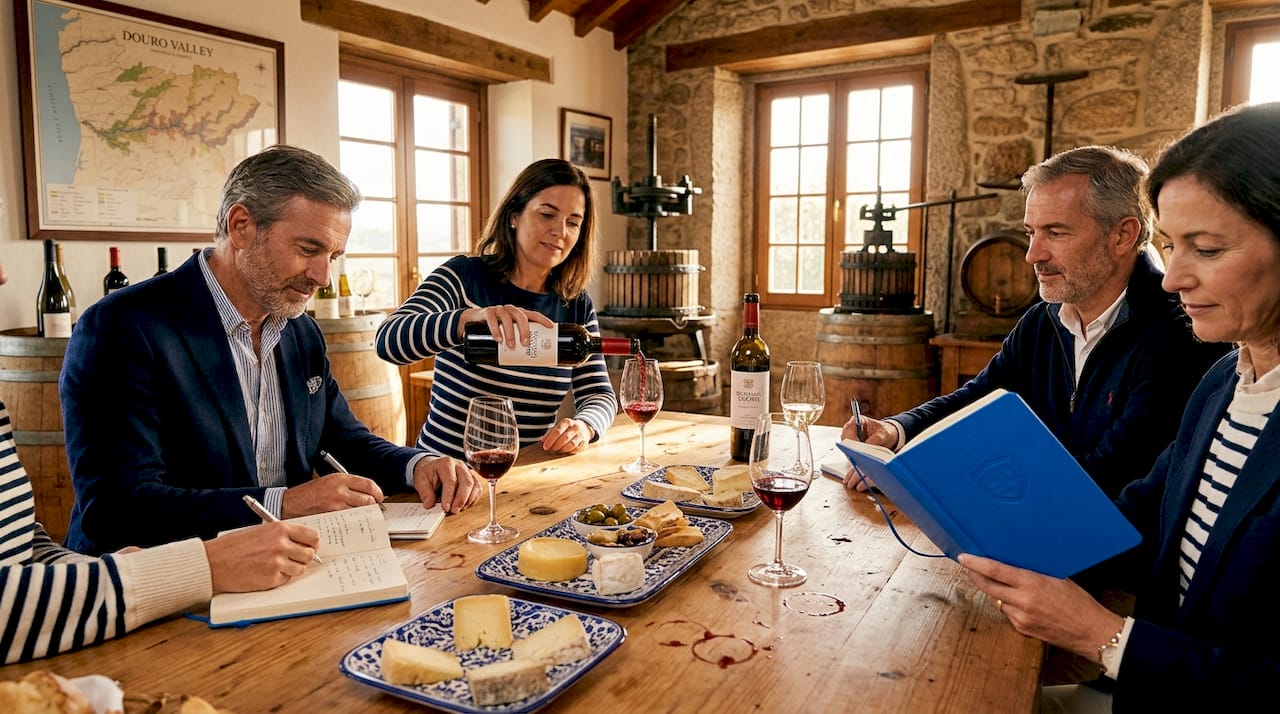
Portuguese wine culture uses the term enotourism (or enoturismo locally) to describe structured winery and vineyard visits, and that framing matters. It signals that the best experiences here are educational by design, not just an excuse to drink. When you arrive prepared, you get far more out of them.
Before booking any tour, consider the following:
Comfortable walking shoes. Vineyard grounds are uneven. You will cover more ground than you expect, especially during cellar tours with stone staircases.
A small notebook or your phone. Writing down what you taste, especially when cycling through six wines in a single session, helps you remember what you actually liked.
Water and a light snack beforehand. Tasting on an empty stomach blunts your palate and accelerates the effects of alcohol. You want to pace yourself.
Camera or phone with a good camera. Vineyards near Lisbon are visually striking, particularly in the Arrábida Natural Park area.
Booking timing matters more than most guides admit. Tours run throughout the day but avoid lunch hours, so late morning slots (around 10:30 or 11:00 AM) and mid-afternoon slots (around 2:30 or 3:00 PM) are your best options. You get an alert palate and avoid the midday rush.
When selecting a tour, match it to your actual interest. If you want to explore wines specific to the Lisbon region rather than Portuguese wine broadly, look for tours anchored to local DOC appellations like Carcavelos or Colares. These are historically significant and geographically close to the city, and most generic tours skip them entirely.
On etiquette: spitting during tastings is completely normal and encouraged when you are trying six or more wines. There is no dress code at most vineyard tours, but smart casual is always appropriate. Pace yourself, ask questions, and don’t rush through flights just to reach the next wine.
Pro Tip: Before booking, email the tour operator and ask whether the guide specializes in the Lisboa DOC region specifically. Generic Portuguese wine knowledge is common. Regional expertise is rare and worth seeking out.
Step-by-step guide to vineyard and winery tours near Lisbon
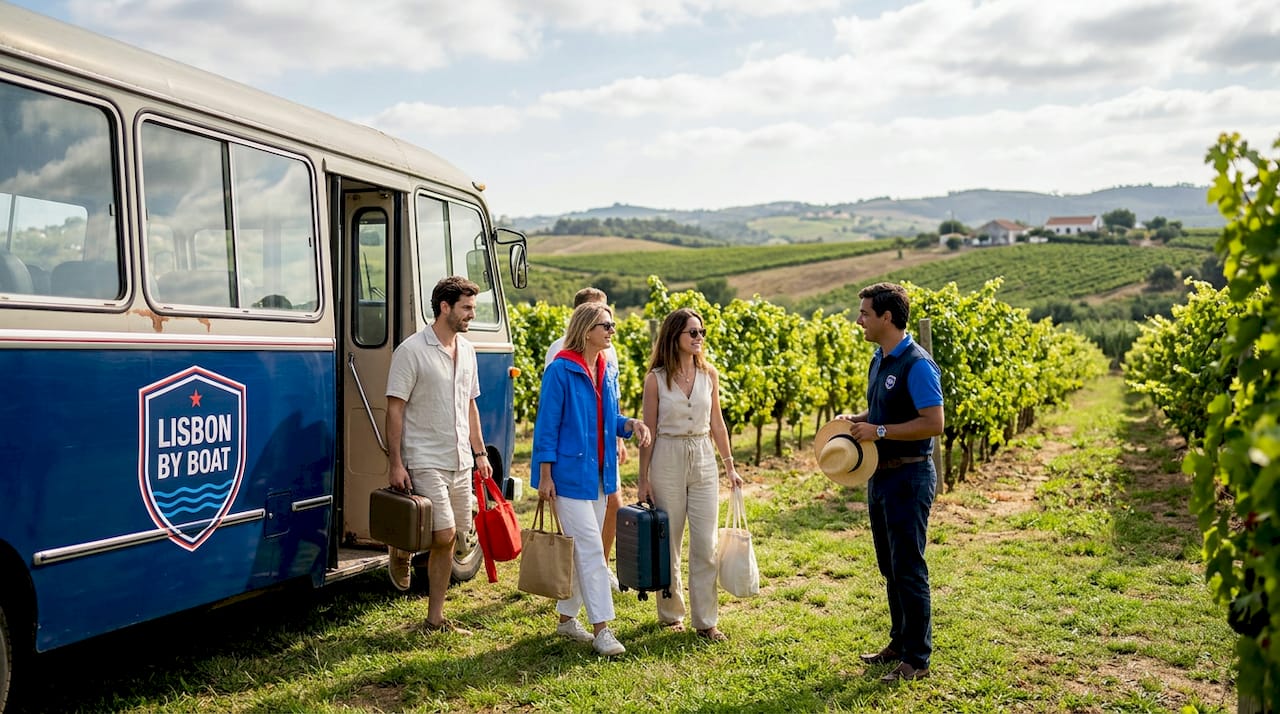
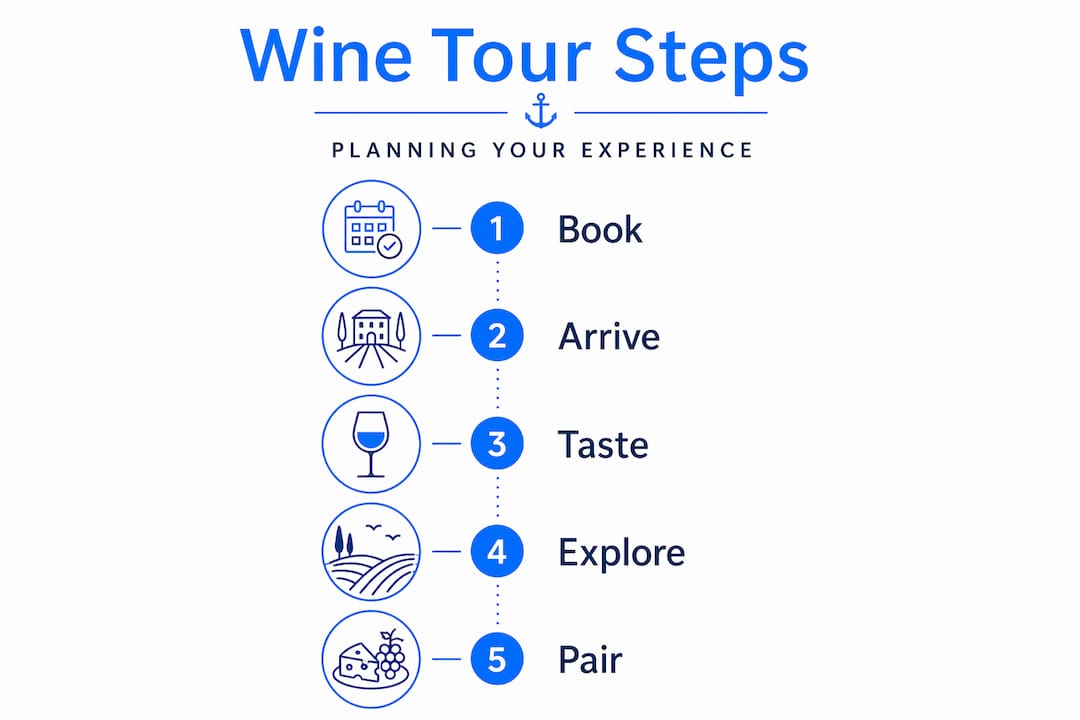
Understanding how these tours actually unfold helps you set the right expectations and get the most out of each stop. Here is what a typical vineyard visit looks like, step by step:
Arrival and introduction. Your guide orients the group at the entrance, often covering the estate’s history and the wine region’s geography.
Vineyard walk. You move through the vine rows with commentary on grape varieties, vine training, and the current growing season. Expect 20 to 30 minutes outdoors.
Production and cellar visit. This is where most visitors agree the real experience happens. The cellar and production areas are where nuances of terroir and winemaking become tangible, from fermentation tanks to barrel rooms with decades of history on the walls.
Tasting flight. You sit down to a structured tasting of typically 4 to 6 wines including whites, reds, and often a Setúbal Moscatel or fortified wine. The guide walks through each one.
Q&A and wrap-up. Most guides welcome questions. This is where you get the honest, off-the-script commentary that makes a tour worth the price.
For half-day options, Carcavelos is the standout. Quinta da Corrieira sits about 20 minutes from Lisbon city center, and tastings there last between 1.5 and 3 hours. The wines are unique: Carcavelos is one of Portugal’s rarest DOC regions, producing a fortified wine that most tourists never encounter. It is a hidden gem that rewards anyone willing to detour from the obvious.
For full-day excursions, the Arrábida and Setúbal peninsula routes are the benchmark. Full-day wine tours from Lisbon to Arrábida typically include roundtrip transportation, two cellar visits, and six wine tastings with a multilingual guide, starting from around €85 per person. The landscape alone justifies the trip. Arrábida’s limestone cliffs and turquoise water create a context for wine drinking that no city venue can match.
Tour Type | Duration | Distance from Lisbon | Best For |
Carcavelos half-day | 1.5 to 3 hours | ~20 minutes | Time-limited visitors, fortified wine fans |
Azeitão/Setúbal half-day | 3 to 4 hours | ~40 minutes | First-time vineyard visitors |
Arrábida full-day | 6 to 8 hours | ~50 minutes | Deep wine exploration, scenic experiences |
Pro Tip: If you are choosing between Azeitão and Arrábida for a first vineyard tour, go with Arrábida if the weather is good. The scenery adds a dimension that turns a good tasting into a genuinely memorable day.
Check out essential tips for Lisbon wine tours for more planning detail before you book.
Exploring Lisbon’s urban wine scene
Not every great wine experience requires a car or a bus. Lisbon’s city wine bars have become serious destinations in their own right, and for travelers with limited time, they offer curated tastings with genuine depth in a relaxed, social setting.
Here is what the urban tasting scene currently offers:
Sommelier-led flights. Several bars in Bairro Alto, Príncipe Real, and Mouraria offer structured tastings where a sommelier walks you through three to five wines with context and food pairing suggestions. You learn while you drink.
Natural wine focus. Lisbon’s wine bars are increasingly evolving into cultural hubs showcasing natural and minimal intervention wines. If you have only ever drunk conventional wine, this is an eye-opening detour.
Outdoor terraces with views. Venues like By The Wine, Wine Lover Bairro Alto, and Senhor Uva offer outdoor seating with scenic city views. Tasting a good Vinho Verde on a Lisbon terrace at sunset is not a bad way to spend an evening.
Food pairing on site. Most urban wine bars offer cheese, charcuterie, and small plates designed to complement what is in your glass. This is where Lisbon wine and food pairing is done at its most accessible and honest.
The key advantage of the city approach is flexibility. You can walk in without a reservation at many venues, shift between bars based on mood, and pace yourself across an afternoon. For travelers doing a one-day itinerary, this fits naturally into a full day in Lisbon without requiring advance planning.
Combining wine tours with other Lisbon experiences
Wine tasting in isolation is good. Wine tasting woven into a broader day is significantly better. Lisbon makes this easy because its geography puts beaches, historic neighborhoods, seafood restaurants, and the Tagus River all within an hour of each other.
A few combinations worth building around:
Wine tour plus food tour. A morning vineyard visit paired with an afternoon food tour in Lisbon gives you a genuinely rounded picture of Portuguese culture. Food and wine here are inseparable, and experiencing both in the same day reinforces that connection.
Wine tasting plus boat tour. This is where Lisbonbyboat adds something that no wine tour operator does on its own. Combining a morning cellar visit with an afternoon sailing tour on the Tagus gives you two completely different sensory experiences of the same city. The river view of Lisbon, with Belém Tower and the Jerónimos Monastery in the background, is as memorable as any wine you will taste.
Full-day tours with cultural stops. Some full-day tours include extras like lunch at local restaurants and stops at cultural sites, which gives you far more value than a pure tasting itinerary.
Pro Tip: Schedule wine tours for the first half of the day and boat or cultural experiences for the afternoon. You will be sharper for the educational part of the wine tour and more relaxed by the time you are watching the sunset from the water.
Also consider accessible day trips near Lisbon for options that pair naturally with a half-day wine excursion before returning to the city.
Common mistakes that reduce your enjoyment
Even seasoned wine travelers make avoidable errors when visiting Lisbon’s wine scene. These are the most common ones.
Booking tours that don’t match your interest level. A tour designed for beginners will feel slow if you already know your Alvarinho from your Arinto. Ask the operator explicitly what level of wine knowledge the tour assumes.
Staying silent during guided tastings. Guides at vineyard tours are often passionate experts who share far more when the group engages. Ask about the vintage, the soil, the decisions made in the cellar. The best information never makes it into the standard script.
Ignoring local specialties. Most tourists taste Douro reds and Vinho Verde and call it done. The wines that make Lisbon’s region genuinely worth exploring are the DOC appellations close to the city. Setúbal Moscatel, Carcavelos fortified wine, and Colares wines made from ungrafted Ramisco vines are historically significant and locally distinct. None of them show up on a standard Portuguese wine tour.
Overcommitting your schedule. Booking two full vineyard tours in the same day is a recipe for palate fatigue and diminishing returns. One vineyard visit and one urban bar in the evening is a better formula.
Skipping water between wines. This is not just about pace. Staying hydrated lets your palate reset between flights and keeps the experience sharp across multiple tastings.
My honest take on Lisbon’s wine scene
I’ve watched tourists leave Lisbon having tasted ten wines and learned almost nothing. They went through the motions of a vineyard tour but never asked a question, never spit, never detoured from the obvious. That is a real waste of what this region offers.
What I’ve come to believe, after spending real time with both the vineyard tours and the city bars, is that the most rewarding approach combines both. Start with a half-day at a quinta like Quinta da Corrieira in Carcavelos. It is close, it is unhurried, and it grows wines that almost no one outside Portugal has ever tried. Then spend an evening at a natural wine bar in Príncipe Real.
The contrarian point I want to make is this: the Lisboa DOC appellations are more interesting than the Douro, at least if what you care about is discovering something genuinely new. Carcavelos and Colares are rare, historically loaded appellations that produce wines with no obvious parallel anywhere else in the world. Most tourists ignore them entirely because they are not on the famous wine map. That is exactly why you should seek them out.
One more thing: the boat connection matters. I’ve seen people arrive in Lisbon, rush through a wine tour, and fly home without ever sitting on the water. The Tagus is part of what makes this city feel the way it does. Combine your wine day with time on the river and the whole experience shifts.
— Lisbon
Discover Lisbon from the water with Lisbonbyboat
At Lisbonbyboat, we know that the best days in Lisbon aren’t spent doing one thing. They’re spent doing the right combination of things. Our sailing tours run daily along Lisbon’s historic coastline, and our guides bring the city’s monuments and riverfront to life in a way that no land tour replicates. After a morning wine tasting at a local quinta, there is nothing better than spending the afternoon on the Tagus with the breeze off the water and the city’s skyline unfolding around you.
For something truly special, our luxury yacht experiences can be tailored to include wine tasting on the water, making your Lisbon trip genuinely unforgettable. Groups and couples looking for a fully private experience will find exactly that with our charter yacht options, customizable from two hours to a full day. Browse all of our boat tour options and find the one that fits your Lisbon plans.
FAQ
What are the best wine regions to visit near Lisbon?
The most rewarding wine regions near Lisbon are Carcavelos, Setúbal, Azeitão, and Arrábida. Carcavelos offers rare fortified wines just 20 minutes from the city center, while Arrábida suits full-day excursions with multiple cellar visits.
How much does a wine tasting tour from Lisbon cost?
Prices vary by format and group size. Full-day Arrábida wine tours start from around €85 per person and include transportation, two cellar visits, and six wine tastings with a multilingual guide.
How long do Lisbon vineyard tours typically last?
Most vineyard tours run between 1.5 and 4 hours depending on the destination. Carcavelos visits last 1.5 to 3 hours, while Arrábida full-day excursions run 6 to 8 hours including transport and lunch.
Are Lisbon wine bars worth visiting over vineyard tours?
Yes, especially for travelers with limited time. Lisbon’s urban wine bars offer sommelier-led tastings, natural wines, and food pairings in a flexible, no-booking-required format that fits easily into a one-day city itinerary.
Can I combine a wine tour with a boat tour in Lisbon?
Absolutely. A morning vineyard visit paired with an afternoon sailing tour on the Tagus River is one of the most rewarding ways to spend a day in Lisbon. Lisbonbyboat offers daily sailing tours and private yacht charters that complement a wine-focused morning perfectly.
Recommended
UY88 trang chủ là nơi tôi quan sát sự liên kết giữa các chức năng chính, hướng dẫn sử dụng và những danh mục được giới thiệu trên website. Tôi bắt đầu từ giao diện đầu tiên, tìm phần tài khoản rồi chuyển qua thể thao, casino, nổ hũ, bắn cá và xổ số để xem các đường dẫn có được tổ chức nhất quán không. Sau đó, tôi thử quay lại trang chính và tìm hướng dẫn tải ứng dụng, thông tin liên hệ cùng các trang chính sách. Điều tôi quan tâm không chỉ là mỗi mục có tồn tại mà còn là người dùng có dễ nhận biết vị trí của nó trong toàn bộ bố cục hay…
https://hi88.uno/ giúp tôi xem xét trải nghiệm khi chuyển đổi giữa máy tính và điện thoại. Tôi chú ý đến cách hiển thị các danh mục như poker, baccarat, tài xỉu và sic bo, đồng thời kiểm tra xem vị trí nút điều hướng có thay đổi quá nhiều giữa các kích thước màn hình hay không. Trên thiết bị di động, giao diện cần ưu tiên khả năng chạm chính xác, chữ đủ lớn và khoảng cách hợp lý giữa các thành phần. Trên máy tính, không gian rộng hơn có thể hỗ trợ việc trình bày nhiều thông tin, nhưng vẫn cần giữ thứ tự nội dung quen thuộc. Theo tôi, thiết kế thích ứng hiệu quả không chỉ…
FLY88 được tôi xem xét khi cần kiểm tra khả năng duy trì bố cục trong một phiên có nhiều lần mở và đóng nội dung. Tôi bắt đầu ở casino, mở một lựa chọn rồi trở lại danh sách, sau đó chuyển sang thể thao và thực hiện lại thao tác tương tự. Tôi tiếp tục với bắn cá, xổ số và nổ hũ để xem sau mỗi lần đóng hoặc quay lại, giao diện có giữ được cấu trúc quen thuộc không. Tôi chú ý vị trí tiêu đề, menu và khu vực nội dung vì đây là những điểm giúp tôi nhận ra mình vừa trở về đâu. Nếu bố cục không thay đổi bất ngờ, tôi có…
luck8 được tôi chú ý khi kiểm tra cách giao diện phản ánh những thay đổi xảy ra trong quá trình sử dụng. Tôi mở một khu vực rồi chuyển qua Casino, Nổ hũ, Thể thao, Bắn cá và Đá gà, đồng thời quan sát xem trạng thái hiện tại có được thể hiện đủ rõ để tôi nhận biết hay không. Tôi quan tâm đến những dấu hiệu như mục đang được chọn, trang đang mở và cách hệ thống phản hồi khi chuyển sang lựa chọn mới. Nếu trạng thái được biểu thị rõ, tôi sẽ ít phải kiểm tra lại mình vừa thao tác thành công hay chưa. Tôi cũng thử quay lại và thực hiện một lựa…
nổ hũ khi tôi xem thông tin trước khi mở một trò nổ hũ, tôi thường kiểm tra tên game, hình ảnh nhận diện và các thông tin liên quan đến RTP, volatility, paytable hoặc biểu tượng nếu được cung cấp. Tôi thử chuyển sang một vài trò khác để so sánh cách trình bày, từ đó xem thông tin quan trọng có được đặt ở vị trí dễ tìm hay không. Tôi cũng quan sát phần giải thích Wild, Scatter, jackpot hoặc free spins để hiểu các chức năng chính trước khi bắt đầu. Nếu thông tin được phân tách rõ giữa phần mô tả và phần thao tác, người dùng sẽ dễ xác định đặc điểm từng trò hơn.…