

2 Hour Sunset Cruise: 3 Day Lisbon Plan for First Timers

Split your three days by geography, not by category: Day 1 covers Alfama and its hilltop castle, Day 2 belongs to Belém and the riverside, and Day 3 goes to Sintra if you book Pena Palace tickets ahead, or to a slower neighborhood crawl if you’d rather skip the train. Add a two-hour sunset cruise on Day 1 or Day 2 for the best panorama of the city you won’t get from any miradouro. Start each morning by 9 AM, wear real walking shoes, and you’ll cover the highlights without feeling rushed.
TL;DR:
Visiting Belém early in the morning and pre-booking tickets for Jerónimos Monastery and Pena Palace help avoid the largest crowds and long lines.
Staying in Chiado or Baixa minimizes travel effort, while Alfama and Mouraria offer more authentic, photogenic streets but with steeper terrain.
A two-hour sailing cruise during sunset provides an unrivaled view of Lisbon’s riverfront skyline that cannot be experienced from land.
Booking popular attractions and restaurants two to three days in advance ensures timely access and helps avoid peak-time queues.
Flexible scheduling, such as swapping Sintra for a neighborhood stroll, allows a relaxed pace without missing key experiences.
Table of Contents
Where To Stay For A 3-Day Lisbon Trip
Your neighborhood choice shapes how much energy you spend just getting around, which matters more in Lisbon than in most European capitals because of the hills.
Chiado and Baixa sit at the flat center of the action, walkable to the river, the funiculars, and most tram lines. First-timers who want to minimize logistics and maximize walking access should book here.
Alfama and Mouraria put you inside the oldest, most photogenic part of the city, steps from São Jorge Castle and half the fado houses in town. The tradeoff is real: these streets climb hard, and taxis often can’t reach your door.
Bairro Alto and Príncipe Real run on two different clocks. Bairro Alto goes quiet by day and loud by night, packed with bars and small restaurants. Príncipe Real, just uphill, feels more residential and calmer, with better daytime cafés and boutique shopping.
Cais do Sodré gives you the riverfront, ferry connections across the Tagus, and a nightlife scene that’s shifted here from Bairro Alto in recent years. If watching the sunset over the water matters to your trip, this is the base.
Chiado/Baixa: central, flat, best for first-timers
Alfama/Mouraria: atmospheric, steep, best for fado and photos
Bairro Alto/Príncipe Real: nightlife downstairs, calm uphill
Cais do Sodré: riverfront, ferries, nightlife that’s moved here
What Does A 3-Day Lisbon Itinerary Look Like At A Glance?
Three days is enough to hit Lisbon’s core sights and still add a day trip, as long as you keep mornings early and lunches long rather than rushed. A structure that works consistently for first-time visitors pairs two city days with one day trip day, provided the day-trip tickets get booked in advance.
Day 1 (morning to night): São Jorge Castle, Alfama’s alleys, a miradouro sunset, fado dinner
Day 2 (morning to night): Belém monuments and pastries, an afternoon at LX Factory or a museum, evening at Time Out Market or Praça do Comércio
Day 3 (morning to night): Sintra’s palaces and castle, or a slower Príncipe Real/Chiado neighborhood day if you skip the train
If Sintra doesn’t appeal, swap it for the Day 3 neighborhood alternative and use the free half-day for a two-hour sailing cruise instead. Build in flexibility for lunch. Lisbon rewards travelers who linger over a meal rather than sprint between checkboxes.
Day 1: Alfama, São Jorge Castle, And Fado
Start at São Jorge Castle by 9 AM, before tour groups arrive and before the midday heat makes the climb miserable. The battlements give you your first proper orientation to the city: red rooftops, the Tagus curving south, Cristo Rei across the water. Budget 90 minutes inside.
9:00 AM: Arrive at São Jorge Castle, walk the walls, take the obligatory rooftop photos.
10:45 AM: Descend into Alfama through the narrow lanes below the castle, no fixed route needed. Getting a little lost is the point here.
11:30 AM: Stop at Miradouro de Santa Luzia or continue toward Miradouro da Graça for tiled-wall views over the rooftops toward the river.
1:00 PM: Lunch in Alfama or head down into Baixa for more options. Grilled sardines and a simple Diana sandwich both work well here.
3:00 PM: Wander Baixa’s grid streets, or ride the elevator up to Bairro Alto if your legs are ready for more hills.
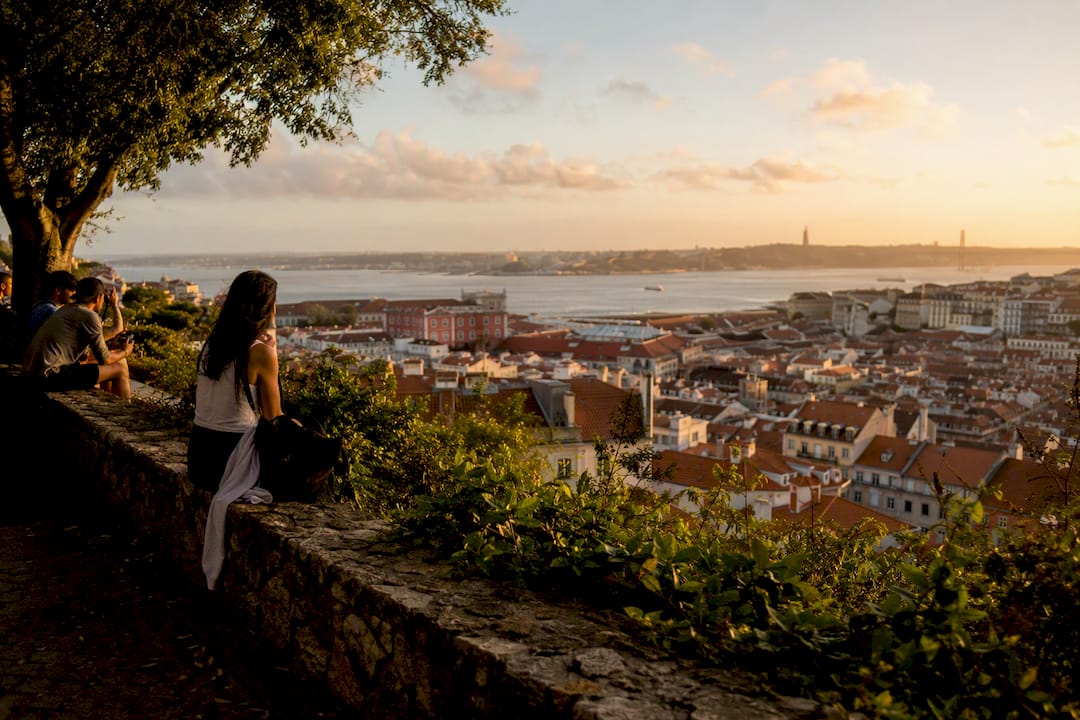
6:30 PM: Head to Miradouro da Senhora do Monte for sunset. It’s one of the highest points in the old city and consistently rated among the best sunset spots in Lisbon by locals who go there with a bottle from the nearby kiosk rather than fighting for space at the more famous overlooks.
8:30 PM: Fado dinner in Alfama or Bairro Alto.
Pro Tip: Board Tram 28 a few stops past its official starting point at Martim Moniz rather than waiting in the line there. Locals know this trick, and it can save you considerable time of standing versus actually getting a seat.
That routing tactic isn’t just folklore. Tram 28 gets genuinely overcrowded at its terminus, and boarding a few stops along the route, once it’s already moving through Graça or Alfama, dramatically improves your odds of finding space.
On the miradouros: Graça edges out Santa Luzia for a slightly calmer crowd at golden hour, though Santa Luzia’s blue-and-white tile backdrop makes for a better photo if that’s your priority. Either way, these hilltop lookouts are what people mean when they say Lisbon looks like nowhere else in Europe.
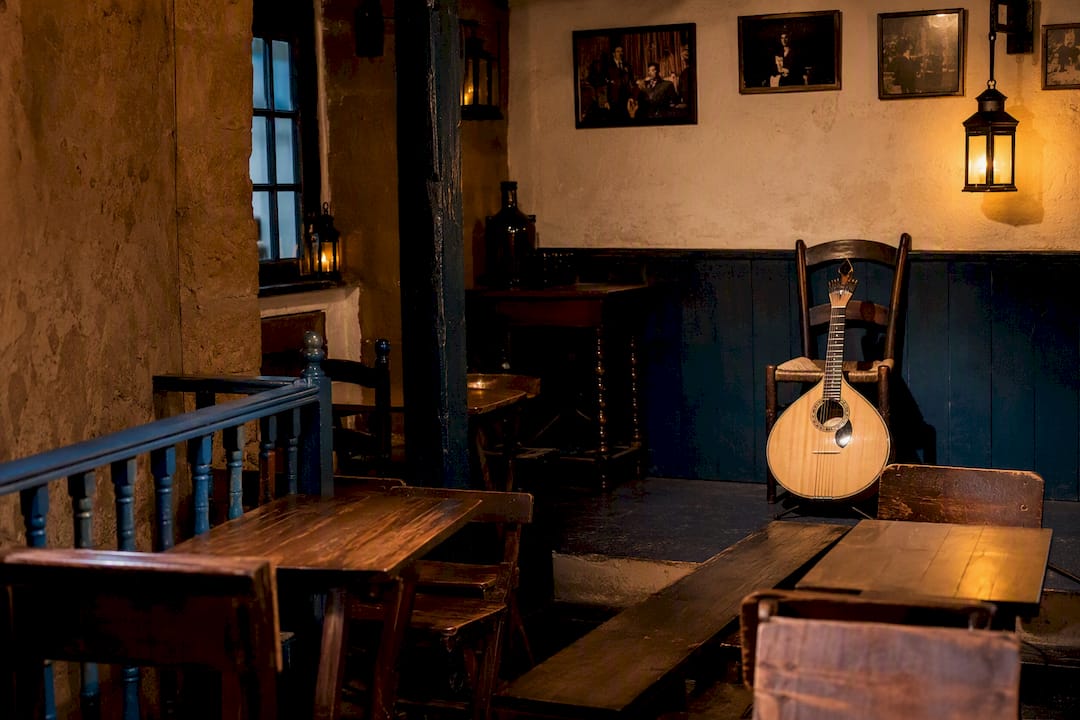
For fado, book a table at least a few days ahead for anywhere reputable, longer during peak season. Expect to pay for a set menu with the music typically running two sets across the dinner. Skip the tourist-trap venues near Rua do Salvador that charge a cover with no minimum food quality guarantee, and ask your hotel for a smaller, family-run house instead.
Day 2: Belém Monuments And The Riverside
Belém rewards an early start more than almost anywhere else in Lisbon, because the crowds here build fast and don’t thin out until late afternoon.
8:00 AM: Arrive at Pastéis de Belém right at opening. The bakery that invented the pastel de nata opens at 8 AM, and getting there before the tour buses means you sit down instead of queuing out the door.
9:00 AM: Walk to Jerónimos Monastery. Book your entry ticket online in advance, ideally a few days ahead in shoulder season and up to a week ahead in summer, since the ticket line alone can eat 45 minutes by midmorning.
11:00 AM: Walk the riverside path to the Padrão dos Descobrimentos for the monument and its viewing platform, then continue to Belém Tower. Check ahead if you want to go inside. The tower has had periodic renovation closures, so confirm current access before planning to enter rather than just view it from outside.
1:00 PM: Lunch near Belém or ride the tram back toward Alcántara.
2:30 PM: Choose your afternoon: LX Factory for its converted warehouse shops, street art, and casual food stalls, or the Museu Nacional do Azulejo if tile history interests you more than shopping.
5:00 PM: Head back toward central Lisbon.
6:30 PM: Time Out Market for an early dinner. Going before the 6 to 7 PM rush gets you a table and a real shot at the market’s best-known stalls without a long wait, since the food hall fills up fast once the dinner crowd arrives.
8:30 PM: Walk to Praça do Comércio for the river-facing square at night, or extend the evening with drinks in Cais do Sodré.
Belém and downtown Lisbon connect by tram 15E or a short train ride, both of which run frequently enough that you don’t need to plan around a schedule. The whole day works best if you resist the urge to see everything inside every building. Jerónimos Monastery’s cloisters deserve real time, but the tower and monument are just as memorable viewed from the outside, saving you an hour you can spend at LX Factory instead.
Day 3: Sintra Day Trip Or A Slower Lisbon Alternative
Sintra is a genuine day trip, not a half-day add-on, and it only works if you commit to an early start and pre-booked tickets.
8:00 AM: Catch the train from Rossio Station to Sintra. The ride takes about 40 minutes, and trains run every 15 to 20 minutes, but the 8 AM departure or earlier puts you at the palaces before the day’s tour buses.
9:00 AM: Walk or shuttle to Quinta da Regaleira for opening. Its symbolic wells and gardens reward an early, uncrowded visit more than any other stop in Sintra.
11:00 AM: Head to Pena Palace. Book your timed entry slot one to two weeks ahead if you’re visiting in summer, since Pena Palace often sells out its peak-season time slots, leaving walk-up visitors stuck in multi-hour lines.
1:00 PM: Walk or shuttle down to the Moorish Castle ruins for panoramic views over Sintra’s forested hills, if your legs and schedule allow a third stop.
2:30 PM: Lunch in Sintra town, near the historic center rather than right at the palace gates, where prices run higher for the same food.
4:00 PM: Train back to Rossio, arriving in central Lisbon by early evening with energy left for a relaxed dinner.
Pro Tip: Sintra’s shuttle buses (Route 434) connect the train station to Pena Palace and the Moorish Castle, but they get packed fast in midmorning. A local tuk-tuk costs more but saves real time if you’re tight on hours.
If Sintra doesn’t fit your plans, whether you’re traveling with kids, watching a budget, or just prefer to stay closer to the city, spend Day 3 exploring Príncipe Real, Chiado, and the National Tile Museum instead. This alternative gives you a slower, walkable morning through boutique streets and green squares, lunch in Chiado, and an afternoon at the tile museum housed in a former convent along the eastern riverfront. It’s a genuinely different kind of day: fewer monuments, more atmosphere.
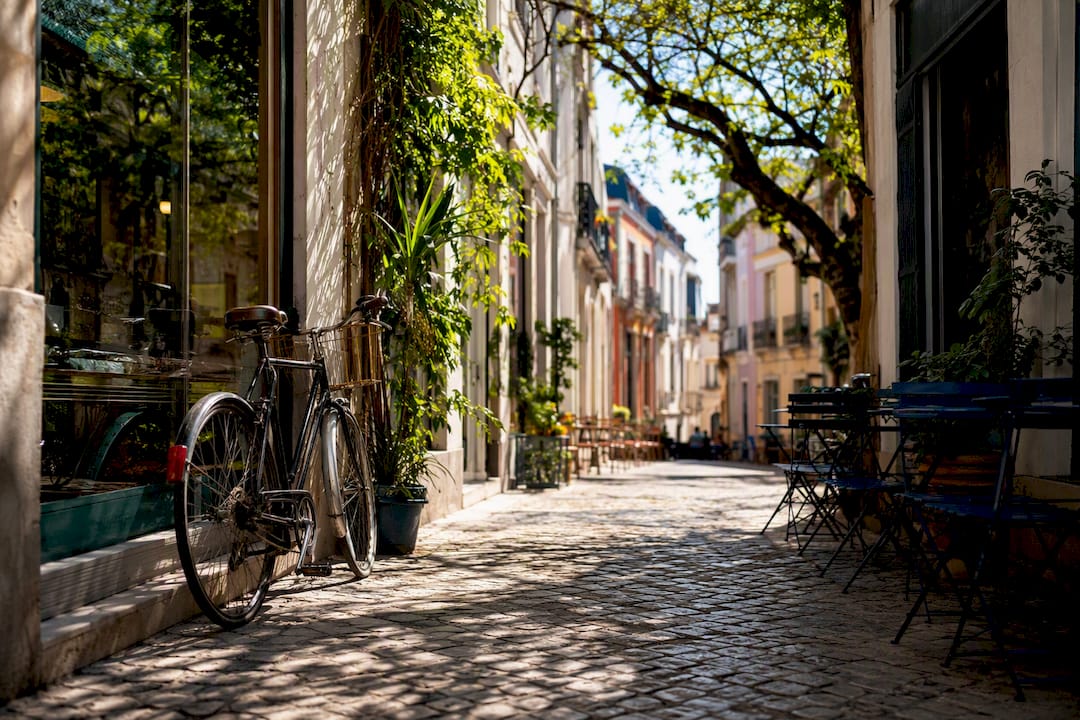
Whichever version you choose, Quinta da Regaleira’s opening-hour advantage or the Chiado alternative both work best when you accept you won’t see everything. Skipping palace interiors in favor of gardens and grounds, or skipping a second museum in favor of a longer lunch, keeps the day from turning into a checklist sprint.
Practical Tips For Getting Around Lisbon In 3 Days
Book Pena Palace one to two weeks ahead for summer visits, and reserve Jerónimos Monastery tickets at least a few days out. Fado dinner reservations need two to three days’ notice at any well-reviewed house, longer during peak months.
For transport, Lisbon’s Navegante card (also called the “zapping” system) covers trams, funiculars, buses, and the metro on a pay-as-you-go basis, and it’s cheaper than buying single paper tickets for each ride. Load it once at any metro station kiosk and top it up as needed.
Plan routes top-down: start at a hilltop viewpoint or castle and walk downhill, rather than climbing at midday in the heat.
Use the funiculars (Elevador da Bica, Elevador da Glória) instead of walking the steepest connecting streets.
Board Tram 28 partway along its route, not at the crowded Martim Moniz terminus.
Keep bags zipped and worn in front on crowded trams, especially Tram 28 and the funiculars, where pickpocketing is more common than elsewhere in the city.
Avoid rush-hour trams (roughly 8 to 9:30 AM and 5:30 to 7 PM) if you’re carrying valuables and can shift your schedule.
Timing tip: visit between March and May or September and October for the mildest weather and thinnest crowds. July and August bring heat and dense tourist traffic that makes every hill feel steeper and every line longer. Comfortable, broken-in shoes matter more here than in almost any other European capital. The cobblestones are beautiful and genuinely hard on ankles and knees after a full day of walking.
Where To Eat And What To Do At Night In 3 Days
Lisbon’s food scene rewards timing as much as taste. Hit Pastéis de Belém at opening for the freshest pastel de nata, still warm, then compare it against a pastelaria near your hotel later in the trip. Most locals have a strong opinion about which version is better, and it’s a fun, low-stakes debate to have with yourself over three days.
Try grilled fish or seafood rice in Cais do Sodré or Intendente, two neighborhoods where the seafood tends to be fresher and the prices lower than in tourist-heavy Chiado.
Visit Time Out Market before 6 PM to beat the dinner rush and get a seat at the busiest stalls.
Book a fado dinner in Alfama for an intimate, traditional setting, or in Bairro Alto for a livelier, more social night.
Choose Bairro Alto for bar-hopping energy and Cais do Sodré for a slightly more polished riverside nightlife scene.
Pairing where you sleep with where you eat matters more than most itineraries admit. Good food and good lodging tend to reinforce each other on a short trip, since you’ll naturally eat closer to home base when you’re tired. For a full rundown of dependable lunch spots across the city, a curated list of Lisbon’s best lunch options can save you decision fatigue on Day 1 or Day 2.
How A 2-Hour Cruise Fits Into Your 3 Days In Lisbon
A short sailing cruise solves a problem most land-based itineraries never quite fix: you can walk every miradouro in the city and still never see Lisbon the way it was meant to be seen, from the water, with the whole riverfront skyline unfolding at once.
A two-hour sightseeing or sunset cruise gives you a full panorama of the Tagus waterfront, including the Belém monuments from an angle no viewpoint on land replicates. Late afternoon or sunset departures tend to deliver the best light on the 25 de Abril Bridge and the riverside skyline.
Slot it into the end of Day 1 (after your Alfama miradouro visit) or Day 2 (after Belém, before dinner) without cutting into your land-based sightseeing.
Expect live commentary on the passing monuments, plus snacks and drinks included on board.
Boats accommodate a range of group sizes, from couples to larger private charters.
Pro Tip: A 2-hour cruise is short enough to fit as a single evening block, which means it doesn’t compete with your museum or castle time. It just adds a different kind of view to the same day.
If you want the water view without giving up a full afternoon, sunset cruise scheduling works around the rest of a packed itinerary rather than against it.
A Local Perspective On Pacing Your 3 Days
Most itineraries front-load the famous names and skip the quieter wins. Miradouro das Portas do Sol, one street over from the crowded Santa Luzia lookout, gets a fraction of the foot traffic with nearly the same view. Pair it with an early lunch around 12:30 PM, before the noon rush hits Alfama’s small restaurants, and you’ll eat better for less.
Pace by protecting your mornings, not your evenings. Monuments and palaces have opening-hour advantages that dinner reservations don’t. Lock in Pena Palace, Jerónimos, and São Jorge Castle for early slots, then let your evenings stay loose enough to follow whatever mood the city puts you in that night.
— Lisbon
See Lisbon From The Water On Your 3-Day Trip
You’ll spend two and a half days climbing hills, standing in monastery lines, and hunting for the least crowded miradouro. A two-hour sailing cruise gives you the one view none of that legwork can replicate: the entire riverfront skyline from the Tagus itself, monuments included, with zero walking required.
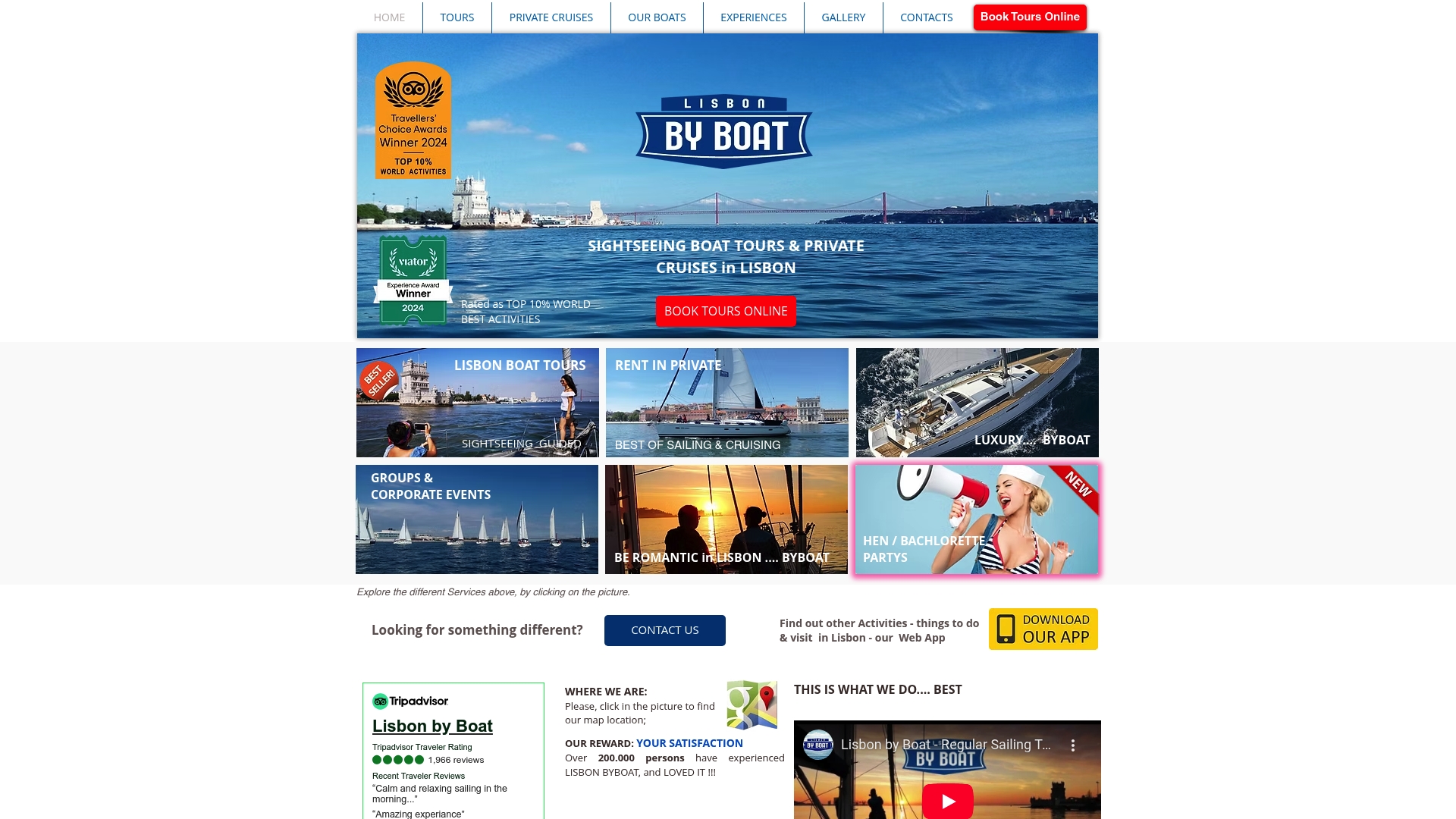
Lisbonbyboat runs daily two-hour sightseeing tours along the historic coastline, with live commentary on the monuments you’ll recognize from Day 2’s Belém walk, plus snacks and drinks included. For a more private setting, sailing yachts and catamarans are available for custom charters running from two hours to a full day. Slot either option into a late Day 1 or Day 2 evening, right around sunset, and you’ll add the trip’s best photo without losing a single land-based stop. Check available departure times and book a two-hour tour before your dates fill up, especially if you’re traveling during the March to May or September to October shoulder season.
Sources
Recommended
Comments