

See Lisbon in 2 Days Without the Rush: Add a 45 Minute Tagus Sail
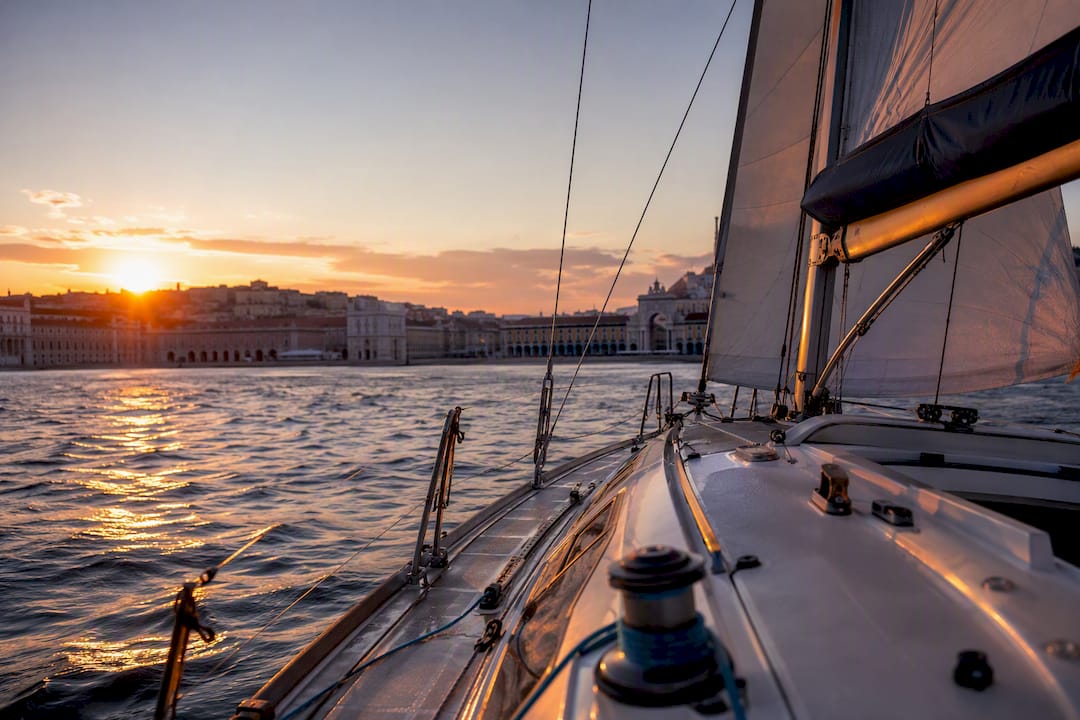
Yes, two days is enough to see Lisbon’s essentials if you prioritize a Belém morning, the Alfama-Baixa-Chiado core and one sunset viewpoint or short river cruise. Start each day early and prebook tickets for Jerónimos Monastery and São Jorge Castle. The single biggest time-saver: take the train to Belém instead of the tram, and consider swapping one land-based miradouro for a 45-minute Tagus cruise.
TL;DR:
Using the train from Cais do Sodré to Belém is faster and more reliable than the tram, especially in the morning when crowds are light.
Booking tickets online in advance for São Jorge Castle and Jerónimos Monastery saves time and secures entry during peak hours.
The Lisboa Card is cost-effective only if you plan multiple paid attractions and heavy public transport use; otherwise, pay-as-you-go is more economical.
Walking estimates are often overly optimistic in Lisbon due to hills; add extra time and wear suitable shoes for steep, cobbled streets.
Incorporating a short water cruise around sunset offers a time-efficient way to see key city landmarks from a unique perspective and can replace land-based viewpoints.
Table of Contents
Getting Around Lisbon Efficiently: Transport, Timing, and the Lisboa Card
Day 1: A Timed Route Through Alfama, São Jorge Castle, and Baixa-Chiado
Day 2: Belém Early Morning, Then MAAT, Museums, or LX Factory in the Afternoon
Food and Evening: Pastel de Nata, Time Out Market, and Where to Hear Fado
Tagus River Options: 45-120 Minute Cruises, Sunset Sails, and Private Charters
Lisbonbyboat: The Fastest Way to See the Coastline You Just Walked
Publisher Perspective: How We Craft a Realistic 48-Hour Visit
Getting Around Lisbon Efficiently: Transport, Timing, and the Lisboa Card
Lisbon punishes travelers who trust a map app without adjusting for hills. The city is built on seven of them, and walking estimates from standard map apps run 30 to 40% too optimistic here once you factor in the climbs between Alfama and the miradouros. Budget the extra time, wear shoes you’ve already broken in, and treat any “12-minute walk” reading with suspicion until you’ve tested it once yourself.
For getting between neighborhoods, three options cover almost everything you’ll need:
Metro: fastest for longer hops (airport to downtown, or crossing between distant districts) but limited near the old town, where narrow streets predate any rail line.
Tram: scenic, especially Tram 28 through Alfama, but slow and often packed. Treat it as a sightseeing activity, not transportation.
Train: the train from Cais do Sodré to Belém beats the tram decisively for anyone working against the clock. It’s faster, more frequent, and skips the tourist crowds that clog the tram tracks along the riverfront.
Funiculars like the Elevador da Bica or Gloria save your legs on steep single blocks but rarely save time given the lines that form in peak season. A short taxi or tuk-tuk ride can be worth the few euros if you’re running 20 minutes behind and don’t want to lose a reservation window.
The 48-hour Lisboa Card pays off if you hit at least three paid attractions and use public transport heavily across both days. Run the math before buying: add up entry fees for the sites you actually plan to enter (Jerónimos Monastery, São Jorge Castle, MAAT) plus your expected metro and tram rides, then compare that total to the card price. If you’re planning a lighter, walk-heavy itinerary with just one or two paid entries, skip it and pay as you go.
Pro Tip: Buy your São Jorge Castle and Jerónimos Monastery tickets online the night before. It doesn’t just save queue time, it locks in your entry slot so you can plan the rest of the day around it instead of guessing.
Day 1: A Timed Route Through Alfama, São Jorge Castle, and Baixa-Chiado
Day one is about the city’s oldest bones: the medieval streets of Alfama, the castle that watches over them, and the grid of Baixa and Chiado below. The order matters more than people assume. Get this sequence wrong and you’ll spend half your morning walking back uphill.
Morning (8:30 AM to 12:30 PM)
Arrive at São Jorge Castle by opening, typically around 9:00 AM. Queues here can stretch significantly once tour buses arrive mid-morning, so getting there at opening isn’t just a nice-to-have, it’s the difference between a 10-minute wait and a wasted hour. The castle grounds and viewpoint take roughly 60 to 75 minutes if you’re not lingering over every archaeological display.
Walk down through the Alfama lanes. This is deliberate: descending is easier on your legs than climbing, and Alfama’s tangle of alleys, laundry lines, and tiled facades reward wandering without a fixed destination.
Stop at Miradouro de Santa Luzia or Portas do Sol on your way down for a first look over the rooftops toward the river.
Visit Sé Cathedral if it’s on your list. Fifteen minutes covers the interior for most visitors; the facade alone is worth a photo if you’d rather save the time.
Midday (12:30 PM to 3:30 PM)
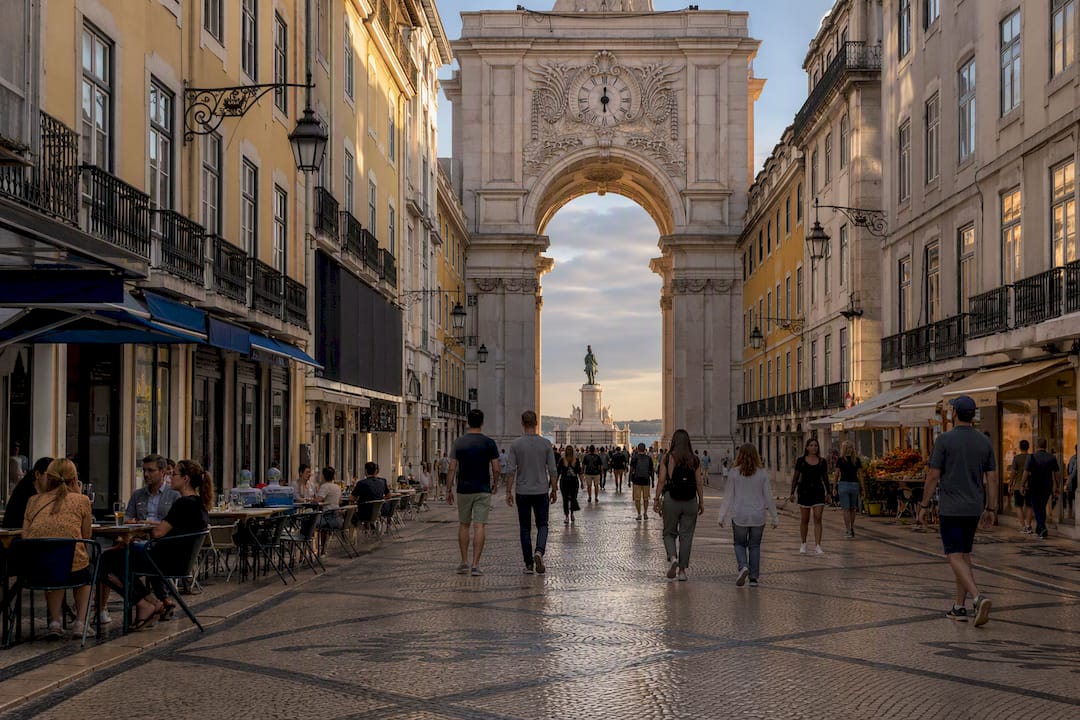
Head into Baixa, Lisbon’s rebuilt downtown grid, laid out after the 1755 earthquake in a strict rectangular pattern that still feels orderly compared to Alfama’s chaos. Walk Rua Augusta toward the river and step through its triumphal arch into Praça do Comércio, the vast riverside square that once held the royal palace before the earthquake leveled it. From there, it’s a short climb into Rossio Square and up into Chiado, where the shopping streets and café terraces make a natural lunch stop.
If you’re running behind by early afternoon, cut the Sé Cathedral interior and the Chiado shopping detour first. Both are easy to skip without losing the character of the day; the castle, the Alfama descent, and Praça do Comércio are the parts you shouldn’t trade away.
Afternoon and evening (4:00 PM onward)
Head toward Miradouro da Graça or Miradouro da Senhora do Monte as the light starts to shift. Both are consistently recommended for their wide panoramic views over the city, and arriving 30 to 45 minutes before sunset gets you a decent bench spot before the crowd thickens.
For the evening, you’re choosing between two different nights out:
Fado in Alfama: intimate, traditional, usually paired with a set dinner menu. Fado dates back to the 19th century and the small taverns clustered through Alfama and Bairro Alto remain the best places to hear it live, especially the venues that treat the music as the main event rather than background noise. Book ahead, since the best rooms seat 30 people at most.
Bairro Alto drinks: louder, younger, and far less structured. Bars here don’t take reservations. You just show up and find a doorway that looks promising.
A quick statistic worth knowing before you commit an evening to either: fado houses that combine dinner with a performance typically run two to three sets over the course of a meal, so arriving right at the start gets you the full experience rather than catching the tail end of the first set.
If you’re deciding between them, fado suits travelers who want a cultural anchor for the day; Bairro Alto suits travelers who’d rather keep moving. Neither is the “correct” choice, but doing both in one night rarely works given how early fado dinners tend to start.
Day 2: Belém Early Morning, Then MAAT, Museums, or LX Factory in the Afternoon
Belém sits west of the city center, disconnected from the Alfama-Baixa cluster you covered on Day 1, and it demands an early start for the same reason São Jorge Castle does: tour groups arrive in waves once the cruise ships and coach buses unload.
Morning (8:00 AM to 12:30 PM)
Take the train from Cais do Sodré, not the tram. The route is short but the train is noticeably faster and more reliable for keeping to a schedule, which matters when your whole morning depends on beating the crowds to Jerónimos.
Get to Jerónimos Monastery right at opening. Allow 1.5 to 2 hours if you’re entering the cloisters and church; the carved limestone cloisters are worth the slow pace if you have the time. If your morning is tight, admire the facade and the church (free entry) and save the paid cloisters for a return trip.
Grab pastéis de nata at the source. More on timing below.
Walk to Belém Tower, roughly 20 minutes along the riverfront. Plan 30 to 45 minutes here; the interior staircase is narrow and lines form fast once the monastery crowd catches up.
Pass the Monument of the Discoveries on your way back, a five-minute photo stop rather than a destination in itself.
Note that several Belém sites close on Mondays, so if your two days fall early in the week, check specific closures before locking in this half of the schedule.
Afternoon (1:00 PM onward): pick one lane
You won’t have energy or time for everything Belém and its surrounding districts offer, so choose based on what you actually want from the trip:
MAAT (Museum of Art, Architecture and Technology): a striking riverside building with a walkable roof that doubles as a viewpoint. Budget 60 to 90 minutes, more if a current exhibition interests you.
National Coach Museum: a genuinely underrated collection of royal carriages, less crowded than the monastery next door. About an hour covers it well.
LX Factory: a converted industrial complex turned into shops, murals, and cafés, a short taxi or bus ride from Belém. Good for a couple of relaxed hours if you want a break from monuments.
Campo de Ourique or Estrela: quieter residential neighborhoods with a food market and a basilica, ideal if you’re tired of tourist density and want a slower, local-feeling afternoon.
If you’re weighing options, MAAT rewards travelers who want architecture and design; LX Factory suits anyone craving food, shopping, or a change of pace; Campo de Ourique is the pick when you’d rather sit at a café than see another attraction.
Late afternoon into evening
This is the natural window for a short Tagus cruise, and it’s worth building it into your Day 2 rather than treating it as optional. A river perspective on the city, taken in the hour before sunset, often delivers a better overall sense of Lisbon’s geography than trying to squeeze in one more land-based stop. You’ll see the same landmarks you walked past all morning from a completely different angle, without adding another mile of walking to already tired legs.
Food and Evening: Pastel de Nata, Time Out Market, and Where to Hear Fado
Eating well in Lisbon on a tight schedule comes down to timing, not luck. A few choices consistently deliver:
Pastel de Nata at the source: Pastéis de Belém, the original bakery, is worth the queue if you arrive early on Day 2 morning, ideally before 9:30 AM. If the line looks discouraging, Manteigaria near Time Out Market or in Chiado turns out a version most locals rate just as highly, with far less wait.
Time Out Market for lunch: this covered food hall groups dozens of stalls from well-regarded Lisbon kitchens under one roof, with most dishes running in a moderate price range, an efficient choice when you don’t want to spend an hour deciding where to sit.
Tascas for seafood: small, family-run spots in Alfama or Bairro Alto often serve the best grilled fish and seafood rice, usually at a fraction of restaurant prices near the main squares.
Fado dinners: book ahead for a small tavern in Alfama, arrive on time (sets often start punctually), and expect a set menu rather than an à la carte experience. This is one place where showing up late means missing the first performance entirely.
Understanding local food traditions helps frame why Lisbon’s food culture leans toward simple, ingredient-driven dishes rather than elaborate presentation, grilled sardines, bread-based soups, salt cod prepared a dozen different ways.
For nightlife beyond fado, Bairro Alto is dense with small bars that spill onto the street, loud and casual. Pink Street (Rua Nova do Carvalho) trades that intimacy for a club-and-cocktail scene that runs later and louder. If you’ve been walking since 8:00 AM, Bairro Alto’s low-key bar-hopping is the gentler option; Pink Street suits a second wind.
Tagus River Options: 45-120 Minute Cruises, Sunset Sails, and Private Charters
River time in Lisbon isn’t a detour from the itinerary, it’s often the fastest way to cover ground the city’s hills make slow on foot. Three formats cover most needs:
Short orientation cruises (about 45 minutes): a quick pass along the waterfront, good for slotting into a gap between Belém and an evening plan.
Sunset cruises (90 to 120 minutes): longer, timed to catch the light change over the water, better suited to an evening you’ve deliberately kept open.
Private charters: full control over timing and route, useful for groups or anyone who wants the water without a shared schedule.
From the water, you’ll pass the 25 de Abril Bridge, Praça do Comércio, and Belém Tower, the same landmarks you’d otherwise piece together from separate land viewpoints across two days. A short cruise can genuinely replace one land-based miradouro visit rather than adding to your itinerary, since you’re seeing the skyline in one continuous sweep instead of climbing to three separate spots for three separate angles.
Late afternoon is the strongest booking window; the light softens and the heat of the day breaks. Book a day or two ahead in high season, since evening slots fill first.
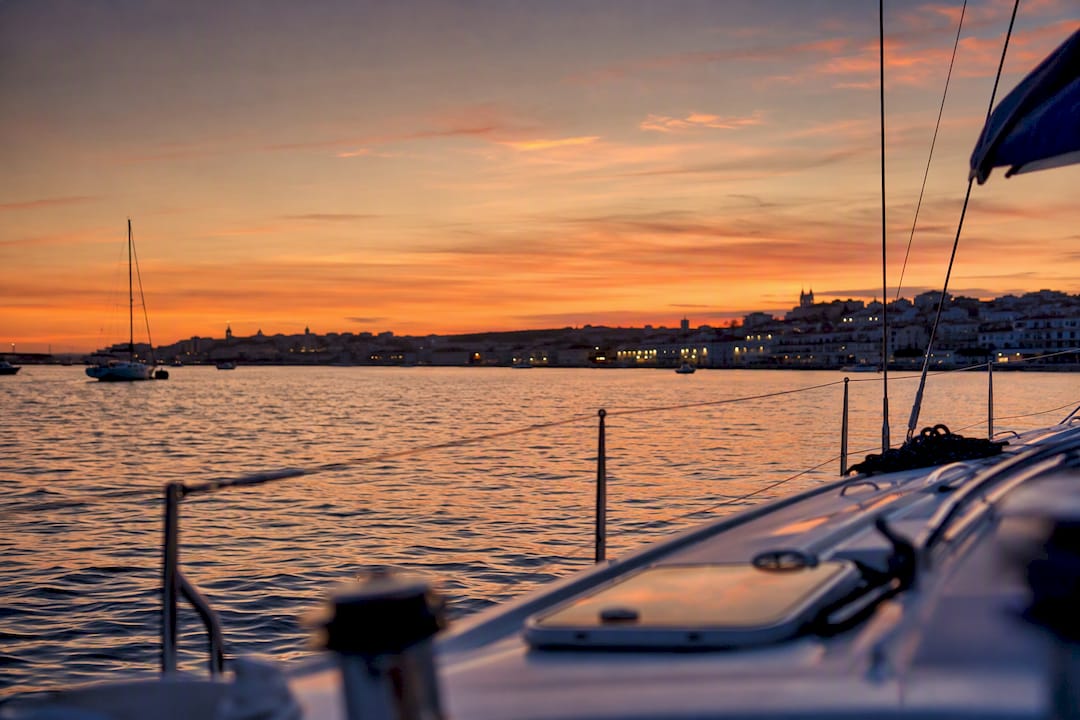
Pro Tip: If it’s raining or you’re already behind schedule, skip the cruise rather than force it. MAAT’s rooftop or any of the Alfama miradouros give a decent substitute view without the fixed departure time a boat requires.
Skip the water entirely if mobility is a concern for anyone in your group, since most boats require a step-down from the dock, or if you’ve already burned your flexible hour on something that ran long.
Why a Short Sail Gives Unique Value
Moving between Alfama’s hills and Belém’s riverfront on foot shows you Lisbon in fragments. A guided sail along the same coastline compresses centuries of maritime history, the departure point for voyages of discovery, the earthquake that leveled the waterfront, the bridge that now spans it, into a single continuous view, narrated in the order it actually happened rather than the order your legs happen to walk it.
Lisbonbyboat runs daily two-hour sailing tours along this exact stretch of coastline, with guides who explain the monuments as they pass rather than leaving you to read a plaque at each stop. A few operational notes worth knowing before you book:
Best time window: late afternoon typically offers calmer water and better light than midday.
Embarkation points: central departure points near the historic waterfront keep the transfer time short, which matters when you’re fitting a sail into an already packed day.
Comfort: bring a layer even in warm months, since the water carries a breeze that the streets don’t.
Group size: private yacht and catamaran charters run from two hours up to a full day for travelers who want more flexibility than a scheduled daily sail allows.
A well-timed hour on the water can cover in one pass what would otherwise take an entire afternoon of walking between separate viewpoints, and it does it without adding a single uphill climb to your day.
To fold a sail into the itinerary above: treat it as your Day 1 sunset slot instead of a land miradouro, or as a late Day 2 close after Belém, timing your pickup around whichever landmark you’re near, and dressing for wind rather than city walking.
Packing for Lisbon’s Hills and Sun
Lisbon’s cobblestones are beautiful and genuinely hard on footwear that wasn’t made for walking miles a day. Bring shoes with real grip and cushioning; the calçada portuguesa paving stones are smooth from centuries of foot traffic and slippery when wet, and heels or flat-soled sandals will punish you by hour two.
Layering matters more than most travelers expect. Mornings near the river in Belém run noticeably cooler than the afternoon heat in Baixa’s sun-trapped squares, so a light jacket you can tie around your bag serves you better than a heavier coat you’ll be carrying by noon.
A small daypack beats a shoulder bag for two straight days of walking. Add a reusable water bottle, since summer heat climbs fast and refill points near the major sights are limited. Sunglasses and sunscreen matter even outside peak summer. Lisbon’s light reflects hard off the white limestone buildings and pale paving, and that glare adds up over a full day outdoors.
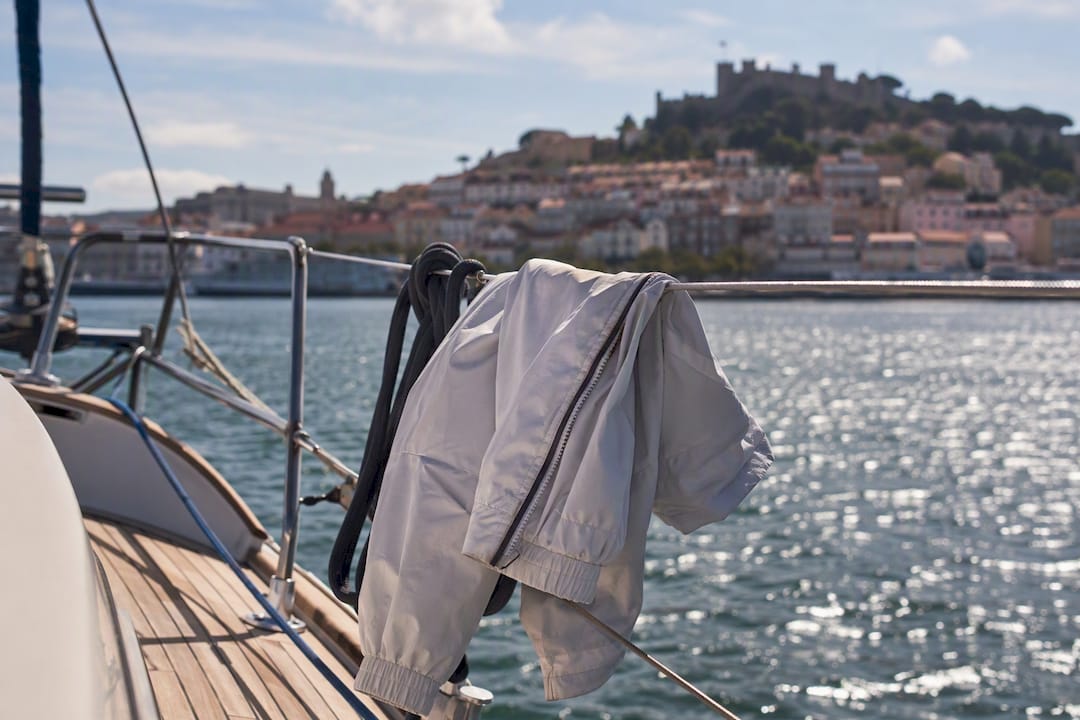
If your itinerary includes the river cruise from the section above, pack a light windbreaker regardless of the season. Water crossings carry a breeze that the sheltered streets never hint at, and you’ll appreciate the extra layer the moment the boat clears the dock.
Weather and the Best Time for a 48-Hour Visit
Lisbon’s most comfortable stretch runs from April through June and again from September through October, when temperatures sit in a pleasant range for walking and the summer crowds haven’t peaked or have already thinned. July and August bring reliable sun but also the heaviest tourist volume and the longest queues at Jerónimos Monastery and São Jorge Castle, which matters directly for a schedule this tight.
Winter (December through February) rarely gets cold by northern European standards, but rain is more frequent and can disrupt outdoor plans like a river cruise or a sunset miradouro visit. If your two days land in winter, build in a flexible afternoon block you can shift indoors toward MAAT or the coach museum if the forecast turns.
Wind off the Tagus is a near-constant regardless of season, which affects both comfort on the miradouros and conditions for any boat trip. Afternoons tend to bring stronger gusts than mornings, another reason early starts serve a two-day visit well beyond just beating the queues.
Whatever season you land in, the itinerary above holds up with minor adjustments: shift the miradouro sunset earlier in winter when daylight runs shorter, and expect Belém’s queues to move faster outside the July to August peak.
Lisbonbyboat: The Fastest Way to See the Coastline You Just Walked
Everything above gets you through Alfama, Belém, and the river’s edge on foot and by train. Lisbonbyboat covers the same coastline from the water in a fraction of the time, with a guide narrating the monuments as they pass instead of you piecing together history from plaques and museum captions. It’s the difference between spending an afternoon walking to three separate viewpoints and spending two hours seeing all three landmarks pass by from one seat.
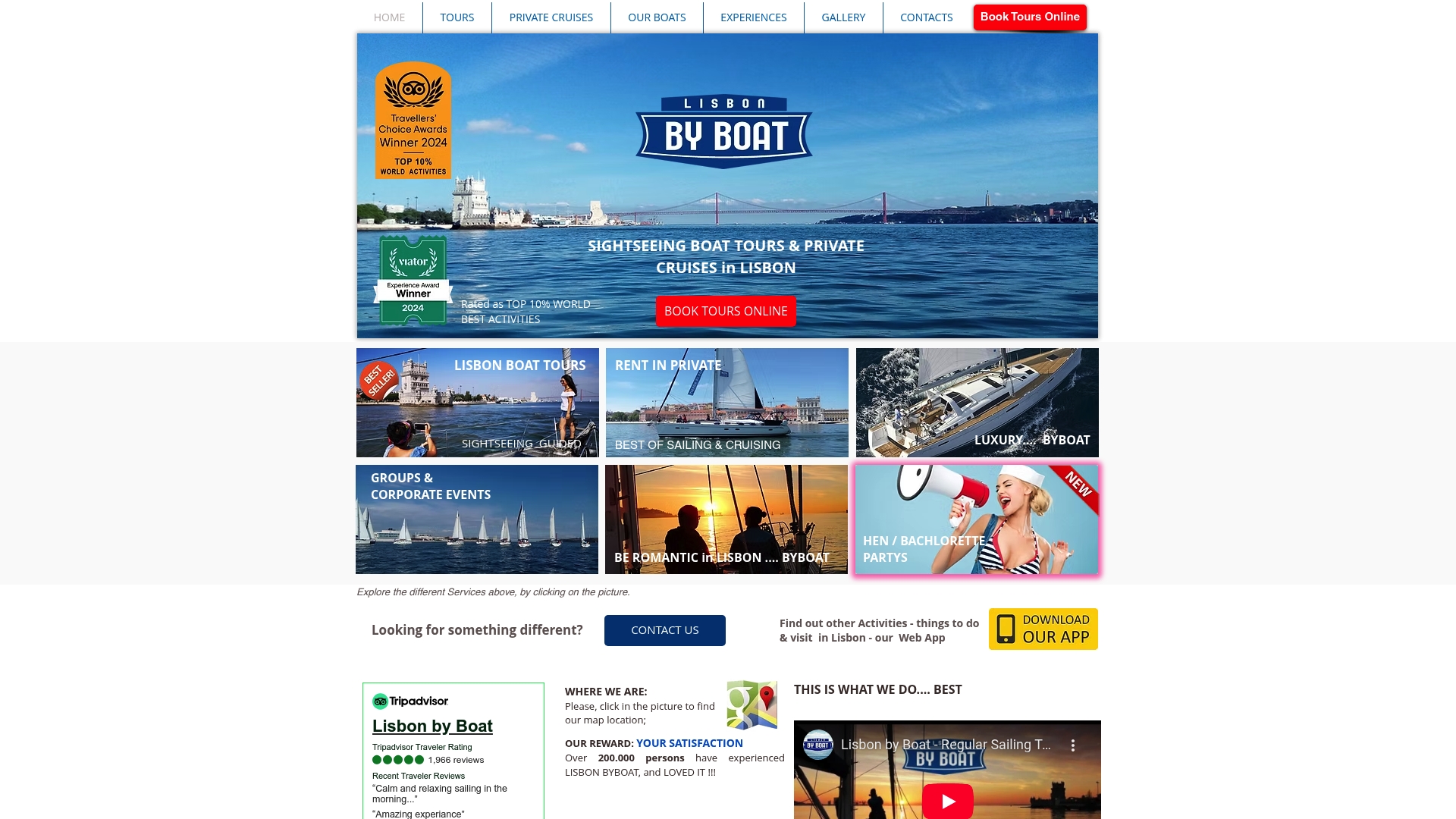
The daily two-hour sailings run along Lisbon’s historic waterfront and fit neatly into a Day 1 sunset slot or a Day 2 close after Belém, right when your legs have had enough walking for the day. For groups wanting more privacy or flexibility, private charters on sailing yachts and catamarans run from two hours up to a full day, and make a strong fit for a celebration on the water. Availability shifts with season and demand, so check open slots and reserve your spot on the luxury yacht charters page before locking in the rest of your two-day schedule.
Publisher Perspective: How We Craft a Realistic 48-Hour Visit
The itinerary above assumes you’ll skip something, and that’s by design. Trying to see Jerónimos, the castle, Alfama, and Belém’s museums in one visit without cutting anything usually means rushing all of it. We’d rather you slow down at São Jorge Castle and skip the coach museum than rush both.
A single guided sail earns its place in a short trip precisely because it does the opposite of rushing: it sits you down for two hours while the coastline does the work. For more on stitching a scenic boat trip into a broader Lisbon visit, our guide to planning a Lisbon sightseeing tour covers the practical side in more depth.
— Lisbon
Sources
Recommended
Comments