

Lisbon Neighborhood Map: Your Sailing Adventure Path
- Feb 3
- 8 min read
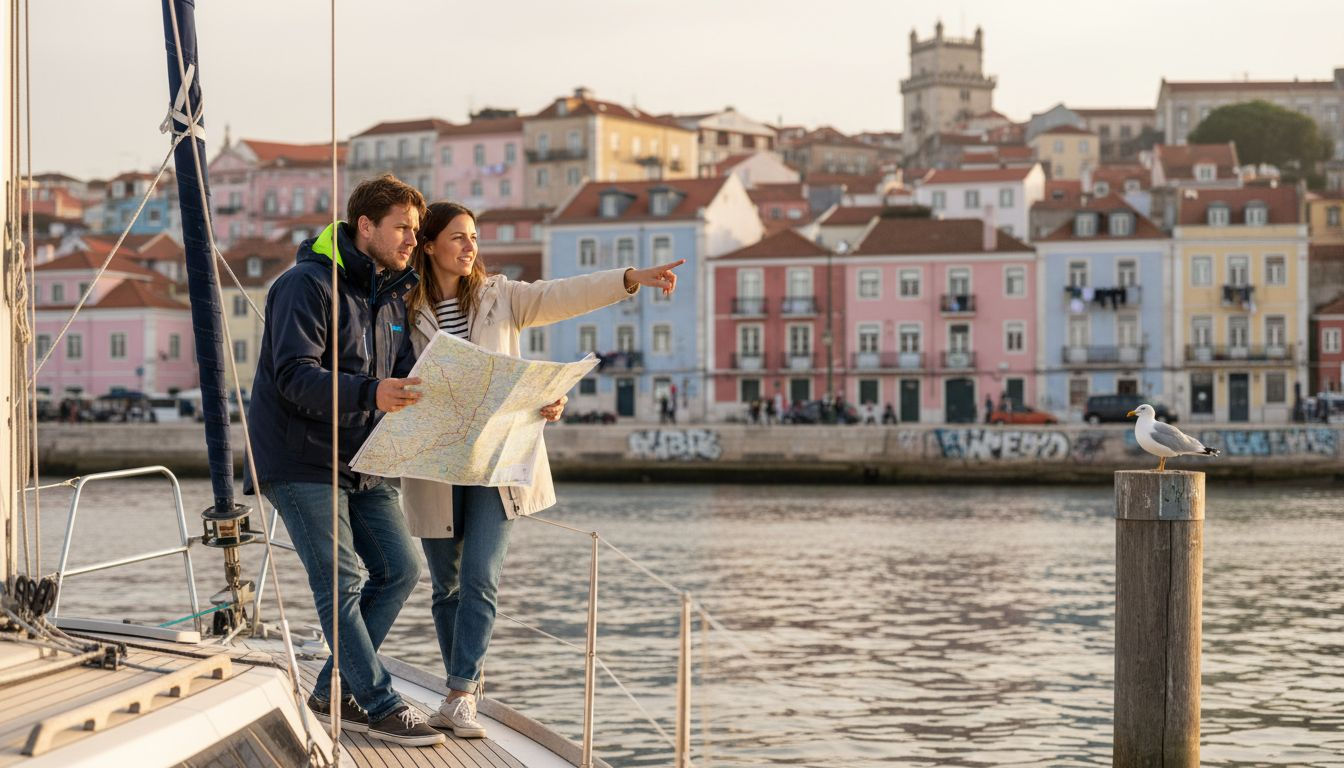
Exploring Lisbon by sailboat reveals a city where every shoreline tells a different story. For travelers eager to discover Portugal’s capital from the water, understanding how neighborhoods like Alfama, Baixa, and Belém connect to the coast is essential. A close look at Lisbon’s diverse neighborhoods and their relationship with the river will help you map out routes that blend historical wonders, modern marinas, and captivating waterfront views, ensuring your sailing adventure is as rich in culture as it is in scenery.
Table of Contents
Key Takeaways
Point | Details |
Explore Distinct Neighborhoods | Lisbon’s neighborhoods each offer unique maritime experiences, enriching sailing journeys through historical and modern perspectives. |
Utilize the Tagus River | The Tagus River serves as a natural connection between districts, facilitating easy navigation for tourists via boat. |
Plan Your Sailing Route | Consider factors such as skill level and landmark visibility when selecting a sailing route to enhance your experience. |
Capture Iconic Views | Sailing provides unparalleled views of Lisbon’s significant landmarks, transforming a boat trip into a breathtaking journey through history. |
Lisbon Neighborhood Map Explained for Tourists
Navigating Lisbon’s diverse neighborhoods can transform your sailing adventure from ordinary to extraordinary. Understanding the city’s layout provides crucial context for maritime exploration, revealing how each district connects to Lisbon’s stunning coastline. Lisbon’s neighborhood map showcases a fascinating urban landscape that seamlessly blends historical charm with modern maritime experiences.
Lisbon’s neighborhoods can be broadly categorized into several distinct zones, each offering unique perspectives for sailors and tourists:
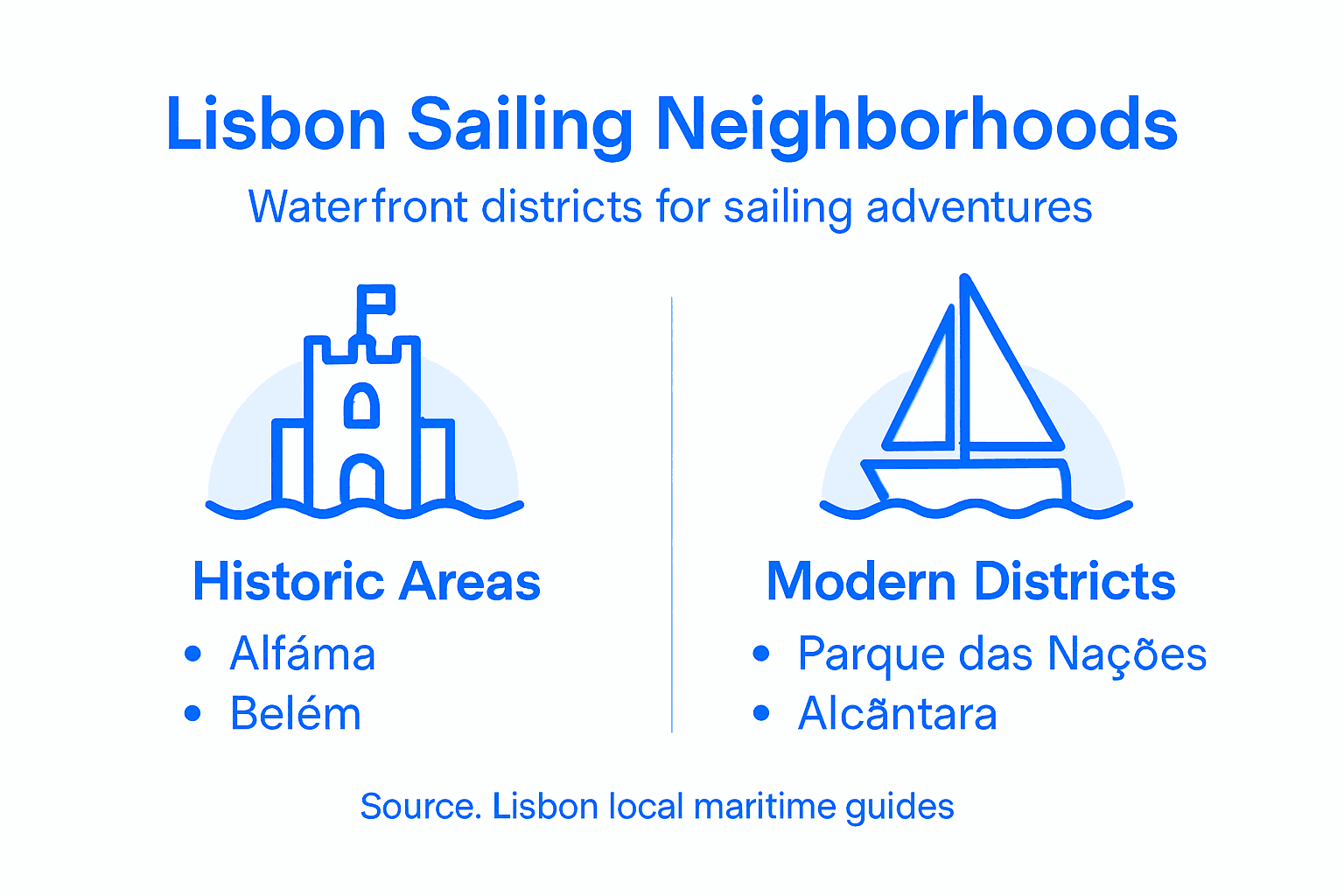
Alfama: The oldest district, characterized by narrow streets and traditional architecture
Baixa: The downtown commercial center with grand squares and impressive buildings
Bairro Alto: A vibrant neighborhood known for nightlife and cultural experiences
Parque das Nações: A modern area with contemporary architecture and waterfront attractions
Each neighborhood presents different maritime and cultural opportunities for sailing tourists. In Alfama, for instance, you’ll encounter centuries-old maritime history, while Parque das Nações offers modern marina facilities and waterfront perspectives. The unique neighborhood characteristics provide sailors with multiple exploration routes and cultural immersion points.
The strategic positioning of Lisbon’s neighborhoods makes them ideal for nautical adventures. Sailors can easily transition between historical districts and modern waterfront zones, experiencing the city’s rich maritime heritage and contemporary urban landscape. From traditional fishing quarters to sleek modern marinas, each neighborhood tells a different story of Lisbon’s relationship with the sea.
Here’s a summary of how Lisbon’s main neighborhoods enrich the sailing experience:
Neighborhood | Historical Significance | Sailing Highlight | Atmosphere |
Alfama | Oldest quarter, maritime roots | Authentic views, historic coastlines | Traditional, charming |
Baixa | Commercial and civic heart | Central mooring options | Urban, lively |
Bairro Alto | Cultural and social hot spot | Unique river nightlife perspectives | Vibrant, artistic |
Parque das Nações | Modern urban waterfront | State-of-the-art marina facilities | Sleek, contemporary |
Pro tip: When planning your sailing route, study the neighborhood map in advance and identify landmark transitions to maximize your maritime exploration experience.
Key Neighborhoods Along the Coastline
Lisbon’s coastline offers a stunning array of neighborhoods that provide sailors and tourists with diverse maritime experiences. Coastal neighborhoods near Lisbon showcase an incredible blend of natural beauty, historical significance, and modern attractions that make maritime exploration truly unforgettable.
Some of the most notable coastal neighborhoods include:
Costa da Caparica: Known for expansive beaches and natural landscapes
Cascais: A picturesque seaside town with elegant marina facilities
Estoril: Famous for its scenic coastline and historical charm
Alcantara: A vibrant urban waterfront district with creative spaces
Belém: Rich in maritime history and cultural landmarks
Each neighborhood presents unique maritime experiences. Waterfront districts like Alcantara and Belém offer more than just scenic views - they provide deep insights into Lisbon’s maritime heritage. Cascais, for example, provides excellent sailing opportunities with its well-equipped marinas and protected bay areas, while Costa da Caparica offers expansive beaches perfect for water-based activities.
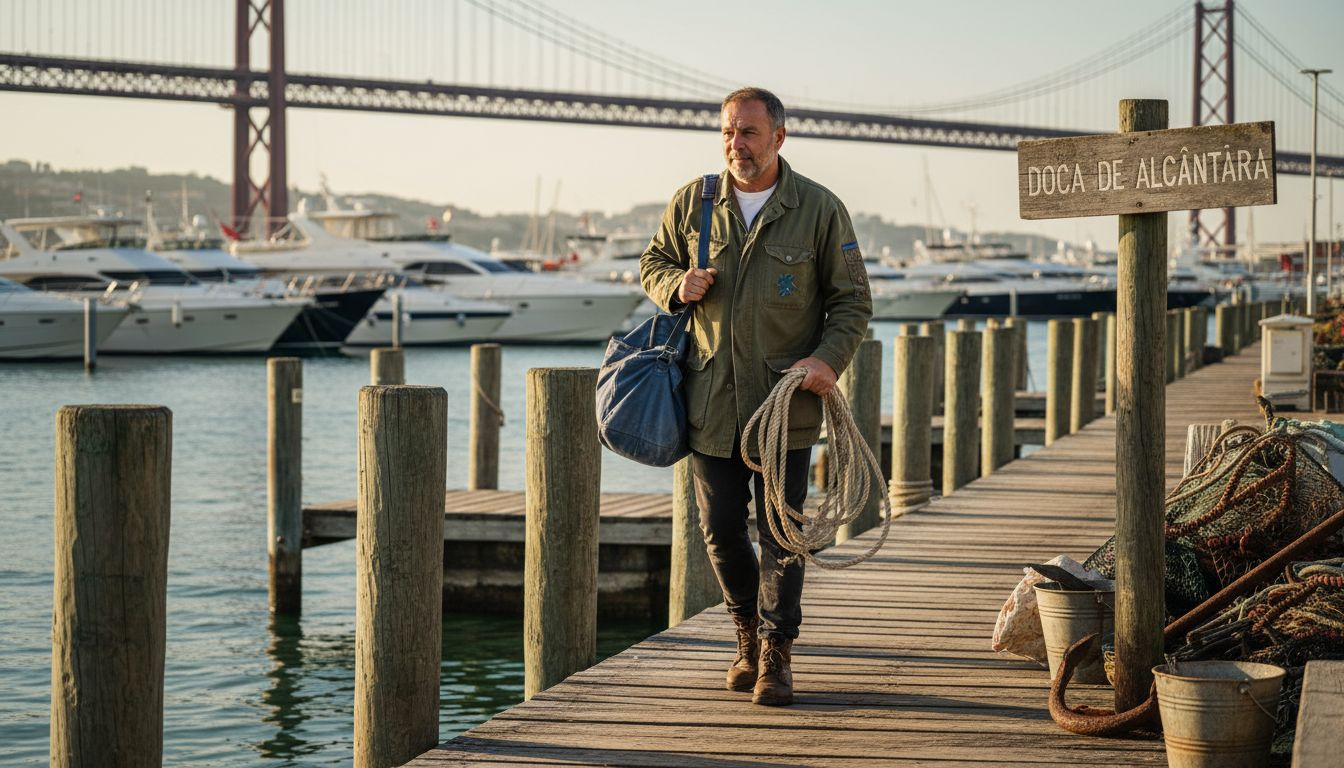
The strategic positioning of these coastal neighborhoods allows sailors to experience multiple maritime environments within a short sailing distance. From the historic maritime zones of Belém, where explorers once departed on global voyages, to the modern marina facilities of Cascais, tourists can trace Lisbon’s nautical evolution through its diverse coastal landscapes. Each neighborhood tells a unique story of Portugal’s deep connection with the sea.
Pro tip: Plan your sailing route to include multiple coastal neighborhoods, allowing you to experience the diverse maritime landscapes and cultural experiences along Lisbon’s stunning coastline.
What to See From the Water
Sailing through Lisbon offers an unparalleled perspective of the city’s most iconic landmarks, transforming a simple boat tour into a breathtaking historical journey. River cruise tours reveal Lisbon’s stunning landmarks from an extraordinary vantage point, showcasing architectural marvels that define the city’s rich maritime heritage.
The most remarkable sights visible from the water include:
Belém Tower: A UNESCO World Heritage site symbolizing Portugal’s maritime exploration
Monument to the Discoveries: A massive tribute to historical navigators
MAAT Museum: A modern architectural marvel with stunning waterfront design
Praça do Comércio: The grand ceremonial square with impressive architectural backdrop
Ponte 25 de Abril: The iconic suspension bridge spanning the Tagus River
Each landmark tells a unique story of Lisbon’s maritime history and architectural evolution. The Tagus River provides an uninterrupted visual narrative of the city’s transformation, allowing sailors to witness centuries of cultural development in a single panoramic view. From medieval fortifications to contemporary architectural designs, the waterfront presents a living museum of Portuguese maritime culture.
The perspective from the water offers an entirely different understanding of Lisbon’s urban landscape. Architectural details invisible from land become prominent, and the city’s relationship with the river becomes strikingly apparent. The interplay of light, water, and historic structures creates a mesmerizing visual experience that cannot be replicated by any other means of exploration.
Compare these iconic waterfront sites for an enhanced river tour:
Landmark | Era | Distinction | Best Seen At |
Belém Tower | 16th c | UNESCO site, symbol of discovery | Sunset |
Monument to Discoveries | 1960s | Tribute to explorers | Midday |
MAAT Museum | 2016 | Modern architecture, art hub | Daytime |
Praça do Comércio | 18th c | Iconic square, grand facades | Early morning |
Ponte 25 de Abril | 1966 | Red suspension bridge | Sunset |
Pro tip: Bring a pair of high-quality binoculars to capture intricate architectural details and wildlife along the Tagus River during your sailing adventure.
How to Navigate Lisbon’s Districts by Boat
Navigating Lisbon’s districts by boat offers an immersive and efficient way to explore the city’s stunning waterfront landscape. River cruises and ferry routes provide tourists with an affordable and scenic method of transportation that transforms urban exploration into an extraordinary maritime adventure.
Key navigation strategies for exploring Lisbon’s districts include:
Terminal Starting Points: Begin at major terminals like Cais do Sodré
Route Planning: Understand key connections between riverbank neighborhoods
Landmark Orientation: Use iconic structures for navigation reference
Time Management: Check ferry and cruise schedules in advance
Ticket Options: Explore day passes and tourist transportation packages
The Tagus River serves as a natural highway connecting diverse urban districts, allowing sailors to seamlessly transition between historical and modern neighborhoods. Travelers can easily hop between areas like Alcantara, Belém, and Cacilhas, experiencing the city’s dynamic urban landscape from a unique aquatic perspective. Each district offers distinct architectural and cultural experiences that become dramatically more accessible when approached by water.
Practical navigation requires understanding the river’s flow and the strategic positioning of key landmarks. The Cristo Rei statue and Ponte 25 de Abril serve as excellent orientation points, helping sailors maintain their bearings while exploring Lisbon’s intricate waterfront geography. Modern navigation tools and maritime apps can further enhance your boat-based district exploration, providing real-time information and route optimization.
Pro tip: Invest in a comprehensive maritime navigation app and download offline maps to ensure seamless district exploration during your Lisbon boat adventure.
Choosing the Best Sailing Routes
Selecting the ideal sailing route in Lisbon requires careful consideration of multiple factors that can dramatically enhance your maritime experience. Expert sailing recommendations emphasize the importance of matching routes to individual traveler preferences, skill levels, and desired exploration objectives.
Key factors to consider when choosing sailing routes include:
Landmark Visibility: Routes that showcase iconic structures like 25th of April Bridge
Skill Level: Match route complexity to sailing experience
Trip Duration: Select routes aligned with available time
Weather Conditions: Understand seasonal maritime patterns
Group Composition: Consider group size and sailing capabilities
Popular sailing routes provide unique perspectives of Lisbon’s stunning coastline. The classic Lisbon to Cascais route offers extraordinary views of historical landmarks and modern architectural marvels, allowing sailors to experience the city’s maritime heritage from an unparalleled vantage point. Each route presents distinct challenges and opportunities, transforming a simple boat trip into an immersive cultural exploration.
Safety and preparation are paramount when selecting sailing routes. Experienced sailors recommend thoroughly researching weather patterns, understanding local maritime regulations, and selecting vessels appropriate for your chosen route. The Tagus River and surrounding coastal areas offer diverse sailing experiences, from calm river passages to more adventurous open-water explorations that cater to different skill levels and interests.
Pro tip: Consult local maritime experts and review detailed route maps to customize your sailing experience and maximize your exploration of Lisbon’s breathtaking coastline.
Navigate Lisbon’s Neighborhoods Like a True Sailor
Understanding Lisbon’s neighborhood map is key to unlocking unforgettable sailing adventures along the city’s historic coastline. If you want to explore Alfama’s charming old quarters or enjoy the modern vibes of Parque das Nações from the water, tackling the diverse districts by boat is the best way to do it. The article highlights the challenge of navigating all these vibrant neighborhoods and landmarks from the sea while capturing the city’s rich maritime heritage.
Let us simplify your sailing journey with expert guides who bring Lisbon’s waterfront to life on daily tours lasting two hours or longer. Discover iconic sights like Belém Tower or Praça do Comércio firsthand while enjoying personalized commentary. Choose from private yacht or catamaran cruises that fit your schedule and sailing preferences. Don’t miss the chance to transform your visit into an extraordinary maritime exploration with Lisbon By Boat. Learn more about how to chart your perfect route and book your unforgettable sailing experience today on our official site and start your journey through Lisbon’s stunning neighborhoods from the sea.
Frequently Asked Questions
What are the main neighborhoods to explore while sailing in Lisbon?
The key neighborhoods include Alfama, Baixa, Bairro Alto, and Parque das Nações, each offering unique maritime experiences and cultural perspectives.
How can I navigate Lisbon’s districts by boat effectively?
Start from major terminals like Cais do Sodré, plan your route considering key connections, and use iconic landmarks for orientation while checking ferry and cruise schedules.
What landmarks can I expect to see from the water during my sailing adventure in Lisbon?
Highlighted landmarks include Belém Tower, the Monument to the Discoveries, MAAT Museum, Praça do Comércio, and the iconic Ponte 25 de Abril.
What factors should I consider when choosing sailing routes in Lisbon?
Consider landmark visibility, your sailing skill level, trip duration, weather conditions, and your group’s composition to select the best route for your adventure.
Recommended
Comments