

7 Lisbon Fun Facts Every Tourist Should Know Before Sailing
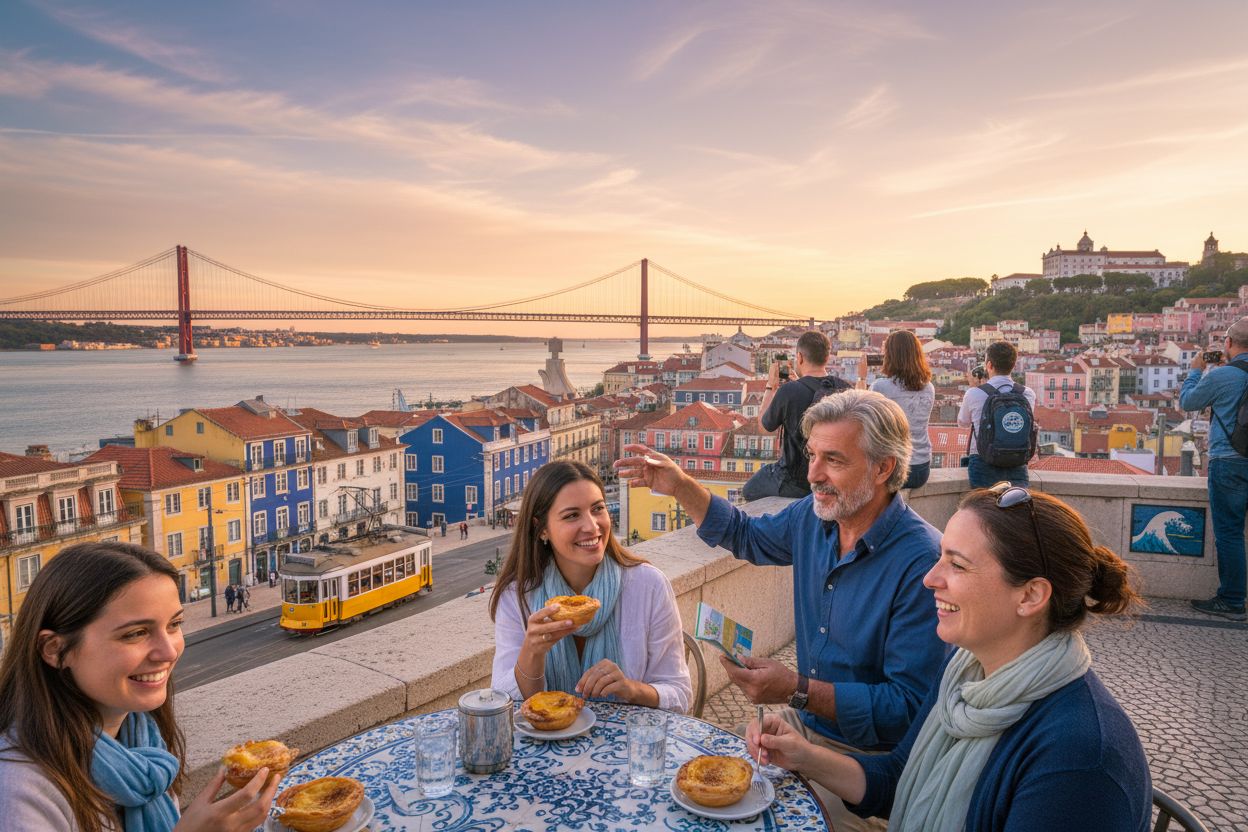
Nearly three million visitors flock to Lisbon each year, drawn by secrets that blend ancient history with unexpected surprises. Did you know Lisbon is home to the world’s oldest bookstore and a bridge that mirrors San Francisco’s iconic span? From picture-perfect pastries created centuries ago to hidden monuments best seen by boat, Lisbon offers experiences you will not find anywhere else. Whether you love architecture, history, or culinary delights, every corner of this city reveals a new story waiting to be discovered.
Quick Summary
Takeaway | Explanation |
1. Lisbon’s iconic Ponte 25 de Abril resembles SF’s Golden Gate Bridge | The bridge showcases American engineering influence with its dual deck and vibrant color mirroring San Francisco’s landmark. |
2. Livraria Bertrand is the world’s oldest bookstore | Open since 1732, this bookstore is a cultural landmark, featuring a café and honoring famed Portuguese poet Fernando Pessoa. |
3. Lisbon offers breathtaking views from its seven hills | Each hill provides unique perspectives of the city, making it essential for exploration and photography. |
4. Tram 28 offers a historical travel experience | Riding this vintage tram provides a scenic journey through Lisbon’s historic neighborhoods, showcasing the city’s charm. |
5. Taste authentic Pastéis de Belém | These custard tarts, crafted from a secret recipe, are a must-try for visitors seeking a taste of Portuguese culinary heritage. |
Table of Contents
1. Lisbon’s Unique Bridge: Inspired by San Francisco
Imagine crossing a bridge that looks like it sailed straight out of San Francisco and landed in Lisbon. The Ponte 25 de Abril is exactly that magical piece of infrastructure. This stunning suspension bridge spans the Tagus River with an unmistakable resemblance to its American cousin, the San Francisco Bay Bridge.
What makes this bridge truly fascinating is its direct connection to American engineering. Built by the same American Bridge Company responsible for San Francisco’s bridges, the Ponte 25 de Abril shares more than just a visual similarity. It boasts a dual deck design and distinctive cross support styling that immediately evokes memories of California’s iconic infrastructure. Read more about Lisbon’s architectural heritage.
The bridge’s striking International Orange color is no coincidence. This vibrant hue was deliberately chosen to mirror the famous Golden Gate Bridge, creating an instant visual connection between two distant coastal cities. Spanning 1.5 miles across the Tagus River, the bridge serves not just as a critical transportation link but also as a remarkable testament to transatlantic engineering collaboration.
For tourists, this means an incredible photo opportunity and a chance to experience a piece of architectural history that bridges two continents. Whether you are sailing beneath its massive steel supports or crossing its roadways, the Ponte 25 de Abril offers a unique glimpse into the shared engineering legacy of Lisbon and San Francisco.
2. The Oldest Bookstore in the World Is Here
Imagine walking into a bookstore that has been standing since 1732. Livraria Bertrand in Lisbon’s charming Chiado neighborhood is not just a bookstore it is a living piece of world history. Recognized by Guinness World Records as the oldest operating bookstore globally, this literary gem offers more than just books.
The bookstore is a cultural landmark that breathes Portuguese literary tradition. Its walls are adorned with beautiful azulejos traditional Portuguese ceramic tiles and intricate ironwork that transport you back in time. Explore more of Lisbon’s historic landmarks while immersing yourself in its rich cultural tapestry. The store even features a dedicated room honoring Fernando Pessoa one of Portugal’s most famous poets a testament to its deep literary roots.
For book lovers and history enthusiasts, Livraria Bertrand offers a unique experience. The in house café provides the perfect spot to enjoy a Portuguese coffee while browsing through books. Practical tips for visiting:
Arrive early to avoid crowds
Take time to explore the Fernando Pessoa room
Browse both Portuguese and international book selections
Enjoy a coffee at the café while soaking in the historic atmosphere
This bookstore is more than a retail space. It is a living museum that has witnessed nearly three centuries of Portuguese literary and cultural evolution. Whether you are a book collector, a history buff, or simply curious about unique cultural experiences, Livraria Bertrand promises an unforgettable journey through time and literature.
3. Why Lisbon Is Called the City of Seven Hills
Picture a city where every street corner offers a breathtaking panoramic view. Lisbon earns its nickname the City of Seven Hills not just as a charming historical moniker but as a geographical reality that defines its unique urban landscape. Much like Rome, this Portuguese capital is characterized by its dramatic topography and stunning elevated viewpoints.
These seven hills are more than just geographic features they are the very foundation of Lisbon’s character. Each hill offers a distinctive miradouro or viewpoint that provides visitors with spectacular perspectives of the city and its surrounding landscapes. Discover the best views in Lisbon and experience the city from these incredible vantage points.
Exploring Lisbon’s Seven Hills Means:
Walking through historic neighborhoods with steep streets
Discovering unique architectural perspectives
Experiencing stunning panoramic views of the city and Tagus River
Capturing incredible photographs at multiple elevations
Each hill tells a different story of Lisbon historic neighborhoods like Alfama and Bairro Alto are perched atop these elevations offering visitors not just views but a journey through time. The varied terrain means you will get an unexpected workout while exploring but the visual rewards are absolutely worth every step. From these heights you can see how the city beautifully nestles between the river and the hills creating a landscape that has captivated travelers for centuries.
4. Tram 28: More Than Just a Ride
Imagine stepping into a time machine that also happens to be a public transportation marvel. Tram 28 is not just a means of getting around Lisbon it is a living museum on wheels. These vintage 1930s trams have been climbing Lisbon’s steep and narrow streets since 1914 carrying both locals and wide eyed tourists through the city’s most historic neighborhoods.
Explore Lisbon’s unique transportation history and discover why this tram is more than just a simple commute. The route covers an impressive 7 kilometers winding through iconic districts like Alfama Chiado and Estrela. These Remodelado trams navigate gradients over 13% a feat that showcases both engineering brilliance and Lisbon’s challenging urban landscape.
Practical Tips for Riding Tram 28:
Arrive early to get a window seat
Keep your belongings close in crowded sections
Have cash ready for ticket purchase
Consider purchasing a day pass for multiple rides
Bring a camera to capture the stunning city views
Annually these historic trams transport around 4.5 million passengers making them a crucial part of Lisbon’s transportation and cultural identity. Every journey on Tram 28 is a storytelling experience where each cobblestone street and narrow alleyway reveals a piece of Lisbon’s rich historical tapestry. You are not just traveling through a city you are experiencing a living historical document that continues to move and inspire people from around the world.
5. The Secret of Belém’s Famous Pastries
Imagine a pastry so legendary that people line up for hours just to taste it. The Pastel de Belém (or Pastel de Nata) is not just a dessert it is a culinary treasure with a fascinating history. Created by Catholic monks in the Jerónimos Monastery during the 18th century these custard tarts represent a delicious piece of Portuguese cultural heritage.
Explore the world of Portuguese pastries and uncover the magic behind these iconic treats. The original recipe remains a closely guarded secret known only to a few pastry chefs at the historic Fábrica de Pastéis de Belém. Every tart is handmade using a secret recipe that has been protected for generations creating an authentic experience that cannot be replicated anywhere else in the world.
Tips for Enjoying Authentic Pastéis de Belém:
Visit early in the morning to avoid long lines
Ask for the tart to be served warm
Sprinkle a little cinnamon and powdered sugar for traditional flavor
Buy extra to share with friends back home
These small custard tarts represent more than just a sweet treat they are a window into Portuguese culinary tradition. Each bite tells a story of monastic innovation economic survival and cultural pride. When you taste a Pastel de Belém you are not just eating a pastry you are experiencing a piece of living history that has been carefully preserved and celebrated for centuries.
6. Lisbon’s Maritime History and Its Discoveries
Lisbon is not just a city it is a living monument to human exploration and maritime adventure. During the 15th and 16th centuries Portuguese explorers transformed this coastal city into the global epicenter of maritime discovery transforming how the world understood geography trade and human potential.
Discover Lisbon’s incredible maritime legacy and explore the incredible stories behind Portugal’s golden age of exploration. Legendary navigators like Vasco da Gama Ferdinand Magellan and Pedro Álvares Cabral set sail from Lisbon’s harbors charting unknown waters and connecting continents in ways no one had ever imagined before.
Key Maritime Exploration Insights:
Portugal mapped over 70% of the world’s unknown territories
Lisbon became the world’s first truly global trading hub
Portuguese sailors developed advanced navigation technologies
Explorers introduced Europe to new cultures continents and trade routes
These maritime pioneers did more than travel they rewrote human understanding of our planet. From establishing trade routes to India and Brazil to circumnavigating the globe Portuguese sailors transformed Lisbon into a beacon of knowledge innovation and cultural exchange. When you walk through Lisbon’s historic districts you are literally walking through the birthplace of global exploration a place where courage curiosity and nautical expertise changed the course of human history forever.
7. Hidden Monuments Only Visible from the River
Lisbon reveals its most stunning secrets from the water a perspective most tourists never experience. The city’s riverside holds architectural and historical gems that can only be truly appreciated from the unique vantage point of a boat sailing along the Tagus River.
Discover Lisbon’s hidden maritime perspectives and unlock views reserved for those brave enough to venture beyond traditional walking tours. The riverfront showcases architectural marvels like the Padrão dos Descobrimentos a massive monument celebrating Portuguese explorers that looks dramatically different when viewed from the water revealing intricate details impossible to appreciate from land.
Riverfront Exploration Tips:
Book a boat tour during golden hour for best lighting
Bring binoculars to enhance monument viewing
Capture photographs from unique water level perspectives
Listen to onboard guides explaining historical details
Look for architectural details hidden from street view
From the massive Cristo Rei statue standing sentinel across the river to the historic fortifications guarding Lisbon’s entrance these monuments tell stories of maritime power cultural resilience and architectural brilliance. The river is not just a geographical feature it is a living historical canvas that transforms how you understand Lisbon revealing layers of history invisible to the average tourist. Your journey becomes more than a simple boat ride it transforms into a time traveling experience through Portugal’s rich maritime legacy.
Below is a comprehensive table summarizing key attractions and cultural insights about Lisbon, including unique structures, historical sites, and local traditions.
Topic | Description | Key Considerations |
Ponte 25 de Abril | A suspension bridge reminiscent of San Francisco’s Bay Area bridges. Shares color and design elements with the Golden Gate Bridge. | Offers transatlantic engineering insight and spectacular views. |
Livraria Bertrand | The oldest operating bookstore in the world, established in 1732, located in Chiado neighborhood. | Features a café, and a room dedicated to Fernando Pessoa. Ideal for book lovers and history enthusiasts. |
City of Seven Hills | Known for its dramatic topography, offering stunning views from each of its seven hills. | Provides a unique urban landscape and panoramic city views. Perfect for photographers and explorers. |
Tram 28 | Historic tram system from the 1930s, serving as a moving museum through Lisbon’s historic districts. | Popular tourist attraction; advisable to arrive early and keep belongings secure. |
Pastéis de Belém | Iconic custard tarts from Lisbon, with a secret recipe dating back to the 18th-century Jerónimos Monastery. | Best enjoyed fresh with cinnamon and sugar. Long lines possible, so visiting early is recommended. |
Maritime History | Lisbon’s pivotal role in the global Age of Discoveries, led by explorers like Vasco da Gama and Magellan. | Historical context of Lisbon as a hub of trade, exploration, and cultural exchange. Ideal for history buffs. |
Hidden Monuments | Architectural marvels visible from the Tagus River, including the Padrão dos Descobrimentos. | Boat tours provide unique perspectives and photographic opportunities. Guides offer historical context. Best viewed during “golden hour” lighting. |
See Lisbon’s Hidden Secrets from the Water
Reading about Lisbon’s seven hills, historic tram lines, and incredible riverside monuments sparks the imagination. But after learning how much of the city’s story is best seen from the Tagus River, you might wonder how to discover these hidden views firsthand. Walking or tram riding only reveals part of Lisbon. Truly experiencing the city’s legendary coastline, waterfront heritage, and exclusive monuments means getting out on the water yourself. If you want to capture those breathtaking perspectives and uncover sights most tourists miss, the solution is simple.

Join us for a daily sailing tour and let expert local guides bring Lisbon’s maritime legends to life as you cruise past landmarks discussed in the article. If you crave a more personal adventure, we also offer private yacht or catamaran cruises so you can see the city in comfort at your own pace. Lisbon’s most fascinating stories are waiting. Reserve your spot today at Lisbon by Boat and transform your city visit into a lasting memory.
Frequently Asked Questions
What makes the Ponte 25 de Abril special for tourists sailing in Lisbon?
The Ponte 25 de Abril is a stunning suspension bridge that resembles the San Francisco Bay Bridge. To fully appreciate its scale and beauty, consider taking a boat tour under its massive steel supports.
What should I know about visiting Livraria Bertrand while in Lisbon?
Livraria Bertrand is the oldest operating bookstore in the world, dating back to 1732. Plan to arrive early to enjoy the historic atmosphere and spend time browsing its unique literary offerings.
Why is Lisbon referred to as the City of Seven Hills?
Lisbon is called the City of Seven Hills due to its geographical layout, which offers breathtaking views from elevated points around the city. Make sure to explore these vantage points to capture stunning photographs of the Tagus River and the surrounding landscape.
How can I make the most of my ride on Tram 28?
Tram 28 offers a scenic route through historic neighborhoods, making it a living museum on wheels. Arrive early to secure a window seat, and consider capturing your journey with photos to remember the unique architecture and culture along the way.
What is the significance of the Pastel de Belém in Portuguese culture?
The Pastel de Belém is a famous custard tart with a rich history dating back to the 18th century. When you try this dessert, visit early to avoid lines and enjoy it warm, sprinkled with cinnamon and powdered sugar for an authentic local experience.
How can I explore the hidden monuments along the Tagus River?
The best way to see Lisbon’s hidden monuments is by taking a boat tour along the Tagus River. Look for tours that highlight architectural marvels unseen from the streets and consider booking during golden hour for stunning photographic opportunities.
Recommended
Comments