

Lisbon Dolphin Tour: Eco-Friendly Ocean Adventures
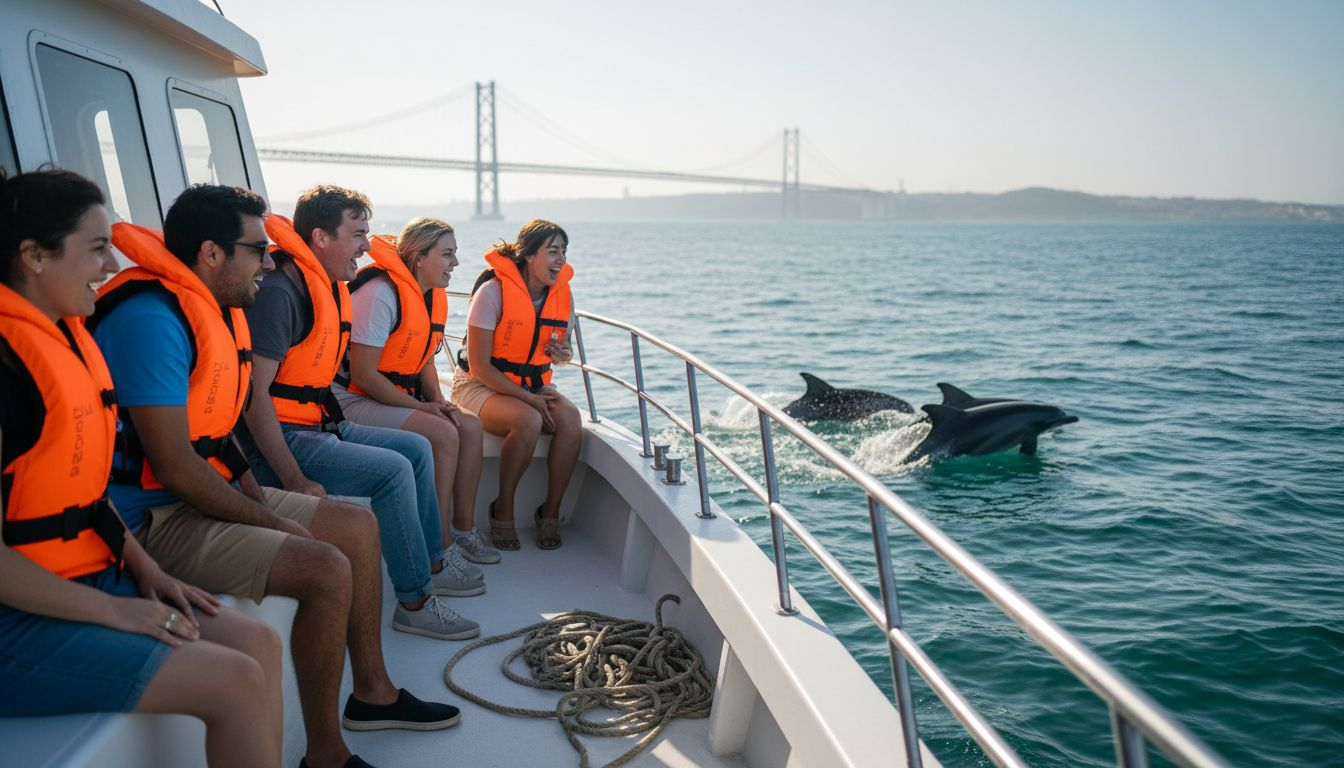
Finding a genuine aquatic adventure in a popular city like Lisbon often challenges eco-conscious travelers searching for more than standard tourist routines. For those drawn to unique experiences, Lisbon Dolphin Tours offer a rare blend of wildlife encounters, marine education, and breathtaking cityscape views all in one. International visitors eager to connect with nature will appreciate tours guided by professional marine biologists, ethical wildlife observation, and a strong commitment to sustainability that sets Lisbon apart as Europe’s dolphin capital.
Table of Contents
Key Takeaways
Point | Details |
Authentic Dolphin Tours Focus on Education and Conservation | Choose tours that prioritize marine biology insights and follow sustainable practices for a deeper understanding of dolphins in their natural habitat. |
Group vs. Private Tours Cater to Different Needs | Group tours are budget-friendly and sociable, while private charters offer personalized experiences tailored to specific interests. |
Safety and Animal Welfare Standards are Crucial | Verify that operators adhere to safety protocols and respect dolphin welfare to ensure responsible wildlife encounters. |
Booking in Advance is Recommended | Due to popularity, especially in peak seasons, book your tour 2-3 weeks ahead for a better chance of availability. |
Lisbon Dolphin Tours Defined and Debunked
Lisbon dolphin tours have become one of Europe’s most sought-after wildlife experiences. But what exactly are they, and do they live up to the hype?
A Lisbon dolphin tour is a guided ocean excursion where visitors board a vessel and explore the waters surrounding Lisbon to observe wild dolphins in their natural habitat. Unlike aquarium shows or captive displays, these tours focus on real marine encounters in open water.
The city holds a unique distinction: Lisbon is Europe’s dolphin capital by frequency of visits. Dolphins arrive regularly, making sightings far more likely than in other European locations. This isn’t luck—it’s geography and food sources attracting these marine mammals year-round.
What Makes These Tours Different
Not all dolphin tours operate the same way. Here’s what separates authentic experiences from typical boat rides:
Marine biology focus: Guides trained in marine science explain dolphin behavior, pod dynamics, and conservation efforts
Low-impact practices: Vessels maintain safe distances and follow strict guidelines to avoid disrupting natural behavior
Educational content: Learn about species identification, migration patterns, and local ecosystem health
Sustainability commitment: Eco-conscious operators work toward carbon neutrality and environmental responsibility
Authentic dolphin tours prioritize animal welfare over entertainment, meaning you observe dolphins as they naturally behave—not performing for crowds.
Common Misconceptions Debunked
Myth 1: Dolphin sightings are guaranteed. Reality: Wildlife encounters depend on seasonal patterns and daily conditions. Reputable tours offer rain checks if no dolphins appear, but never guarantee sightings.
Myth 2: Tours stress the dolphins. Fact: Responsible dolphin watching follows international guidelines. Vessels maintain distance, avoid sudden movements, and respect natural migration routes. Scientific research shows properly conducted tours cause minimal disruption.
Myth 3: Any boat tour equals a dolphin tour. False: Real dolphin tours employ marine biologists as guides, follow conservation protocols, and dedicate time specifically to observing and studying marine life—not just passing by.
Myth 4: Dolphins in Lisbon are rare. Actually: Lisbon’s waters host regular dolphin populations. Spring and summer see higher activity, but dolphins visit year-round, making encounters reasonably predictable.
The difference between a quality tour and a mediocre one comes down to expertise, ethics, and purpose. Your tour operator’s credentials matter as much as the vessel itself.
Pro tip: Ask about your guide’s marine biology background and the operator’s sustainability certifications before booking—this reveals whether they’re serious about conservation or just chasing tourism dollars.
Types of Lisbon Dolphin Touring Experiences
Lisbon offers multiple dolphin tour formats, each designed for different preferences and budgets. Understanding your options helps you choose the experience that matches your goals.
Group Tours
Group dolphin tours are the most accessible option for independent travelers. These scheduled departures run daily and accommodate 20-100 passengers per vessel, making them affordable and social.
Group tours typically last 2-3 hours and follow established routes along Lisbon’s coastline. You’ll sail past historic landmarks while guides share information about dolphin behavior and marine ecosystems. The shared experience creates an energetic atmosphere, especially when dolphins appear.
Advantages of group tours:
Lower cost: Per-person pricing ranges from €35-60, making them budget-friendly
Fixed schedules: Departures run multiple times daily, fitting various itineraries
Social environment: Meet other travelers and share the excitement of sightings
Professional expertise: Marine biology guides explain what you’re observing
Private and Semi-Private Charters
Private yacht charters give you complete control over timing, route, and experience customization. You book the entire vessel for your group, allowing personalized itineraries and flexible durations.
Semi-private options split a vessel between 2-3 smaller groups, balancing cost savings with flexibility. These work well for families wanting more attention than standard group tours provide.
Private experiences include:
Custom duration: From 2-hour focused trips to full-day explorations
Flexible timing: Depart when suits your schedule, not published times
Tailored routes: Visit specific coastal areas or combine dolphin watching with sightseeing landmarks
Personalized service: Guides focus entirely on your group’s interests
Private charters cost more upfront but deliver unmatched flexibility and personalized attention, especially valuable for groups with specific learning goals or photography interests.
Specialty and Educational Tours
Some operators offer research-focused tours partnering with marine biologists conducting fieldwork. These intensive experiences involve citizen science participation, where you assist with data collection.
Educational tours appeal to serious wildlife enthusiasts and learners wanting deeper understanding beyond casual observation. You’ll learn identification techniques, habitat knowledge, and conservation challenges firsthand.
These specialized options feature:
Expert-led instruction: Marine researchers guide the experience
Scientific participation: Contribute to actual conservation research
Extended duration: Usually 4-6 hours for comprehensive learning
Smaller group sizes: Limited to 12-20 passengers for better interaction
When selecting a tour type, consider your budget, schedule flexibility, group size, and learning objectives. Casual observers enjoy group tours. Families value semi-private experiences. Serious enthusiasts prefer educational or private options.
Consult dolphin watching tips specific to your chosen tour type for maximum enjoyment.
Pro tip: Book private charters during shoulder seasons (May-June or September) when you’ll enjoy smaller crowds on the water while dolphin sightings remain frequent.
Here’s a quick comparison of Lisbon dolphin tour types to help you choose the best fit:
Tour Type | Group Size | Experience Customization | Best For |
Group Tour | 20-100 passengers | Fixed schedule and route | Budget travelers, solo guests |
Private Charter | Your own group | Fully customized timing and route | Families, photographers, small groups |
Semi-Private Charter | 2-3 small groups | Partially customized experience | Families wanting flexibility |
Specialty/Educational | 12-20 participants | Research and learning focus | Enthusiasts, students, learners |
Wildlife, Sightseeing, and Onboard Activities
Lisbon dolphin tours pack far more than just marine mammal encounters. You’ll experience a layered combination of wildlife observation, historic sightseeing, and engaging onboard learning that transforms a simple boat ride into a complete adventure.
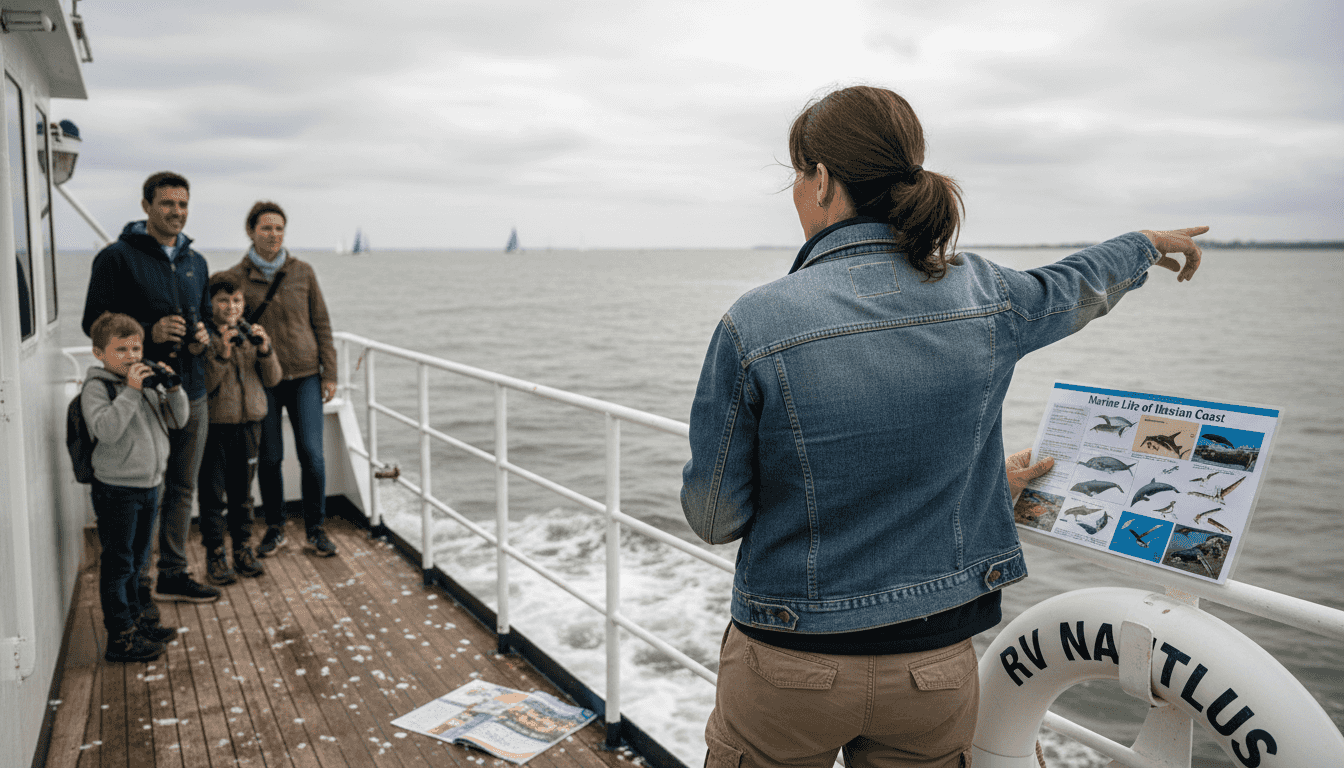
Marine Wildlife Beyond Dolphins
While dolphins steal the spotlight, Lisbon’s waters host surprising biodiversity. Tours often reveal seabirds like cormorants and gulls diving for fish, plus occasional sightings of larger species.
You might encounter other marine life depending on season and location:
Whales: Fin whales and sperm whales occasionally pass through Atlantic waters
Sea turtles: Loggerhead turtles appear in summer months
Sharks: Smaller species swim these waters, though sightings are uncommon
Fish schools: Massive baitfish formations create feeding frenzies
Marine biologists guide wildlife observation with real-time identification and behavioral explanations, transforming random sightings into educational moments.
Iconic Sightseeing Along the Route
Your vessel navigates Lisbon’s most photographed landmarks while you scan for dolphins. The 25th of April Bridge dominates views as you depart—its golden towers and suspension cables create perfect photo backdrops.
Other landmarks appearing on tours include:
Belém Tower: This 16th-century fortress rises from the water, marking Portugal’s Age of Discovery
Bugio Lighthouse: A solitary red-and-white beacon stands on rocky outcrops
Tagus River scenery: Terraced hills, ancient fortifications, and coastal cliffs unfold as you cruise
Historical monuments: Guides explain architectural significance and historical context
Sightseeing combines seamlessly with wildlife watching—you’re never choosing between scenery and dolphin spotting; you get both simultaneously.
Onboard Learning and Activities
Experienced marine biologists guide tours with deep knowledge of ocean ecology. Their commentary covers dolphin behavior, pod dynamics, feeding strategies, and conservation challenges facing marine species.
Onboard activities include:
Live identification: Learn to spot different dolphin species and distinguish them from whales
Behavioral interpretation: Guides explain what dolphins are doing and why
Ocean ecosystem talks: Understand food chains, migration patterns, and habitat relationships
Conservation discussions: Learn about threats facing marine life and protection efforts
Interactive photography: Get tips for capturing quality wildlife images
Q&A sessions: Ask questions about marine science and local ocean conditions
Many tours incorporate acrobatic dolphin displays, where pods leap and breach naturally. Guides help you understand whether these behaviors indicate hunting, play, or communication.
The combination creates engagement throughout the journey. Even if dolphins don’t appear, the sightseeing and marine education deliver substantial value.
Pro tip: Bring binoculars and position yourself on the side deck facing open water before departure—you’ll spot dolphins before most passengers and capture clearer observation angles.
Safety Standards and Responsible Practices
Quality dolphin tour operators prioritize safety for both passengers and marine wildlife. Understanding these standards helps you choose responsible companies and know what to expect onboard.
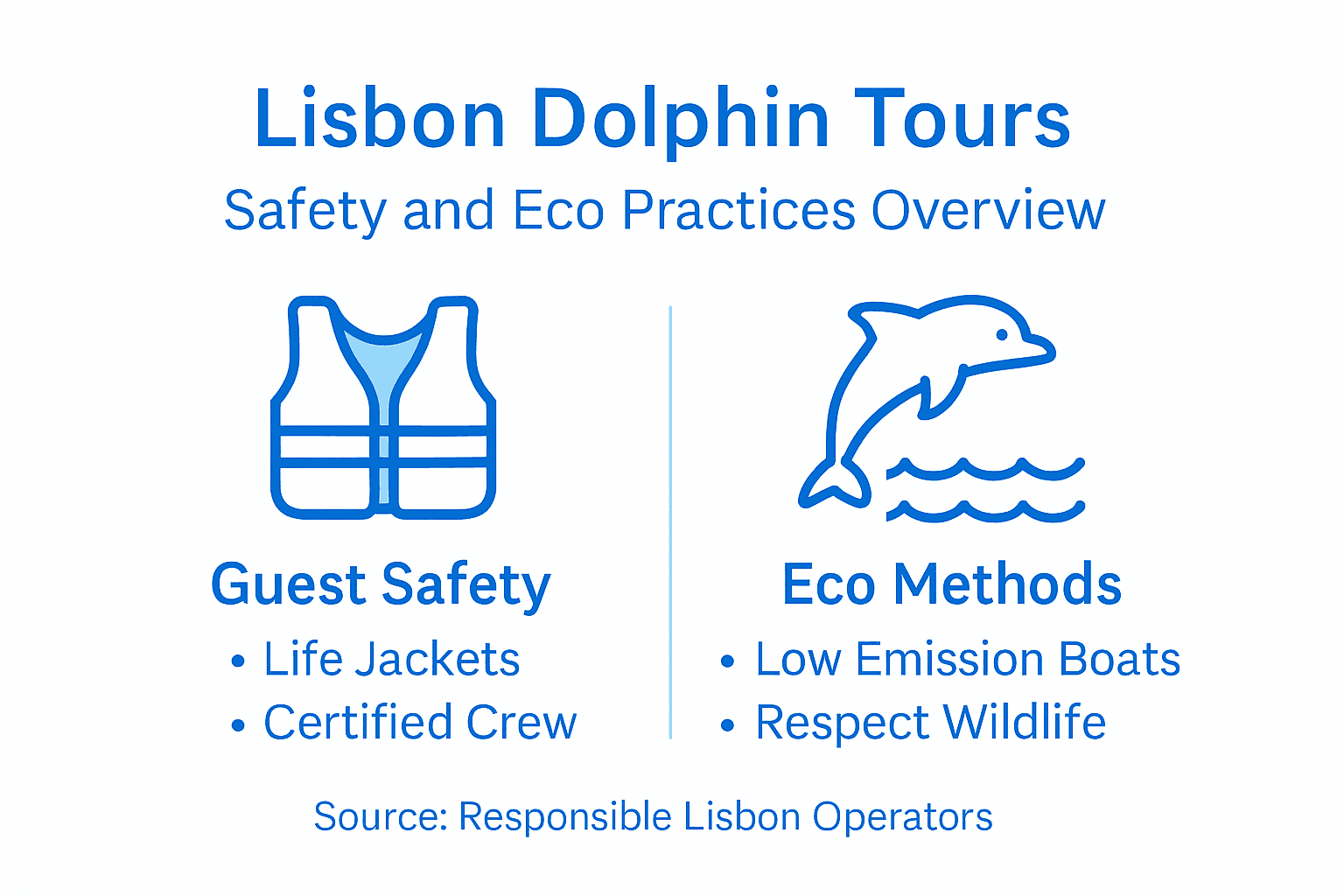
Guest Safety Protocols
Reputable operators implement comprehensive safety measures before you even board. Life jackets are provided and required for all passengers, with properly fitted equipment checked by crew members before departure.
Standard safety procedures include:
Insurance coverage: Tours carry liability and accident insurance protecting passengers
Vessel maintenance: Regular inspections ensure boats meet maritime safety standards
Trained crew: Captains and staff complete professional marine safety certifications
Weather monitoring: Tours are canceled or rerouted during dangerous conditions
Participant restrictions: Young children and pregnant women may have limitations based on vessel stability
Emergency equipment: Life rafts, first aid kits, and communication systems are onboard
Before booking, ask operators about their specific safety certifications and insurance coverage. This transparency indicates a serious approach to passenger protection.
Animal Welfare Standards
Responsible dolphin watching operators follow strict codes of approach that prioritize marine mammal welfare over profit. These guidelines govern vessel speed, distance from dolphins, and interaction duration.
Key animal welfare practices include:
Approach distance: Maintaining safe spacing prevents dolphin stress or injury
Speed restrictions: Slow, controlled speeds avoid startling pods
Duration limits: Tours don’t exhaust dolphins through extended pursuit
Noise reduction: Engine and equipment management minimizes underwater sound pollution
Seasonal awareness: Tours respect breeding seasons and sensitive periods
Operators genuinely committed to conservation spend money on restraint—limiting tour frequency, reducing passenger capacity, and refusing sightings when conditions are unfavorable.
Environmental Impact Reduction
Eco-conscious operators minimize their carbon footprint and water pollution. Practices range from fuel-efficient vessels to comprehensive waste management onboard.
Look for operators with:
Carbon neutrality goals: Tracking and offsetting emissions from fuel consumption
Zero-waste policies: Recycling and proper disposal of all onboard waste
Eco-friendly cleaning: Using biodegradable products that won’t contaminate marine environments
Sustainable sourcing: Purchasing fuel and supplies from environmentally responsible vendors
Route optimization: Planning trips to minimize unnecessary fuel consumption
Verification and Certification
Don’t rely on company claims alone. Verify credentials through official channels.
Check for:
Local maritime authority licenses: Tours should be registered with Portuguese maritime regulators
Environmental certifications: Look for eco-tourism or sustainable business credentials
Insurance documentation: Operators should provide proof of coverage upon request
Guide qualifications: Marine biologists should have credentials from recognized institutions
Customer reviews: Multiple platforms (TripAdvisor, Google) reveal consistent patterns about safety
Legitimate operators welcome questions about safety protocols. If a company seems evasive or dismissive, that’s a red flag.
Pro tip: Contact tour operators directly and ask specific questions about their life jacket conditions, most recent safety inspection results, and insurance limits—genuine companies answer immediately with documentation references.
Pricing, Refunds, and Booking Essentials
Understanding costs and booking procedures removes confusion before you commit. Lisbon dolphin tours offer varied price points based on tour type, duration, and included services.
Price Ranges and What’s Included
Dolphin tour pricing typically ranges from €35 for river cruises to €65-€75 for comprehensive ocean tours led by marine biologists. The variation reflects differences in boat quality, guide expertise, and tour duration.
Standard pricing includes:
Certified marine guides: Expert commentary on dolphins and ocean ecology
Life jackets and safety equipment: All required personal protective gear
Insurance coverage: Liability protection for passengers
Fuel and operational costs: No hidden surcharges for vessel operation
Booking platform fees: Most operators absorb these rather than passing them to customers
Private charters cost significantly more—typically €300-€800 for half-day experiences—because you’re paying for exclusive vessel access and customized routing.
This table summarizes key included features and pricing tiers for Lisbon dolphin tours:
Price Range | Inclusions | Tour Duration |
€35-€60 (group tour) | Marine guide, safety gear, insurance | 2-3 hours |
€65-€75 (educational) | Biologist-led, extended activities | 4-6 hours |
€300-€800 (private charter) | Exclusive vessel, tailored route | Flexible (2-6 hours) |
Budget travelers find group tours excellent value; families and photography enthusiasts justify private charter costs through personalization and flexibility.
Booking in Advance
Popularity means advance bookings are essential, particularly during summer months. Most operators recommend booking 2-3 weeks ahead, though last-minute slots sometimes open.
Booking steps typically involve:
Select your date and time: Check operator websites for available departure times
Choose tour type: Group, semi-private, or private charter experience
Provide passenger details: Names, ages, and any health restrictions
Confirm restrictions: Some operators limit pregnant women or very young children
Receive confirmation: Email with meeting location, arrival time, and cancellation details
Many operators offer flexible scheduling across multiple daily departures, allowing you to adjust if your plans shift.
Refund and Cancellation Policies
Refund policies vary significantly between operators, so verify details before booking. Most offer flexible options for legitimate reasons.
Common refund scenarios include:
Weather cancellations: Full refunds or rescheduling without penalty
Safety concerns: Canceled tours due to ocean conditions offer rescheduling
No sightings: Many operators provide rain checks if dolphins don’t appear
Personal cancellations: Policies range from full refunds to forfeitures depending on cancellation timing
Overbooking: Reputable operators rebook you on later departures if space fills
Read the fine print carefully. Some operators offer 100% refunds up to 48 hours before departure, while others charge cancellation fees after shorter windows. Confirm whether rescheduling equals a full refund or just a future booking guarantee.
Health and Age Requirements
Safety restrictions exist for specific populations. Always disclose health conditions when booking.
Common restrictions include:
Pregnant women: Pregnancy often restricts participation due to vessel motion and emergency protocols
Young children: Minimum age requirements range from 3-5 years
Mobility limitations: Some vessels lack accessibility features
Health conditions: Severe heart conditions or recent surgeries may disqualify participation
Operators enforce these restrictions legally and ethically. Misrepresenting health status puts you at genuine risk.
Pro tip: Book directly with operators rather than third-party booking platforms—you’ll find better cancellation flexibility, direct communication with crew, and occasionally lower prices by eliminating middleman fees.
Experience Lisbon Dolphin Tours with Sustainable Sailing Adventures
Discover the thrill of eco-friendly ocean adventures that respect marine life and help preserve Lisbon’s unique dolphin populations. If you value responsible dolphin watching and want to avoid tours that disrupt natural behaviors, our daily sailing tours offer the perfect balance of breathtaking sightseeing and authentic wildlife encounters. Our expert guides share deep insights into historical landmarks and marine ecology while you enjoy the serenity of sailing along the beautiful Lisbon coastline.
Choose a dolphin tour experience that matches your passion for conservation and education. Whether you prefer a more social group setting or a private yacht tailored just for your needs, explore the options at Lisbon by Boat. Book your voyage now and join us in protecting and celebrating Lisbon’s dolphins the sustainable way. Secure your spot today and sail into an unforgettable eco-friendly adventure.
Frequently Asked Questions
What can I expect on a Lisbon dolphin tour?
On a Lisbon dolphin tour, you can expect to observe wild dolphins in their natural habitat while a trained marine biologist provides insights into dolphin behavior, local ecosystems, and conservation efforts. The tour also includes scenic views of historic landmarks along the coast.
Are dolphin sightings guaranteed on these tours?
While many tours offer a high probability of dolphin sightings, encounters with dolphins are never guaranteed, as they depend on seasonal patterns and daily conditions. Reputable operators often provide rain checks if no dolphins are spotted during your tour.
How do private and group dolphin tours differ?
Private dolphin tours allow for customized itineraries, flexible timings, and a more personalized experience, as you have the entire vessel for your group. In contrast, group tours accommodate larger numbers of passengers and follow fixed schedules, making them a more budget-friendly option.
What are the safety measures taken during dolphin tours?
Quality dolphin tour operators prioritize safety by providing life jackets, ensuring vessels are well-maintained, and employing trained crews. They also adhere to animal welfare practices, maintaining safe distances from dolphins and respecting their natural behaviors.
Recommended
Comments