

How Guided Cruises Operate: a Traveler's Breakdown
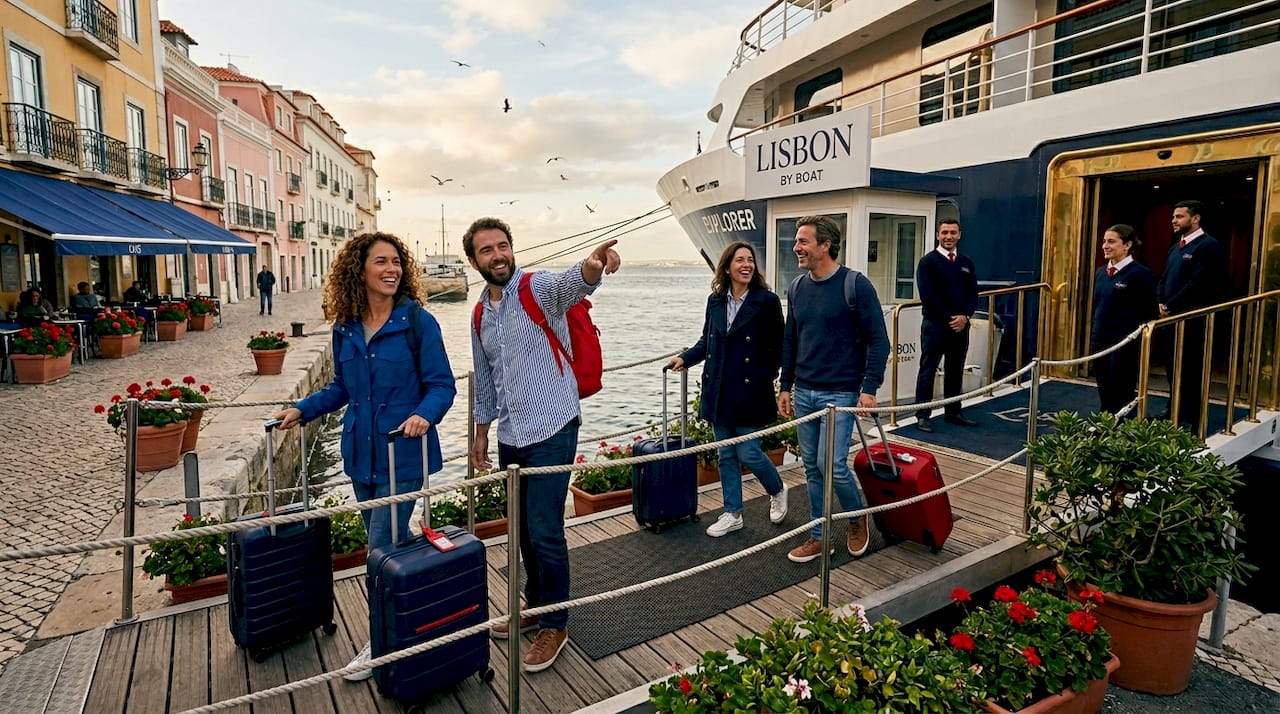
TL;DR:
Guided cruises combine scheduled transportation, organized shore excursions, and onboard programming managed by experienced crews. The daily routine follows a fixed timetable, ensuring timely departure and safety protocols, while shore tours are structured to maximize limited port time. Technology enhances experience delivery, but human guides are vital for managing real-world changes and personalized storytelling.
A guided cruise is defined as a structured maritime travel experience that combines scheduled ship transportation, organized shore excursions, and onboard programming under coordinated crew management. Understanding how guided cruises operate gives you a real advantage when planning, because the logistics behind the scenes directly shape what you experience on deck and ashore. The daily rhythm follows a predictable pattern: breakfast, guided excursions, a midday return for lunch, free afternoon time, and evening dinner with entertainment. Safety Management Systems, GPS-triggered audio guides, and strict all-aboard timing protocols are all working together to keep that rhythm intact. Whether you are considering a river cruise along the Danube or a sailing tour of Lisbon’s coastline with Lisbonbyboat, knowing the operational structure helps you choose smarter and enjoy more.
How guided cruises operate day to day
The daily structure of an organized cruise tour is more deliberate than most first-timers expect. European river cruises typically begin with breakfast between 7:00 and 9:30am, followed by shore excursions departing mid-morning, with excursion groups returning around noon so lunch can be served onboard. That rhythm repeats at every port, giving the day a reliable backbone.
Here is how a standard guided cruise day breaks down:
Morning breakfast (7:00–9:30am): Served onboard while the ship is docked. This is also when guides brief passengers on the day’s excursion, covering timing, walking distances, and what to bring.
Mid-morning shore excursion departure: Groups leave the ship with a guide. Ship-sponsored tours use a numbered system so crew can track every passenger against the manifest.
Excursion return and onboard lunch (noon–1:30pm): All groups must be back before a set all-aboard time. Lunch is served once the majority of passengers have returned.
Unstructured afternoon: Passengers choose between onboard programming, independent exploration, or rest. Some lines offer optional afternoon excursions at an added cost.
Evening dinner and entertainment (7:00pm onward): Dinner is typically a sit-down service. Entertainment on river cruises tends to be low-key, often ending by 10:00pm.
Pro Tip: Book your preferred excursions before departure, not at the port. Popular tours on well-traveled routes fill up weeks in advance, and waitlists move slowly once the ship is underway.
The structure is intentional. Every timed block exists to protect the ship’s departure window, which is set by port authorities, not the cruise line. Missing that window can mean a full day’s delay and a cascading effect on every subsequent port.
How do guided shore excursions work?
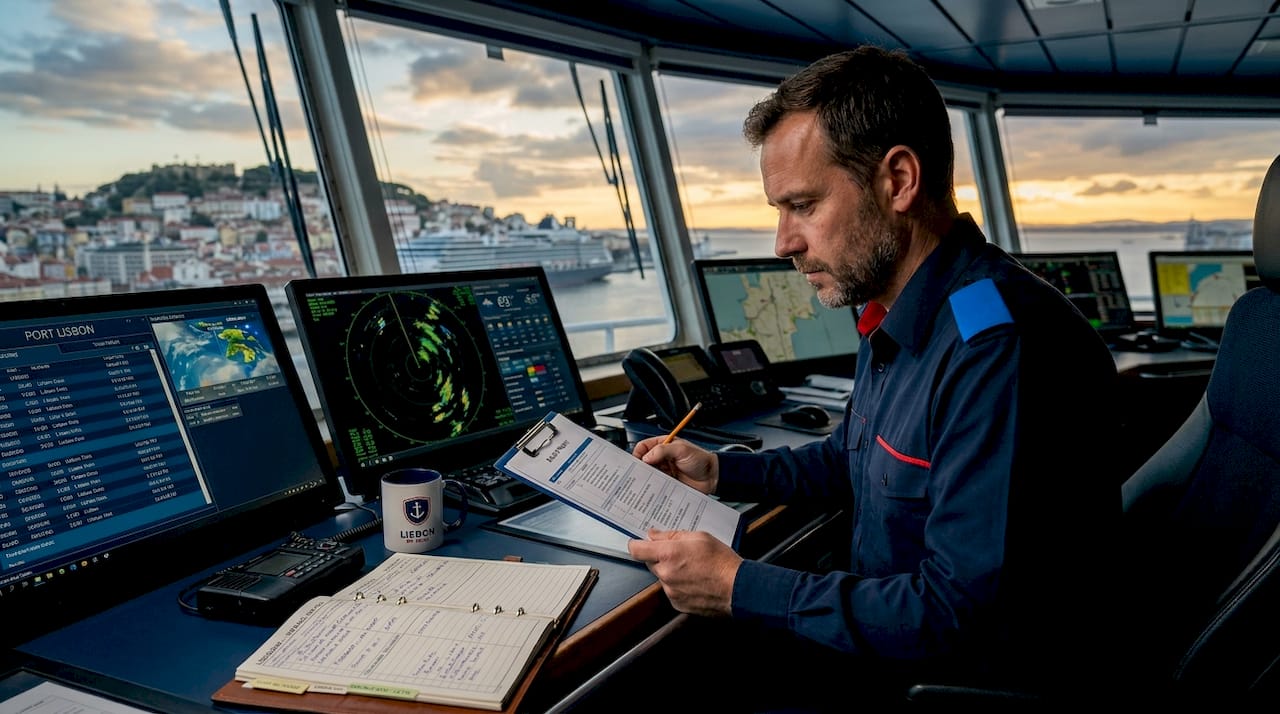
Shore excursions are the operational core of the guided cruise experience. Cruise shore excursions are structured, guided tours designed to maximize limited port time, ranging from sightseeing bus tours and museum visits to active options like hiking, biking, and snorkeling. The range is wide, but the logistics follow a consistent model regardless of destination.
Key facts about how shore excursions are structured:
Ship-sponsored tours carry a guaranteed return promise. If the tour runs late, the ship waits. That guarantee disappears the moment you book independently.
Independent tours often offer smaller groups and more personalized experiences, but you absorb all timing risk. Missing the all-aboard time means arranging your own transport to the next port at your own expense.
Local expert guides lead most shore excursions. Their knowledge of crowd patterns, site access, and local customs adds context that no printed map provides.
Audio-enhanced tours are increasingly common, particularly at UNESCO sites where large groups cannot cluster around a single guide. Headsets allow the guide to speak at a normal volume while the group spreads out naturally.
Pacing tiers are standard on river cruises. Tours are often labeled gentle, moderate, or active so passengers self-select based on mobility and energy. This keeps groups moving at a consistent pace and reduces bottlenecks at key sites.
Pro Tip: If you choose an independent tour, set a personal return deadline 30 minutes before the official all-aboard time. That buffer covers traffic, slow queues, and the walk back to the gangway.
The coordination between the ship’s operations team and shore excursion providers is more complex than it appears. Reliable guided experiences result from months or years of groundwork: scouting destinations, vetting transfer logistics, optimizing excursion timing for crowd levels and natural light, and building backup plans for weather or site closures. What looks effortless at the port is the product of serious advance planning.
What role does technology play in guided tour experiences?
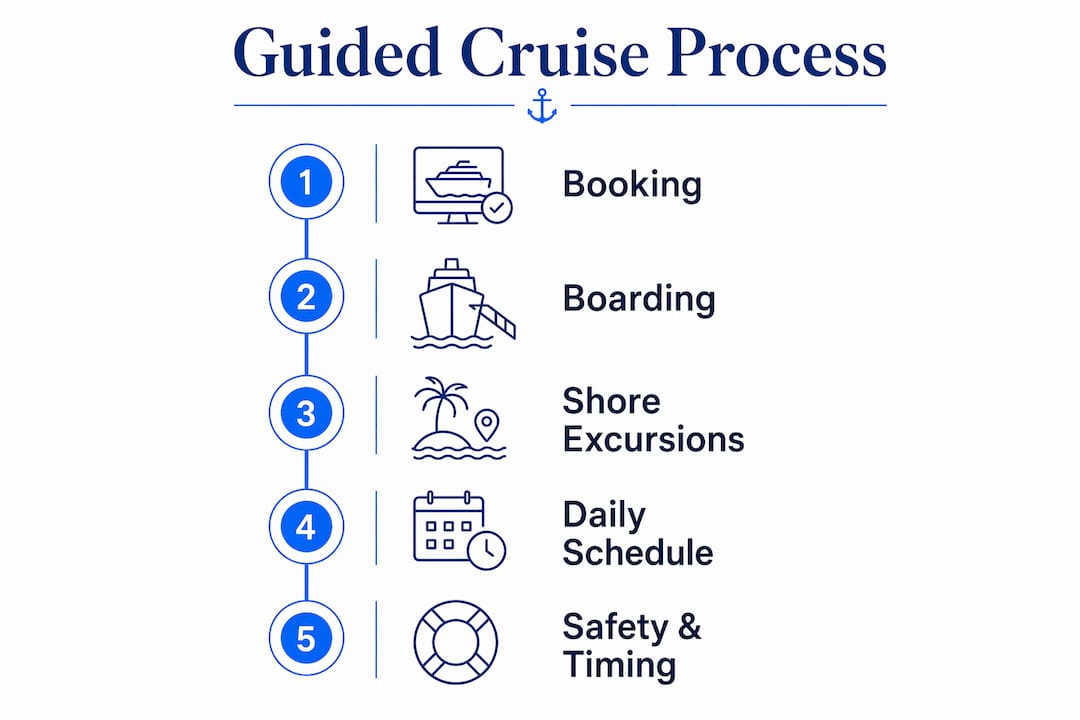
Technology has changed how information reaches passengers during shore excursions, though it has not replaced the human guide. Smart tour guide systems operate in two main modes: live guidance, where a guide speaks into a microphone and guests listen via headsets, and self-guided narration, where an app plays location-specific audio triggered by GPS coordinates or Bluetooth beacons.
Technology | How it works | Best use case |
Live guide headsets | Guide speaks into mic; guests receive audio via earpiece | Large groups at noisy or crowded sites |
GPS-triggered audio | App detects location and plays pre-recorded narration automatically | Self-paced walking tours between fixed points |
Bluetooth beacons | Fixed transmitters trigger audio when a device enters range | Museum interiors and heritage sites |
QR code stations | Passengers scan codes at points of interest for on-demand content | Supplementary detail at secondary stops |
The operational advantage of GPS and Bluetooth systems is flexibility. Passengers can pause, replay, or skip segments without disrupting the group. That matters on cruises where guests have different levels of interest in specific sites. However, technology in guided tours primarily improves information delivery and routing. Live guides still handle the human factors: adapting to real-world changes, managing group energy, and responding when a site is unexpectedly closed or a local event blocks the planned route.
The practical takeaway is that technology and human guides work best together. A GPS audio system covering a monument’s history frees the live guide to manage logistics, answer questions, and read the group’s mood in real time.
How do cruise ships ensure safety and timing compliance?
Safety on a guided cruise is not a background detail. It is an operational system that runs parallel to every excursion, meal, and entertainment event. Passenger vessel safety planning requires that crew safety drills be conducted at intervals not exceeding three months, with all procedures integrated into the ship’s Safety Management System so the Master can initiate emergency protocols within minutes of any incident.
The key safety and compliance mechanisms include:
Safety Management System (SMS): Every crew member’s role in an emergency is documented and rehearsed. The SMS is the operational backbone that connects the bridge, engineering, hospitality, and excursion teams.
Safe Return to Port (SRtP) regulations: These require that a ship maintain enough operational capability to return to port under its own power after a casualty event. This is a legal requirement, not a marketing claim.
Muster drills: Mandatory for all passengers, typically within 24 hours of embarkation. On river cruises, these are shorter and more informal than on ocean vessels, but they are still required.
All-aboard enforcement: Shore excursion coordinators track every passenger against the manifest. The ship does not depart until the count is confirmed or a decision is made by the Master.
Excursion return windows: These are set with buffer time built in. A tour scheduled to return at 11:30am against a noon all-aboard is not cutting it close. That 30-minute gap is deliberate operational margin.
Understanding these protocols matters for your planning. When a ship-sponsored tour runs late, the ship waits because the operator is contractually and operationally responsible for every passenger on that tour. That assurance has real value, particularly in ports where independent transport options are limited. For a closer look at how boat safety guidelines apply in a Lisbon context, Lisbonbyboat covers the specifics in detail.
How river cruising and ocean cruising differ operationally
The operational differences between river and ocean cruises are significant enough to affect how you plan and what you experience. River cruise ships typically carry under 200 passengers and are built to fit through river locks, which means limited onboard facilities and a strong emphasis on destination immersion rather than shipboard entertainment.
Feature | River cruise | Ocean cruise |
Ship capacity | Under 200 passengers | 2,000 to 6,000+ passengers |
Port location | Docks in city centers | Often uses tender boats or distant terminals |
Excursion focus | Deep destination immersion | Variety across multiple port types |
Onboard amenities | Limited, destination-focused | Extensive: pools, theaters, multiple restaurants |
Pacing | Slower, more intimate | Faster, more varied |
Fare inclusions | Often includes excursions and dining | Excursions typically sold separately |
River cruise fares frequently include guided shore excursions and most dining as part of the standard price, while ocean cruise lines typically sell excursions separately. That difference affects not just your budget but your planning approach. On a river cruise, you can expect a curated guided cruise itinerary with pre-selected stops. On an ocean cruise, you are building your own excursion schedule port by port.
The intimacy of river cruising also changes how guides operate. With fewer passengers, guides can adapt pacing more easily, take questions mid-tour, and adjust routes based on group interest. Ocean cruise excursions, by contrast, often involve larger groups and tighter time windows, which places more pressure on the logistics and less room for spontaneous detours.
Key takeaways
Guided cruises deliver structured, safe, and information-rich travel by combining scheduled excursions, trained guides, safety systems, and technology into one coordinated operation.
Point | Details |
Daily structure is fixed | Breakfast, excursions, lunch, free time, and dinner follow a set timetable tied to port departure windows. |
Shore excursion timing is non-negotiable | Ship-sponsored tours guarantee your return; independent tours place all timing risk on you. |
Safety systems run continuously | SMS protocols and crew drills at three-month intervals keep emergency response ready at all times. |
Technology supports but does not replace guides | GPS and Bluetooth audio tools improve information delivery; live guides manage real-world changes. |
River and ocean cruises differ structurally | River cruises prioritize destination immersion with inclusive fares; ocean cruises offer scale and variety with separate excursion costs. |
What most travelers miss about guided cruises
The part of a guided cruise that passengers rarely see is the part that makes everything else work. Operators spend months scouting routes, timing crowd patterns at major sites, and building contingency plans for weather, closures, and transport delays. When your excursion runs smoothly, that is not luck. It is the result of serious logistical preparation that never appears on the itinerary.
What I have observed, both from operating tours in Lisbon and from speaking with travelers who have done river and ocean cruises, is that most people underestimate how much the quality of the guide determines the quality of the experience. Technology can tell you what a monument is. A skilled guide tells you why it matters, connects it to something you already know, and adjusts the story based on who is in the group. That adaptability is irreplaceable.
Pacing is the other factor that surprises people. Many cruise lines now offer tiered excursion options labeled by physical intensity, and choosing the wrong tier is one of the most common planning mistakes. A “moderate” tour on a hot August day in a hilly port city is a very different experience from the same label in spring. Read the fine print on walking distances and terrain before you commit.
Booking excursions early is not optional advice. It is a practical necessity. Popular tours on high-demand routes fill weeks before departure, and the waitlist rarely clears. If a specific experience is central to your trip, secure it the moment booking opens.
Finally, the safety protocols that feel like bureaucratic formality at the muster drill are the same systems that protect you if something goes wrong at sea. They are worth paying attention to, not just tolerating.
— Lisbon
Discover Lisbon’s coastline on a guided yacht cruise
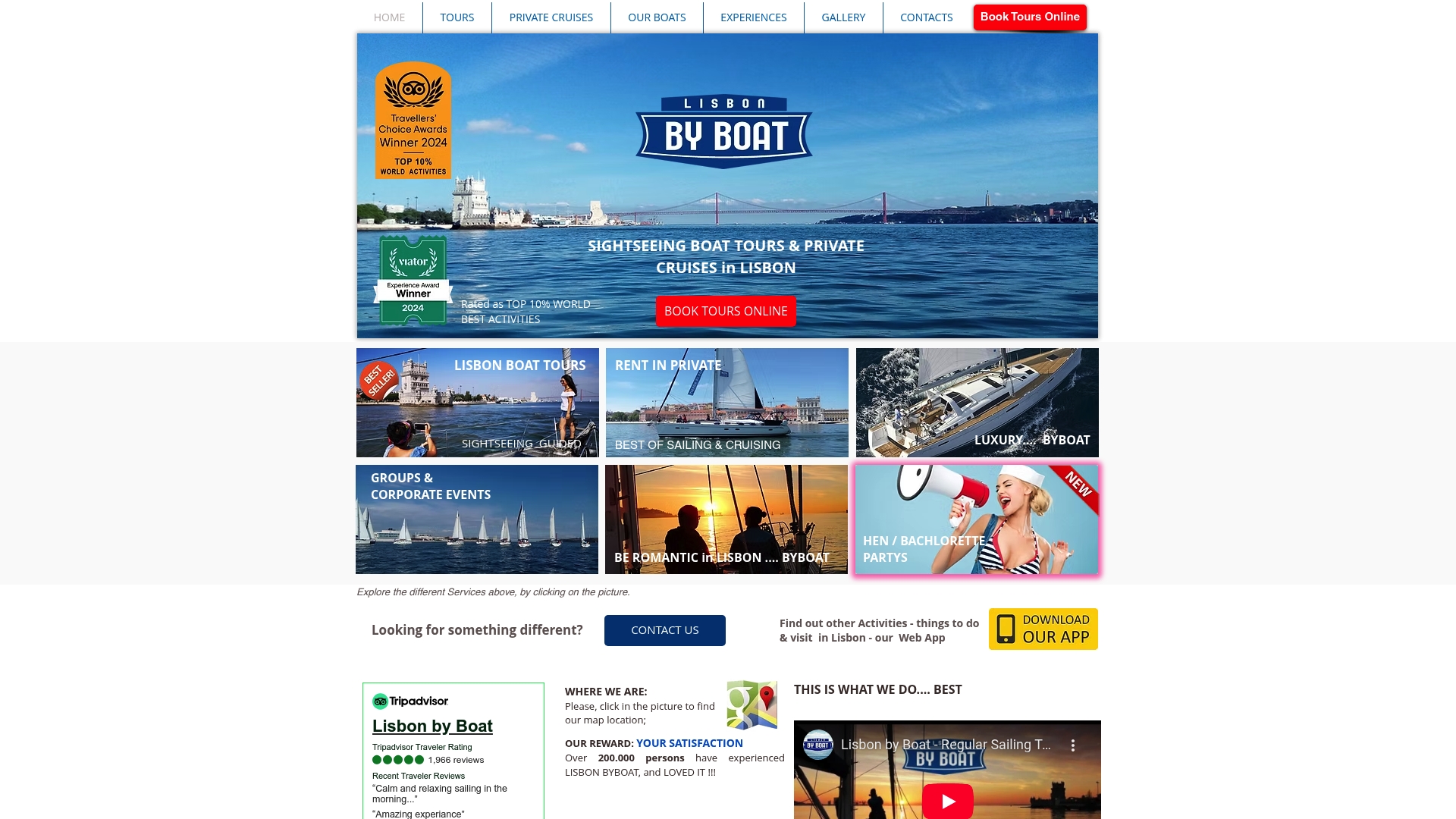
Lisbonbyboat offers daily sailing tours in Lisbon that put everything covered in this article into practice on the water. The 2-hour guided tours cover Lisbon’s historical coastline with expert narration of the city’s major monuments and landmarks. For travelers who want more time on the water, private cruises on sailing yachts and catamarans are available from 2 hours to a full day. Every departure includes a knowledgeable guide, strict safety protocols, and a curated route designed to show Lisbon from its best angle. You can also explore charter yacht options in Portugal for a fully personalized experience tailored to your group and schedule.
FAQ
What are guided cruises exactly?
Guided cruises are structured maritime travel experiences that combine scheduled ship transportation with organized shore excursions and onboard programming led by trained guides. The itinerary, timing, and safety protocols are all managed by the cruise operator.
How do shore excursions work on a cruise?
Shore excursions are guided tours that depart from the ship at each port, covering options from cultural sightseeing to active adventures. Ship-sponsored excursions guarantee your return to the vessel; independent tours require you to manage your own timing.
What happens if you miss the all-aboard time?
If you miss the ship’s departure, you are responsible for arranging your own transport to the next port at your own expense. Ship-sponsored excursion passengers are the exception: the ship waits for late-returning groups from its own tours.
How does a river cruise differ from an ocean cruise operationally?
River cruises carry under 200 passengers, dock in city centers, and typically include excursions and dining in the fare. Ocean cruises operate at a much larger scale with separate excursion costs and a wider range of onboard amenities.
Is technology replacing live guides on cruise excursions?
Technology improves information delivery through GPS-triggered audio and Bluetooth beacon systems, but live guides remain the standard for managing real-world changes, group dynamics, and adaptive storytelling that no app currently replicates.
Recommended
Comments