

Group Capacity Guidelines for Yachts: How Many Guests Fit
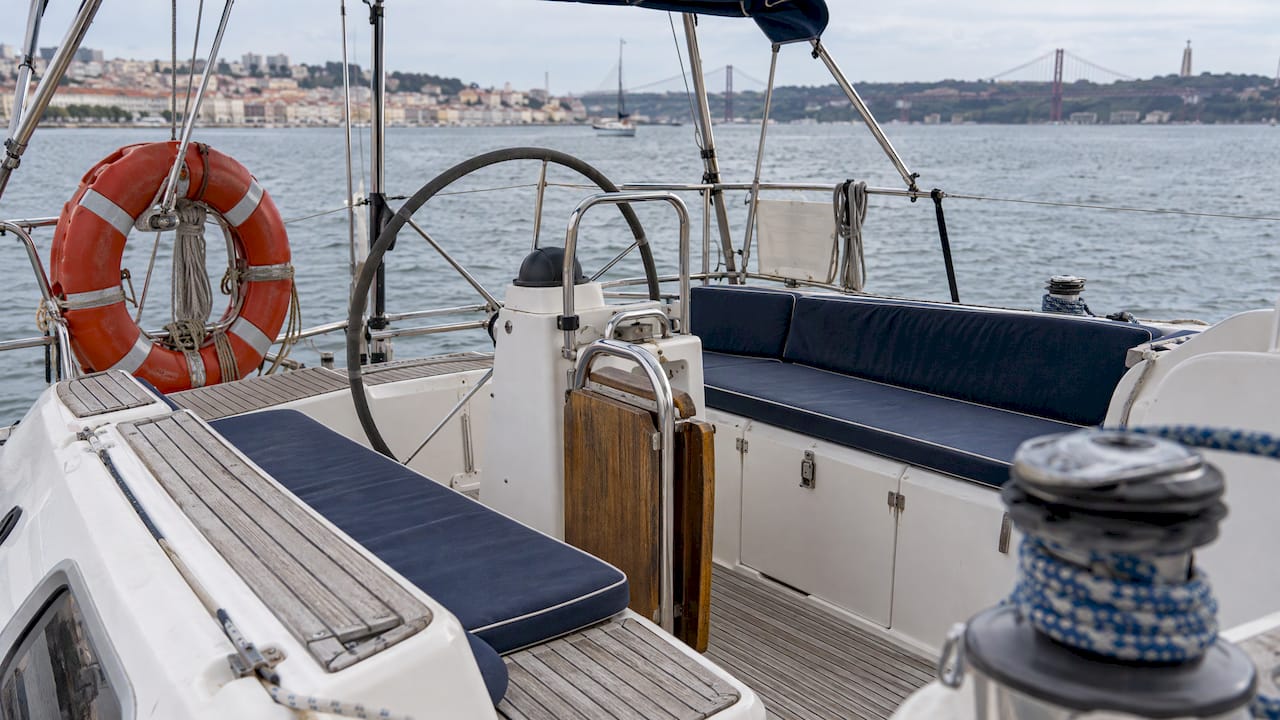
A yacht’s capacity is not one number. It is the legal maximum on the vessel’s certificate, reduced by weather, gear and layout, and then reduced again by what feels pleasant for your group. For a Lisbon outing, plan around the comfortable number, not the printed one. We run sailing yachts, catamarans, speedboats and larger group vessels on the Tagus, from a private yacht for a small party to ships for groups of up to 340 people, so the right boat can be matched to the group instead of the group squeezed onto the boat.
TL;DR
The legal passenger limit comes from the vessel’s certificate and its flag, not from a rule of thumb about length.
Twelve passengers is the main regulatory threshold: above it, a yacht is generally treated as a passenger vessel with stricter requirements.
Crew do not count as passengers, but event staff such as caterers and entertainers can count as extra guests.
Weather, children, gear and heavier-than-average loads all lower the realistic number.
For a sightseeing cruise or team-building day, choose a boat with room to move, sit and mingle, not one filled to the limit.
Table of Contents
What a yacht’s passenger capacity actually counts
When an operator says a yacht holds 12 guests, that figure is about passengers. The American Bureau of Shipping’s yacht guide defines a passenger as every person other than the master, crew or people engaged on the yacht’s business, and it also excludes a child under one year of age. So the captain and deckhands sit on top of your headcount.
Two other numbers get confused with it:
Guests on board for a day trip. This is the figure that matters for a sightseeing cruise or an afternoon event.
Overnight berths. Far fewer. According to YachtBuyer’s guide, a 12 m (40 ft) yacht can take around 12 guests for a day but sleep only four or six, and a 20 m (65 ft) yacht may take 20 guests while sleeping perhaps eight. Typical permanent berths run from 4 for a 12 m yacht to 10 or more for a 30 m yacht.
For a Lisbon visitor or a corporate planner booking a daytime cruise, only the first number matters. Berths are for charters that stay out overnight.
The 12-passenger line
Across many jurisdictions, 12 passengers is where the rules change. The Red Ensign Group’s Yacht Code (July 2024 edition) covers pleasure yachts carrying more than 12 but not more than 36 passengers on international voyages, with a maximum of 200 people on board. Its commercial counterpart covers yachts of 24 m and over carrying no more than 12. The Bahamas Maritime Authority’s yacht codes draw the same line: no more than 12 passengers on its large and small commercial yacht codes, and 13 to 36 under its passenger yacht code.
The reasoning is simple. More people aboard means more lifesaving equipment, more escape routes and more planning for an evacuation. Rules differ by country and flag, so the number that applies to a given boat is the one on that boat’s own certificate.
What groups above 12 look like in practice
Registries handle large groups in different ways. Malta’s Commercial Yacht Code (2025) lets commercial yachts carry more than 12 passengers only while static, berthed or at anchor, and requires a risk assessment, lifesaving appliances for everyone aboard, two means of escape, an evacuation drill and advance notice to the port authority. The Cayman Islands caps persons on a passenger yacht at 99 including crew, with never more than 36 passengers.
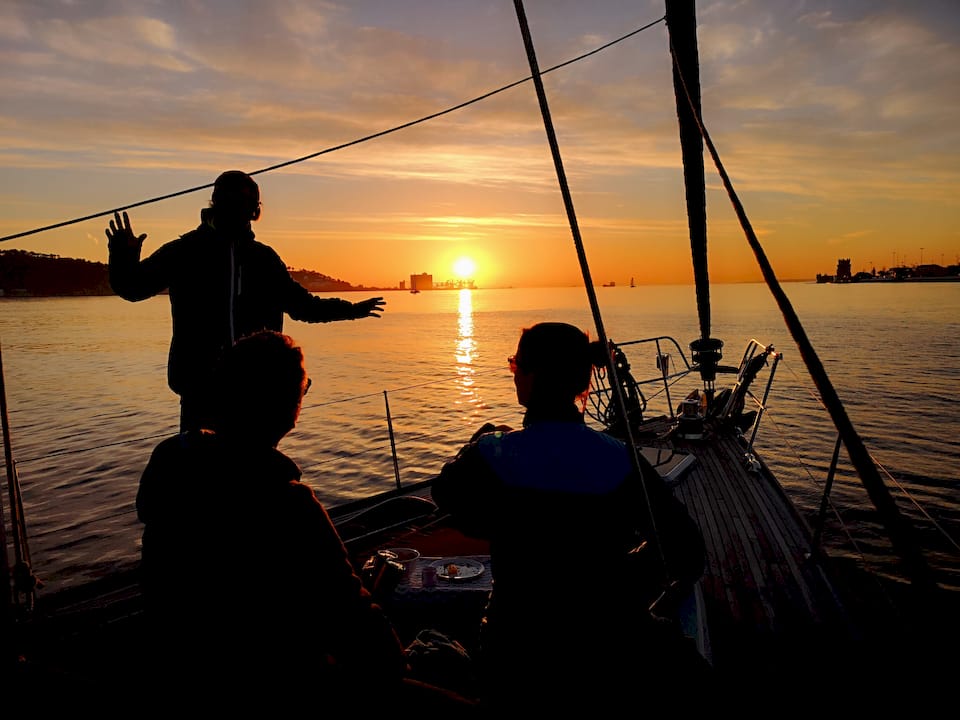
The lesson for a planner: a group of 30 or 100 is not a bigger version of a group of 10. It needs a vessel built and certified for that scale, which is why larger groups belong on purpose-built group vessels and not on a stretched-out yacht.
How the number is worked out
There is no universal formula, but the logic is consistent: space, weight and safety equipment.
Space and weight in the United States
U.S. Coast Guard rules for inspected vessels set the total persons by weight, stability, route, layout, escape means and minimum crewing (46 CFR 176.112). They also give three space-based methods in 46 CFR 176.113: one passenger per 30 inches of usable rail, one per 10 square feet of deck area, or one per 18 inches of fixed seating. Tables and other furnishings are not subtracted from deck area under that rule.
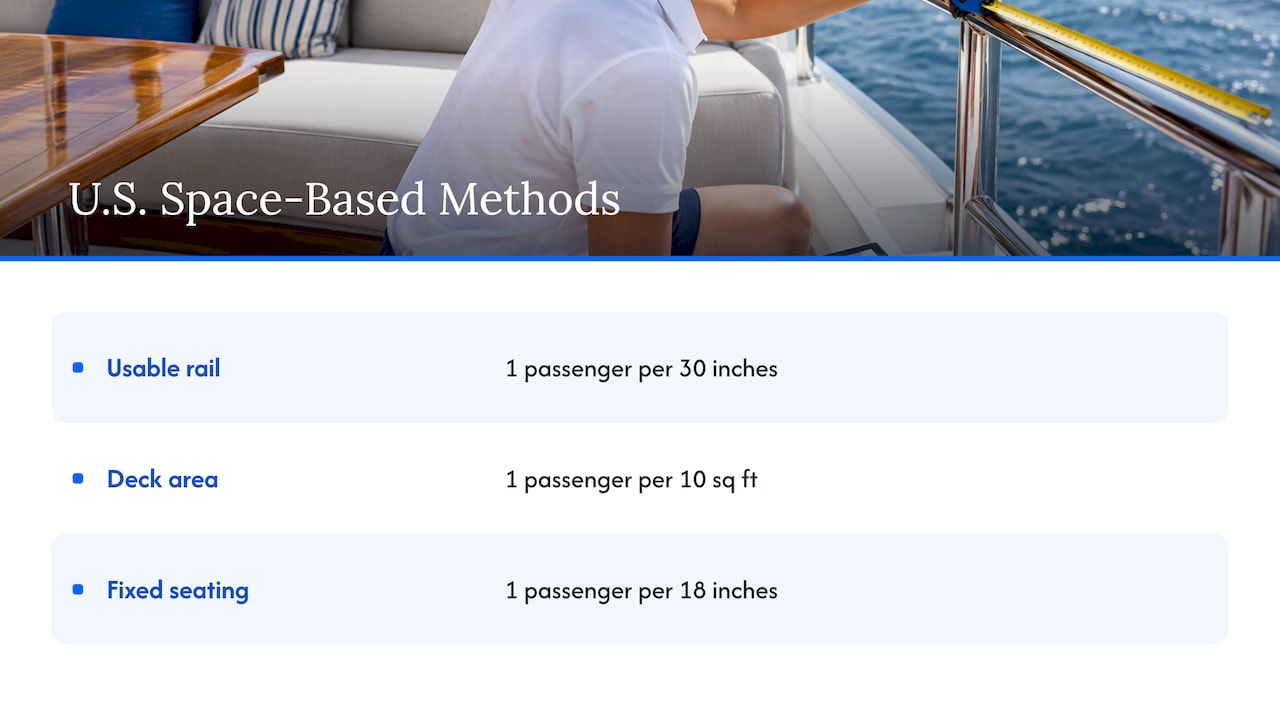
The takeaway is that length alone does not set the number. Two yachts of the same size can carry different loads because of stability, arrangement and equipment.
Formulas you may see online
Some websites suggest multiplying length by width and dividing by 15 or 18. Treat that as a rough way to compare boats, not a permit. Malaysia, for example, assesses capacity as 12 plus length times length times breadth times 0.0031, rounded down, but only when the certified total is unavailable. The authoritative figure is the certified one.
Typical group sizes by boat type
There is no standard chart, and results you find online vary widely. As an orientation, small sailboats suit couples and small parties, a mid-size yacht suits a family or a group of friends, and anything bigger moves into event territory. For our own fleet, the listed capacities are specific: speedboats for groups up to 120 people, sailing yacht regattas for groups up to 130, tall ships for up to 200 and a motor ship for up to 340. Smaller private cruises run on sailing yachts and catamarans.
Certified capacity versus comfortable capacity
The certificate tells you what is permitted in good conditions. It does not tell you what is pleasant.
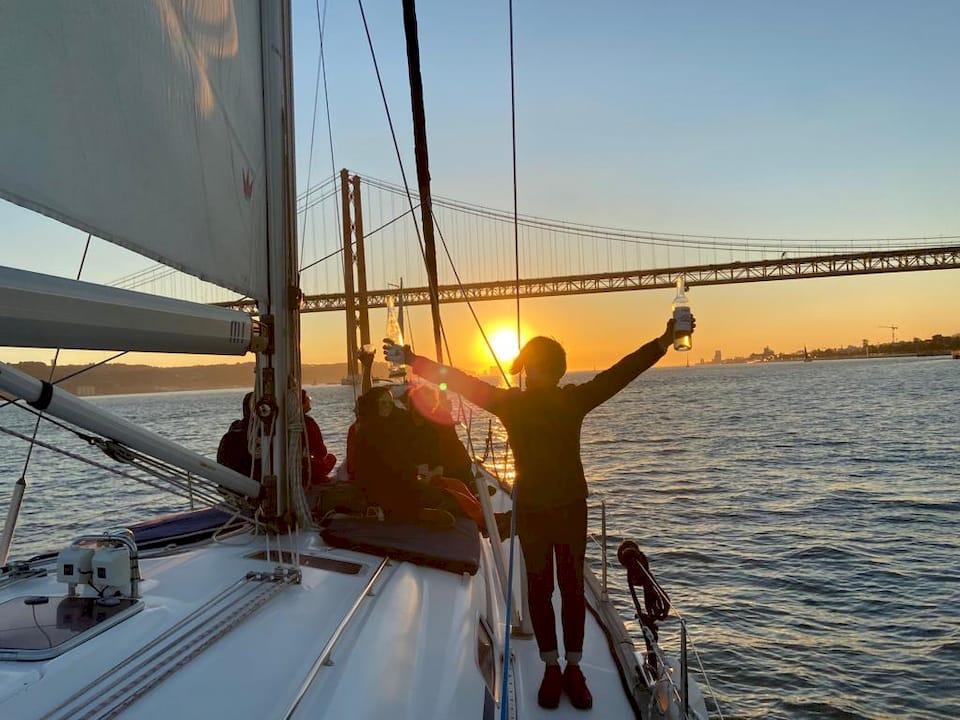
YachtBuyer notes that going to sea with 12 or 20 people aboard feels very busy and puts big responsibility on the skipper, and suggests maximum guest numbers suit drinks in port more than a day at sea. On a sightseeing cruise, people want to move between the bow and stern, take photos at the rail, sit in the shade and hear the guide. That takes space beyond the legal minimum.
A practical way to plan:
Start with the certified maximum of the boat.
Subtract for conditions (see below).
Leave room for people to circulate, sit and move without queuing for the rail.
Book the next size up if your group sits right at the limit.
What lowers the usable number
Weather and sea state
South Australia’s marine safety authority says its maximum numbers apply to calm waters in ideal conditions, and advises reducing the number by about one third in adverse weather or open seas. Marine and Safety Tasmania makes the same point: in exposed or rough conditions the operator should reduce the people aboard or not go at all. These are Australian sources, but the principle holds anywhere: a printed limit is a fair-weather figure. The Tagus estuary meets the Atlantic, so wind and swell can change the day.
Children
The same South Australian guidance counts children under 12 as half an adult and does not count infants up to 12 months. Rules differ elsewhere, so tell your operator how many children are in the party.
Weight and gear
Capacity plates in the United States assume an average adult weight of about 150 pounds, according to J.D. Power, so a party heavier than average can exceed the real limit even within the posted headcount. Weight limits matter on every kind of watercraft, as this explainer on weight limits and rental liability shows for jet skis. Coolers, extra fuel and water toys also add load, as Grady-White’s guidance notes.
Event staff
If your event brings in caterers, a DJ or security, they are not crew. The Cayman Islands Shipping Registry’s notice on additional guests counts such staff as extra guests because they know the vessel’s layout and safety procedures less well than the crew. Add them to your headcount when you plan.
Planning a group by purpose
Tourists in small parties
For a family or a few friends, a shared sightseeing tour is the simplest option. Our Lisbon Sailing Tour lasts 120 minutes and costs 45 € per person, with a live guide explaining the monuments along the coastline. The Sunset Sailing Tour is also 120 minutes, from 60 € per person. The Dolphin Watching Tour is 50 to 65 € per person.
If you want the boat to yourselves, a private tour starts at 400 € per yacht, and our Romantic Sunset Sailing for two is 390 € per yacht, listed on the romantic programs page. With a private yacht you pay per boat, so the cost per head falls as you fill it, but the comfortable number still matters more than the maximum.
Corporate events and team building
Team building needs space for activities, speeches, food and movement. Count every participant, plus facilitators and any hired staff, then pick a vessel with margin. Our group activities range from speedboats to a motor ship, and our guide to Lisbon boat capacity planning goes deeper on matching headcount to vessel. For the social side, see group dynamics on sailing tours, and for the choice between shared and exclusive boats, closed group cruises.
Parties and celebrations
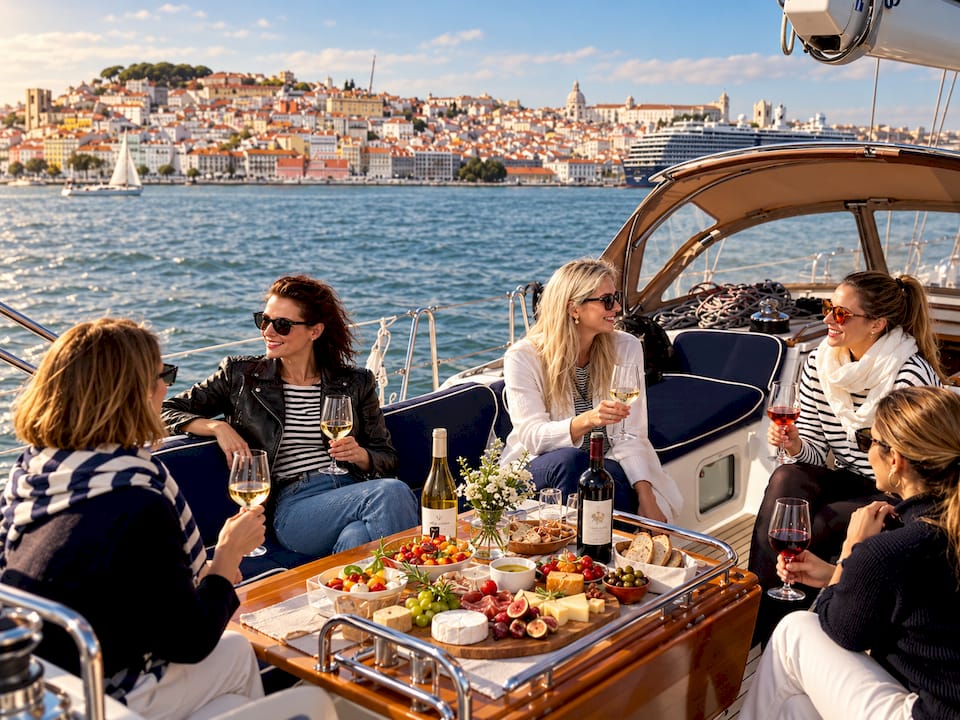
Hen parties and similar celebrations suit speed or sailing formats; see our Hen Sailing Cruise page. Themed events add décor, speakers and extra people, so build those into the count using our themed event planning tips.
A simple headcount checklist
Step | What to do |
1. Count everyone | Adults, children by age, infants, plus any guides, caterers or entertainers you bring |
2. Add a weather margin | Assume the day may call for fewer people than the maximum |
3. Choose the format | Shared tour for small parties, private yacht or catamaran for a closed group, group vessel for large teams |
4. Confirm the number | Confirm your headcount and the boat’s passenger limit with the operator when you book |
5. Brief your group | Tell guests about arrival time, clothing and the safety briefing on board |
On a vessel with a passenger certificate, the certificate is the source of truth for the number allowed. Your operator holds it and applies it to your booking.
Promo: matching your group to the right boat
We offer daily sailing tours and private cruises on sailing yachts and catamarans, from two hours to a full day, with live commentary, beverages and snacks included. For groups, our fleet runs from speedboats to a motor ship, so the headcount decides the boat and not the reverse. See private sailing and cruising programs or our group offers to find the right vessel.
If you are comparing yachts for your own plans, our overview of luxury yachts in Lisbon and our step-by-step charter guide show what each option includes.
Our perspective
We run boats on the Tagus every day, and our view is simple: the best group size is the one where everyone has a place to sit, a view of the river and room to hear the guide. A larger boat for a smaller group beats a full boat every time. That is why our fleet covers so many sizes, from private sailing yachts and catamarans to speedboats and large vessels for groups. Spacious, comfortable yachts and flexible durations let us tailor the day to the people, not the other way round. For corporate groups, the same logic applies with extra care: count your facilitators and suppliers, then choose a vessel with margin. A relaxed team on deck does better work, and remembers the day. Lisbon
FAQ
How many people can a yacht carry?
It depends on the vessel’s certificate, not its length alone. Small private yachts often host around a dozen guests, since 12 passengers is a common regulatory threshold, and larger purpose-built vessels carry far more. Always use the figure certified for the specific boat.
Does yacht capacity include the crew?
No. Passenger capacity counts guests, not the master or crew. Extra staff you bring for an event, such as caterers or entertainers, can count as additional guests, so include them in your headcount.
Is the maximum number comfortable for a sightseeing cruise?
Usually not. The maximum is a fair-weather legal limit, and a full boat feels crowded. Choosing a vessel with some spare room makes photos, movement and listening to the guide much easier.
Do children count toward capacity?
That depends on the rules that apply. South Australian guidance counts a child under 12 as half an adult and excludes infants up to 12 months, while other regimes differ. Give your operator the exact number and ages of children when you book.
Sources
Recommended
Comments