

7 Best Food Tours in Lisbon Portugal for Culinary Travelers
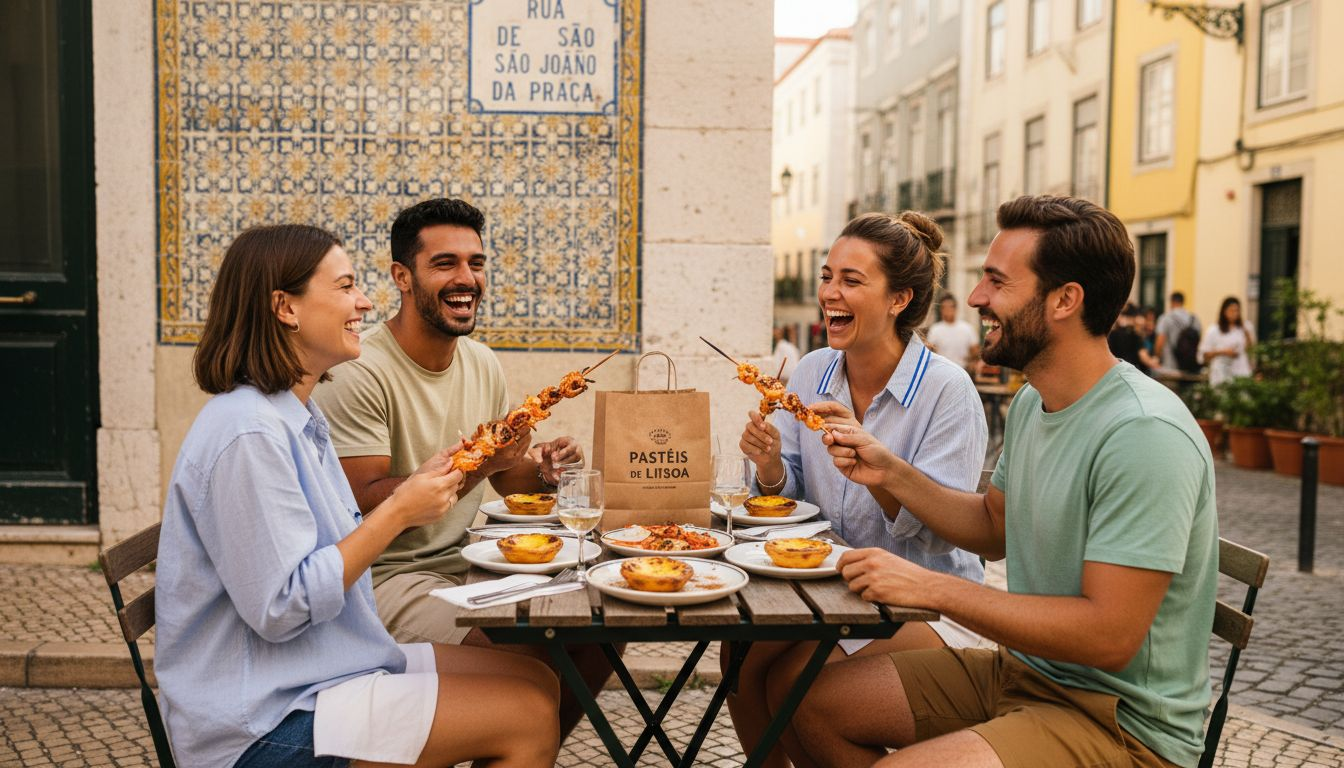
Finding authentic Portuguese food experiences in Lisbon can feel overwhelming when you’re surrounded by typical tourist traps and international chains. You want more than a generic meal—you crave the flavors, traditions, and hidden gems that locals hold dear. The challenge lies in knowing where to discover genuine markets, tasting the true flavors of iconic pastries like Pastel de Nata, and experiencing the rich seafood culture along the Atlantic coastline.
This guide uncovers practical ways to eat like a local, complete with interactive tastings, guided tours, and hands-on opportunities to connect with Portuguese culinary heritage. You’ll gain clear steps to find fresh produce, sample legendary seafood, meet passionate food artisans, and unlock the stories behind every bite.
Get ready for a collection of authentic experiences that will change the way you taste, explore, and remember Lisbon’s extraordinary food scene. Each insight reveals a path to genuine flavors and memorable encounters you would miss otherwise.
Table of Contents
Quick Summary
Takeaway | Explanation |
1. Explore hidden food markets | Discover authentic Portuguese culinary experiences beyond tourist spots at local food markets. |
2. Experience Pastel de Nata tastings | Savor the rich history and flavors of Pastel de Nata, Lisbon’s iconic custard tarts, at renowned bakeries. |
3. Indulge in local seafood | Sample fresh seafood along Lisbon’s coastline, enjoying dishes that reflect centuries of maritime traditions. |
4. Join guided walking culinary tours | Engage deeply with local food culture and historical insights through immersive walking food tours of Lisbon’s neighborhoods. |
5. Enjoy wine and tapas pairings | Experience regional wines and authentic tapas through workshops that enhance your understanding of Portuguese dining traditions. |
1. Discover Hidden Portuguese Food Markets
Lisbon’s culinary landscape harbors a treasure trove of authentic experiences beyond typical tourist destinations: its hidden local food markets. These vibrant marketplaces represent the heart of Portuguese gastronomic culture, offering travelers an immersive journey into local culinary traditions.
Traditional Portuguese markets are more than shopping destinations. They are cultural experiences where consumer preferences prioritize fresh produce and artisanal products. Travelers can explore markets that showcase the region’s rich culinary heritage through an incredible array of offerings:
Fresh seafood caught that same morning
Organic fruits and vegetables from local farms
Handmade artisanal pastries and breads
Regional cheeses and cured meats
Live demonstrations of traditional food preparation
Authentic Portuguese food markets offer more than ingredients - they provide a window into the country’s cultural soul.
These markets represent critical spaces where local consumers and culinary travelers intersect. Research indicates that Portuguese markets are valued not just for their products, but for the quality and freshness of their offerings. Visitors can engage directly with local vendors, learning about regional specialties and traditional preparation methods.
Some of the most notable hidden markets include the historic Mercado da Ribeira, the local-favorite Arco do Cego market, and the charming Campo de Ourique market. Each location offers a unique glimpse into Lisbon’s culinary ecosystem.
Pro tip: Visit markets early in the morning for the freshest produce and most authentic interactions with local vendors.
2. Experience Iconic Pastel de Nata Tastings
The Pastel de Nata represents more than a simple pastry - it is a culinary emblem of Portuguese gastronomy that every traveler must experience. These legendary custard tarts are not just desserts but cultural storytellers that capture the essence of Lisbon’s rich food heritage.
Originating in the historic Belém district, Pastel de Nata has a fascinating backstory deeply rooted in Portuguese culinary traditions. Portuguese pastry traditions reveal how these delicate tarts emerged from Catholic monasteries as a ingenious way to use egg whites after egg whites were used for starching clothes.
When exploring Pastel de Nata tastings, culinary travelers should look for key characteristics:
Crispy, flaky pastry shell
Creamy, warm custard filling
Slight caramelization on top
Served warm with powdered sugar and cinnamon
Ideally freshly baked
Authentic Pastel de Nata is an experience that transcends mere eating - it is a sensory journey through Portuguese culinary history.
Lisbon offers numerous legendary locations for experiencing these iconic pastries. The famous Pastéis de Belém bakery remains the most renowned, where the original recipe has been carefully guarded for generations. However, numerous artisan bakeries throughout the city offer exceptional versions of this beloved treat.
Traditional tasting experiences often involve pairing these pastries with bica (Portuguese espresso), creating a perfect flavor harmony that showcases the depth of Portuguese culinary culture.
Pro tip: Visit bakeries early in the morning to taste Pastel de Nata at its absolute freshest, when the custard is warm and the pastry is perfectly crisp.
3. Sample Local Seafood Along the Coastline
Lisbon’s coastal culinary scene offers an extraordinary journey through Atlantic maritime traditions that transform fresh seafood into unforgettable gastronomic experiences. The city’s proximity to the ocean creates a seafood culture that is both vibrant and deeply rooted in centuries of maritime heritage.
Seafood traditions in Lisbon’s port zone represent a complex interplay of cultural practices and exceptional marine cuisine. From charcoal-grilled fish to rare delicacies like percebes (gooseneck barnacles), the seafood experiences here go far beyond simple dining.
Culinary travelers should explore several quintessential seafood experiences:
Fresh catch from daily fish markets
Charcoal-grilled sardines
Regional specialties like percebes
Traditional seafood stews
Seasonal Atlantic fish preparations
Lisbon’s seafood is not just food - it is a living narrative of maritime culture and culinary innovation.
The city’s seafood restaurants range from traditional tascas (small local eateries) to sophisticated dining establishments. Each offers a unique perspective on Portuguese maritime cuisine. Some locations even provide live cooking demonstrations that showcase traditional preparation techniques.
Key seafood varieties include bacalhau (salted cod), sardines, octopus, and various shellfish that reflect the rich marine ecosystem of the Portuguese coastline. Many restaurants pride themselves on serving fish caught the very same morning.
Pro tip: Visit local fish markets early in the morning to witness the most authentic seafood selection and engage directly with local fishmongers about their freshest catches.
4. Join Guided Walking Culinary Tours
Lisbon’s culinary landscape comes alive through immersive walking food tours that transform ordinary sightseeing into an extraordinary gastronomic adventure. These guided experiences offer far more than just tastings - they provide a deep dive into Portuguese culinary culture and local neighborhood histories.
Walking food tours explore Lisbon’s culinary districts by connecting travelers with authentic local experiences. Small group settings allow for intimate interactions with family-owned establishments, expert guides, and hidden culinary gems that most tourists never discover.
Key benefits of guided walking culinary tours include:
In-depth historical and cultural context
Access to family-owned restaurants
Tastings of traditional Portuguese dishes
Expert navigation through historic neighborhoods
Insider knowledge from local gastronomy experts
A true culinary walking tour reveals more than flavors - it uncovers the soul of Portuguese cuisine.
Popular tour routes typically traverse historic districts like Alfama, Baixa, and Bairro Alto. Neighborhood food exploration becomes a sensory journey that combines architectural beauty, cultural insights, and exceptional regional cuisine.
Most tours offer comprehensive experiences lasting 3-4 hours, allowing travelers to sample multiple dishes, understand their cultural significance, and interact with local food artisans. Guides often share stories about ingredients, cooking techniques, and the historical evolution of Portuguese gastronomy.
Pro tip: Wear comfortable walking shoes and arrive hungry - these tours provide substantial tastings that can easily replace a full meal.
5. Explore Wine and Tapas Pairing Excursions
Lisbon offers culinary travelers an extraordinary opportunity to dive deep into Portuguese wine and tapas culture through immersive tasting experiences that blend sensory exploration with cultural education. These excursions transform wine tasting from a simple beverage sampling into a comprehensive journey through Portugal’s rich gastronomic traditions.
Portuguese wine and tapas workshops provide travelers with an authentic exploration of regional flavors, wine varieties, and culinary techniques. Participants learn not just about tasting, but about the intricate stories behind each wine and accompanying small plate.
Key highlights of wine and tapas pairing excursions include:
Tastings of regional wine varieties
Exploration of Port, Moscatel, and Vinho Verde
Authentic tapas from local eateries
Guided explanations of wine production
Cultural insights into Portuguese dining traditions
Wine and tapas are more than food and drink - they are living narratives of Portuguese cultural heritage.
The most compelling wine tours offer comprehensive experiences that go beyond simple tastings. Sensory wine journeys typically involve walking through authentic wine bars and local eateries, allowing travelers to understand the social and historical contexts of Portuguese wine culture.
Visitors can expect to sample diverse wines like crisp Vinho Verde from the north, rich Port wines from the Douro Valley, and unique Moscatel from regional producers. Each tasting is carefully paired with complementary tapas that enhance and highlight the wine’s unique characteristics.
Pro tip: Ask your guide about the specific regional origins of each wine and tapas to deepen your understanding of Portuguese culinary traditions.
6. Meet Local Chefs and Food Artisans
Lisbon’s culinary landscape offers an extraordinary opportunity to connect directly with the passionate creators behind Portugal’s gastronomic traditions. Culinary interaction experiences transform passive food tourism into an immersive journey of cultural discovery and personal connection.
Co-creation in culinary tourism reveals how local chefs and food artisans serve as critical cultural ambassadors. These experts do more than prepare meals - they share generational knowledge, personal stories, and the intricate nuances of Portuguese cuisine.
Key experiences with local culinary professionals include:
Interactive cooking demonstrations
Personal storytelling about recipe origins
Insights into traditional preparation techniques
Understanding regional ingredient significance
Learning family culinary secrets
Meeting local chefs is not just about food - it is about understanding the heart of Portuguese cultural identity.
Most culinary interactions occur through specialized food tours, cooking workshops, and artisan market visits. Authentic culinary connections provide travelers with unprecedented access to the personal narratives and techniques that define Portuguese gastronomy.
Some of Lisbon’s most renowned chefs have transformed traditional recipes while maintaining deep respect for cultural heritage. They blend contemporary techniques with time-honored traditions, creating a dynamic culinary landscape that honors the past while innovating for the future.
Pro tip: Always approach chef interactions with curiosity and respect, asking thoughtful questions about their culinary journey and local food traditions.
7. Combine Sailing and Gourmet Experiences
Lisbon offers a unique culinary adventure that blends maritime exploration with exceptional gastronomy through innovative sailing and food experiences. These immersive tours transform traditional dining into a multisensory journey along the stunning Tagus River.
Food tourism experiences in Lisbon reveal how unique settings like sailing tours enhance culinary engagement by providing extraordinary contextual backdrops for gastronomic discovery. Travelers can savor premium Portuguese wines and gourmet starters while gliding past historic waterfront landmarks.
Key features of sailing and gourmet experiences include:
Premium Portuguese wine tastings
Gourmet small plate appetizers
Stunning waterfront views
Intimate group settings
Expert culinary and nautical guidance
Sailing is not just transportation - it is a dynamic canvas for culinary storytelling.
These experiences typically offer carefully curated menus that showcase regional ingredients and wine varieties. Small group sizes ensure personalized interactions and the opportunity to learn about Portuguese culinary traditions directly from onboard experts.
The combination of sailing and gourmet experiences allows travelers to engage multiple senses simultaneously. You will taste exceptional local flavors while witnessing Lisbon’s breathtaking coastal landscapes, creating memories that extend far beyond traditional dining.
Pro tip: Book sailing and gourmet tours during golden hour for the most spectacular lighting and most memorable culinary experience.
Below is a comprehensive table summarizing key topics and highlights from the article “Discover Hidden Portuguese Food Markets.”
Topic | Description | Key Details |
Hidden Portuguese Food Markets | Explore local food markets in Lisbon to experience authentic Portuguese culinary traditions. | Offers fresh seafood, organic produce, pastries, cheeses, and interaction with vendors for insights into local specialties. |
Pastel de Nata Tastings | Discover the emblematic pastry of Portugal, originating from monasteries in Belém. | Characterized by crispy pastry, creamy custard filling, slight caramelization, best tasted freshly baked with powdered sugar and cinnamon. |
Local Coastal Seafood | Journey through Lisbon’s maritime heritage through fresh seafood dishes. | Includes grilled sardines, percebes, stews, and shellfish, highlighting fresh fish caught daily. |
Guided Culinary Walking Tours | Engage in local gastronomy and culture through walking tours in Lisbon. | Provide tastings, historical insights, and connections to local establishments. |
Wine and Tapas Pairing Excursions | Immerse in Portuguese wine culture alongside tapas. | Features regional wine varieties paired with authentic tapas, accompanied by explanations of culinary traditions. |
Meeting Local Culinary Experts | Interact with chefs and artisans who shape Portuguese cuisine. | Includes cooking demonstrations, storytelling, and insights into traditional methods and local ingredients. |
Sailing and Gourmet Excursions | Combine nautical exploration with premium dining experiences on Lisbon’s Tagus River. | Includes wine tastings and gourmet small plates served in intimate settings during scenic sailing tours. |
Discover Lisbon’s Culinary Wonders from the Water
The article highlights the challenge culinary travelers face when trying to deeply experience Lisbon’s rich food culture alongside its historic beauty. You want to explore authentic food markets, taste iconic Pastel de Nata, savor fresh seafood, and join immersive walking tours but also crave a unique perspective that combines gastronomy with unforgettable scenery. Enjoying the local cuisine while navigating Lisbon’s stunning coastline elevates your adventure beyond traditional food tours.
Imagine indulging in Portugal’s finest wines and gourmet tapas while gliding past historic monuments on a private sailing yacht. This blends perfectly with the concepts of guided culinary tours, sensory experiences, and immersive cultural storytelling shared in the article. By combining maritime exploration and food appreciation you create a multisensory journey that satisfies your hunger for authentic Portuguese cuisine and breathtaking views.
Ready to transform your Lisbon food tour into an extraordinary journey at sea Explore our daily sailing tours in Lisbon designed to showcase the city’s historical coastline with expert guides revealing key sights as you savor premium local flavors.
Set sail on private cruises and discover how the best way to uncover Lisbon’s culinary heritage is from the water Book a private yacht or catamaran tour today at Lisbon By Boat and enjoy a unique fusion of culture, cuisine, and coastal beauty. Don’t miss this chance to elevate your food adventure with an unforgettable nautical experience.
Frequently Asked Questions
What types of food tours are available in Lisbon for culinary travelers?
Many food tours in Lisbon focus on specific culinary experiences, including local markets, iconic pastries, fresh seafood, walking tours, wine and tapas pairings, and interactions with local chefs. Engage in these unique tours to immerse yourself in Lisbon’s vibrant food scene.
How long do culinary food tours in Lisbon typically last?
Culinary food tours in Lisbon generally last between 3 to 4 hours, offering ample time to explore various food stops and gain insight into local culinary traditions. Plan for a leisurely experience that allows for tastings and interactions with vendors along the way.
Are food tours in Lisbon suitable for all dietary preferences?
Yes, many food tours in Lisbon can accommodate diverse dietary preferences, including vegetarian, vegan, and gluten-free options. Communicate your dietary needs when booking the tour to ensure that your culinary experience is enjoyable and inclusive.
What should I wear when joining a food tour in Lisbon?
Wear comfortable clothing and shoes suitable for walking, as you will likely explore several neighborhoods during the tour. Additionally, consider dressing in layers to adapt to varying temperatures throughout the day.
How can I maximize my experience on a culinary tour in Lisbon?
To maximize your culinary tour experience, arrive hungry and ask questions to the local guides about the dishes and ingredients you encounter. Engaging with the locals will provide additional context and enhance your understanding of Portuguese cuisine.
What is the best time of year to take food tours in Lisbon?
The best time of year for food tours in Lisbon is during the spring and fall. These seasons offer mild weather and fewer tourists, creating a more enjoyable experience as you explore the city’s culinary offerings.
Recommended
Comments