

History of Lisbon Portugal: Sailing Past Monuments

Sailing along the Tagus River, the skyline of Lisbon reveals centuries of maritime history woven into every fortress and monument. For European couples and history lovers, this journey offers more than sightseeing—it uncovers Lisbon’s pivotal role as a gateway to global exploration and cultural exchange. From the storied Belém Tower to riverside museums, each landmark invites you to experience the rich connections between Lisbon’s coastal heritage and the adventurous spirit that shaped Portugal’s identity.
Table of Contents
Key Takeaways
Point | Details |
Lisbon’s Maritime Significance | Lisbon’s strategic location and maritime infrastructure have historically positioned it as a pivotal hub for trade and exploration in Europe. |
Maritime Heritage and Cultural Influence | The city’s seafaring history is deeply embedded in its culture, impacting its music, architecture, and culinary traditions. |
Modern Preservation Efforts | Contemporary initiatives focus on balancing urban development with historical preservation, creating interactive public spaces that honor Lisbon’s maritime legacy. |
Importance of Maritime Museums | Visiting maritime museums provides essential insights into Lisbon’s rich naval history and cultural identity, enhancing the understanding of the city’s past. |
Lisbon’s Historical Roots and Maritime Significance
Lisbon’s maritime legacy stretches back thousands of years, with the city emerging as a pivotal hub of maritime activity and exploration. Prehistoric Phoenician settlements first recognized the strategic importance of the Tagus River estuary, establishing early trading networks that would define Lisbon’s future.
The city’s maritime significance evolved dramatically through several key historical periods. During the Moorish and medieval eras, Lisbon transformed from a regional trading post into a critical European maritime center. Its location provided unprecedented advantages for navigation and commerce, attracting merchants, explorers, and strategic military interests.
Several defining characteristics made Lisbon a maritime powerhouse:
Strategically located on the Tagus River estuary
Natural deep-water harbor enabling large vessel access
Central position on Atlantic trade routes
Advanced navigation technologies for its time
Multicultural trading networks spanning multiple continents
By the 13th century, Portuguese maritime technologies had revolutionized European navigation. Portuguese sailors developed sophisticated shipbuilding techniques, navigational instruments, and cartographic skills that would enable future global explorations. These innovations positioned Lisbon as a crucial gateway between Europe and emerging maritime trade routes.
Lisbon’s maritime heritage represents more than geographic advantage - it embodies the spirit of discovery, technological innovation, and global interconnectedness.
Maritime Infrastructure played a critical role in Lisbon’s development. The city’s port wasn’t just an economic asset but a complex ecosystem supporting trade, cultural exchange, and technological advancement. Sailors, merchants, shipbuilders, and cartographers collaborated to transform Lisbon into a global maritime capital.
Pro tip: When exploring Lisbon’s maritime history, visit the maritime museums and historic districts to truly understand the city’s nautical soul.
Major Coastal Landmarks and Monument Stories
Lisbon’s coastline is a living museum of maritime history, with iconic monuments commemorating Portugal’s naval legacy. The Belém Tower and Discoveries Monument stand as powerful symbols of the city’s rich seafaring tradition, capturing the imagination of visitors and locals alike.
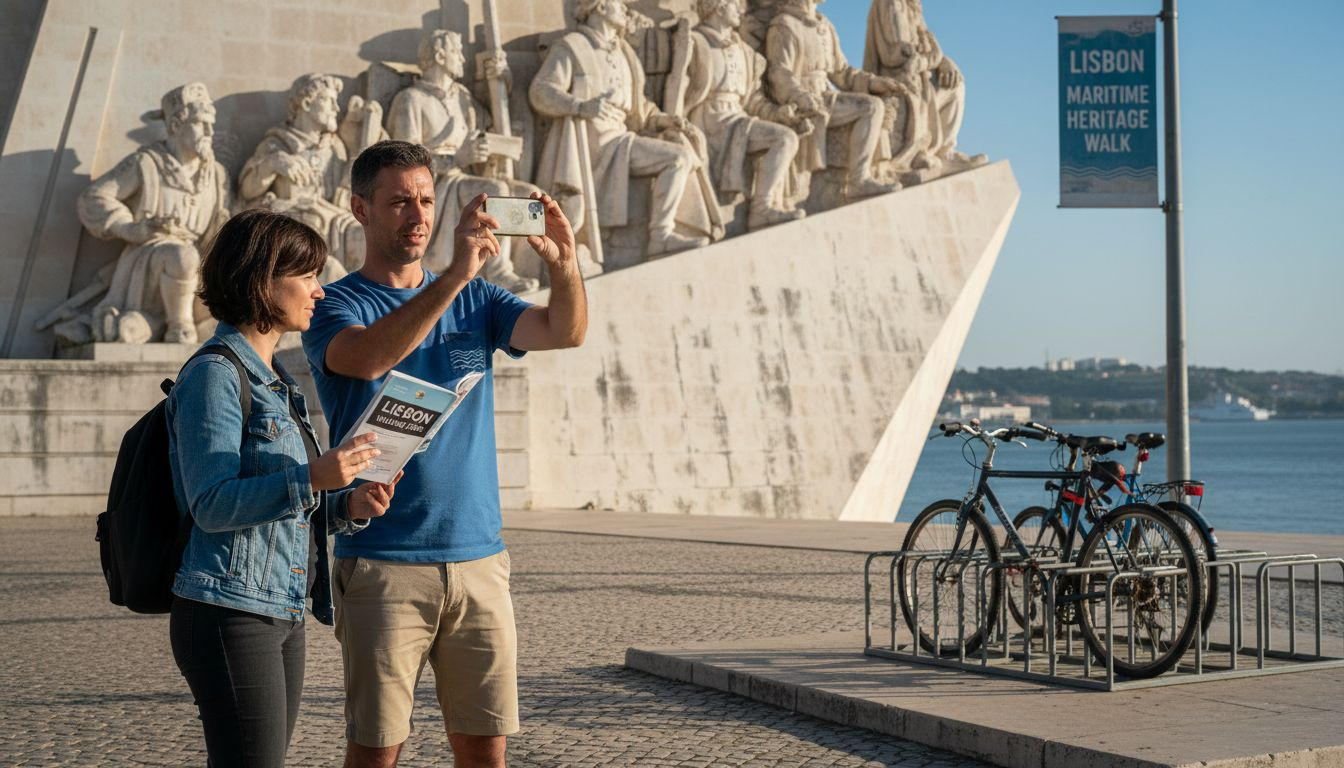
These monumental structures are more than mere architectural achievements. They represent pivotal moments in Portuguese exploration, strategically positioned along the Tagus River to showcase the nation’s historical maritime prowess. The Belém Tower, originally constructed as a defensive fortress, now serves as a UNESCO World Heritage site that embodies the architectural and historical complexity of Portugal’s golden age of exploration.
Key coastal landmarks that define Lisbon’s maritime narrative include:
Belém Tower: 16th-century fortification and UNESCO World Heritage site
Discoveries Monument: Massive sculpture honoring Portuguese explorers
Jerónimos Monastery: Stunning architectural tribute to maritime achievements
Commerce Square: Historic waterfront plaza representing maritime trade
Maritime Museum: Comprehensive collection of naval artifacts and exhibits
Historic coastal monuments reveal fascinating stories of navigation, conquest, and cultural exchange. These structures were not just defensive installations but powerful statements of national pride and technological innovation. Portuguese explorers like Vasco da Gama launched groundbreaking voyages that would reshape global understanding of trade, geography, and intercontinental connections.
To better understand Lisbon’s most iconic maritime landmarks, here is a concise summary of their significance:
Landmark | Era or Year | Purpose | Unique Feature |
Belém Tower | Early 16th century | Defense and ceremonial gateway | UNESCO World Heritage status |
Discoveries Monument | 1960 | Celebrate explorers and discoveries | Monumental riverside sculpture |
Jerónimos Monastery | Late 15th century | Monastic tribute to exploration | Manueline architectural style |
Commerce Square | 18th century | Central trading and civic center | Panoramic waterfront setting |
Maritime Museum | 20th century | Exhibit Portugal’s naval history | Extensive artifact collection |
Lisbon’s monuments are not static stone structures, but dynamic narratives of human courage, curiosity, and maritime innovation.
Maritime Architecture in Lisbon reflects a complex interplay of functional necessity and artistic expression. Each landmark tells a story of technological advancement, political ambition, and cultural transformation. The intricate stonework, strategic positioning, and symbolic designs communicate volumes about Portugal’s historical significance on the world stage.
Pro tip: Purchase a combined ticket for multiple maritime landmarks to save money and gain a comprehensive understanding of Lisbon’s nautical heritage.
Portugal’s Age of Exploration and Lisbon’s Role
Lisbon’s maritime networks transformed European exploration during the 15th century, positioning Portugal at the forefront of global trade and cultural exchange. The city emerged as a critical hub where merchants, navigators, and explorers converged to chart unprecedented maritime routes that would reshape global understanding.
The strategic location of Lisbon along the Tagus River provided unparalleled advantages for maritime expansion. Portuguese monarchs and wealthy merchants invested heavily in shipbuilding technologies, navigation instruments, and expedition planning. These investments allowed Portugal to develop sophisticated maritime capabilities that far exceeded other European nations of the time.
Key characteristics of Portugal’s Age of Exploration centered on Lisbon included:
Advanced navigational technologies
Robust shipbuilding infrastructure
Strategic geographic positioning
Extensive trade network connections
Royal support for maritime expeditions
Skilled cartographers and navigators
Portuguese maritime infrastructure enabled groundbreaking voyages that connected continents. Explorers like Vasco da Gama, Pedro Álvares Cabral, and Bartolomeu Dias launched expeditions that would establish trade routes to India, Brazil, and Africa, fundamentally altering global economic and cultural dynamics.
The Port of Lisbon was not just a departure point, but the beating heart of a global maritime empire.
Maritime Expeditions represented more than economic opportunities. They embodied Portugal’s national ambition, technological prowess, and cultural curiosity. Each voyage carried not just trade goods, but complex networks of cultural exchange, scientific knowledge, and geopolitical influence.
Pro tip: Visit Lisbon’s Maritime Museum to experience immersive exhibits that bring the Age of Exploration to life through authentic artifacts and interactive displays.
Cultural Heritage Shaped by Seafaring Life
Lisbon’s maritime culture transcends historical boundaries, weaving an intricate narrative of exploration, resilience, and global connection. The city’s identity is fundamentally maritime, with every neighborhood, tradition, and artistic expression bearing the unmistakable imprint of its seafaring legacy.
The profound impact of maritime experiences transformed Lisbon from a local port city into a global cultural crossroads. Sailors, merchants, and explorers who returned from distant lands brought not just trade goods, but stories, languages, musical traditions, and culinary influences that would permanently reshape the city’s cultural landscape.
Key elements of Lisbon’s seafaring cultural heritage include:
Fado music reflecting sailors’ emotional journeys
Architectural styles influenced by global encounters
Culinary traditions incorporating international ingredients
Neighborhood designs mirroring maritime connectivity
Festivals celebrating nautical achievements
Artistic expressions commemorating exploration
Collective maritime identity emerged through generations of sailors and their families. This shared experience created a unique cultural fabric where ocean narratives became deeply personal, transforming individual voyages into a collective national story of discovery and courage.
Lisbon’s culture is not just influenced by the sea - it is fundamentally created by maritime experiences.
Cultural Fusion represented more than geographic exploration. Each voyage brought complex networks of human interaction, challenging existing social structures and creating new modes of understanding across different civilizations. The maritime experience became a powerful mechanism of cultural transformation.
Pro tip: Attend local Fado performances to experience the emotional depth of Lisbon’s maritime cultural narrative firsthand.
Modern-Day Coastline: Preservation and Access
Archaeological research in Lisbon’s riverfront reveals a sophisticated approach to maritime heritage conservation, balancing urban development with historical preservation. Modern efforts focus on protecting maritime infrastructure while creating accessible spaces that honor Lisbon’s rich nautical history.
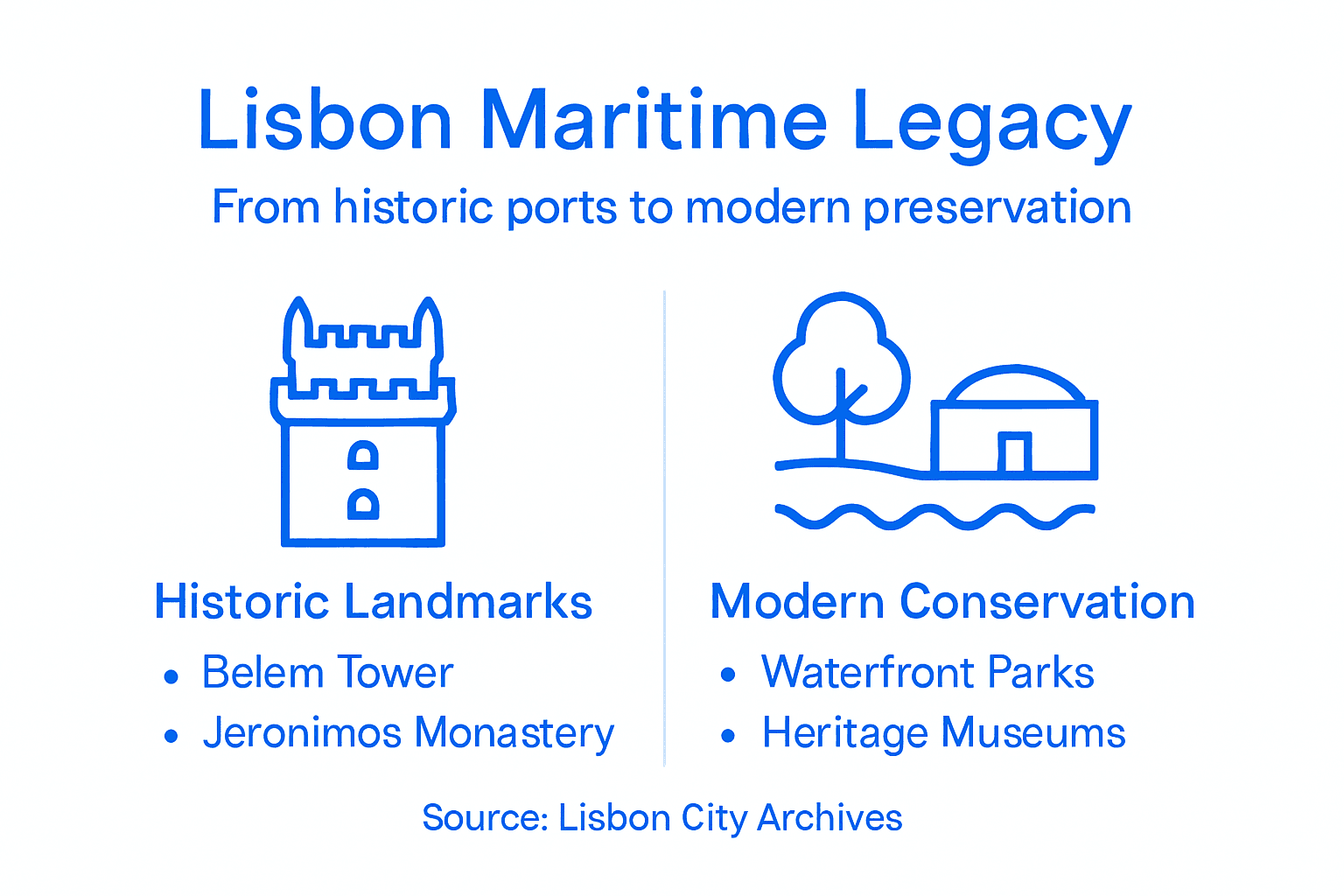
The contemporary waterfront represents a dynamic intersection of preservation and progress. Urban planners and cultural heritage experts collaborate to transform historic maritime zones into living museums and public spaces that tell the story of Lisbon’s maritime legacy. These spaces are not merely static monuments but interactive environments that engage visitors and locals alike.
Key strategies for maritime heritage preservation include:
Archaeological documentation of historic sites
Adaptive reuse of historic maritime structures
Public education and interpretive programs
Sustainable restoration techniques
Integration of digital technologies for historical interpretation
Collaborative research initiatives
Port modernization efforts demonstrate a nuanced approach to preserving maritime heritage. The Port of Lisbon has transformed its historic areas into vibrant public spaces that celebrate the city’s nautical identity while supporting contemporary urban development.
Preservation is not about freezing history, but about creating a living dialogue between past and present.
Urban Maritime Spaces now serve multiple functions, combining historical interpretation with practical contemporary uses. Museums, walkways, and public areas allow visitors to experience Lisbon’s maritime history through immersive and interactive environments.
The following table highlights how Lisbon’s port functions have evolved from historical times to the present:
Period | Main Port Function | Key Impact on City |
Medieval | Trade and defense | Regional growth and security |
Age of Exploration | Global navigation hub | World trade expansion |
18th Century | Commercial export/import | Urban wealth and diversity |
Modern Day | Heritage, tourism, recreation | Public access and preservation |
Pro tip: Take a guided walking tour of Lisbon’s historic waterfront to understand the intricate balance between preservation and modern urban development.
Discover Lisbon’s Maritime Heritage from the Water
The rich history of Lisbon’s maritime legacy and the stories behind its stunning coastal monuments come alive when experienced firsthand. If you want to truly connect with the spirit of Portuguese exploration and see iconic landmarks like the Belém Tower and Discoveries Monument from a unique perspective, a sailing tour along Lisbon’s historic coastline is the perfect solution. This experience solves the challenge of feeling distant from the city’s nautical soul by bringing you close to the water where centuries of maritime adventures unfolded.
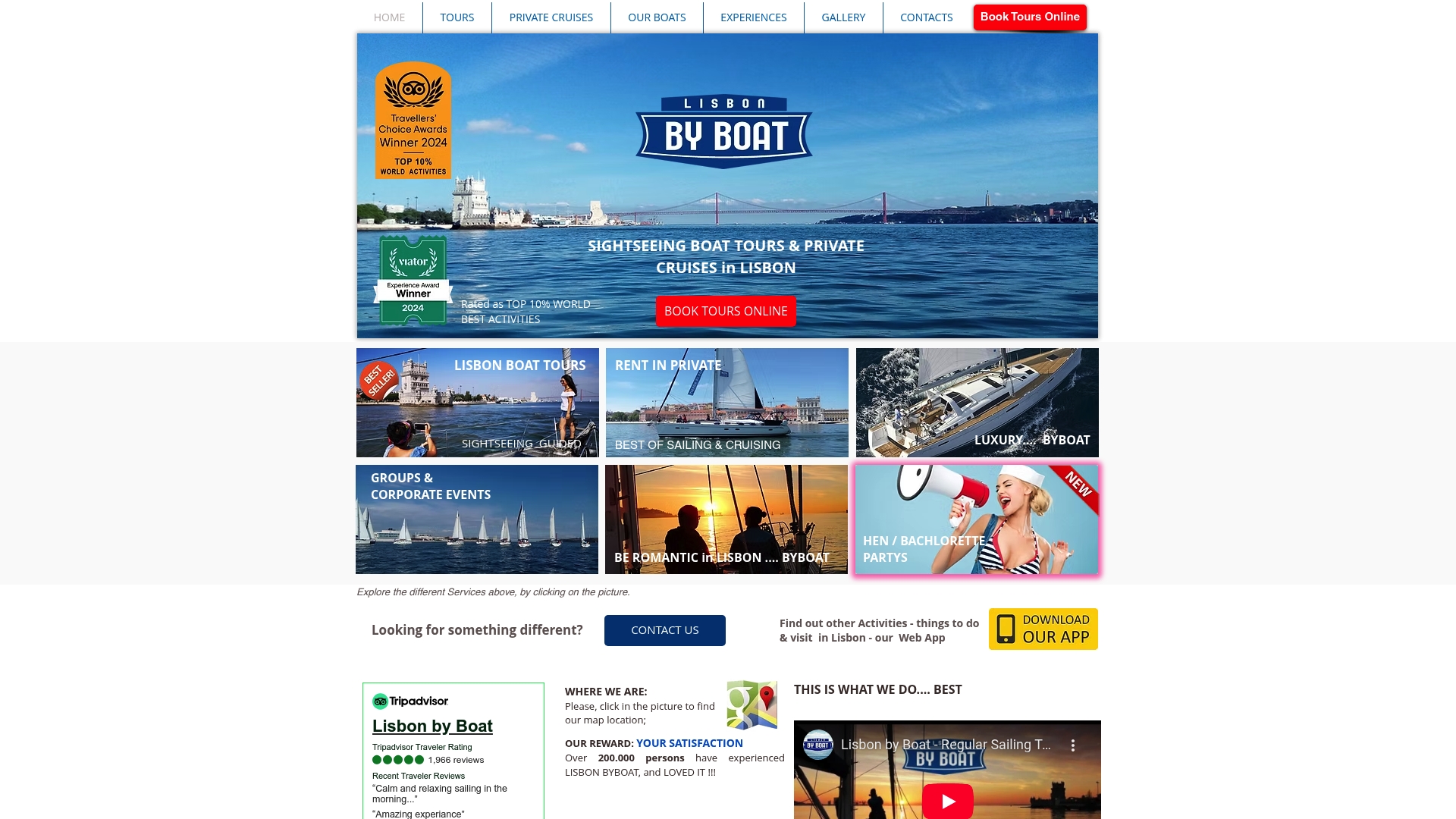
Embark on a journey with Lisbon By Boat for daily sailing tours that offer expert insights into the Age of Exploration, maritime monuments, and cultural heritage. Whether you choose a private yacht cruise or a two-hour public tour, you will gain an unforgettable understanding of Lisbon’s seafaring culture. Don’t miss the opportunity to combine sightseeing with the gentle sea breeze as you discover the city’s living maritime narrative. Book your tour today and connect with history from the best vantage point possible at Lisbon By Boat and explore the historic coastline.
Frequently Asked Questions
What are some key maritime landmarks in Lisbon?
Lisbon is home to several significant maritime landmarks, including the Belém Tower, Discoveries Monument, Jerónimos Monastery, Commerce Square, and the Maritime Museum, each representing pivotal moments in Portugal’s naval history.
How did Lisbon contribute to the Age of Exploration?
Lisbon played a crucial role during the Age of Exploration by serving as a major hub for maritime trade and navigation, where explorers launched groundbreaking voyages that connected continents and established new trade routes.
What is the significance of the Belém Tower?
The Belém Tower, built in the early 16th century, is a UNESCO World Heritage site that served as a defensive fortress and a ceremonial gateway, symbolizing Portugal’s architectural and exploratory achievements during its golden age.
How is Lisbon preserving its maritime heritage today?
Modern preservation efforts in Lisbon include archaeological documentation, adaptive reuse of historic structures, public education programs, and creating accessible spaces that celebrate the city’s maritime legacy, ensuring a living dialogue between the past and present.
Recommended
Comments