

Weather Tips for Sailing Lisbon’s Coastline
- lisbonbyboat
- Jan 9
- 7 min read
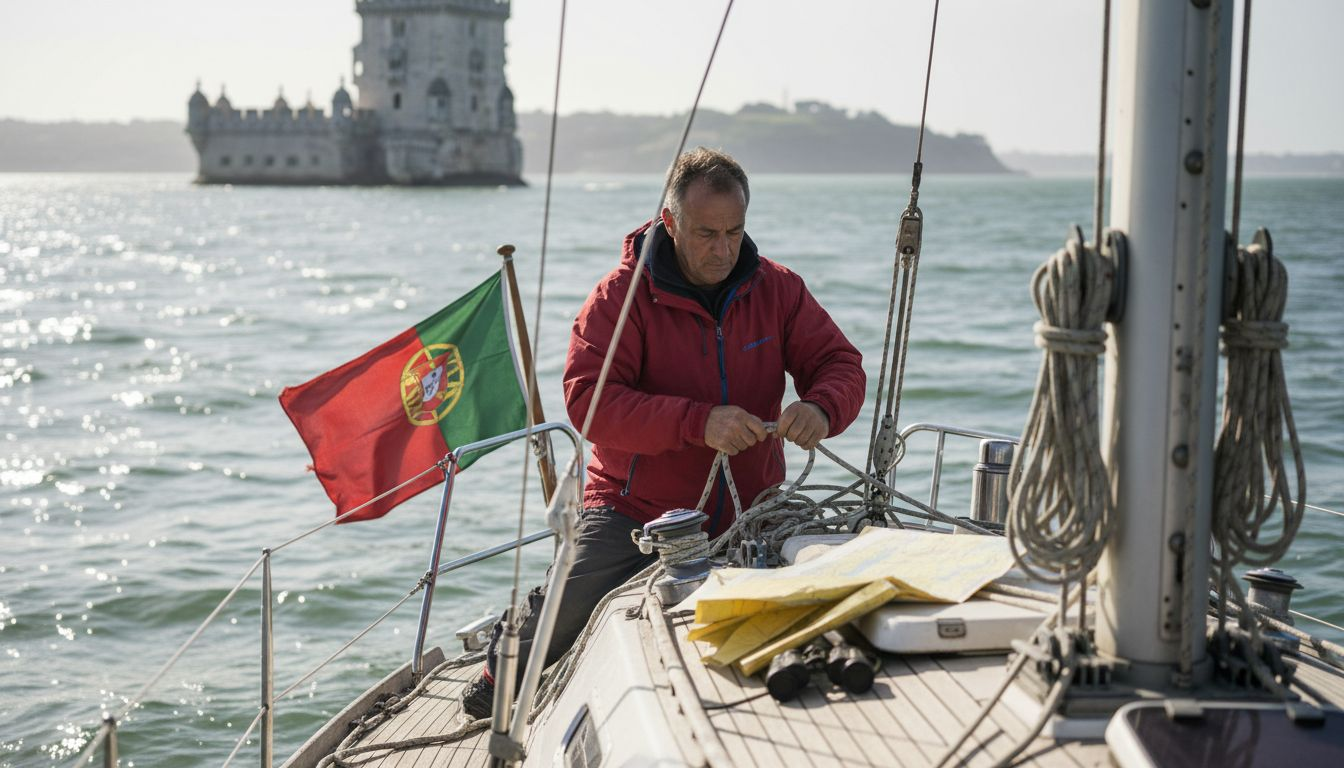
Summer brings up to 11 hours of sunshine to Lisbon’s coast, drawing both American and European travelers eager for calm seas and gentle breezes. Families and couples find the predictable Mediterranean-like weather makes planning sailing tours enjoyable instead of stressful. If you want to avoid sudden showers or strong gusts, understanding local wind patterns and temperature shifts ensures your nautical adventure is smooth from the harbor to the open Atlantic.
Table of Contents
Key Takeaways
Point | Details |
Optimal Sailing Seasons | The best sailing conditions in Lisbon occur from late spring to early autumn, with temperatures around 75-85°F and moderate winds. |
Winter Challenges | Winter sailing presents unpredictable weather and increased rainfall, requiring careful preparation and advanced weather monitoring. |
Planning Essentials | Sailors should organize documentation, update navigation tools, and learn local maritime etiquette for a smooth sailing experience. |
Safety Preparedness | Equip vessels with advanced navigational technology and develop detailed emergency response protocols to handle unpredictable maritime conditions. |
Lisbon Sailing Weather Explained for Tourists
Lisbon’s coastal sailing conditions are uniquely characterized by Mediterranean-like weather patterns that create ideal conditions for maritime exploration. Optimal sailing weather in this region typically occurs during late spring and early autumn, offering sailors predictable winds and comfortable temperatures.
The city’s microclimate produces consistent sailing conditions with moderate winds ranging between 10-15 knots, particularly from May through October. Summer months guarantee sunshine and stable weather, making them peak sailing seasons. Temperatures during these months hover around 75-85 degrees Fahrenheit, providing comfortable conditions for both experienced sailors and tourists enjoying leisure cruises along the Atlantic coastline.
Winter sailing requires more preparation, as weather becomes less predictable with increased precipitation and slightly rougher maritime conditions. Sailors should monitor wind speeds carefully during these months, as Atlantic currents can produce more challenging sailing environments. Specialized marine weather forecasting becomes crucial during this period to ensure safe nautical experiences.
Pro Tip: Always check local maritime weather reports 24-48 hours before your scheduled sailing trip to understand precise wind conditions and potential weather changes.
Seasonal Weather Patterns Along the Coast
Lisbon’s coastal region exhibits a distinctive Mediterranean maritime climate that significantly influences sailing conditions throughout the year. The region experiences predictable seasonal transitions that dramatically impact maritime activities, with temperature ranges typically spanning from cool winters to warm summers.
During summer months, sailors can expect consistently stable conditions with temperatures ranging between 75-85 degrees Fahrenheit. These periods offer abundant sunshine, typically extending up to 11 hours daily, creating ideal conditions for coastal navigation. The dry season, stretching from late May through early October, provides optimal sailing environments with minimal precipitation and moderate wind speeds.
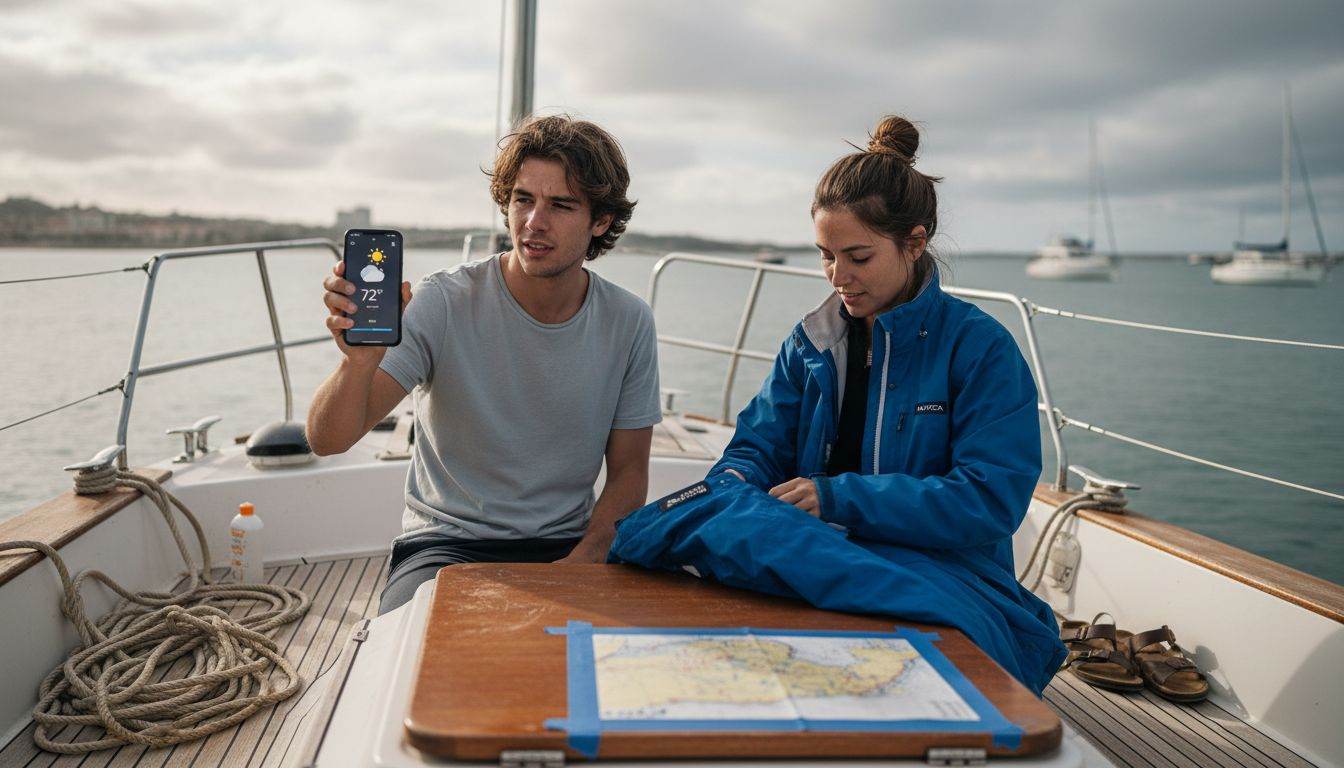
Winter sailing presents more challenging conditions, characterized by increased rainfall and unpredictable maritime weather patterns. November and December represent the peak precipitation months, with higher wave heights and potentially stronger Atlantic currents. Sailors must exercise additional caution during these periods, as wind speeds and maritime conditions can change rapidly. Temperature variations during winter are relatively mild, typically ranging between 50-60 degrees Fahrenheit, which still permits sailing with appropriate preparation.
Pro Tip: Pack versatile layered clothing and waterproof gear to accommodate the dynamic seasonal weather variations along Lisbon’s coastline.
Here’s how sailing conditions differ between summer and winter in Lisbon:
Aspect | Summer (May–Oct) | Winter (Nov–Apr) |
Temperature | 75-85°F | 50-60°F |
Sunshine Hours | Up to 11 hours daily | Fewer than 8 hours daily |
Wind Conditions | Moderate, predictable | Variable, stronger gusts |
Precipitation | Low | High, frequent rain |
Wave Height | Usually calm | Larger, rougher seas |
Essential Planning Tips for Smooth Sailing
Successful sailing along Lisbon’s coastline requires thorough preparation and understanding of local maritime regulations. Sailors must meticulously organize their documentation, including passports, boat registration papers, and comprehensive maritime insurance that covers the specific regions of the Portuguese Atlantic coastline.
Navigation preparation involves multiple critical steps. Sailors should invest in updated nautical charts specific to the Lisbon coastal region, ensuring accurate mapping of maritime routes, potential hazards, and local port information. Advanced weather monitoring becomes crucial, with recommendations to check maritime forecasts multiple times before departure. This includes understanding wind patterns, tide schedules, and potential maritime warning systems that could impact sailing conditions.
Marina etiquette and local communication protocols represent another essential aspect of sailing preparation. International sailors should familiarize themselves with Portuguese maritime communication channels, understand local port entry procedures, and be prepared to communicate effectively with harbor masters and coast guard personnel. Language preparedness, including basic maritime terminology in Portuguese, can significantly smooth interactions and demonstrate respect for local maritime traditions.
Pro Tip: Create a comprehensive maritime checklist at least one week before your sailing trip, including all documentation, safety equipment, and communication devices.
Below is a quick-reference checklist of essential planning steps for Lisbon sailing trips:
Planning Area | Key Action | Why It’s Important |
Documentation | Organize passports & insurance | Satisfies legal requirements |
Navigation Tools | Update nautical charts | Ensures route accuracy |
Weather Check | Monitor forecasts repeatedly | Avoids weather surprises |
Local Etiquette | Learn basic Portuguese terms | Eases port communication |
Safety Gear | Inspect all emergency equipment | Maximizes trip safety |
Safety Measures for Unpredictable Conditions
Navigating Lisbon’s coastal waters requires a comprehensive understanding of maritime safety regulations, which are critical for protecting sailors and maritime environments. The Port Authority of Lisbon maintains stringent protocols designed to mitigate risks associated with rapidly changing maritime conditions and potential maritime emergencies.
Preparing for unpredictable conditions involves multiple strategic approaches. Sailors must equip their vessels with advanced navigational technology, including real-time weather tracking systems, GPS navigation devices, and emergency communication equipment. Comprehensive safety gear becomes paramount, including life rafts, multiple communication devices, first aid kits, and redundant navigation tools. Maritime experts recommend carrying waterproof emergency communication devices, satellite phones, and backup navigation systems to ensure continuous communication and navigation capabilities during unexpected weather shifts.
Emergency preparedness extends beyond equipment. Sailors should develop and practice detailed emergency response protocols, including man-overboard procedures, communication strategies with maritime rescue services, and comprehensive understanding of local maritime rescue coordination centers. Training in emergency medical responses, basic maritime survival techniques, and understanding local maritime emergency communication channels can significantly improve survival chances during unexpected maritime challenges.
Pro Tip: Conduct a thorough equipment and emergency protocol review before each sailing expedition, ensuring all safety systems are fully functional and crew members understand emergency procedures.
Common Mistakes to Avoid While Sailing
Sailing along Lisbon’s coastline demands awareness of critical beginner errors that can compromise safety and enjoyment. Inexperienced sailors often underestimate the complexity of maritime navigation, leading to potentially dangerous situations that could have been easily prevented with proper preparation and knowledge.
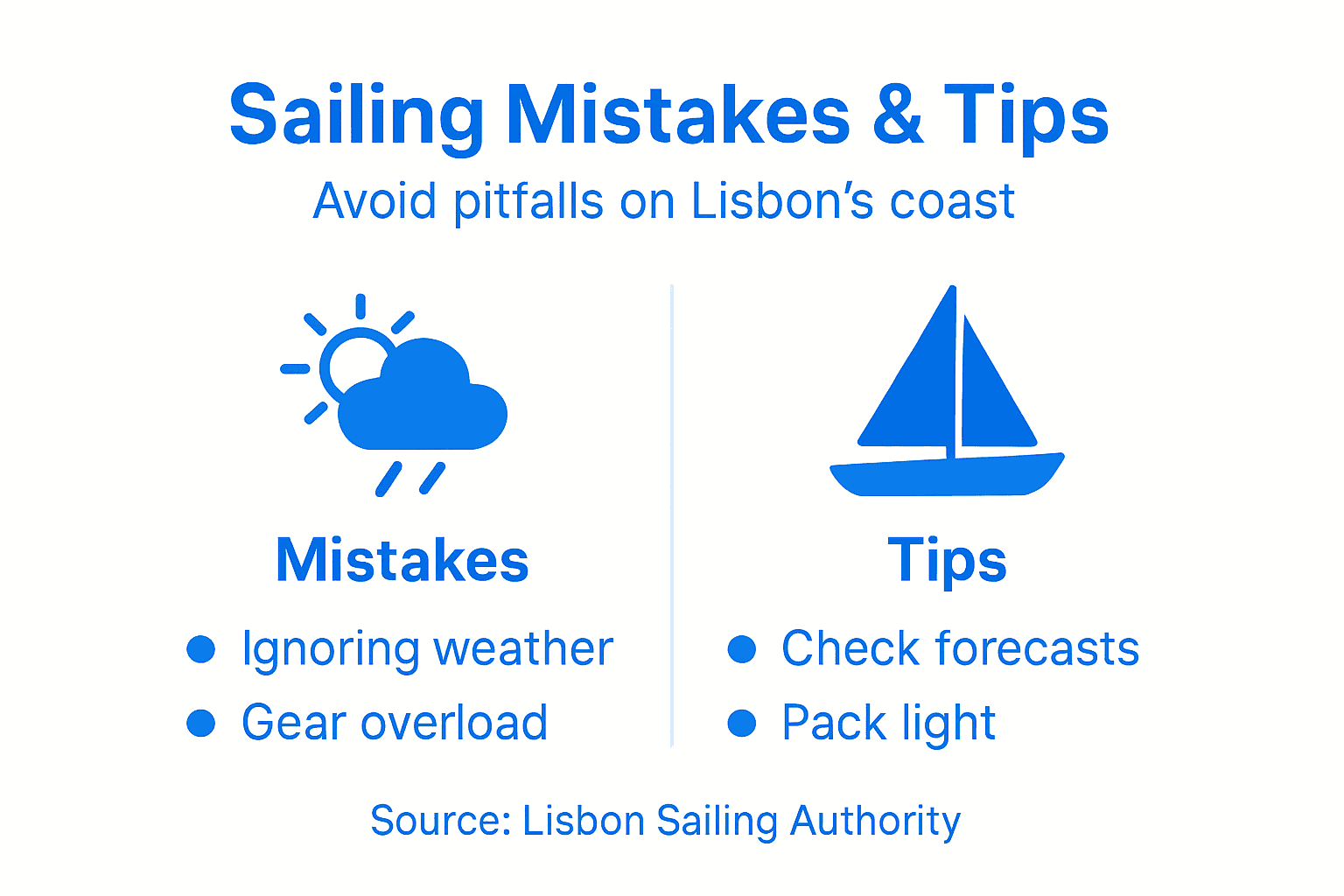
One of the most prevalent mistakes involves inadequate weather preparation and overconfidence. Many novice sailors fail to thoroughly check maritime forecasts, misunderstanding the rapid weather changes characteristic of the Atlantic coastline. Proper sail trim represents another critical area where beginners frequently make errors, resulting in inefficient vessel movement and increased energy expenditure. Sailors must learn to adjust sails precisely according to wind conditions, understanding the nuanced relationship between wind direction, sail angle, and boat speed.
Equipment management and safety protocols constitute another significant area of potential mistakes. Overloading vessels with unnecessary gear can compromise vessel stability and performance, while simultaneously neglecting essential safety equipment like life jackets and emergency communication devices. Experienced maritime professionals emphasize the importance of minimal, strategic packing and comprehensive safety training. This includes understanding emergency procedures, practicing man-overboard techniques, and maintaining a clear, calm approach during unexpected maritime challenges.
Pro Tip: Create a standardized pre-sail checklist that covers equipment, safety protocols, and weather conditions to minimize potential sailing errors.
Discover Perfect Sailing Experiences Along Lisbon’s Coastline
Navigating Lisbon’s unique sailing weather requires more than just knowledge it demands a sailing experience that embraces the city’s stunning maritime climate while ensuring safety and enjoyment. If you want to avoid the common pitfalls like unpredictable winds and lack of local maritime insight then our daily sailing tours are designed just for you. Learn how to prepare with expert guidance while soaking in the historical beauty of Lisbon’s coastline with our seasoned guides.
Book your ideal sailing adventure today and enjoy smooth winds and breathtaking views on a private yacht or catamaran. With options ranging from a refreshing two-hour cruise to a full day discovery you can tailor your trip to the optimal weather windows and enjoy peace of mind with our comprehensive safety and navigation expertise. Start exploring now at Lisbon By Boat and see why the best way to discover Lisbon is by boat. Don’t wait for the weather to change unexpectedly secure your spot and sail with confidence.
Frequently Asked Questions
What is the best time of year for sailing on Lisbon’s coastline?
Optimal sailing weather typically occurs during late spring and early autumn, from May through October, when conditions are stable with moderate winds and comfortable temperatures.
How should I prepare for unpredictable winter sailing conditions?
During winter, you should monitor wind speeds carefully, pack versatile layered clothing, and equip your vessel with advanced navigational technology and safety gear due to increased precipitation and rougher seas.
What are the recommended wind conditions for a smooth sailing experience?
Ideal sailing conditions feature moderate winds ranging between 10-15 knots, which are most predictable during the summer months.
How can I ensure my safety while sailing in Lisbon?
Ensure your vessel is equipped with safety gear, conduct a thorough equipment review, develop emergency response protocols, and familiarize yourself with local maritime rescue communication channels.
Recommended
Comments