

Two Hour Sail, Not a Walking Tour: See Belém From the Water

For this search, a walking tour of Belém from Lisbon actually means seeing the district from the Tagus River on a guided sailing cruise or private charter. The standard product is a narrated tour of about two hours departing from the Belém docks, most often Doca do Bom Sucesso or Doca de Belém, and every reputable operator runs a safety briefing before leaving the pier.
TL;DR:
Guided sailing cruises depart from Doca do Bom Sucesso or Doca de Belém and last around two hours, with departures often scheduled in the late afternoon or sunset for optimal lighting.
Lifejackets suited to all ages are mandatory, and safety briefings are standard, with vessels complying with Portuguese maritime safety standards.
Private charters start at 400 euros per yacht and are suitable for groups seeking flexibility, while group cruises cost approximately 45 euros per person and suit couples or small parties.
Water tours provide clear, direct views of Belém landmarks like Belém Tower, the Discoveries Monument, and the 25 de Abril Bridge, better than on-foot sightseeing for photography and lighting.
Booking early is recommended, especially for sunset and weekend slots, and confirm the pier, onboard facilities, and cancellation policies before finalizing your reservation.
Table of Contents
What counts as a Belém water tour and how the options differ
Four practical categories cover almost everything sold under this search: a narrated group cruise on a sailing yacht or catamaran, a hop-on hop-off river boat, a private yacht or catamaran charter, and a RIB or speedboat run, varying in duration and style. Each suits a different traveler.
Narrated group cruise: best for couples and small groups who want live commentary and a fixed two-hour schedule without arranging anything privately.
Hop-on hop-off boat: suits travelers who want flexibility to get on and off at stops along the river rather than a single continuous route.
Private yacht or catamaran charter: fits families, celebrations, or groups who want the boat and route to themselves.
RIB or speedboat: appeals to photographers and thrill-seekers who want a faster, shorter run along the coastline.
Amenities vary by category too. Group cruises typically include refreshments and restroom access on larger vessels, while a RIB trip is shorter and more exposed to the elements, with limited or no onboard facilities.
Why the river view of Belém beats walking the waterfront
Seeing Belém from the Tagus gives you a straight-on view of monuments that face the water, which is exactly how they were designed to be seen. From a boat you get clear sightliness to Belém Tower, the Monument to the Discoveries, the Alcântara waterfront, the 25 de Abril Bridge with its Cristo Rei statue across the river, and the skyline back toward Terreiro do Paço.
The water also solves the lighting problem that trips up photographers on land. Riverfront façades face the water, so a late-afternoon or sunset sailing puts the sun behind you and lights the stone directly, without the shadows and crowds you get shooting from the promenade. A two-hour cruise also covers more shoreline than most people manage walking in the same window, since you are not waiting at crossings or backtracking along the same stretch of pavement.
What a typical two-hour Belém sailing itinerary looks like
A standard two-hour sailing tour follows a predictable rhythm, though exact stops depend on wind, tide, and the operator’s route. Visit Lisboa lists guided sailing cruises from the Belém area that commonly run for roughly two to two and a half hours, with departures from Doca do Bom Sucesso and Doca de Belém.
Boarding and a short safety briefing at the pier, typically 15 to 20 minutes before departure.
Sailing past Belém Tower for close-up views of the fortress from the water.
Passing the Monument to the Discoveries and the Jerónimos Monastery waterfront area.
Continuing along the coastline for a wider view of the 25 de Abril Bridge and Cristo Rei.
Turning back toward Belém, often with a slower pass for photos before docking.
The detail that trips up first-time visitors is the boarding location. Belém-based sailings usually leave from Doca do Bom Sucesso or Doca de Belém, while central hop-on services follow a different pattern, often starting near Terreiro do Paço. These are not the same product, and confirming your exact pier, boarding gate, and return dock when you book saves you from showing up at the wrong stretch of waterfront. If you plan to combine the sail with time on foot around Belém before or after, locking in the pier name in advance makes the whole day easier to schedule.
Safety rules you should expect on a Belém sailing tour
Portugal treats maritime tourism as a regulated activity, not an informal add-on. Passenger vessels operating recreational and tourism cruises are required to carry lifejackets suited to both adults and children, publish emergency procedures, and follow national equipment and signage standards.
Lifejackets should be available in sizes for every passenger, including children, and stored somewhere visible or clearly pointed out during boarding.
A short pre-departure briefing covering emergency procedures is standard practice, not optional courtesy.
Vessels should carry visible identification and safety signage consistent with national maritime rules.
A relevant standard: Portuguese maritime-tourism regulations, including an official safety folio from AMN, require flotation equipment that meets EN ISO standards and reference national decrees such as Decreto-Lei n.º 93/2018. That framework exists precisely because a calm-looking river does not remove the need for standard procedures.
It is reasonable to ask an operator directly whether they carry child-sized lifejackets, where the flotation gear is stored, and whether the crew runs a briefing before leaving the dock. Our guide to boat safety in Lisbon covers the questions worth asking before you commit to a booking.
Matching the right boat to your group
Picking between a group cruise, a private charter, and a faster RIB comes down to three things: group size, budget, and how much you value flexibility over structure.
If you are traveling with more than four or five people, or want privacy, a private charter usually works out simpler than coordinating a group booking.
If you want live commentary and a lower per-person cost, a group sailing cruise is the standard choice for couples and small groups.
If your priority is a quick, flexible hop along the river with the freedom to disembark, a hop-on boat suits you better than a fixed-route cruise.
If you care more about speed and photography than comfort, a RIB or speedboat trip delivers a shorter, faster experience.
Each option trades something for something else: private charters cost more but give you total control of timing, group cruises are more affordable but run on a fixed schedule, and RIBs move fast but skip the onboard amenities you get on a larger boat.
Pro Tip: Before booking anything, ask three questions: which pier you board at, whether there is a restroom onboard, and what the cancellation policy is. Those three answers tell you more about fit than the marketing copy usually does.
For a closer look at private options specifically, see our comparison of private boat tours in Lisbon.
Planning your visit: timing, access, and what to pack
Sunset slots and weekend departures sell out first, so book those and any private charter a few days ahead rather than the morning of. Daytime sailings tend to have more last-minute availability.
Confirm which Belém pier you are boarding at, Doca do Bom Sucesso or Doca de Belém, and how to get there by tram, bus, or taxi.
Arrive with enough buffer to find the boarding gate, since piers can be busy with multiple operators nearby.
If you need mobility assistance, ask ahead: accessibility upgrades at Doca de Belém have added ramp access in recent years, though availability still varies by operator.
Pack layers for wind on the water, sunscreen, a camera, and motion-sickness remedies if you are prone to seasickness.
Bring your booking confirmation and ID, and carry a small bag for snacks or a water bottle.
Our post on Lisbon boat safety guidelines has more detail on what crews typically check before departure.
Landmarks you will pass on the way
The route past Belém puts you within clear view of the district’s landmark buildings, even though you never step off the boat. Belém Tower is the most photographed stop, a 16th-century fortress standing right at the water’s edge. The Monument to the Discoveries sits just beyond it, a tall stone monument shaped like a ship’s prow, honoring the navigators of Portugal’s maritime era. Behind both, set back from the river, the Jerónimos Monastery’s limestone façade is visible from the water, particularly in the low light of late afternoon.
Further along the coastline, the 25 de Abril Bridge and the Cristo Rei statue on the opposite bank come into view, giving you a sense of scale for the river that on-foot sightseeing in Belém itself does not offer. Looking back toward the city center, the Terreiro do Paço skyline rounds out the view before the boat turns back.

Seeing these landmarks from the water rather than the promenade changes how they read. Belém Tower, in particular, was built to be approached from the river, since it originally served as a fortress guarding the entrance to Lisbon’s harbor. A cruise gives you that intended perspective in a single pass, rather than the fragmented view you get walking around its base on land.
The history behind what you are sailing past
Belém’s landmarks trace back to Portugal’s Age of Discovery, when the district served as the departure point for voyages to India, Brazil, and Africa. Belém Tower was completed in the early 1500s to defend the mouth of the Tagus and to greet ships returning from those voyages. The Jerónimos Monastery was commissioned around the same period, funded in part by taxes on the spice trade the voyages generated.
The Monument to the Discoveries is more recent, built in the 20th century to commemorate the same era, shaped to resemble the caravel ships that carried explorers like Vasco da Gama out of this stretch of river. The Tagus itself has stayed central to that identity. Municipal reports on traditional river events describe parades of historical vessels still held on the river, a reminder that Belém’s relationship with the water is not just a tourist attraction but a continuous thread running through Lisbon’s identity.
Knowing this background changes what you notice from the boat. The fortress walls of Belém Tower were built for defense, not decoration, and the monastery’s ornate stonework was funded by the same trade routes the ships in front of you once sailed. A guide narrating the cruise typically points out these details as you pass, connecting the buildings to the voyages that made them possible.
Planning your route along the river
If a boat tour is your main event, the practical routing question is less about walking paths and more about which pier fits your day. Doca do Bom Sucesso and Doca de Belém sit close to each other along the Belém waterfront, both within easy reach of the district’s main landmarks by tram or a short taxi ride from central Lisbon.
Most travelers build their day around the cruise as the anchor. A morning sailing leaves the afternoon free to explore the monastery grounds or riverside gardens on foot, while a sunset sailing works better as a closing activity after a day spent elsewhere in the city. Either way, treating the boat departure time as the fixed point on your itinerary, rather than trying to fit it around a walking route, tends to make the day run more smoothly.
If you are combining the cruise with any time on foot in Belém, our guide to planning a Lisbon city visit covers how to sequence a day that includes both.
Choosing the best time of day or year to sail
Weather and crowd patterns matter more for a river cruise than most people expect, since wind affects comfort and visibility affects photos. Spring and fall generally bring milder temperatures and steadier conditions on the Tagus than the peak of summer, when afternoon heat and larger crowds at the piers can make boarding slower.
Time of day matters just as much. A late-afternoon or sunset departure gives you the best light on the waterfront monuments, since the sun sits behind the boat as you face the shore. Morning sailings tend to be calmer on the water and less crowded at the dock, which suits travelers who get seasick easily or who want a quieter start to the day. Weekend slots, particularly sunset ones, fill up fastest, so booking a few days ahead gives you more choice of departure time.
Food and drink to pair with your day in Belém
Belém is home to the original Pastéis de Belém, the custard tarts that gave the wider Portuguese pastry its name, baked at the bakery near the monastery that has served them since the 19th century. Expect a line, especially around midday, but the tarts are worth building into your schedule either before or after your sailing.

Beyond the pastry shop, the streets around the monastery and tower have a mix of cafés and casual restaurants suited to a quick coffee or a full lunch. If your cruise includes onboard refreshments, as many group sailings do, you may not need much beyond a light snack before boarding. If you are sailing at sunset, grabbing an early dinner in Belém beforehand is a common way to build out the evening.
How to pick a guided experience that fits your trip
Choosing a company for this kind of tour comes down to a short list of practical checks rather than marketing claims. Confirm the exact departure pier, ask whether the price includes refreshments, and check the cancellation policy before you pay.
It also helps to think about crew experience and local knowledge, since a good narrator turns a scenic ride into an actual history lesson. Local operators that run sailings daily tend to know the river’s quirks, from tidal timing to which stretch of coastline photographs best at a given hour, better than a one-off seasonal service. Comparing a few listings side by side on price, duration, and departure pier before booking usually surfaces the right fit quickly.
A local operator’s view on Belém sailings
Daily two-hour guided sailing tours from Belém, along with private charters on sailing yachts and catamarans ranging from two hours to a full day, are available. The appeal includes a straight-on view of Belém Tower and the Discoveries Monument that walking the promenade cannot match, often paired with a crew pointing out details as you pass. If a particular time slot matters to your schedule, checking availability early gives you the best shot at it.
— Lisbon
Book a Belém sailing tour that matches what you are looking for
Two-hour guided sails from Belém are run daily, along with private charter options for groups who want the boat to themselves. Our crews handle the narration and the safety briefing so you can focus on the view.
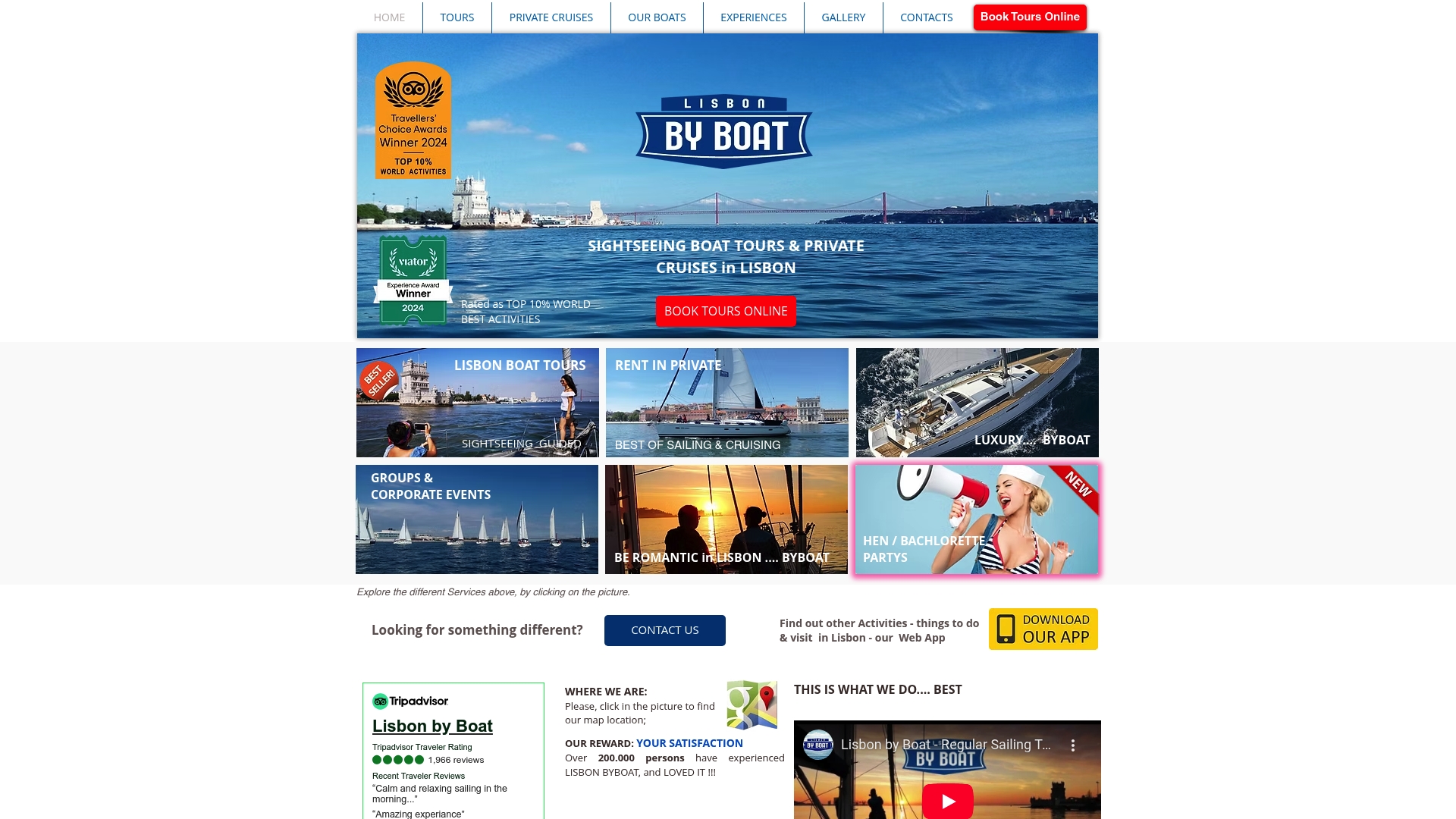
Private Sailing & Cruising Programs: flexible charters on sailing yachts and catamarans, priced on request, for anything from two hours to a full day on the water.
Whichever fits your group, book directly through our tours by boat page to lock in your preferred pier and departure time.
Sources
Itinerary and pier details draw on Visit Lisboa listings, and safety expectations reference AMN’s maritime safety folio and DGRM’s recreational boating rules. For booking, visit Lisbonbyboat.
FAQ
What does a Belém sailing tour actually include?
A standard two-hour Belém sailing tour includes a safety briefing, live narrated commentary on the passing landmarks, and views of Belém Tower and the Discoveries Monument from the water. Visit Lisboa lists these cruises as commonly running two to two and a half hours, departing from Doca do Bom Sucesso or Doca de Belém.
Where do Belém boat tours depart from?
Most Belém sailing tours depart from Doca do Bom Sucesso or Doca de Belém, both along the district’s waterfront. Central hop-on river services typically start elsewhere, often near Terreiro do Paço, so confirm your exact pier when you book.
Are lifejackets provided on Lisbon sailing tours?
Yes. Portuguese maritime-tourism rules require passenger vessels to carry lifejackets suited to both adults and children, along with published emergency procedures, standards referenced in AMN’s safety guidance. It is reasonable to ask your crew where the flotation gear is stored before boarding.
How much does a private boat tour in Belém cost?
Lisbonbyboat’s private tour starts from 400 € per yacht, while its standard two-hour group sailing tour is 45 € per person. Private charters on other vessel types are priced on request depending on duration and fleet choice.
Is a group cruise or a private charter better for families?
A private charter usually suits families better since it gives you control over timing and avoids coordinating around other passengers. A group sailing cruise costs less per person and works well for smaller families comfortable sharing the boat with other travelers.
Recommended
Comments