

Spring Flowers Lisbon: Seasonal Beauty On Water
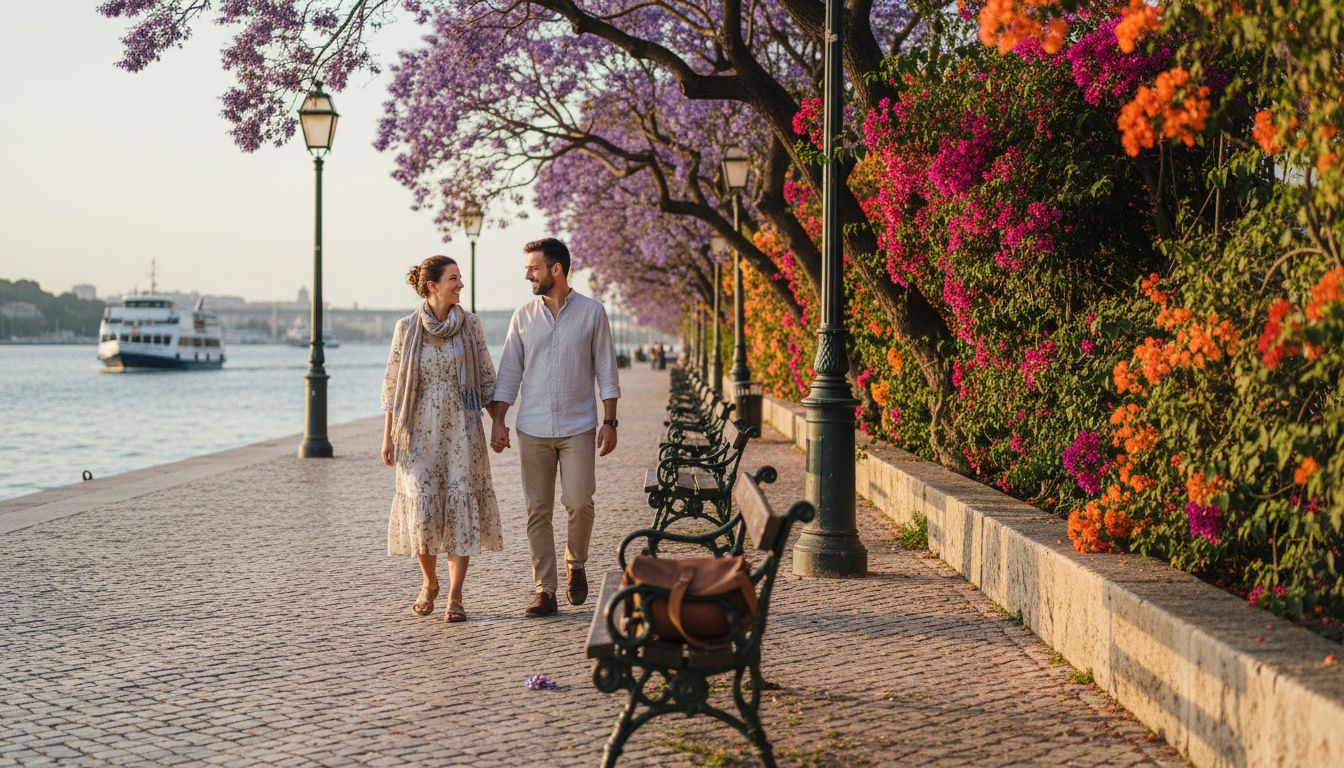
Spring in Lisbon surprises even the most seasoned American travelers with its explosion of colorful blooms along the coast. Every garden and viewpoint becomes a stage for nature’s artistry, while eco-friendly sailing tours reveal hidden stretches of wildflowers you will not see from city streets. With an average temperature between 15 and 22°C, this season lets you experience Portugal’s floral diversity at its peak and discover sustainable ways to explore Lisbon’s unique botanical landscapes.
Table of Contents
Key Takeaways
Point | Details |
Spring Flowering Season | Lisbon’s spring flowering season lasts from late February through May, offering a rich variety of native and introduced flower species. |
Coastal Botanical Diversity | The coastal regions of Lisbon showcase unique flowering plants adapted to Mediterranean conditions, enhancing local biodiversity. |
Sustainable Travel Practices | Eco-friendly sailing tours provide an opportunity to explore Lisbon’s natural beauty while promoting conservation awareness. |
Top Viewing Locations | Iconic landmarks like the Lisbon Tropical Botanical Garden and Miradouros offer stunning views of the city’s vibrant floral displays. |
Spring Flowers In Lisbon: Key Facts
Lisbon’s spring transforms the cityscape into a vibrant tapestry of botanical beauty, with an extraordinary floral landscape rooted in rich horticultural traditions. The city’s unique Mediterranean climate creates perfect conditions for an exceptional spring flowering season, making it a paradise for nature enthusiasts and botanical travelers. The Lisbon Tropical Botanical Garden stands as a testament to the region’s profound botanical heritage, showcasing an impressive collection of tropical and temperate plant species that burst into life during springtime.
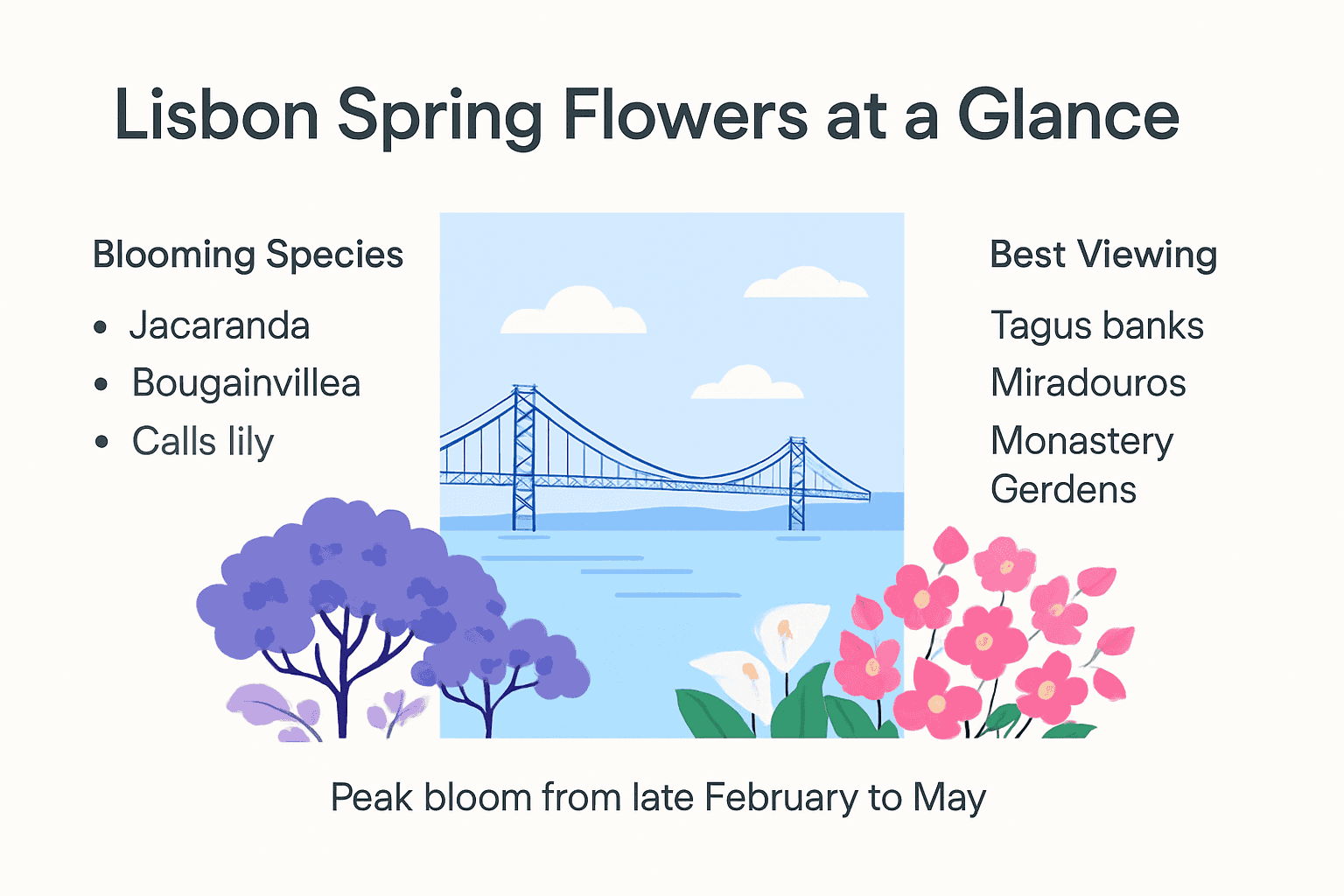
The spring flowering season in Lisbon typically spans from late February through May, presenting a spectacular display of colors and fragrances across the city’s landscapes. Visitors can expect to encounter a diverse range of native and introduced flower species, including stunning varieties of roses, jacaranda trees with their lavender-blue blossoms, vibrant bougainvillea, and delicate almond tree flowers. Each botanical display reflects Portugal’s rich ecological diversity and its historical connections to global botanical exploration.
According to international horticultural production statistics, Portugal plays a significant role in ornamental plant production, with spring flowers representing a crucial economic and cultural asset. The region’s unique microclimate allows for an extended and diverse flowering period, making Lisbon a premier destination for those seeking natural beauty and botanical experiences. Local gardens, parks, and green spaces become living canvases during this season, offering visitors immersive encounters with remarkable floral displays.
Pro Tip: When exploring Lisbon’s spring flowers, plan your visits during early morning or late afternoon to capture the most stunning light and avoid midday heat, which can diminish the vibrancy of botanical displays.
Popular Spring Blooms Along Lisbon’s Coast
Lisbon’s coastal regions offer a breathtaking display of spring flora, where the Mediterranean climate nurtures an incredible variety of flowering plants. Coastal areas around Lisbon transform into vibrant landscapes, featuring wildflowers and native plant species that thrive in this unique environmental setting. From Carcavelos to Cascais, the shoreline becomes a natural botanical garden, showcasing the region’s remarkable ecological diversity.
The spring flowering season along the Lisbon coast is characterized by a stunning array of native and introduced plant species. Visitors can expect to encounter colorful displays of maritime wildflowers, including endemic species adapted to the coastal ecosystem. Prominent blooms include lavender-hued statice, bright yellow sea daffodils, delicate pink sea thrift, and resilient coastal rock rose. These flowers not only provide visual beauty but also play a crucial role in the local ecosystem, supporting native pollinators and maintaining coastal biodiversity.
Climate plays a pivotal role in creating these spectacular displays. Lisbon’s mild Mediterranean temperatures, typically ranging from 15 to 22°C during spring, provide perfect conditions for an extraordinary flowering period. The combination of moderate temperatures, coastal humidity, and abundant sunlight creates an ideal environment for plants to flourish. Coastal microclimates along different beaches offer unique variations in flowering patterns, making each stretch of shoreline a distinct botanical experience for nature enthusiasts and botanical travelers.
Here’s a comparative look at popular spring flowers in Lisbon and what makes each remarkable:
Flower Type | Distinctive Feature | Impact on Ecosystem |
Jacaranda Tree | Lavender-blue canopy | Supports pollinators |
Bougainvillea | Bright magenta bracts | Provides urban biodiversity |
Almond Tree | Early white/pink blossoms | Attracts bees and butterflies |
Sea Daffodil | Yellow coastal bloom | Prevents sand erosion |
Pro Tip: Pack a lightweight field guide or download a plant identification app to help you recognize and document the unique coastal flowering species you’ll encounter during your springtime exploration of Lisbon’s beautiful coastline.
Sailing Tours Amid Lisbon’s Spring Blossoms
Spring in Lisbon offers an unparalleled opportunity to experience the region’s natural beauty through unique sailing experiences that blend ecological awareness with scenic exploration. Nautical tours during this season provide an extraordinary vantage point for witnessing the coastal landscape’s vibrant transformation, where flowering shorelines meet the sparkling Atlantic waters. Travelers can immerse themselves in a sensory journey that combines maritime adventure with the region’s spectacular spring botanical displays.
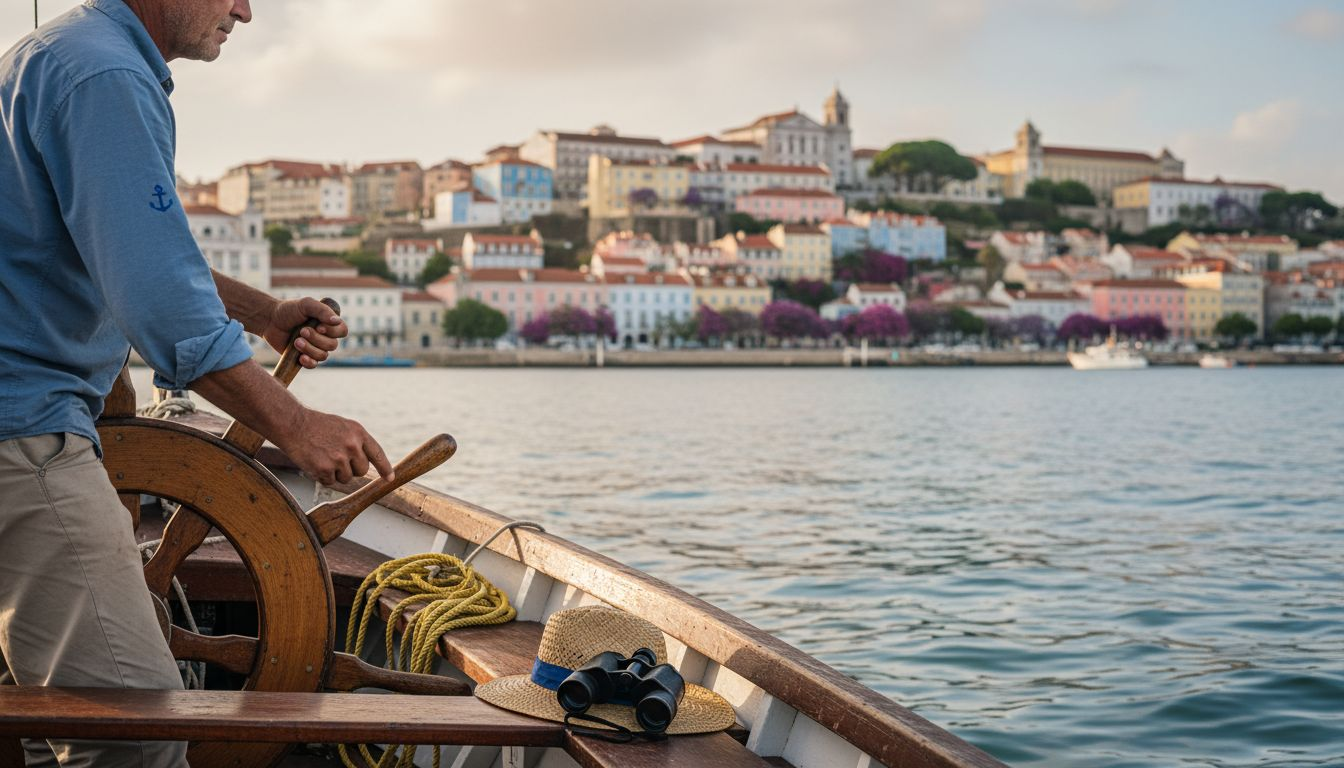
The sailing routes around Lisbon’s coastline showcase an incredible panorama of seasonal blooms, allowing visitors to observe maritime flora from an unprecedented perspective. Coastal microclimates support diverse plant species that create stunning color gradients along the shoreline, visible only through water-based exploration. Sailors can expect to see wildflowers cascading down rocky cliffs, maritime shrubs displaying delicate blossoms, and entire coastal landscapes painted in soft pastels of pink, purple, and yellow during the peak spring months.
Sustainable sailing practices are integral to these spring tours. World Sailing’s commitment to environmental consciousness ensures that these expeditions not only provide breathtaking views but also educate travelers about the delicate marine and coastal ecosystems. Professional guides often highlight the intricate relationships between maritime environments, seasonal flowering patterns, and local biodiversity, transforming each sailing trip into an immersive ecological learning experience. These tours offer more than just visual pleasure – they provide deep insights into the interconnected natural world of Lisbon’s coastal regions.
Pro Tip: Bring a high-quality waterproof camera or smartphone with a zoom lens to capture the ephemeral spring botanical landscapes from your unique maritime perspective.
Best Sights And Landmarks For Flower Viewing
Lisbon offers an extraordinary array of landmarks and viewpoints that transform into breathtaking botanical displays during spring. The Lisbon Tropical Botanical Garden stands as the premier destination for flower enthusiasts, showcasing an incredible collection of tropical and sub-tropical plants that burst into vibrant bloom during the spring months. Located in the historic Belém district, this national monument provides visitors with an immersive experience of botanical diversity, featuring meticulously curated gardens that represent Portugal’s rich horticultural heritage.
Lisbon’s iconic viewpoints offer unparalleled perspectives of the city’s spring floral landscapes. Miradouro locations like São Pedro de Alcântara and Miradouro da Senhora do Monte provide panoramic vistas where visitors can observe the city’s green spaces transformed by seasonal blooms. The historic São Jorge Castle presents another exceptional flower-viewing location, with its terraced gardens and sweeping views of Lisbon’s urban landscape painted in soft spring colors. The Alfama district, with its narrow streets and historic architecture, becomes particularly enchanting as wildflowers and cultivated plants create natural decorations along ancient walls and hidden corners.
Additional remarkable flower-viewing landmarks include the gardens of the Jerónimos Monastery, where meticulously maintained botanical spaces showcase an impressive variety of spring flowering plants. These historic sites not only offer visual splendor but also provide context about Lisbon’s rich botanical and cultural traditions. Visitors can explore carefully designed garden spaces that blend historical architecture with natural beauty, creating unique landscapes that capture the essence of Lisbon’s springtime transformation.
Use this reference table to match top Lisbon landmarks with their best spring floral displays:
Landmark | Notable Spring Feature | Neighborhood/District |
Tropical Botanical Garden | Exotic tropical flowers in bloom | Belém |
Miradouro São Pedro de Alcântara | Panoramic views of urban blossoms | Bairro Alto |
São Jorge Castle | Terraced gardens and wildflowers | Alfama |
Jerónimos Monastery Gardens | Historic beds of seasonal flowers | Belém |
Pro Tip: Consider purchasing a local botanical guide or downloading a flower identification app to enhance your flower-viewing experience and learn about the specific plant species you’ll encounter at these remarkable Lisbon landmarks.
Eco-Friendly Sailing And Seasonal Travel Tips
Sustainable travel practices are essential for preserving Lisbon’s delicate marine and coastal ecosystems, particularly during the vibrant spring season. World Sailing’s sustainability guidelines offer comprehensive strategies for environmentally conscious maritime experiences. These recommendations focus on minimizing ecological impact while maximizing the enjoyment of Lisbon’s stunning coastal landscapes, ensuring that travelers can explore the region’s natural beauty responsibly.
Travelers can implement several practical strategies to reduce their environmental footprint during spring sailing adventures. Key approaches include using reef-safe sunscreen, minimizing single-use plastics, properly disposing of waste, and respecting marine wildlife habitats. Eco-friendly vacation principles recommended by global conservation organizations emphasize the importance of conscious travel choices that support local ecosystems and communities. This might involve selecting sailing tours that prioritize environmental education, supporting local conservation efforts, and choosing operators committed to sustainable maritime practices.
Spring sailing in Lisbon presents unique opportunities for environmentally mindful travelers to engage with the region’s natural beauty while maintaining a minimal ecological impact. By choosing sailing experiences that integrate conservation awareness, tourists can contribute to protecting the marine environments they explore. This approach transforms the journey from a simple recreational activity into a meaningful engagement with Lisbon’s rich ecological landscape, fostering a deeper understanding of marine conservation and sustainable tourism practices.
Pro Tip: Pack a reusable water bottle, lightweight mesh bags for collecting any unintentional waste, and biodegradable personal care products to minimize your environmental impact during your spring sailing adventure.
Discover Lisbon’s Spring Flowers from the Best Seat on the Water
Experiencing Lisbon’s vibrant spring blooms while navigating its historic coastline is a unique challenge. The article highlights the spectacular seasonal beauty and the need for immersive yet eco-friendly ways to enjoy these delicate coastal and urban floral displays. If you want to capture the stunning mix of jacarandas, bougainvillea, and sea daffodils without missing a moment or battling midday heat on land, you need a solution that blends comfort, expert guidance, and breathtaking views.
Our daily sailing tours offer the perfect opportunity to witness Lisbon’s spring flowers from an exclusive maritime vantage point. Imagine gliding past vibrant coastlines with knowledgeable guides explaining botanical and cultural highlights. With private yacht and catamaran options, you can truly personalize your floral adventure while supporting sustainable travel principles explained by World Sailing. Don’t settle for crowded land trails when you can savor every petal with fresh sea breeze and panoramic vistas.

Explore the magic of Lisbon’s spring flowers with a trusted nautical partner. Visit Lisbon By Boat today to book your unforgettable 2-hour tour or full-day cruise. Take advantage of this season’s peak bloom period before it fades. Your front row seat to Lisbon’s floral transformation awaits. Learn more and reserve your spot now at daily sailing tours and experience spring like never before.
Frequently Asked Questions
When is the spring flowering season in Lisbon?
The spring flowering season in Lisbon typically spans from late February through May, showcasing a vibrant display of colors and fragrances across the city.
What are some popular spring flowers to see in Lisbon?
Visitors can expect to encounter diverse flowers such as jacaranda trees with lavender-blue blossoms, vibrant bougainvillea, and delicate almond tree flowers during the spring season.
How does Lisbon’s climate affect spring flowers?
Lisbon’s mild Mediterranean climate provides perfect conditions for an extended flowering period, with moderate temperatures and coastal humidity supporting a variety of plant species.
What are the best ways to experience Lisbon’s spring flowers?
Enjoying sailing tours along the coastline offers a unique perspective on the blooming flowers, while local parks and botanical gardens are ideal for immersive botanical experiences.
Recommended
Comments