

Complete Guide to Safety on Lisbon Boats
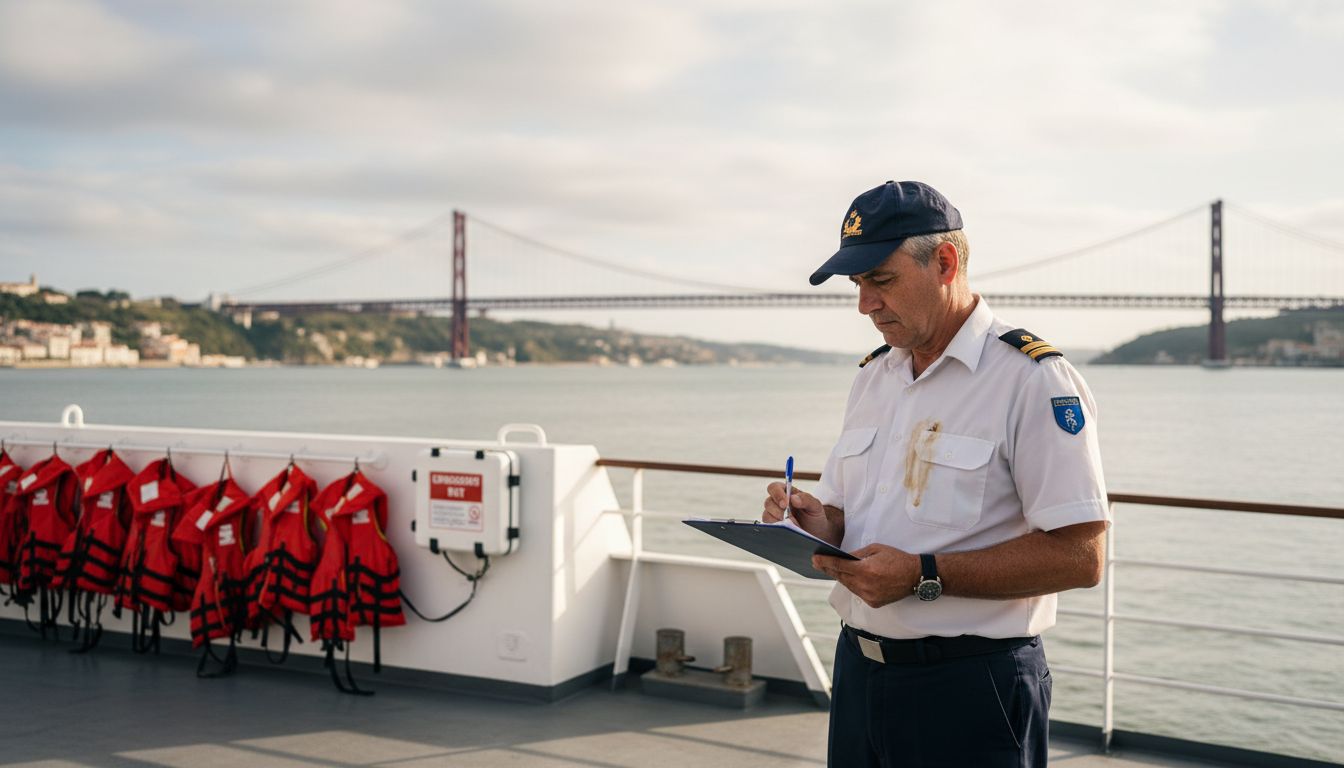
Every american traveler values peace of mind, especially when setting sail along new shores. In Lisbon, rigorous safety rules create an environment where exploration comes with confidence. With crews fully trained and every vessel inspected, you can relax knowing that all boats must meet strict regulations set by the Port of Lisbon Authority. This clear, structured focus on safety ensures your journey is not only scenic but also secure from start to finish.
Table of Contents
Key Takeaways
Point | Details |
Safety is paramount | The Port of Lisbon Authority ensures comprehensive safety through strict regulations and monitoring systems for all boat tours. |
Regulatory compliance | All vessels must adhere to stringent safety standards, including regular inspections and mandatory safety equipment. |
Crew and passenger responsibilities | Both crew and passengers share critical roles in maintaining safety during boat tours, emphasizing clear communication and cooperation. |
Risk management | Proactive measures, including weather monitoring and emergency preparedness, are essential to mitigate common maritime risks. |
Safety on Lisbon Boats Defined Clearly
Safety is the paramount priority when exploring Lisbon’s beautiful coastline by boat. The Port of Lisbon Authority maintains rigorous maritime safety standards that ensure passenger protection through comprehensive regulations and advanced monitoring systems. These protocols cover everything from vessel maintenance to emergency preparedness, creating a secure environment for tourists and corporate groups alike.
Boat safety in Lisbon involves multiple critical components. First, all vessels must meet strict maritime inspection requirements, including regular equipment checks, life vest availability, and functioning communication systems. Safety equipment is mandatory, with each boat required to carry emergency signaling devices, first aid kits, and sufficient lifesaving apparatus. Crews are professionally trained in maritime safety protocols, with certifications that demonstrate their ability to handle potential maritime emergencies.
Navigational safety represents another crucial aspect of boat tours. Professional captains undergo extensive training in local maritime conditions, understanding Lisbon’s unique coastal geography and potential weather challenges. Boats are equipped with GPS tracking, marine radio communication systems, and real-time weather monitoring technology. Navigating Lisbon’s waterways requires not just technical skill but a deep understanding of local maritime dynamics, ensuring passenger safety remains the top priority throughout every journey.
Types of Boat Tours in Lisbon
Lisbon’s maritime landscape offers an incredible array of boat tour experiences that cater to diverse preferences and interests. Boat tours in the city range from traditional river cruises to modern yacht expeditions, each providing a unique perspective of Lisbon’s stunning coastline and historic landmarks. Visitors can choose from public ferry rides, hop-on hop-off tours, luxurious sailing experiences, and motor yacht cruises that showcase the city’s breathtaking maritime environment.
For tourists seeking immersive experiences, private boat tours represent an exceptional option. Why choose boat tours becomes a compelling question when you consider the intimate, personalized nature of these excursions. Corporate groups can enjoy team-building activities on spacious sailing yachts, while couples might prefer romantic sunset cruises that highlight Lisbon’s architectural marvels against the backdrop of the Tagus River.
The variety of boat tours in Lisbon ensures something for every traveler. Motor yacht tours offer high-speed adventures and panoramic city views, while traditional sailing boats provide a more serene, classic maritime experience. Some tours focus on specific themes, such as architectural exploration along the coastline, allowing passengers to appreciate Lisbon’s rich historical landscape from a unique waterborne perspective. Each tour type combines scenic beauty, cultural insights, and professional guidance to create unforgettable maritime experiences.
Essential Safety Regulations and Laws
Lisbon’s maritime environment is governed by comprehensive safety regulations designed to protect both passengers and maritime infrastructure. The Port of Lisbon’s Port Authority Regulation establishes stringent rules for ship navigation, approach, and anchorage, ensuring compliance with international safety standards. These regulations cover everything from vessel maintenance to crew qualifications, creating a robust framework that prioritizes safety across all maritime activities.
Vessel identification and legal compliance represent critical components of maritime safety. The Portuguese government has implemented strict legislation that imposes significant penalties for non-compliance, including potential prison sentences for boat owners who fail to meet regulatory requirements. Proposed maritime safety legislation specifically targets power boats over four meters, mandating proper identification and adherence to safety protocols. This approach demonstrates a proactive stance in preventing potential maritime incidents and ensuring responsible boat operation.
Boat operators and tour companies must navigate a complex landscape of safety regulations. This includes maintaining up-to-date certifications, conducting regular safety inspections, and ensuring all crew members are thoroughly trained in emergency response procedures. From life vest requirements to communication protocols, every aspect of boat tours is carefully regulated to minimize risks and provide passengers with a secure and enjoyable maritime experience. The comprehensive nature of these regulations reflects Lisbon’s commitment to maintaining the highest standards of maritime safety and passenger protection.
Onboard Safety Equipment and Procedures
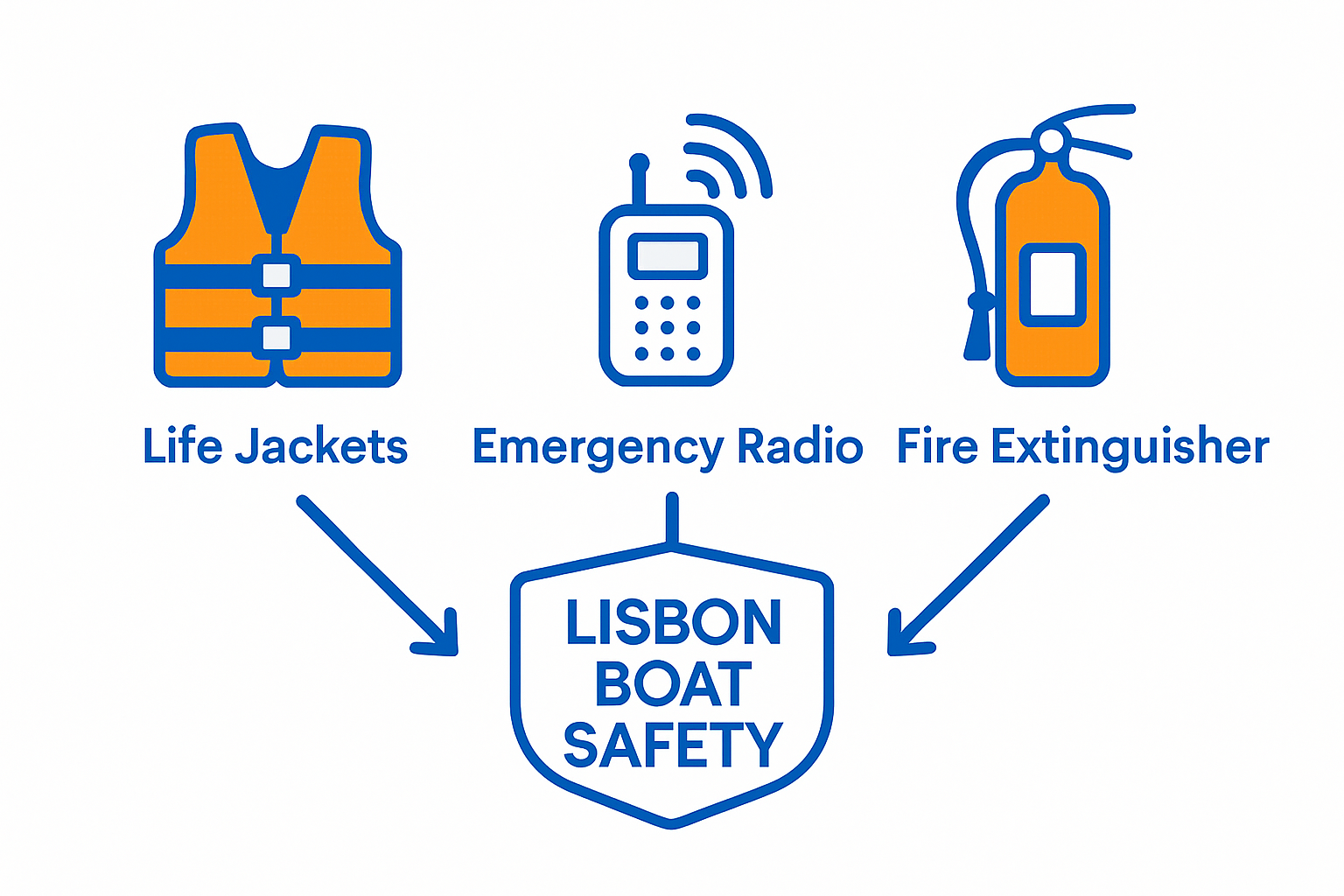
The Port of Lisbon Authority mandates stringent safety protocols that transform every boat tour into a carefully orchestrated maritime experience. Safety equipment is not just a recommendation but a critical requirement for all vessels operating in Lisbon’s waters. Each boat must be equipped with comprehensive safety gear, including multiple life jackets sized for adults and children, emergency communication devices, first aid kits, fire extinguishers, and sophisticated navigation and tracking systems.
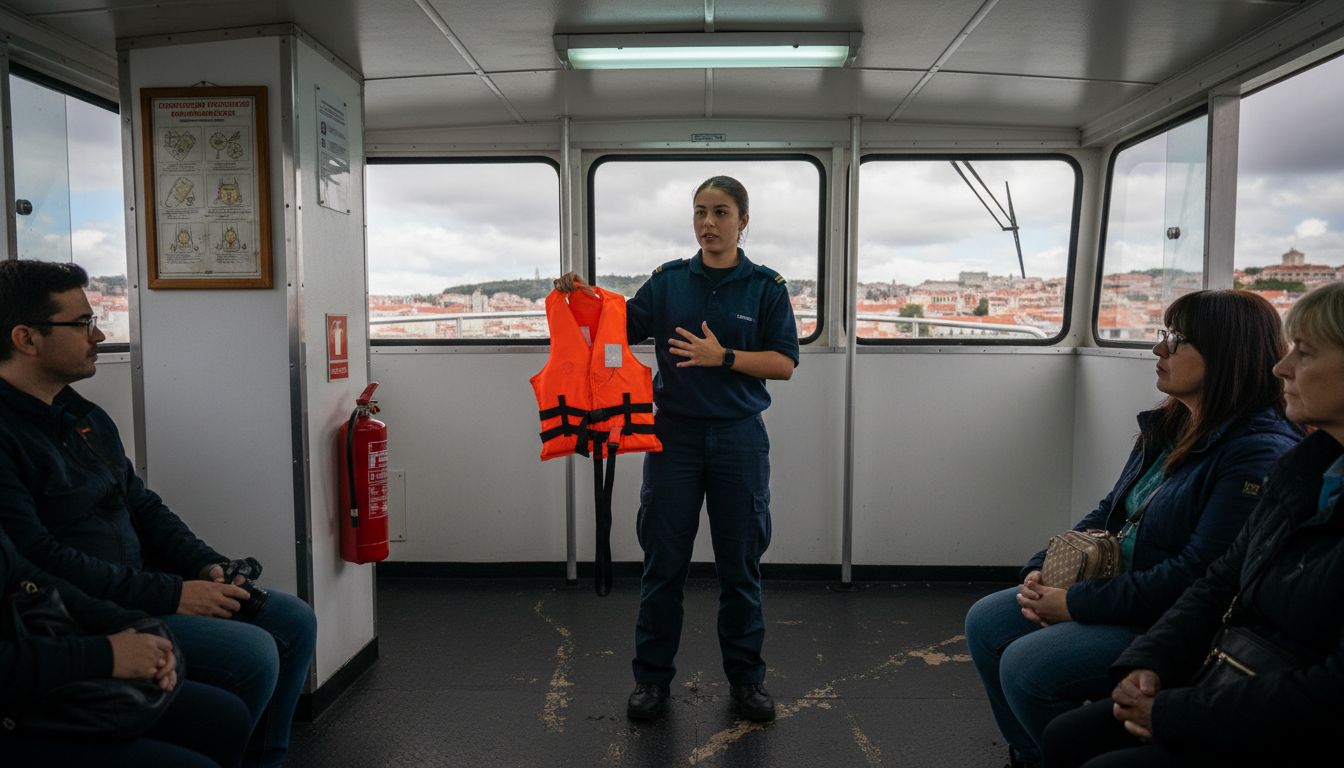
Emergency procedures form the backbone of onboard safety protocols. Crew members undergo intensive training in rapid response techniques, covering scenarios ranging from medical emergencies to unexpected weather conditions. Before each tour, passengers receive a mandatory safety briefing that outlines critical information such as life jacket locations, emergency exit points, and specific evacuation procedures. These briefings are designed to empower passengers with knowledge, ensuring they can act confidently and swiftly in any unexpected situation.
Technological advancements play a crucial role in modern maritime safety. Boats are equipped with GPS tracking systems, marine radio communication channels, and real-time weather monitoring technology. Sophisticated navigation tools allow captains to anticipate and mitigate potential risks, while redundant communication systems ensure constant contact with shore-based maritime control centers. This multi-layered approach to safety reflects Lisbon’s commitment to creating secure, enjoyable maritime experiences that prioritize passenger protection without compromising the excitement of exploring the city’s stunning coastline.
Responsibilities of Passengers and Crew
The Port of Lisbon Authority emphasizes maritime safety as a collaborative effort, where both passengers and crew share critical responsibilities. Crew responsibilities encompass far more than traditional navigation, extending to comprehensive passenger protection, emergency preparedness, and maintaining a safe maritime environment. Professional crew members must undergo rigorous training, possess extensive maritime certifications, and demonstrate exceptional situational awareness throughout each boat tour.
Passengers play an equally important role in ensuring onboard safety. Upon boarding, individuals are expected to follow explicit safety instructions, participate attentively during safety briefings, and maintain situational awareness throughout the journey. Key passenger responsibilities include wearing life jackets when instructed, avoiding restricted areas, refraining from disruptive behaviors, and promptly responding to crew instructions during potential emergency scenarios. Corporate groups and tourists alike must understand that their personal conduct directly impacts the collective safety of everyone on board.
The dynamic between passengers and crew represents a delicate balance of trust, communication, and mutual respect. Crew members are trained to communicate safety protocols clearly and compassionately, while passengers are expected to remain calm, attentive, and cooperative. This collaborative approach transforms maritime experiences from potential risk scenarios into secure, enjoyable adventures. By understanding and embracing their respective responsibilities, both crew and passengers contribute to creating a safe, memorable maritime journey along Lisbon’s stunning coastline.
Common Risks and How to Avoid Them
Yachting safety in Lisbon involves understanding and proactively managing potential maritime risks. Medical emergencies represent one of the most critical challenges sailors might encounter, requiring comprehensive preparation and swift response strategies. Boat operators must carry well-stocked first aid kits, ensure crew members are trained in emergency medical procedures, and maintain clear communication channels with onshore medical facilities to address potential health incidents rapidly.
Technological preparedness plays a crucial role in risk mitigation. Equipment failures can transform a pleasant maritime experience into a potentially dangerous situation, making regular maintenance and comprehensive system checks essential. Boats must be equipped with redundant navigation systems, backup communication devices, and emergency power sources. Corporate groups and tourists should verify that their chosen tour operator conducts rigorous pre-departure equipment inspections and maintains a proactive approach to technological readiness.
Weather conditions represent another significant risk factor in maritime environments. Sudden changes in wind patterns, unexpected storm systems, and unpredictable sea conditions can quickly escalate potential hazards. Professional boat operators in Lisbon utilize advanced meteorological tracking systems, continuously monitoring weather patterns and making real-time decisions to ensure passenger safety. This approach includes having detailed evacuation protocols, understanding local maritime geography, and maintaining the flexibility to alter routes or cancel tours when environmental conditions pose potential risks to passenger well-being.
Experience Ultimate Safety and Stunning Views on Lisbon’s Waters
Exploring Lisbon by boat should be thrilling and worry-free. This article highlights key safety challenges like rigorous equipment checks, crew training, and emergency readiness. At Lisbon By Boat, we understand that your peace of mind is just as important as the breathtaking sights. That is why every sailing tour and private cruise follows strict safety protocols, employs certified crews, and uses well-maintained vessels equipped with all necessary safety gear.
Ready for a secure adventure that reveals the beauty and history of Lisbon’s coastline? Discover how professional navigation and passenger safety come together in our daily sailing tours and private yacht experiences. Book your safe and unforgettable journey now at Lisbon By Boat and see why so many travelers trust us for a worry-free exploration. Learn more about why boat tours are the best way to discover Lisbon and get detailed safety insights to boost your confidence before you sail.
Frequently Asked Questions
What safety regulations do boat operators in Lisbon need to follow?
Boat operators in Lisbon must adhere to stringent safety regulations set by the Port of Lisbon Authority, covering vessel maintenance, crew qualifications, and emergency preparedness to ensure passenger safety.
What safety equipment is required on boats in Lisbon?
Each boat operating in Lisbon’s waters must be equipped with life jackets, first aid kits, emergency signaling devices, and functioning navigation and communication systems, ensuring thorough safety measures are in place.
How are passengers educated about safety procedures on boat tours?
Before each boat tour, passengers receive a mandatory safety briefing that informs them about life jacket locations, emergency exits, and evacuation procedures, ensuring they are prepared for any unexpected situations.
What roles do passengers have in ensuring safety on a boat tour?
Passengers are responsible for following safety instructions, participating in safety briefings, and maintaining situational awareness. This includes wearing life jackets when instructed and cooperating with crew members during emergencies.
Recommended
Comments