

4 Days in Lisbon: One Anchor a Day and a Tagus Sunset Finale
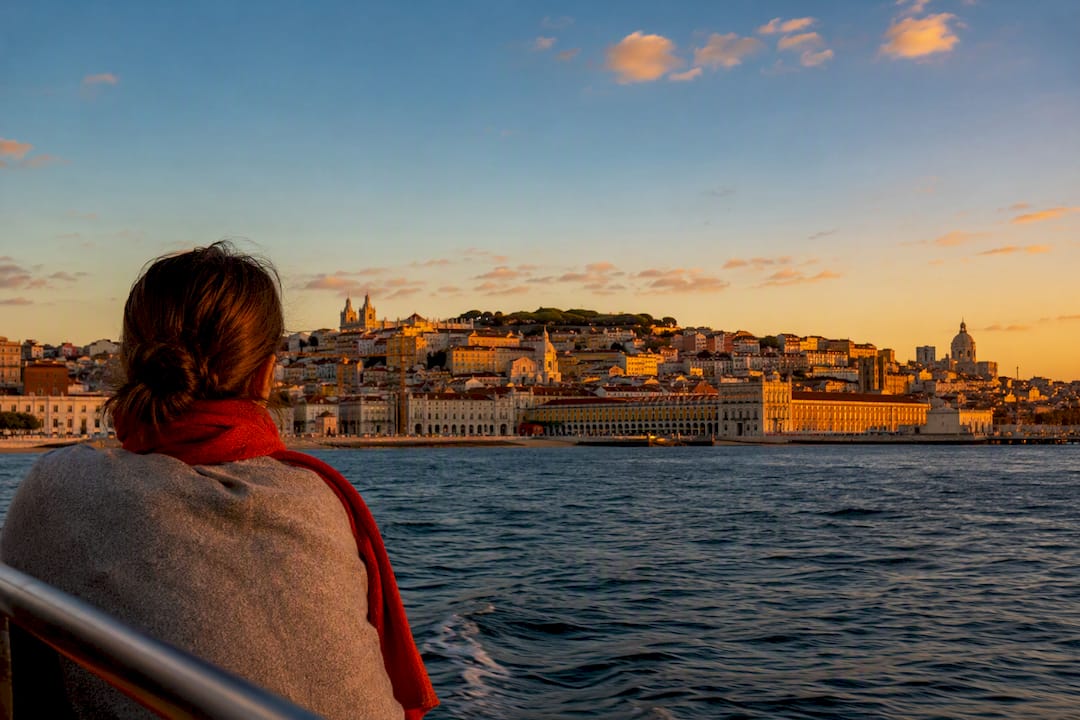
Four days in Lisbon covers the historic core, one full day in Belém, and one full day trip to Sintra, structured around a single rule: one anchor per day. Day one stays light in Baixa and Chiado. Day two goes deep in Alfama around São Jorge Castle. Day three belongs entirely to Sintra or Belém. Day four stays flexible, ending with a slower pace and, ideally, a sunset over the water instead of a crowded viewpoint.
TL;DR:
Most days involve walking 8 to 10 kilometers, with steep hills especially in Alfama, requiring sturdy footwear and good navigation.
Day three offers a choice between complex, logistics-heavy Sintra or easier-to-access Belém, with advance booking recommended for major sites.
The fourth day should be relaxed, focusing on a neighborhood walk, coastal visit, or museum, culminating in a sunset water tour instead of a crowded viewpoint.
The Lisbonbyboat sunset cruise provides a calm, scenic alternative to land viewpoints, offering views of key landmarks without the crowds for about €60 per person.
Table of Contents
Lisbon What to Do in 4 Days: The Quick Overview
Before the day-by-day breakdown, here’s the shape of the whole trip. This is the map you’d sketch on a napkin if someone asked you to plan lisbon what to do in 4 days in under a minute.
Each day centers on one neighborhood cluster or one major excursion, which keeps backtracking to a minimum and leaves room for the wandering that makes Lisbon memorable in the first place. Lisbon Tourism points to exactly this kind of geographic grouping as the difference between an itinerary that flows and one that turns into a transit slog.
Day 1: Baixa, Chiado, easy Alfama intro. Rua Augusta, Praça do Comércio, Santa Justa Lift, a slow wander toward Portas do Sol at sunset.
Day 2: Alfama and São Jorge Castle. Early miradouros, the castle itself, Museu do Fado, an evening fado show.
Day 3: Sintra or Belém (full day). Pena Palace and Quinta da Regaleira, or Jerónimos Monastery and the riverfront monuments.
Day 4: Flexible. A slow neighborhood, a coastal half-day, or a museum, closing with a water-based sunset.
Expect to walk roughly 8 to 10 kilometers most days, close to 35 kilometers across the whole trip, according to VisitPortugal’s four-day itinerary guidance. Lisbon’s hills make that distance feel longer than the number suggests, especially in Alfama, where the streets pitch upward without warning.
Transit-wise, only day three (if you choose Sintra) requires a train. Every other day runs on foot, tram, or a short metro hop. That single train trip is worth planning around: the Sintra line leaves from Rossio Station, and getting there before 9:00 AM changes the entire feel of that day.
Day 1 in Lisbon: Baixa, Chiado, and a Gentle First Sunset
Arrival day is not the day to chase every landmark on your list. Jet lag, luggage logistics, and unfamiliar streets all argue for something forgiving, and Baixa and Chiado deliver exactly that: flat ground, wide boulevards, and enough cafés to recover in.
Start slow. A late morning coffee in Chiado, ideally at one of the small counter spots off Rua Garrett, eases you into the city’s rhythm better than rushing to a museum opening. From there, walk down through Rua Augusta, Lisbon’s pedestrian spine, toward Praça do Comércio, the riverside square that used to be the royal palace grounds before the 1755 earthquake leveled it.
Pro Tip: Walk Rua Augusta toward the river in the late morning, then double back to the square in early evening when the light hits the arch. You get two completely different photos from the same fifty meters of pavement.
The afternoon has two easy options that pair well:
Ride the Santa Justa Lift, a wrought iron elevator connecting Baixa to Chiado, then walk five minutes to the Carmo Convent ruins, a roofless Gothic church left unrepaired since the earthquake as a deliberate historical scar.
Wander east into Alfama without a fixed plan, letting the narrow streets pull you uphill toward Portas do Sol.
Ticket lines for the Santa Justa Lift can run past 30 minutes at midday. If you’d rather skip it, the Elevador do Carmo staircase beside it gets you to the same spot for free, just with a bit more effort on your calves.
By early evening, you’ll want to be somewhere with a view. Miradouro de Santa Luzia and Portas do Sol both look out over Alfama’s terracotta rooftops toward the Tagus, and both fill up fast once word gets out that the sky is turning orange. Arrive 20 to 30 minutes before sunset to claim a spot on the low wall.
If fado interests you for the evening, skip the large tourist-oriented houses near the main squares and look instead toward smaller venues tucked into Alfama’s side streets, where the room holds maybe 30 people and the singer performs a few feet from your table. Reservations matter here. Walk-in seating at the well-known small venues often runs out by 7:00 PM in high season.
Total walking for day one lands around 6 to 7 kilometers, lighter than the days ahead, which is exactly the point on an arrival day.
Day 2 in Lisbon: Alfama, São Jorge Castle, and Mouraria
This is the day Alfama earns its reputation. Steep, tangled, and genuinely old in a way that Baixa’s rebuilt grid isn’t, the neighborhood rewards an early start more than almost anywhere else in the city.
Get to Miradouro de Santa Luzia and Portas do Sol again, but this time before 9:00 AM, when the tile-covered terraces are nearly empty and the light is soft rather than harsh. From there, climb toward São Jorge Castle, the Moorish fortress that overlooks the entire city.
Castle entry lines can stretch past an hour by midmorning in summer. If you arrive right at opening or the line already looks long, the castle’s own ramparts aren’t the only view in town. Miradouro da Graça, a ten-minute walk north, gives a comparable panorama for free and rarely has more than a handful of people at any given hour.
Once you’ve had your fill of the castle grounds, drop down into Mouraria, Lisbon’s oldest Moorish quarter and, by most accounts, the birthplace of fado itself.
For lunch and early afternoon, a few solid options:
Museu do Fado, a compact museum near Largo do Chafariz de Dentro that traces the music’s roots in about an hour.
A tasca (small family-run restaurant) for grilled sardines or Diana, Lisbon’s answer to a quick, satisfying lunch under €10.
A slow coffee break at one of Mouraria’s tiled cafés, watching the neighborhood’s daily rhythm instead of rushing to the next stop.
Tram 28’s route passes right through this area, and it’s worth riding once, but timing matters enormously. Local guidance consistently points to riding it either early morning or after 8:00 PM, when pickpocket activity and crowding both drop off. Midday rides pack the tram tighter than a rush-hour subway car, and that density is exactly what pickpockets look for. A short guide to Tram 28 timing breaks down the specific hours worth avoiding.
For the evening, if fado wasn’t on your day one plan, book it now. Reserve a table at a small venue a day ahead if possible, since the good ones genuinely do sell out.
Expect around 8 to 9 kilometers of walking today, most of it uphill in one direction or the other. Comfortable shoes aren’t optional here. They’re the difference between enjoying Alfama and dreading it.
Day 3 in Lisbon: Choosing Between Belém and Sintra
Day three is the fork in the road. Most four-day Lisbon trips build around either a full day in Belém or a full day trip to Sintra, and trying to squeeze both into one day usually means rushing both. Pick one, save the other neighborhood for a future trip, and commit.
The Belém Plan
Belém sits along the river west of central Lisbon, easily reached by tram or a short train ride from Cais do Sodré. Structure the day like this:
Jerónimos Monastery first, right at opening. This UNESCO-listed monastery took nearly a century to build and its cloisters alone justify the visit. Budget 60 to 90 minutes inside.
Pastéis de Belém next, the bakery that has made the original version of Portugal’s custard tart since 1837. Go before noon if you want to avoid the line snaking down the block.
Monument to the Discoveries, a five-minute walk along the riverfront, honoring the navigators who launched Portugal’s age of exploration. The viewing platform at the top takes about 30 minutes round trip.
MAAT (Museum of Art, Architecture and Technology), a striking riverside building with rotating exhibitions, good for an hour if contemporary art interests you.
The Sintra Plan
Sintra requires more logistics but delivers a genuinely different landscape: misty hills, fairy tale palaces, and views back toward the Atlantic.
Catch the earliest train from Rossio Station, ideally before 8:30 AM.
Book the first entry slot at Pena Palace. This single decision determines whether your day feels calm or crowded, since queues for the palace routinely stretch past an hour by midmorning in high season.
Follow with Quinta da Regaleira, an estate riddled with underground tunnels and a spiral well that looks like something out of a fantasy film. The walk between Regaleira and Pena involves genuinely steep paths, and it takes longer than the map distance implies.
Decide between walking or the 434 tourist bus between sites. Check current wait times for the bus before committing, since lines can rival the palace queue itself in peak season.
The Cascais Alternative
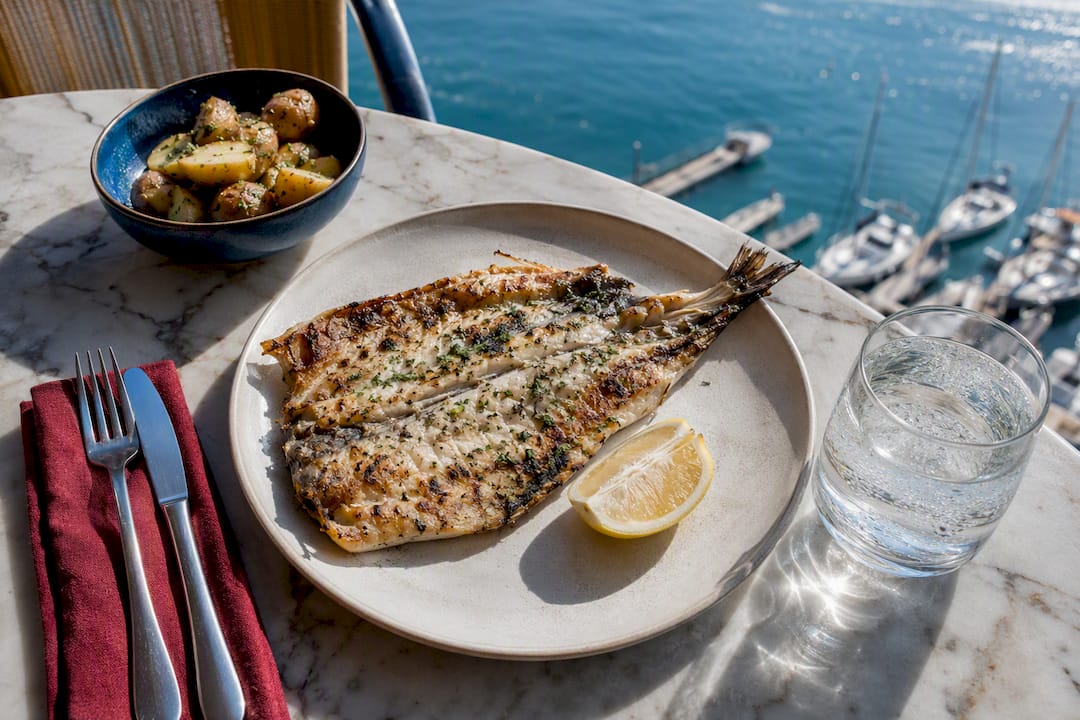
If Sintra’s crowds sound exhausting, Cascais offers a lower-key coastal day: a 40-minute train from Cais do Sodré, a walkable seaside town, beach time if the weather allows, and fresh seafood lunch near the marina.
Pro Tip: Whichever option you choose, prebook your main ticket (Pena Palace or Jerónimos Monastery) online the night before. Walking up without a reservation in July or August often means a wait of an hour or more just to buy a ticket, before you’ve even reached the entrance line.
Day 4 in Lisbon: A Flexible Final Day
By day four, your legs know Lisbon’s hills, and this is the day to let the schedule loosen. Three directions work well here, and none of them requires an early alarm.
Slow neighborhood loop. Wander Príncipe Real, a leafy, boutique-lined neighborhood with a completely different energy than the historic core, then continue toward Estrela. Grab lunch at a local market rather than a restaurant. It’s cheaper, faster, and gives you a better read on daily Lisbon life than most sit-down meals.
Active coastal half-day. Take the train to Cascais if you skipped it on day three, or head to Costa da Caparica across the river for a beach afternoon with a different, more laid-back Atlantic feel. Both are reachable by train or bus in under an hour.
Museum alternative. The National Tile Museum (Museu Nacional do Azulejo) traces the decorative tiles that cover half the buildings in Lisbon, while the Gulbenkian Museum offers one of Portugal’s best art collections in a quiet, uncrowded setting, ideal if your feet need a break from cobblestones.
Whichever direction you pick, aim to schedule the afternoon loosely enough to end at the water. A few options for closing the trip well:
A rooftop bar in Bairro Alto or Chiado, several of which offer river views without the crowd density of the main miradouros.
One more visit to Miradouro da Senhora do Monte, often less crowded than Santa Luzia and Portas do Sol.
A two-hour sunset sailing tour on the Tagus, which trades a shared wall and elbow room for open water and a clear, unobstructed skyline.
That last option deserves its own explanation, and it comes up again later in this guide.
Practical Tips: Transit, Tickets, and Packing for Lisbon
Skip the car. Lisbon’s one-way streets, scarce parking, and hills that would challenge a rally driver make renting a vehicle more trouble than it’s worth for a four-day visit. The metro, trams, funiculars, and rideshare apps cover everything you need, usually faster than a car would manage anyway once you factor in parking.
A Viva Viagem card works for metro, bus, and tram rides, loaded with credit as you go. The Lisboa Card bundles transit with free or discounted entry to major sights, and it tends to pay for itself if you’re hitting Jerónimos Monastery, several museums, and public transit within a 72-hour window. If your plan is lighter on paid attractions, pay-as-you-go transit cards usually work out cheaper.
Footwear matters more in Lisbon than in most cities. The cobbled calçada portuguesa sidewalks look beautiful and become genuinely slippery when wet, and Alfama’s steep, uneven stones punish thin-soled shoes fast. Bring sneakers or walking shoes with real grip, not sandals.
Seasonal timing changes your whole approach. Peak summer months regularly push past 35°C, which means:
Start outdoor sightseeing by 8:00 or 9:00 AM and treat midday as museum, lunch, or hotel-rest time.
Book Pena Palace and Jerónimos Monastery tickets in advance, since summer demand pushes wait times highest exactly when the heat makes standing in line hardest.
Carry water constantly. Lisbon has public fountains, but they’re not everywhere you’ll need one.
Where to Stay in Lisbon for a 4-Day Trip
Your neighborhood choice shapes how much walking becomes commuting versus sightseeing.
Baixa/Chiado sits at the geographic center, flat, walkable, and close to everything, though it can feel touristy after dark and hotel prices reflect the convenience.
Príncipe Real offers a quieter, more residential feel with excellent restaurants nearby, at the cost of a slightly longer walk to Alfama.
Alfama puts you inside the postcard, steps from the miradouros, but the hills and stairs are unforgiving if mobility is a concern.
Cais do Sodré works well logistically since it sits near the train station serving Cascais and connects easily to Belém, with a livelier nightlife scene that runs loud into the night.
If you’re traveling with anyone who struggles on stairs or steep grades, Baixa or Cais do Sodré beat Alfama’s charm every time. Both also put you closer to Rossio or Cais do Sodré stations for day three’s train trip, cutting one more transit step out of an already full day.
Food and Nightlife: What to Eat and Where to Hear Fado
Pastéis de Belém deserves a dedicated stop, but don’t limit yourself to one custard tart across four days. Most Lisbon bakeries sell a version, and grabbing one warm from the oven near your hotel each morning is its own small ritual.
For a bigger meal, Time Out Market near Cais do Sodré gathers dozens of Lisbon’s best kitchens under one roof, useful when your group can’t agree on cuisine. For a quieter, more local alternative, Mercado de Campo de Ourique delivers the same market format with a fraction of the crowd.
Grilled sardines, bacalhau (salt cod), and bifana sandwiches cover the essential Portuguese food list beyond pastries.
Bairro Alto and Cais do Sodré carry Lisbon’s loudest nightlife, worth a visit but noisy well past midnight if you’re staying nearby.
When a server sets down bread, olives, or cheese you didn’t order (the “couvert”), it’s not free. Politely say “NAO, brigade” if you don’t want it billed.
Why a Tagus Sunset Cruise Beats a Crowded Miradouro
A viewpoint on land shows you Lisbon from the outside looking in. A boat on the Tagus flips that entirely, putting you at water level looking back at the city the way sailors have seen it for centuries.
From the river, you get a direct line of sight to the 25 de Abril Bridge, the Monument to the Discoveries, Belém Tower, and the hillside sprawl of Alfama and the castle, all without competing for a spot on a stone wall with fifty other people holding up phones. VisitPortugal specifically recommends a river sunset cruise as an alternative to the city’s more crowded viewpoints, and the appeal is straightforward: you sit, the boat moves, the light changes, and you don’t have to fight for a photo angle.
A standard sightseeing or sunset sailing runs about two hours, long enough to cover the riverfront’s major landmarks without eating your whole evening. That timing slots neatly into a day four schedule, particularly if you’ve kept the afternoon loose for exactly this kind of finale.
Cruises typically depart in the late afternoon to catch the sunset light without running past dinner.
Booking a day or two ahead is worth doing in high season, when the best-timed departures fill first.
Pairing a short Tram 28 ride earlier in the day with a river cruise in the evening gives you Lisbon from both a hillside tram and open water in the same 24 hours.
Pro Tip: If you’re deciding between a rooftop bar and a boat for sunset, remember the boat doesn’t require a reservation weeks out and doesn’t run out of table space the way a popular rooftop does.
Cultural Events and Festivals You Might Catch
Lisbon’s calendar runs busy enough that a four-day visit has a real chance of overlapping with something worth adjusting your plans for. June is the standout month, built around Santos Populares, the city’s biggest street festival, when Alfama and Graça fill with grilled sardines, paper streamers, and dancing that spills into the early morning hours on June 12th and 13th for Santo António, Lisbon’s patron saint.
Outside of June, smaller neighborhood fiestas pop up throughout the warmer months, often centered on a specific parish and easy to stumble into if you’re wandering Alfama or Mouraria in the evening. Fado, while available nightly at dedicated venues, occasionally spills into open-air performances during summer cultural programs, worth asking your hotel about if you’re visiting between May and September.
Football matters here too. If your dates overlap with a match between Sporting CP and Benfica, the Lisbon derby turns entire neighborhoods into open-air viewing parties, with bars overflowing hours before kickoff. It’s not something you’d plan a trip around, but if it happens to land during your stay, it’s worth experiencing even as a spectator.
Museums and cultural institutions also run rotating exhibitions, so checking Gulbenkian’s or MAAT’s current programming before your trip can turn a routine museum stop into something genuinely worth the detour.
Staying Safe: Common Scams and Practical Precautions
Lisbon ranks among Europe’s safer capital cities, but tourist-heavy areas attract tourist-focused problems, mostly petty theft rather than anything violent.
Pickpocketing concentrates on Tram 28 during peak hours, in crowded miradouros at sunset, and around Rossio Square. Keep bags zipped and worn in front, and treat crowded transit exactly like you would in any major city: phone in a front pocket, not a back one dangling near a stranger’s hand.
A few specific scams worth knowing:
Fake charity or petition clipboards approaching you on the street are a distraction technique, often used while an accomplice works your bag or pockets.
Unofficial “helpers” at ticket machines offering to help you buy a metro ticket, then demanding cash for their assistance, are common near Rossio and Baixa-Chiado stations.
Unmetered taxis near tourist hotspots sometimes quote inflated flat fares. Use a rideshare app or insist on the meter before getting in.
The couvert charge mentioned earlier isn’t a scam exactly, but it catches enough visitors off guard that it’s worth repeating here: decline anything placed on the table you didn’t order if you don’t want it on the bill.
Overall, common sense travels further than paranoia here. Stay aware in dense tourist pockets, relax everywhere else.
Day Trips Beyond Sintra and Cascais
If a future trip extends past four days, or if you’re the type who wants a fallback option, Lisbon sits within striking distance of two very different escapes.
Arrábida Natural Park, about 40 minutes south by car or organized tour, delivers some of Portugal’s most dramatic coastline: turquoise water backed by limestone cliffs that feel more Mediterranean than the Atlantic. The town of Setúbal nearby is known for its own take on grilled fish and a slower, less touristy pace than Cascais.
Évora, roughly 90 minutes east, offers a completely different experience: a walled medieval city in the Alentejo region, home to a Roman temple still standing in the main square and a Gothic cathedral that predates most of what you’ll see in Lisbon itself. It’s a longer trip, best suited to a fifth or sixth day rather than squeezed into this itinerary, but it’s the natural next stop for anyone who falls for Portugal on this visit.
Both require a car or a guided tour, since public transit connections run less frequently than the Sintra or Cascais lines.
Accessibility Notes for Travelers With Mobility Needs
Lisbon’s hills and cobblestones are the city’s defining feature and its biggest accessibility challenge. Alfama, Graça, and much of the historic core involve steep, uneven streets that standard wheelchairs and walkers navigate with real difficulty, and calçada portuguesa’s slick surface compounds the problem in wet weather.
That said, the city has made real progress. Elevador de Santa Justa and several funiculars offer step-free vertical transit between lower and upper neighborhoods, though the Santa Justa lift’s popularity means long waits at peak times. The metro system is largely accessible, with elevators at most central stations, and newer tram cars on some routes include low-floor boarding.
For the itinerary in this guide, Baixa, Chiado, and Belém are the friendliest zones for anyone with limited mobility, since they’re flat and well paved compared to Alfama’s slopes. Sintra presents its own challenge: Pena Palace’s grounds involve significant walking and some stairs, though the palace itself has partial accessibility accommodations, worth confirming directly with the site before you book tickets. A water-based sunset cruise, notably, sidesteps the hill problem entirely, since boarding is typically level and the experience itself requires no walking at all.
Why One Anchor a Day Actually Works
The one-anchor-per-day rule isn’t a gimmick. It’s a response to what actually derails Lisbon trips: trying to cram Alfama, Belém, and Sintra into one exhausting loop and ending up too tired to enjoy any of it. Grouping by neighborhood respects how the city is built, on hills, around a river, with distances that look small on a map and feel much longer on foot.
Coastal touring reinforces this lesson every day: travelers who slow down and commit to one experience remember it far better than those who rush through five. Adjust for your own pace, weather, and mobility. The structure holds regardless.
— Lisbon
Book a Sunset Sailing Tour to Close Out Your Trip
After four days of hills, cobblestones, and queues at Pena Palace, an actual seat that doesn’t require standing in line starts sounding pretty appealing. Lisbonbyboat’s 120-minute sightseeing and sunset sailing tours cover the Tagus riverfront’s major landmarks, Belém Tower, the Monument to the Discoveries, and the 25 de Abril Bridge, from open water instead of a crowded stone ledge.
Two hours is long enough to see everything worth seeing and short enough to fit into a loose day four afternoon without disrupting the rest of your plans. Some tours include live commentary on the monuments passing by, along with drinks and snacks on board. For a couple looking for something quieter, the Romantic Sunset Sailing program offers a private version of the same experience. Groups and families can look at private sailing and cruising programs for a fully customized route and duration.
Check available departure times and book your spot directly on the Lisbonbyboat tours page before your dates fill up.
FAQ
Is 4 days enough time in Lisbon?
Four days covers Lisbon’s historic core, a full day in Belém or Alfama, and a dedicated day trip to Sintra, which most travel guides consider the ideal minimum for a first visit. You’ll walk a considerable distance daily, so pacing matters more than cramming in extra stops.
Should I rent a car for a 4-day Lisbon trip?
No. Lisbon’s narrow one-way streets, hills, and scarce parking make driving impractical, and the metro, trams, funiculars, and rideshare apps cover the entire itinerary faster and cheaper.
Should I visit Sintra or Belém on day 3?
Both work as a full-day anchor, but Sintra requires an early train and advance palace tickets, while Belém stays within the city and moves at an easier pace. Choose Sintra if you want hillside palaces and gardens, or Belém if you’d rather avoid a train commute.
What’s the best alternative to crowded miradouros for sunset?
A two-hour Tagus river cruise gives you the same monuments from open water without competing for space on a viewpoint wall, a swap VisitPortugal itself recommends. Lisbonbyboat’s sunset sailing tours run 120 minutes and depart in time to catch the light over Belém Tower and the 25 de Abril Bridge.
How much does a sunset sailing tour in Lisbon cost?
Lisbonbyboat’s sunset sailing tour starts from €60 per person for a 120-minute sailing, while the standard sightseeing tour runs €45 per person. Private options, including a dedicated Romantic Sunset Sailing, start from €390 per yacht.
Recommended
Comments