

Lisbon Safety Tips: Boating and Coastal Travel Essentials
Most American travelers underestimate how quickly Portuguese coastal weather can shift, making nautical safety a top concern for anyone planning a private cruise in Lisbon. This matters because even a short trip along Lisbon’s historical shoreline exposes you to unique risks not found in other European destinations. Discover practical safety strategies and proven tips to help you enjoy every moment, confident you’re prepared for both land and sea adventures.
Table of Contents
Key Takeaways
Point | Details |
Nautical Safety Protocols | Familiarize yourself with Lisbon’s maritime regulations and safety protocols before setting sail. Ensure required safety equipment is on board for all coastal journeys. |
Urban Safety Awareness | Stay vigilant against pickpocketing and theft, especially in crowded tourist areas. Secure your valuables and avoid displaying expensive items. |
Emergency Preparedness | Attend safety briefings on vessels and know emergency communication and evacuation procedures. Keep essential documents and communication devices accessible. |
Environmental Awareness | Monitor weather conditions closely when sailing; understand local navigation signals and proper operational practices to ensure safe travel. |
Lisbon Safety Defined for Nautical Travelers
Navigating Lisbon’s coastal waters requires a nuanced understanding of maritime safety protocols. The Port of Lisbon Authority’s comprehensive safety framework establishes rigorous standards designed to protect nautical travelers, maritime professionals, and recreational sailors alike. Their strategic approach integrates multiple layers of safety management, focusing on protecting people, vessels, and marine infrastructure.
Understanding nautical safety in Lisbon involves recognizing key regulatory aspects. These include strict navigation rules, precise operational depth management, and continuous monitoring of maritime activities. Nautical travelers should be aware that Lisbon’s maritime regulations align with international maritime codes, ensuring a standardized safety approach. Professional maritime staff undergo regular training to maintain high safety standards, which directly benefits tourists exploring the city’s beautiful coastal regions.
For international travelers, several critical safety considerations emerge. Weather conditions can change rapidly along the Portuguese coast, making real-time awareness essential. Sailors should always check marine forecasts, understand local maritime signals, and carry appropriate safety equipment. Communication devices, life jackets, and emergency signaling tools are not optional but mandatory for anyone embarking on coastal journeys.
Pro Tip for Nautical Safety: Always verify your vessel’s safety equipment, review local maritime regulations before departure, and maintain constant communication with coastal authorities during your sailing adventure in Lisbon.
Key Safety Reminders:
Check weather conditions before sailing
Carry required safety equipment
Understand local maritime signals
Maintain communication devices
Follow Port of Lisbon Authority guidelines
Types of Safety Concerns: Land and Sea
Tourists exploring Lisbon must navigate a complex landscape of potential safety challenges both on land and water. Comprehensive travel safety resources highlight the multifaceted nature of risks that maritime travelers might encounter. Urban environments and coastal regions present distinct safety considerations that require strategic awareness and proactive preparation.
On land, travelers should remain vigilant about typical urban safety issues. Pickpocketing and petty theft can occur in crowded tourist areas, particularly around popular attractions and public transportation hubs. Specific neighborhoods like Alfama and Bairro Alto demand extra caution during nighttime hours. Travelers should maintain situational awareness, secure personal belongings, and avoid displaying expensive electronics or jewelry that might attract unwanted attention.

Maritime safety concerns present a different set of challenges. Coastal waters around Lisbon can experience rapid weather changes, strong currents, and unexpected wind conditions. Nautical travelers must thoroughly inspect vessel equipment, understand marine navigation protocols, and carry appropriate safety gear. Communication devices, emergency signaling tools, and well-maintained life jackets are not merely recommendations but essential survival equipment for anyone venturing into Portuguese maritime environments.
Pro Tip for Safety Preparedness: Always maintain a duplicate set of critical documents stored separately from originals, and share your travel itinerary with a trusted contact who can assist in emergency situations.
Key Safety Strategies:
Here’s a concise overview of the main differences between land-based and maritime safety concerns for Lisbon travelers:
Safety Concern | Land | Sea |
Common Risks | Pickpocketing, theft | Sudden weather, strong currents |
Key Precautions | Secure valuables, avoid risky areas | Inspect equipment, monitor forecasts |
Emergency Support | Local police, tourist hotlines | Coastal authorities, marine rescue |
Awareness Tips | Remain vigilant in crowds | Understand local navigation signals |
Stay alert in crowded urban areas
Keep valuables secure and discreet
Check maritime weather forecasts before sailing
Carry comprehensive emergency communication devices
Understand local maritime and urban safety protocols
Maritime Regulations for Lisbon Cruises
Navigating the maritime regulations for Lisbon cruises requires a comprehensive understanding of safety protocols and legal frameworks. European Maritime Safety Agency standards play a critical role in establishing comprehensive guidelines that govern nautical activities in Portuguese waters. These regulations ensure the safety of passengers, crew members, and marine environments through rigorous inspection and management protocols.
The regulatory landscape for Lisbon cruises encompasses multiple layers of oversight. International maritime laws, European Union directives, and local Portuguese maritime regulations intersect to create a complex but robust safety ecosystem. Cruise operators must comply with stringent requirements including vessel maintenance standards, crew certification, emergency preparedness protocols, and passenger safety management systems. These regulations cover everything from navigation equipment specifications to crew training requirements and environmental protection measures.
Passenger safety represents the paramount concern in maritime regulations. Cruise vessels operating in Lisbon must demonstrate comprehensive safety management systems that include detailed emergency response plans, regular equipment inspections, and ongoing staff training. Specific requirements address critical areas such as life-saving equipment availability, communication systems, navigation protocols, and crew medical certifications. International Safety Management Code provisions mandate that every vessel maintain meticulous documentation and implement systematic safety management approaches.
Pro Tip for Maritime Compliance: Always verify a cruise operator’s safety certifications and request current maritime inspection records before booking your maritime adventure in Lisbon.
Key Regulatory Considerations:
For quick reference, here are major regulatory bodies involved in Lisbon cruise safety and what they oversee:
Regulatory Body | Oversight Area | Unique Impact |
Port of Lisbon Authority | Local safety protocols | Vessel inspection, port security |
European Maritime Safety Agency | EU-wide standards | Harmonized safety rules, inspections |
Portuguese Maritime Authority | Search and rescue | Emergency response, incident management |
International Maritime Organization | Global maritime law | Safety codes, crew certification |
Comply with international maritime safety standards
Maintain updated vessel certification
Ensure comprehensive crew training
Implement robust emergency response protocols
Follow environmental protection guidelines
Preventing Crime and Onboard Incidents
Ensuring passenger safety requires a comprehensive approach to preventing crime and managing potential onboard incidents. Maritime security regulations play a crucial role in establishing robust protocols that protect travelers and crew members throughout their nautical journey. These frameworks address multiple potential security threats, ranging from unauthorized access to sophisticated cyber risks that could compromise vessel operations.
Modern maritime security strategies focus on proactive prevention and rapid response mechanisms. Security protocols involve multilayered approaches including advanced screening procedures, restricted access zones, continuous surveillance systems, and comprehensive staff training programs. Cruise operators must implement strict identification verification processes, maintain detailed passenger manifests, and ensure that all crew members undergo rigorous background checks and security training before being permitted to work on maritime vessels.
Technology has become a critical component in preventing onboard incidents. Advanced digital monitoring systems, biometric access controls, and real-time communication networks enable immediate threat detection and rapid intervention. Cybersecurity measures protect critical navigation and communication systems from potential digital infiltration, while integrated emergency response platforms allow instant communication between ship security personnel, local maritime authorities, and international safety networks. Personal awareness and individual responsibility remain equally important, with passengers playing a key role in maintaining overall vessel security.
Pro Tip for Personal Security: Always maintain situational awareness, report any suspicious activities immediately to ship security personnel, and keep personal valuables secured in cabin safes during your maritime journey.
Key Security Strategies:
Verify crew member credentials
Use onboard safety deposit facilities
Stay alert to your surroundings
Follow official security instructions
Communicate suspicious activities promptly
Emergency Readiness: What Tourists Should Know
Emergency preparedness is a critical aspect of maritime travel, especially when exploring Lisbon’s coastal waters. Portuguese Maritime Authority’s Search and Rescue protocols provide a comprehensive framework for managing potential maritime emergencies. These robust systems integrate national and international resources to ensure rapid and effective response to any unexpected situations that tourists might encounter during their nautical adventures.
Emergency communication represents the cornerstone of maritime safety. Tourists must understand the specific communication channels available in Lisbon’s maritime environment. This includes knowing the precise emergency contact numbers, understanding vessel communication systems, and being familiar with maritime distress signals. Modern cruise vessels are equipped with advanced communication technologies that enable immediate contact with coastal authorities, allowing for swift intervention in case of medical emergencies, mechanical failures, or unexpected environmental challenges.
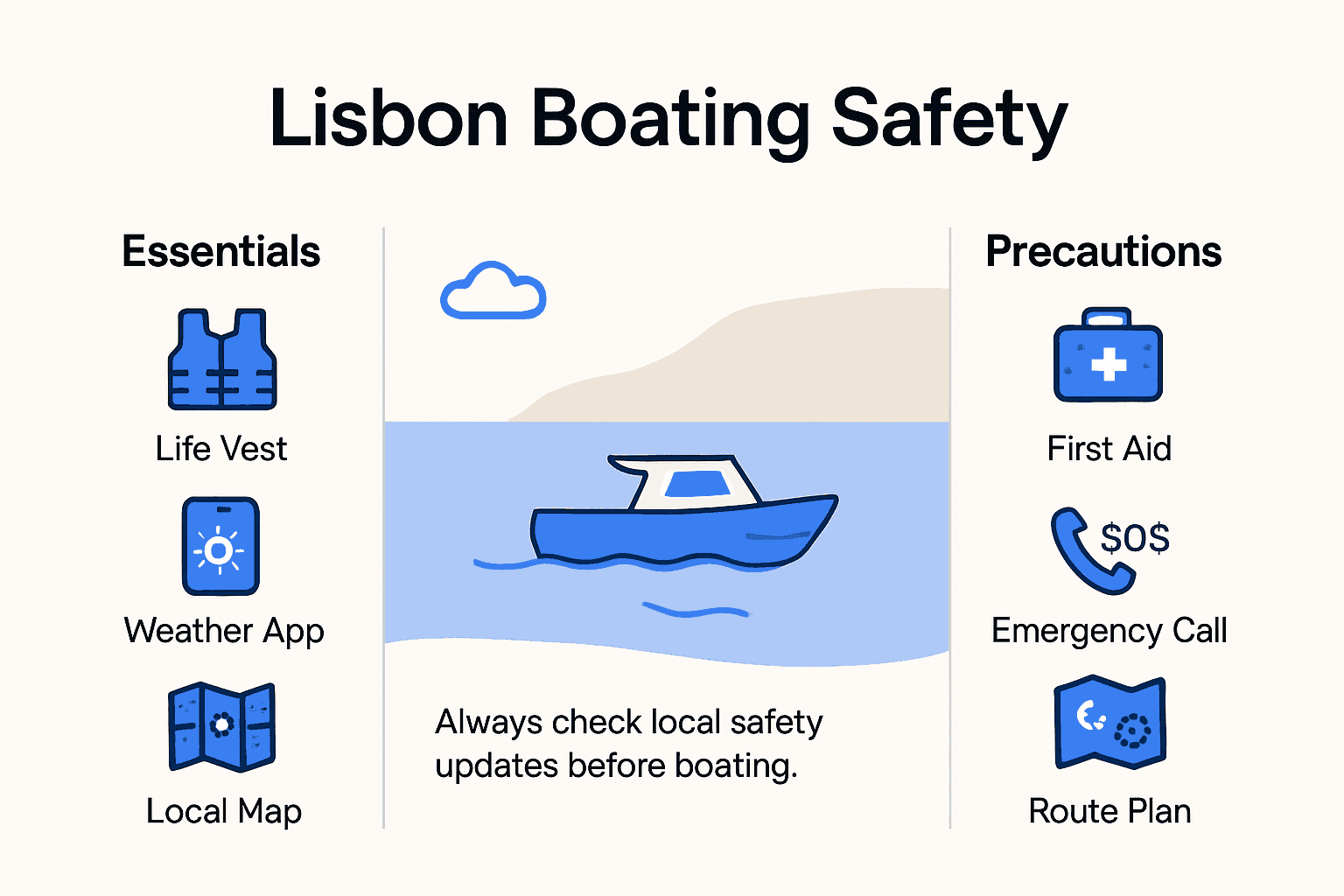
Effective emergency readiness extends beyond communication technologies. Passengers should actively participate in mandatory safety briefings, familiarize themselves with vessel emergency evacuation routes, and understand the location and proper use of critical safety equipment. This includes life jackets, emergency rafts, fire extinguishers, and first aid stations. Professional crew members undergo extensive training in emergency response protocols, but individual passenger awareness and preparation can significantly improve overall safety outcomes during potential maritime incidents.
Pro Tip for Emergency Preparedness: Memorize the emergency contact numbers, take photos of vessel emergency maps, and keep a waterproof bag with essential documents and a portable communication device readily accessible during your maritime journey.
Key Emergency Readiness Strategies:
Attend all safety briefings
Know emergency communication protocols
Locate safety equipment immediately
Understand vessel evacuation procedures
Maintain a calm and alert demeanor during unexpected situations
Experience Lisbon Safely From the Water
Navigating Lisbon’s coastal waters safely requires advanced knowledge and trusted guidance. If you want to avoid common challenges like unpredictable weather, sudden currents, and complex maritime signals the best way to do so is by joining experienced professionals who prioritize your safety and enjoyment. Our daily sailing tours and private cruises offer a secure way to explore Lisbon’s breathtaking historical coastline while benefiting from expert navigation and carefully maintained vessels.
Discover peace of mind aboard our well-equipped sailing yachts and catamarans. We emphasize strict adherence to maritime safety protocols recommended by the Port of Lisbon Authority and international standards. Book your adventure today at Lisbon By Boat and enjoy a 2-hour or full-day cruise with knowledgeable guides who ensure your voyage is both safe and unforgettable. Unlock the best of Lisbon’s coast without worry by learning more about our daily sailing tours and personalized private cruises designed for your safety and comfort.
Frequently Asked Questions
What are essential safety tips for boating in Lisbon?
Always check weather conditions, carry mandatory safety equipment such as life jackets and communication devices, and understand local maritime signals before sailing.
How can I ensure my vessel complies with maritime safety regulations?
Verify your vessel’s safety equipment, keep updated on local maritime regulations, and ensure routine maintenance and inspections are conducted according to industry standards.
What should I do in case of an emergency while boating?
Familiarize yourself with emergency contact numbers and communication channels. Attend safety briefings, know evacuation routes, and locate safety equipment onboard to be prepared in case of emergencies.
How do I stay safe from potential crime while traveling on the coast?
Maintain situational awareness, secure personal belongings, and report any suspicious activities to authorities promptly. Also, avoid displaying valuables publicly to minimize risk.
Recommended
Comments