

Fit a 2 Hour Tagus Sail Into a 5–7 Day Lisbon and Porto Itinerary
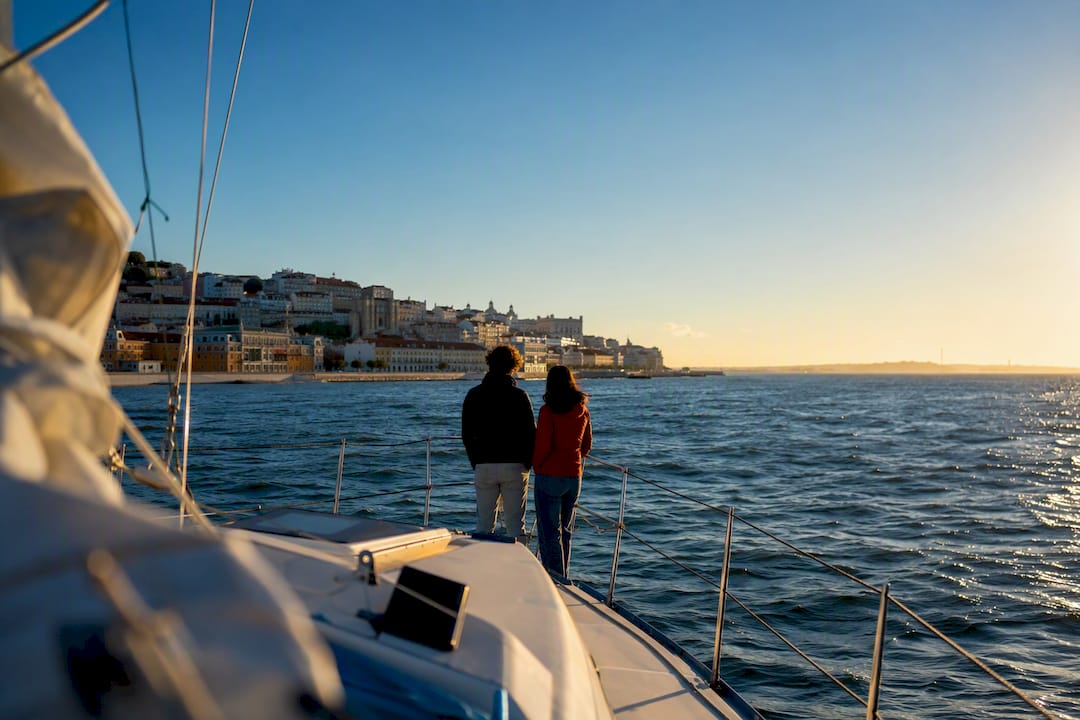
The best split for a Lisbon Porto itinerary is 5 days total, with 3 nights in Lisbon and 2 in Porto, traveling by Alfa Pendular train, which takes about 2 hours 40 to 50 minutes. Go Lisbon first, since it holds more sightseeing and rewards more time, then finish in Porto for a smaller, calmer close. With 7 days, add a Sintra day trip or push into the Douro Valley before you fly home.
TL;DR:
A five-day trip with three nights in Lisbon and two in Porto is optimal for seeing main sights, but seven days allow for full-day excursions to Sintra or the Douro Valley.
The train between Lisbon and Porto takes about 2 hours 40 minutes to 50 minutes, with fares from €25 to €45, and seats should be booked early.
Sintra is a quick, accessible day trip from Lisbon, ideal for palaces and gardens, while the Douro Valley requires seven or more days for a full vineyard experience.
Booking Pena Palace, Livraria Lello, and train tickets early ensures availability during peak season months from May to September.
Incorporating a Tagus River sail on arrival or after Belém adds a scenic, relaxing break without extra walking, best booked a day or two in advance.
Table of Contents
How Long Should Your Lisbon and Porto Trip Be?
Five days works if your vacation time is tight and you want the postcard version of both cities. You will see Belém, Alfama, and a chunk of Sintra in Lisbon, then Ribeira, the port wine lodges, and the main squares in Porto. It moves fast, but it does not feel like a checklist if you sequence it right.
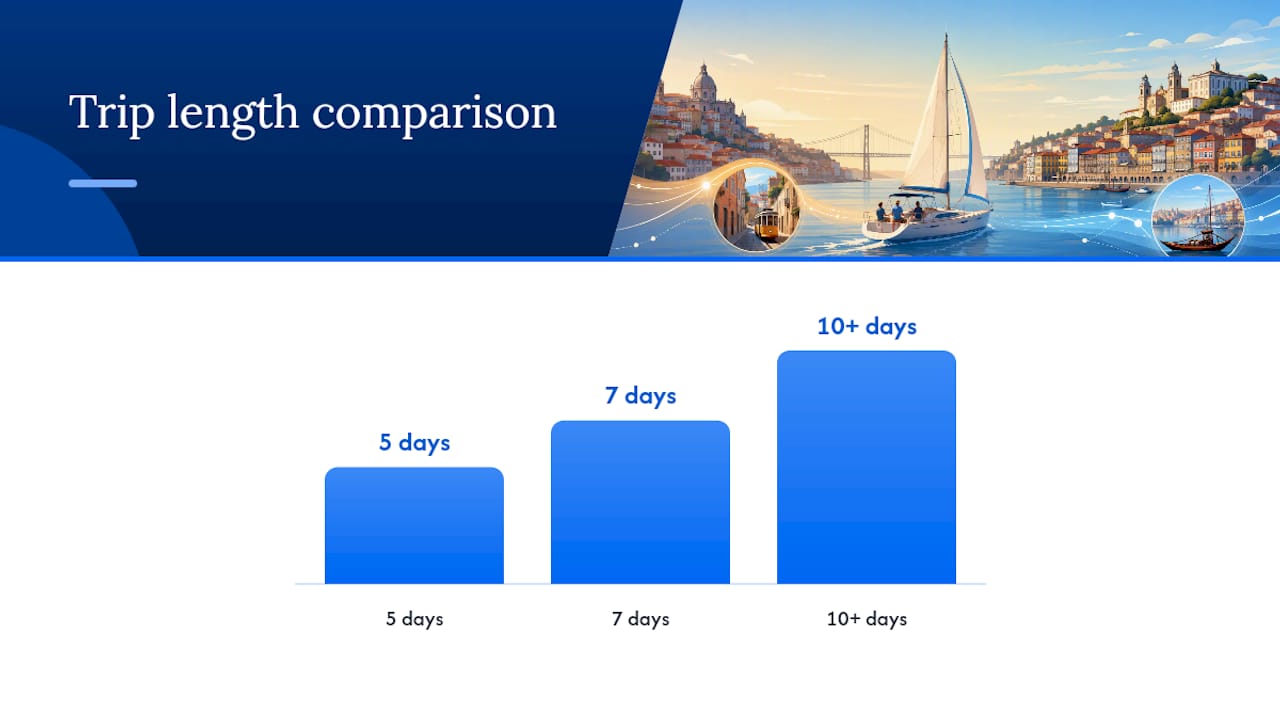
Seven days is the version most travelers land on for a Lisbon Porto itinerary, and for good reason. It gives you a full Sintra day without rushing the palace visits, plus either an extra Lisbon day (Belém museums, a boat afternoon on the Tagus) or a full day trip into the Douro Valley for the vineyards. Three days in Lisbon plus a Sintra day trip and two or three days in Porto is a widely recommended minimum for first-timers who want to feel each city’s rhythm rather than just check its boxes.
Ten days or more turns this from a highlights trip into a proper regional tour. That extra time is best spent on Douro Valley overnights, a detour to Coimbra between the two cities, or a slower Porto with day trips to Braga or Guimarães.
Match the length to what you actually want out of the trip:
5 days: best for travelers on a fixed vacation window who want both cities’ highlights without extra stops.
7 days: best for food and wine focused trips, since it fits a real Douro day or a lazier Sintra visit.
10+ days: best for travelers who want to add Coimbra, extend Douro into an overnight, or add a coastal stop like Cascais.
Sintra pairs cleanly with any itinerary length because it sits so close to Lisbon. The Douro Valley and Cascais are better suited to 7 days or longer, since squeezing either into a 5-day trip usually means cutting something else you wanted to see.
Your 5-Day Lisbon and Porto Itinerary, Day by Day
A comfortable 5-day split is 3 nights in Lisbon and 2 nights in Porto, with the train ride between them eating up less than three hours of a travel day. Here is how to sequence it so you are not backtracking across town twice a day.
Day 1, Lisbon arrival and Alfama. Check into your hotel by early afternoon, then walk Alfama’s steep lanes while the light is still good. Save dinner for a Fado house in the neighborhood, since the atmosphere is better after dark than the food alone would suggest.
Day 2, Belém and central Lisbon. Start early at the Jerónimos Monastery before tour buses arrive, grab a pastel de nata at the original bakery nearby, then spend the afternoon in Baixa and Chiado. Evening is a good slot for a Tagus sunset sail, since you have already covered the big walking sights.
Day 3, Sintra day trip. Catch the suburban train from Rossio station, which takes about 40 minutes each way. Head straight for Pena Palace first, since lines there build fast after mid-morning, then decide between Quinta da Regaleira or the Moorish Castle depending on how much walking your legs have left.
Day 4, transfer to Porto. Take a mid-morning Alfa Pendular, which typically gets you into Porto before lunch, leaving the tail end of your Lisbon morning free for one last stop, like the Tram 28 route or a market breakfast. Once in Porto, walk Ribeira along the river as the sun drops and cross into Vila Nova de Gaia for a port wine tasting.
Day 5, Porto highlights and departure. Spend the morning at São Bento train station for its tile murals, then the Clérigos Tower or a Livraria Lello alternative if the bookstore’s timed slots are sold out. Wrap with a final walk through the Ribeira riverfront before your flight or onward train.
Book Pena Palace and any Livraria Lello timed entry at least a week ahead in high season, since both sell out fast between May and September. Reserve your Alfa Pendular seat on Cp as soon as your dates are firm, since fares climb the closer you get to departure.
Pro Tip: Book an Uber or taxi for the uphill leg from Sintra station to Pena Palace instead of walking or waiting for the shuttle bus. It saves 20 to 30 minutes you can spend inside the palace grounds instead of standing in a queue.
The biggest mistake in a 5-day plan is trying to see Belém and Alfama on the same day. Both neighborhoods reward slow walking, and rushing between them means you experience neither one properly. Keep Sintra as a single, dedicated day rather than a half-day add-on. The palaces sit far enough apart, and the train back to Lisbon runs frequently enough, that trying to squeeze in an afternoon Lisbon activity after Sintra usually backfires.
Your 7-Day Lisbon and Porto Itinerary, Day by Day
A seven-day route commonly used puts three days in Lisbon, one of them a Sintra day trip, then a train transfer to Porto for three more days, with the extra day going to either the Douro Valley or a slower Lisbon.
Day 1, Lisbon arrival. Settle into your neighborhood, then ease in with a walk through Chiado and a sunset viewpoint like Miradouro de Santa Catarina.
Day 2, Belém. Cover the monastery, the tower, and the pastel de nata pilgrimage in the morning, then use the afternoon for the MAAT museum or a riverside walk before an early evening Tagus sail.
Day 3, Sintra. Take the 40-minute train from Rossio, visit Pena Palace first, then Quinta da Regaleira. If you are not rushing to Porto the next morning, stay for a late dinner in Sintra town before heading back.
Day 4, Alfama and a free morning. This is your buffer day. Use it for anything you missed, whether that is the LX Factory, a market lunch at Time Out Market, or simply sleeping in after four active days.
Day 5, transfer to Porto plus Ribeira evening. The Alfa Pendular ride runs about 2 hours 50 minutes. Arrive by early afternoon, check into your Porto hotel, and spend the evening walking Ribeira and crossing into Vila Nova de Gaia for a port wine lodge tour.
Day 6, Douro Valley day trip. Either take the regional train to Peso da Régua for vineyard views along the way, or book a short Douro cruise, which typically runs about 50 minutes and €18 to €20 depending on the pier and operator. Full-day guided tours cost considerably more but usually include lunch and a proper vineyard visit rather than just river views.
Day 7, Porto city highlights and departure. Spend the morning at São Bento station, the Clérigos Tower, and Livraria Lello if you booked ahead, then head to the airport or train station.
If you would rather skip the Douro entirely, swap Day 6 for a slower version of Porto: a walk across the Dom Luís I Bridge, a visit to the Serralves Museum, or a food tour through the Bolhão Market. Wine travelers should book their Douro vineyard tour at least two to three weeks ahead in peak season, since the better small-group tours fill up before the big bus operators do.
The pacing difference between 5 and 7 days shows up most in Sintra and Porto. With an extra day, you are not sprinting through Pena Palace to catch a train, and you get a full day in the Douro instead of a rushed afternoon squeezed between packing and checkout.
Should You Start in Lisbon or Porto?
Most itineraries run Lisbon to Porto rather than the reverse, and there is a real reason beyond habit. Lisbon holds more sightseeing density, so tackling it first when your energy is highest makes sense, leaving Porto’s smaller scale as a gentler finale rather than a letdown after a bigger city.
That said, starting in Porto works fine if your flights land there more conveniently, or if you would rather ease into the trip before hitting Lisbon’s bigger crowds and longer walking days. Reversing the order does not cost you anything logistically, since the train runs both directions on the same schedule.
Open-jaw flights (fly into Lisbon, out of Porto, or vice versa) cut out backtracking entirely and often cost close to the same as a round trip into one city.
Driving between the cities takes about 3 hours on the A1 motorway, which sounds efficient until you account for parking hassles in both historic centers.
The train beats driving for this specific route, since neither city center is car-friendly and rental fees plus tolls usually erase any time saved.
If your itinerary includes Cascais or the Douro Valley, an open-jaw ticket saves the most time, since you avoid returning to your starting airport just to fly home. Anyone driving should treat it as a scenic option for a single leg, not the default, given how little parking exists near either old town.
Trains, Tickets, and Getting Between Cities
The Alfa Pendular is the fastest and most comfortable way to move between the two cities, and it beats flying once you account for airport transfer and security time on a route this short.
A 2-hour 40 to 50-minute train ride connects Lisbon and Porto, with fares typically ranging from about €25 to €45 depending on how early you book and which class you choose. Reserve on cp.pt, Portugal’s national rail operator, as soon as your dates are set, since second-class seats in popular time slots sell out during summer and holiday weekends.
Board in Lisbon at Santa Apolónia or Oriente station, both connected to the metro.
Arrive in Porto at Campanhã station, then transfer three minutes by local train or a short taxi ride to São Bento in the historic center.
Buy a Viva Viagem card in Lisbon for metro, tram, and bus travel; load it with individual trips or a 24-hour pass depending on how much ground you plan to cover.
Porto uses the Andante card for its own metro and tram network, so budget a few euros for a second transit card once you arrive.
The Alfa Pendular is often the more efficient door-to-door option compared with flying once you add airport transit, check-in, and security to a one-hour flight. A mid-morning departure, roughly between 9:00 and 11:00 AM, typically lands you in Porto with enough of the afternoon left for Ribeira and a port wine tasting.
Where to Stay in Lisbon and Porto
Location matters more than usual in these two cities, since both are built on hills with narrow, cobbled streets that punish a bad hotel choice.
In Lisbon, Baixa and Chiado sit centrally and flat, ideal if you are hauling luggage or dislike hills. Alfama delivers the most atmosphere, all Fado bars and laundry lines, but expect stairs and cobblestones right up to your door. Príncipe Real suits travelers who want a quieter, more residential feel with good restaurants nearby.
In Porto, Ribeira puts you steps from the riverfront and the bridge views, though it gets loud and touristy at night. Cedofeita and Bonfim offer a calmer, more local base a short walk or tram ride from the center, usually at a lower nightly rate.
Pick Baixa or Chiado in Lisbon if you are traveling with a rolling suitcase and want elevator access.
Pick Alfama only if you are comfortable with stairs and want the neighborhood’s character over convenience.
Pick Ribeira in Porto for river views; pick Cedofeita for quieter nights and better value.
Confirm elevator access before booking anywhere in either city’s historic core, since many converted buildings simply do not have one.
Trading location for price makes sense once you are 15 minutes or less from the center by tram or metro, but rarely beyond that.
What This Trip Actually Costs
A realistic on-ground budget, excluding flights, runs roughly €1,400 to €1,950 for seven days, based on mid-range hotels, standard meals, and typical rail and attraction fees. A five-day version scales down proportionally, usually landing closer to €1,000 to €1,400 per person for the same style of trip.
Hotels: mid-range rooms run about €120 to €180 per night in both cities, with Porto often slightly cheaper than Lisbon for comparable quality.
Food: budget €40 to €60 per day if you mix casual lunches with one sit-down dinner, less if you lean on market stalls and bakeries.
Trains: the Lisbon to Porto Alfa Pendular runs €25 to €45 one way depending on booking window.
Attractions: Pena Palace, Livraria Lello, and short Douro cruises each run roughly €18 to €25 per person.
Two moves save real money without cutting corners on the experience. Book your Alfa Pendular ticket the moment your travel dates are locked, since prices climb steadily as departure gets closer. And build at least a few lunches around Time Out Market in Lisbon or the Bolhão Market in Porto, where a full meal often costs half of what a sit-down tourist restaurant charges for the same quality.
What to Pack and Practical Tips
Pack for hills before you pack for style. Both cities run on cobblestones and steep grades, so bring shoes with real grip, not fashion sneakers with flat soles. Layer for coastal weather that shifts fast, especially near the Tagus and Douro rivers where mornings run cooler than the afternoon sun suggests.
Comfortable, broken-in walking shoes with grip, not smooth-soled sneakers.
A light rain shell, since Porto sees more rain than Lisbon even in shoulder season.
Sun protection year round; the coastal light is stronger than it looks on a mild day.
A cross-body bag or money belt, since both cities see pickpocketing in crowded tram and metro cars.
Cards are widely accepted in restaurants and shops in both cities, though small cafés and market stalls sometimes prefer cash. Keep valuables zipped and out of back pockets on Lisbon’s Tram 28, a known pickpocket hotspot precisely because it is packed with distracted tourists.
Pro Tip: Download offline maps for both cities before you land. Cobbled alleys in Alfama and Ribeira routinely kill GPS signal, and losing your route on a steep hill in the heat is a bad way to spend twenty minutes.
Sintra or Douro: Which Day Trip Fits Your Itinerary?
Pick Sintra if you want palaces and a short train ride; pick the Douro Valley if you want wine country scenery and do not mind giving up a full day to get it.

Sintra sits about 40 minutes from Rossio station by suburban train, making it the easiest full day trip from Lisbon by a wide margin. Visit Pena Palace first, since its lines lengthen fast once tour buses arrive midmorning, then move to Quinta da Regaleira for its symbolism-heavy gardens and tunnels, and save the Moorish Castle for last if your legs and time allow. It fits into any itinerary length, five days included, without disrupting the rest of your schedule.
The Douro Valley is the better call for travelers with seven or more days who want wine country over another historic town. You have two realistic options from Porto: a regional train to Peso da Régua, which delivers scenic river views for the price of a normal ticket, or a short Douro river cruise, which runs about 50 minutes and costs €18 to €20 depending on the departure pier. Full-day guided tours with vineyard visits and lunch cost considerably more but deliver a fuller wine country experience than the river cruise alone.
Choose Sintra for palace architecture and a short, easy transfer.
Choose the Douro for vineyard scenery and a full-day, slower pace.
Sintra suits any trip length; the Douro needs seven days or more to feel worth the time investment.
Book Pena Palace tickets ahead in high season; Douro cruises can usually be booked the day before.
Fitting a Tagus Sail Into Your Lisbon Days
A 2-hour sail along the Tagus works best in one of two slots: your arrival evening, when you want orientation without another walking-heavy activity, or as a buffer after Belém, when your legs need a break but you still want to see more of the city.
Seeing Lisbon’s monuments from the water changes how the city reads. The Belém Tower, the 25 de Abril Bridge, and the waterfront palaces line up differently from a boat than they do from the sidewalk, and you cover in two hours what would otherwise take a long, hot walk along the riverfront.
Arrival evening: a sunset sail after checking into your hotel eases you into the trip without demanding a full day of walking.
Mid-morning Belém buffer: sandwich a 2-hour sail between the monastery visit and lunch, since it gives your feet a rest while still covering ground.
Private longer cruises, running from 2 hours up to a full day, work well for groups wanting a sunset cruise or a corporate outing rather than the standard daily sailing tour.
Book at least a day or two ahead in peak season, since daily sailing slots fill fast between June and September.
Pro Tip: Ask about weather contingency before you book. Most operators will reschedule a sail rather than cancel outright if wind or rain rolls in, so confirm that policy up front instead of assuming it.
Savor the Cities Instead of Ticking Boxes
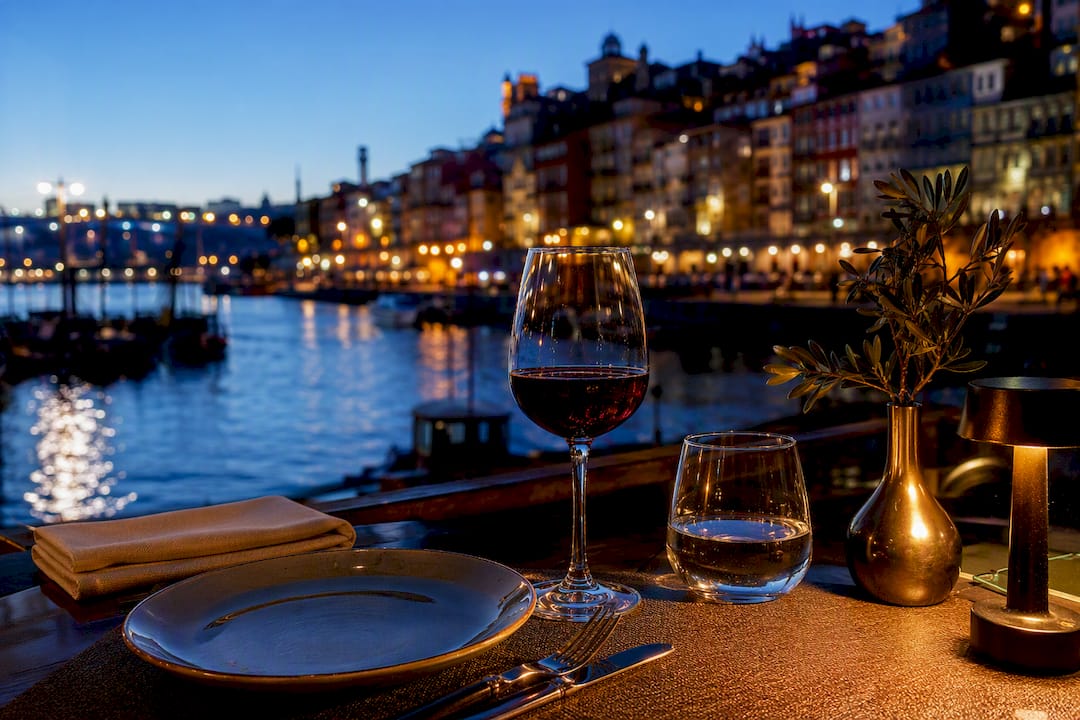
The instinct on a first Lisbon Porto trip is to cram in one more museum before dinner. Resist it. A slow evening in Ribeira with a glass of port, or a lingering dinner in Alfama after the Fado houses fill up, tells you more about these cities than a rushed final stop on a checklist ever will.
Build real buffer time between activities and meals. Both cities move slower than their maps suggest, and every itinerary I have seen fail did so from over-scheduling, not from missing an attraction.
If your schedule allows even one afternoon or evening on the water, take it. Seeing Lisbon from the Tagus reframes the entire trip, and it is the kind of detail travelers remember years later, long after the palace photos blur together.
— Lisbon
Book Your Lisbon Sail Before You Leave
A rushed itinerary does not have to mean a rushed view of the city. There are daily 2-hour sailing tours along the Tagus coastline with live guide commentary, plus private charters on sailing yachts and catamarans available from a couple of hours to a full day, with drinks and snacks included on every trip.
Slot a sail into whichever day already has breathing room, your arrival evening, a post-Belém afternoon, or a final morning before your train to Porto, and you get orientation and a break from walking in the same two hours. Groups planning a sunset outing or a celebration on the water can go further with a private charter built around the luxury yachts in Lisbon fleet, and if you are organizing a bachelorette celebration on your Lisbon leg, the bachelorette party boat option handles the group logistics for you. Check available dates now and lock in your slot before the itinerary fills around it.
Practical Booking and Planning Links
CP (Comboios de Portugal): official rail operator for booking Alfa Pendular tickets and checking live schedules.
Rick Steves’ Portugal itinerary: detailed day-by-day framing and budget references for the Lisbon Porto route.
The role of local cuisine in tourism: a guide to building meaningful food experiences into a travel itinerary, useful for planning market lunches and regional dinners.
Fitting a Tagus sail into your itinerary: a closer look at slotting a sailing tour into 5, 7, or 10-day plans.
Sources
FAQ
How Many Days Do You Need for Lisbon and Porto?
Five days covers the highlights with 3 nights in Lisbon and 2 in Porto; seven days is more comfortable and lets you add a full Sintra day or a Douro Valley trip without rushing either city.
Should I Visit Lisbon or Porto First?
Visit Lisbon first, since it holds more sightseeing density and rewards higher energy levels, then finish in Porto for a smaller, calmer close to the trip.
How Long Is the Train From Lisbon to Porto?
The Alfa Pendular takes about 2 hours 40 to 50 minutes, with fares typically running €25 to €45 depending on how far ahead you book on cp.pt.
Is Sintra or the Douro Valley Better as a Day Trip?
Sintra works for any itinerary length since it is a 40-minute train ride from Lisbon and centers on palace visits; the Douro Valley needs seven days or more and suits travelers prioritizing vineyard scenery over another historic town.
What Is a Realistic Budget for a 5 to 7 Day Trip?
A seven-day ground budget, excluding flights, typically runs €1,400 to €1,950 per person based on mid-range hotels, standard meals, and rail and attraction fees, with a five-day trip scaling down proportionally.
Where Does a Boat Tour Fit Into a Busy Itinerary?
A 2-hour Tagus sail fits best on your arrival evening or as a midday buffer after Belém, since it delivers a fresh view of Lisbon’s monuments without adding another heavy walking block to your day.
Recommended
Comments