

Historical Sights Along the Lisbon River: Top Landmarks
Updated: 6 days ago
TL;DR:
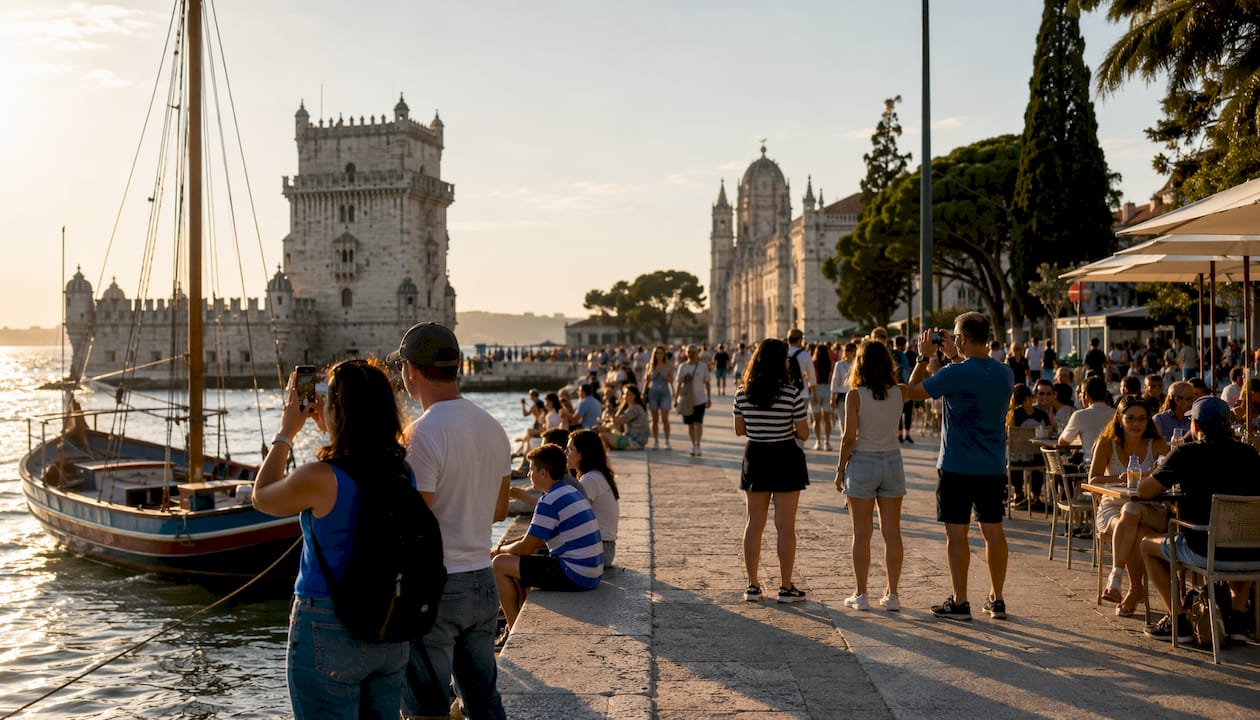
Lisbon’s riverfront features a rich collection of UNESCO-listed monuments linked to its Age of Discovery. Walking along the 2-kilometer circuit reveals landmarks like Belém Tower, Jerónimos Monastery, and Padrão dos Descobrimentos, which highlight Portugal’s maritime history. Visiting during golden hour or combining a waterfront walk with a river cruise enhances understanding of their original purpose and scale.
The historical sights along the Lisbon River define one of Europe’s most dramatic waterfronts, where the Tagus River served as the launchpad for the Age of Discovery. Belém Tower, Jerónimos Monastery, and Padrão dos Descobrimentos stand within a flat 2-kilometer waterfront walk, making Lisbon’s riverfront one of the most concentrated collections of UNESCO-listed maritime heritage anywhere in the world. This guide covers the top landmarks, the best ways to visit them, and the cultural context that turns a sightseeing trip into something you will actually remember.
1. What are the must-see historical sights along the Lisbon River?
The Lisbon riverfront holds a remarkable density of historic landmarks, most of them tied directly to Portugal’s 15th and 16th century maritime expansion. Each site rewards visitors who understand what they are looking at.
Belém Tower
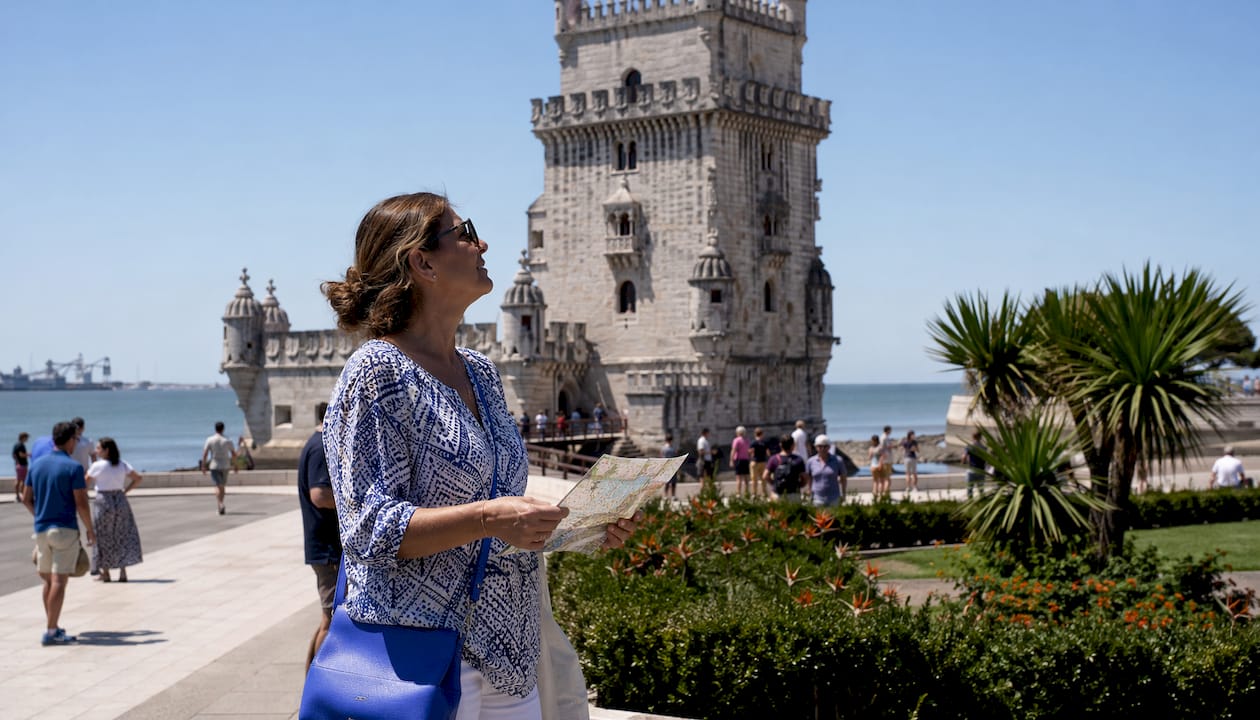
Belém Tower is the most recognized symbol of Lisbon’s Age of Discovery. Built in the early 16th century, it served as a ceremonial gateway for ships departing on voyages to Africa, India, and Brazil. The tower’s Manueline stonework, carved with maritime motifs like armillary spheres and twisted rope, reflects the wealth and ambition of that era. Belém Tower and Jerónimos Monastery were both inscribed as UNESCO World Heritage Sites in 1983. That designation confirms their global significance, not just their local appeal.
Key features:
Manueline Gothic architecture with maritime carvings
Riverside location on the north bank of the Tagus
Interior rooms open for guided visits
Panoramic terrace with river views
Pro Tip: Arrive before 10:00 AM to avoid the longest lines. The tower faces west, so morning light hits the facade directly and makes for cleaner photos.
Jerónimos Monastery
Jerónimos Monastery is the finest example of Manueline architecture in Portugal. Commissioned by King Manuel I in 1501 to celebrate Vasco da Gama’s return from India, it took over a century to complete. The cloisters are extraordinary: two stories of carved limestone with figures of saints, navigators, and exotic animals woven into the stonework. Vasco da Gama is buried inside the church. That single fact gives the building a weight that photographs cannot fully capture.
Key features:
Double-story Gothic cloister with Manueline detailing
Tomb of Vasco da Gama inside the church
Free entry to the church; paid entry to the cloister
Located 500 meters from Belém Tower
Padrão dos Descobrimentos
The Monument to the Discoveries, known in Portuguese as Padrão dos Descobrimentos, stands on the riverbank in Belém and commemorates the Portuguese explorers of the 15th and 16th centuries. The structure takes the shape of a caravel’s prow, with 33 historical figures carved along its sides. The rooftop viewpoint, accessible by lift, delivers panoramic views across the river and the Belém district. Visitors frequently combine it with Belém Tower and Jerónimos Monastery in a single walk, with no extra transportation needed.
Praça do Comércio
Praça do Comércio is Lisbon’s grand riverside square and the ceremonial entrance to the city. It opens directly onto the Tagus through a wide waterfront terrace, framed by yellow arcaded buildings and a triumphal arch at its northern end. The square replaced the Ribeira Palace, which was destroyed in the 1755 earthquake. Today it functions as a public gathering space, a transit hub, and one of the best spots in Lisbon to sit at the water’s edge.
São Jorge Castle
São Jorge Castle sits above the city on a hilltop and provides the most commanding view of the Tagus River estuary. It is not a riverfront site, but no list of historic landmarks in Lisbon is complete without it. The castle houses an archaeological site with remains dating from the 7th century BC through the 11th century, covering Phoenician, Roman, Visigothic, and Moorish occupation. The view from the ramparts connects the city’s medieval past to the river below.
2. How to best experience Lisbon’s riverfront landmarks
The most efficient way to visit Lisbon’s waterfront attractions is to treat Belém as a half-day circuit. The walk from Praça do Comércio to Belém takes roughly 30 minutes on foot along the riverside promenade, or 20 minutes by tram 15E.
Start at Praça do Comércio early in the morning, when the square is quiet and the light is soft.
Walk or take tram 15E west toward Belém.
Visit Jerónimos Monastery first, before tour groups arrive around 10:00 AM.
Walk 500 meters to Belém Tower along the waterfront path.
Stop at Padrão dos Descobrimentos for the rooftop view before heading back.
Pro Tip: Visit the Belém waterfront at golden hour, just before sunset. The low-angle light enriches the texture of the limestone monuments and turns the Tagus a deep copper color. It is the best time for photography and the most atmospheric time to simply sit by the river.
Autumn is the most underrated season for this circuit. Crowds thin out noticeably from october onward, temperatures stay comfortable, and the light quality improves. River cruises offer a completely different perspective on the same monuments. Seeing Belém Tower from the water, as arriving sailors once did, reframes the entire experience. Lisbonbyboat runs daily sailing tours along this stretch of the Tagus, with guides who explain the history of each monument as you pass.
3. What is the historical significance of Lisbon’s riverfront monuments?
Understanding the history behind each site transforms a visual tour into a cultural one. The Tagus River was not just a backdrop for these monuments. It was the reason they were built.
Belém Tower’s original island position is one of the most overlooked facts in Lisbon sightseeing. The tower was built on a small river island for defensive and maritime control purposes. Sediment accumulation over centuries connected it to the mainland, which is why visitors today walk directly to its entrance. That shift in geography changes how you read the building. It was designed to be approached by water.
Jerónimos Monastery and the Manueline style represent the peak of Portuguese imperial wealth. The Manueline architectural style, named after King Manuel I, fuses Gothic structure with maritime and naturalistic ornamentation. It exists almost nowhere outside Portugal, which makes the monastery a genuinely rare building type in global terms.
The 1755 earthquake reshaped Lisbon’s riverside more dramatically than any other event. The earthquake destroyed the Ribeira Palace and triggered a tsunami and fire that leveled the medieval waterfront. The reconstruction, led by the Marquis of Pombal, produced the grid-plan Pombaline downtown and Praça do Comércio. This explains why Lisbon’s riverside lacks the medieval royal architecture found in other European capitals.
Padrão dos Descobrimentos was built in 1960 to mark the 500th anniversary of the death of Henry the Navigator. It is a 20th century monument, but it commemorates a 15th century story. The compass rose inlaid on the plaza in front of it, a gift from South Africa, maps the routes of Portuguese exploration across the globe.
Parque das Nações provides a modern counterpoint to all of this history. Redeveloped for Expo '98, the district sits on the eastern waterfront and includes the Lisbon Oceanarium, the Vasco da Gama Tower, and riverside promenades. The contrast between Parque das Nações and Belém illustrates five centuries of Lisbon’s relationship with the Tagus.
4. Which viewpoints give the best perspectives on Lisbon’s river history?
The best panoramic viewpoints in Lisbon combine elevated position with historical context. Each one tells a different part of the city’s story.
São Jorge Castle ramparts: The highest and most historically layered viewpoint in the city. The castle’s archaeological site covers 18 centuries of occupation, and the view from the walls takes in the entire Tagus estuary. Visit in the late afternoon when the light falls across the river.
Padrão dos Descobrimentos rooftop: The lift takes you to a platform that looks directly down the Tagus toward the Atlantic. It is the closest you can get to the perspective of a departing navigator without getting on a boat.
Miradouro de Santa Catarina: A hilltop viewpoint above the Bica neighborhood with a wide view of the river and the 25 de Abril Bridge. Less visited than the castle, and worth the walk.
Parque das Nações promenade: The eastern waterfront offers a view of the Vasco da Gama Bridge, one of Europe’s longest bridges when it opened in 1998, framing the modern face of the city against the same river that launched the Age of Discovery.
Pro Tip: Reach São Jorge Castle by 9:00 AM on weekdays. The castle opens early, the tour groups arrive later, and the morning light across the Tagus is exceptional. You will have the ramparts largely to yourself for the first hour.
For travelers who want to combine viewpoints with on-the-water experience, Lisbonbyboat’s maritime landmarks tours connect the visual story of the riverfront with the physical sensation of being on the Tagus. Seeing the monuments from the water and from above, on the same day, gives you the fullest possible picture of Lisbon’s riverside history.
Key Takeaways
The historical sights along the Lisbon River form a connected circuit of maritime heritage, from Belém’s UNESCO monuments to São Jorge Castle’s medieval ramparts, best experienced by combining a waterfront walk with a river cruise.
Point | Details |
Belém is the core circuit | Belém Tower, Jerónimos Monastery, and Padrão dos Descobrimentos sit within a flat 2-kilometer walk. |
Golden hour transforms the visit | Visiting just before sunset improves photography and atmosphere at every riverside monument. |
The 1755 earthquake explains the architecture | The earthquake destroyed medieval Lisbon and produced the Pombaline riverside seen today. |
Belém Tower was built for water access | The tower originally stood on a river island; sediment connected it to the mainland over time. |
River views add essential context | Seeing the monuments from the Tagus reveals their original maritime purpose and scale. |
What the Tagus teaches you that the guidebooks don’t
Walking the Belém waterfront at golden hour is one of those experiences that stays with you. The light hits the limestone of Jerónimos Monastery at an angle that makes the carvings look three-dimensional, and the river turns colors you did not expect. No photograph I have seen does it justice.
The thing most visitors miss is the relationship between the monuments and the water. Belém Tower was built to be seen from a ship. Praça do Comércio was designed as a gateway for arriving merchants and diplomats. These buildings face the river because the river was the point. Walking past them on land gives you one perspective. Being on the Tagus gives you the one they were designed for.
I have found that combining a morning on foot through Belém with an afternoon on the water changes how people understand the city. The history clicks differently when you are looking back at the shore from a boat. Lisbonbyboat’s guides explain what you are seeing in real time, which adds a layer that no audio guide replicates.
For travelers staying near the riverfront, the best neighborhoods in Lisbon for accessing these sights are Belém, Santos, and Alfama. Each puts you within walking distance of at least one major landmark and within easy reach of the waterfront.
The monuments are extraordinary. The river that connects them is what makes Lisbon singular.
— Lisbon
See Lisbon’s riverfront from the water with Lisbonbyboat
The riverfront landmarks look different from the Tagus. Lisbonbyboat offers daily 2-hour sailing tours along Lisbon’s historical coastline, with expert guides who cover the story behind every monument you pass. Private cruises on sailing yachts and catamarans are available from 2 hours to a full day, giving you the flexibility to build the experience around your schedule.

For travelers who want the most complete view of Lisbon’s maritime heritage, a luxury yacht tour puts you on the water that made these monuments necessary. Explore the full range of Lisbon river tours and find the option that fits your visit.
FAQ
What are the top historical sights along the Lisbon River?
Belém Tower, Jerónimos Monastery, Padrão dos Descobrimentos, and Praça do Comércio are the four essential riverfront landmarks. São Jorge Castle, while set back from the water, provides the best elevated view of the Tagus.
Are Belém Tower and Jerónimos Monastery UNESCO World Heritage Sites?
Yes. Both were inscribed as UNESCO World Heritage Sites in 1983 in recognition of their significance to the Age of Discovery and maritime history.
What is the best time to visit Lisbon’s riverfront monuments?
Early morning on weekdays avoids the largest crowds, and golden hour just before sunset offers the best light for photography and atmosphere along the waterfront.
Can you see Lisbon’s historical landmarks from the river?
Yes. River tours along the Tagus pass directly in front of Belém Tower, Padrão dos Descobrimentos, and Praça do Comércio, offering the water-level perspective these monuments were originally designed to present.
How long does it take to walk the Belém monument circuit?
The walk linking Padrão dos Descobrimentos, Belém Tower, and Jerónimos Monastery covers roughly 2 kilometers of flat waterfront and takes 20–30 minutes without stops. Allow a half day to visit all three sites properly.
Recommended
Comments