

Save 3–7% on Currency in Lisbon: Use Multibanco and Charge in EUR
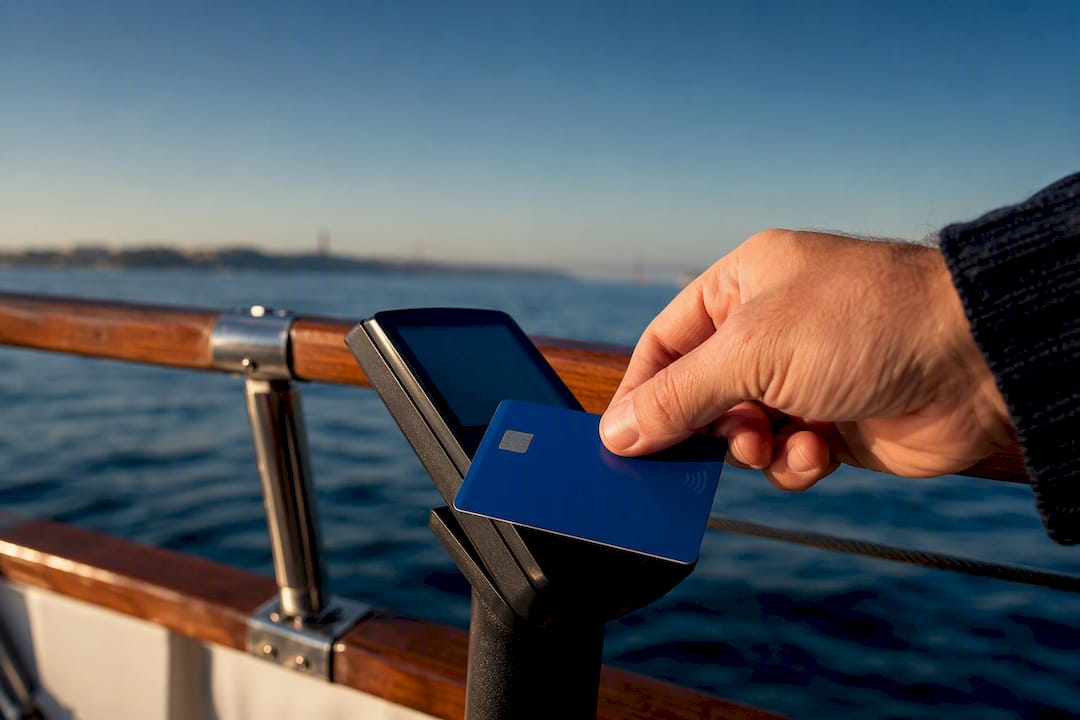
Lisbon uses the euro (EUR, €), and cards work almost everywhere, from taxis to tascas. The one habit worth building before you land: carry a small amount of cash in small bills for markets and kiosks, use a bank-affiliated Multibanco ATM instead of a currency kiosk, and always choose EUR when a card terminal asks which currency to charge.
TL;DR:
Most daily transactions in Lisbon are comfortably handled with €5 to €50 banknotes and coins, especially for small vendors and cafés.
Using Multibanco ATMs offers lower fees and better exchange rates than independent or airport machines; avoid high-cost currency kiosks.
Card payments and contactless methods are widely accepted, but always choose to be charged in euros to avoid poor currency conversion rates.
Preloading a travel card or using a no-foreign-fee credit card can save money on currency exchange, especially for larger amounts.
Carrying a moderate amount of cash for markets, small eateries, and tips is advisable, with a declaration required only for amounts exceeding €10,000.
Table of Contents
What euro banknotes and coins will you actually use in Lisbon?
Where do cards and contactless payments actually work in Lisbon?
Where should you exchange money, and is a travel card worth it?
How much cash do you need for markets, tascas, and small vendors?
What’s the cash limit for entering or leaving Portugal, and how do you stay safe?
What euro banknotes and coins will you actually use in Lisbon?
Portugal has used the euro since 1999, with coins and notes entering circulation in 2002, and the eurozone’s stability means you won’t run into the exchange volatility that trips up travelers in other regions. Banknotes run from €5 to €500, but you’ll rarely see the €200 or €500 bills. Most shops treat a €100 note with visible suspicion and some smaller vendors may not break it.
Here’s what actually circulates day to day:
Notes: €5, €10, €20, and €50 cover nearly every purchase you’ll make
Coins: 1, 2, 5, 10, 20, and 50 cents, plus €1 and €2 coins for smaller transactions
Keep a stash of €5s and €10s for cafés, taxis, and tram tickets. Vendors at small stalls often can’t make change for anything larger, and breaking a €50 for a €2 coffee is a fast way to annoy the barista.
Where do cards and contactless payments actually work in Lisbon?
Hotels, restaurants, museums, and tour operators across the city run on card payments, and contactless taps and mobile wallets like Apple Pay and Google Pay are standard at checkout counters, ticket machines, and even most taxis. You’ll rarely need to explain that you don’t carry cash.
The one thing that quietly drains your wallet is Dynamic Currency Conversion, or DCC. This happens when a card terminal or ATM offers to charge you in your home currency instead of euros. It sounds convenient, but the conversion rate baked into that offer typically runs 3% to 7% worse than what your card issuer would give you. Always select EUR when the screen asks.
Card acceptance is near universal in tourist areas, hotels, and restaurants
Contactless limits in Portugal are generous enough for most daily purchases
Mobile wallets work at the same terminals as physical cards
DCC prompts appear at both card terminals and ATMs, not just one or the other
Pro Tip: Before you travel, check whether your bank charges a foreign transaction fee. A card with no foreign fee saves you 1% to 3% on every single swipe, which adds up fast over a week in Lisbon.
Which ATMs should you use, and which should you avoid?
Not all cash machines in Lisbon are created equal, and picking the wrong one can cost you real money on every withdrawal.
Look for Multibanco. This is Portugal’s bank-affiliated ATM network, and it’s the standard recommendation for reliable, lower fees compared to independent machines. Multibanco terminals are everywhere, marked with a simple red and white logo, and tied directly to Portuguese banks.
Avoid the bright yellow independent machines. Brands like Euronet cluster around airports and tourist strips, and they routinely apply high withdrawal fees along with a poor exchange rate baked into the DCC prompt they’ll push on you.
Withdraw smaller amounts more often rather than pulling out a big lump sum. This limits your exposure if a card gets lost or skimmed, and it keeps you from carrying more cash than you need.
Check your home bank’s fee schedule before you leave. Some banks charge a flat international ATM fee regardless of amount, which changes the math on how often you should withdraw.
Decline any currency conversion offer at the ATM screen. Choose “without conversion” or “charge in EUR” every time.
Daily withdrawal limits vary by card issuer per transaction at Multibanco machines. Plan two or three withdrawals across your trip rather than a large one, and you’ll dodge both per-transaction fees and the temptation to carry too much cash at once.
Where should you exchange money, and is a travel card worth it?
Skip the airport currency counters; for useful advice on exchanging euros and avoiding high fees, see our guide to atsiskaityti eurais Turkijoje. They tend to be an expensive place to change money in Lisbon, often charging higher rates due to the convenience factor. The same goes for the storefront exchange kiosks along tourist-heavy streets.
The number that actually matters here is the mid-market rate, the real, no-markup baseline that banks use to trade currency with each other. Every exchange desk and kiosk prices its offer against that baseline, and the gap between their rate and the mid-market rate is where they make money. A “zero commission” sign at an airport kiosk usually just means the fee is hidden inside a worse rate rather than charged separately.
Banks and Banco de Portugal-authorized exchange offices tend to offer rates closer to the mid-market baseline
Airport kiosks and tourist-strip exchange counters routinely charge the widest margins
Travel cards from providers like Wise or Revolut let you lock in rates close to mid-market before you even land
Preloading a travel card before your trip makes sense if you’re changing more than a couple hundred euros, since the savings on the spread outweigh any setup hassle. For smaller amounts, a no-foreign-fee credit card and a Multibanco withdrawal on arrival cover you just fine.
How much cash do you need for markets, tascas, and small vendors?
Plan on carrying a moderate daily amount of cash. That covers a coffee and pastry at a neighborhood café, a market stall purchase, and a cash tip without forcing you to break a large note everywhere you go. Traditional tascas, small family-run restaurants, and street vendors often prefer cash, even when they technically accept cards, and paying in cash at these spots tends to speed things along.
Tipping in Portugal isn’t as rigid as in the US. Restaurants: rounding up the bill or leaving 5% to 10% is generous and appreciated. Taxis: rounding to the nearest euro works fine. Tour guides: a few euros per person is standard for a half-day outing. For more detail on the norms, our guide to tipping in Portugal breaks down examples by service type.
Keep a mix of €5 and €10 notes on hand for tascas and markets
Save coins for tips and small kiosk purchases
Break large notes at a bank or supermarket, not at a small vendor
What’s the cash limit for entering or leaving Portugal, and how do you stay safe?
If you’re carrying €10,000 or more in cash or equivalent when entering or leaving Portugal, you must declare it. Most travelers never come close to that figure, but it matters if you’re arriving with a large sum for a specific purpose.
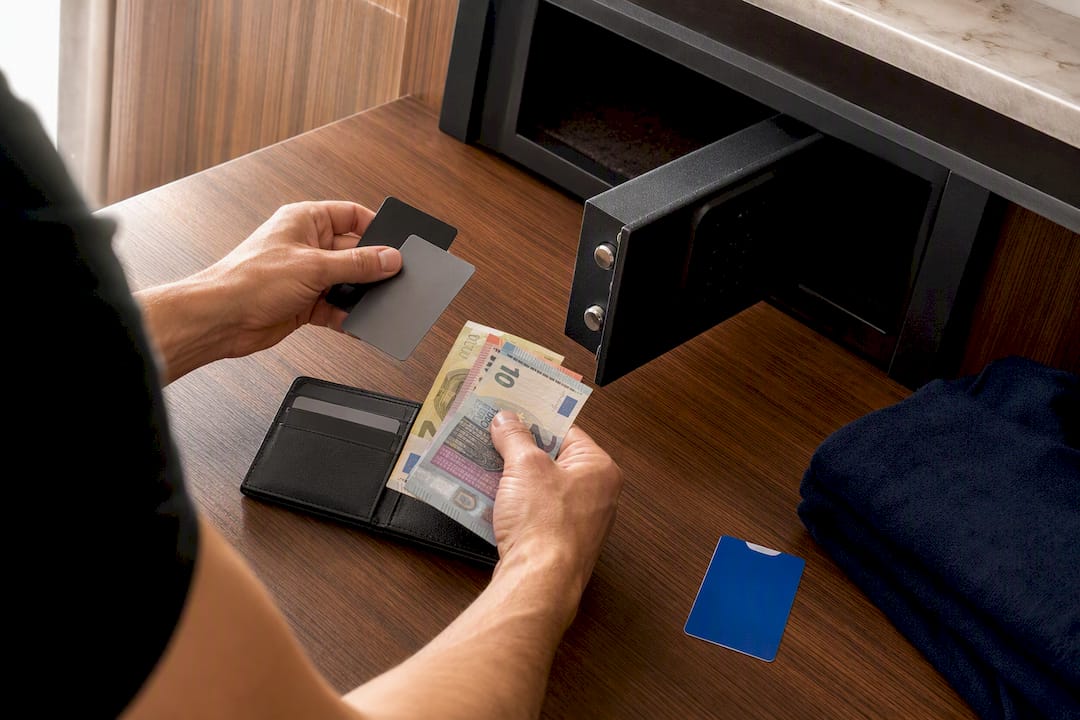
For everyday safety, split your cash and cards between a wallet and a hotel safe rather than carrying everything at once. Lisbon’s trams and busy squares, like Praça do Comércio, draw pickpockets who target distracted tourists. If a card goes missing, call your bank’s emergency line immediately to block it. Save that number, along with your hotel’s address, somewhere you can access it offline.
What should you do before and after you land in Lisbon?
A short checklist beats scrambling at the airport with a dead phone and a stack of unfamiliar bills.
Before you go: notify your bank of travel dates, confirm your card’s foreign transaction fee, preload a travel card if you plan to exchange a meaningful amount, and pack a backup card in case one gets lost or blocked.
On arrival: skip the airport exchange counter, find a Multibanco ATM in the terminal or nearby, and withdraw a modest amount to start.
Day to day: keep small notes and coins for tascas and markets, and default to contactless card or mobile wallet for everything else.
Our budget guide to Lisbon walks through sample daily costs if you want to plan spending beyond just currency logistics, and a quick read of basic Portuguese phrases makes asking “do you take cards?” a lot less awkward at the counter.
How does paying for a Lisbon boat tour actually work?
Booking a sailing tour or private charter is often a card transaction done online, well before you set foot on the dock. That part is simple. Where cash still helps is onboard: crew tips and the occasional snack or drink purchase during a longer charter tend to run smoother with a small amount of euros on hand, since not every informal onboard exchange goes through a card reader.
If you’re joining a sightseeing cruise along Lisbon’s coastline, pack a light envelope of cash for tips and treat your card as the default for the booking itself. It’s the same rhythm covered in our piece on discovering Lisbon by boat, and it applies whether you’re on a two-hour sightseeing run or a full-day charter.
— Lisbon
Ready to book your Lisbon sailing experience?
Skip the fumbling with cash mid booking. Reservations are typically made online by card, allowing you to secure your sunset cruise or private charter before you travel, avoiding exchange counters and bank lines.
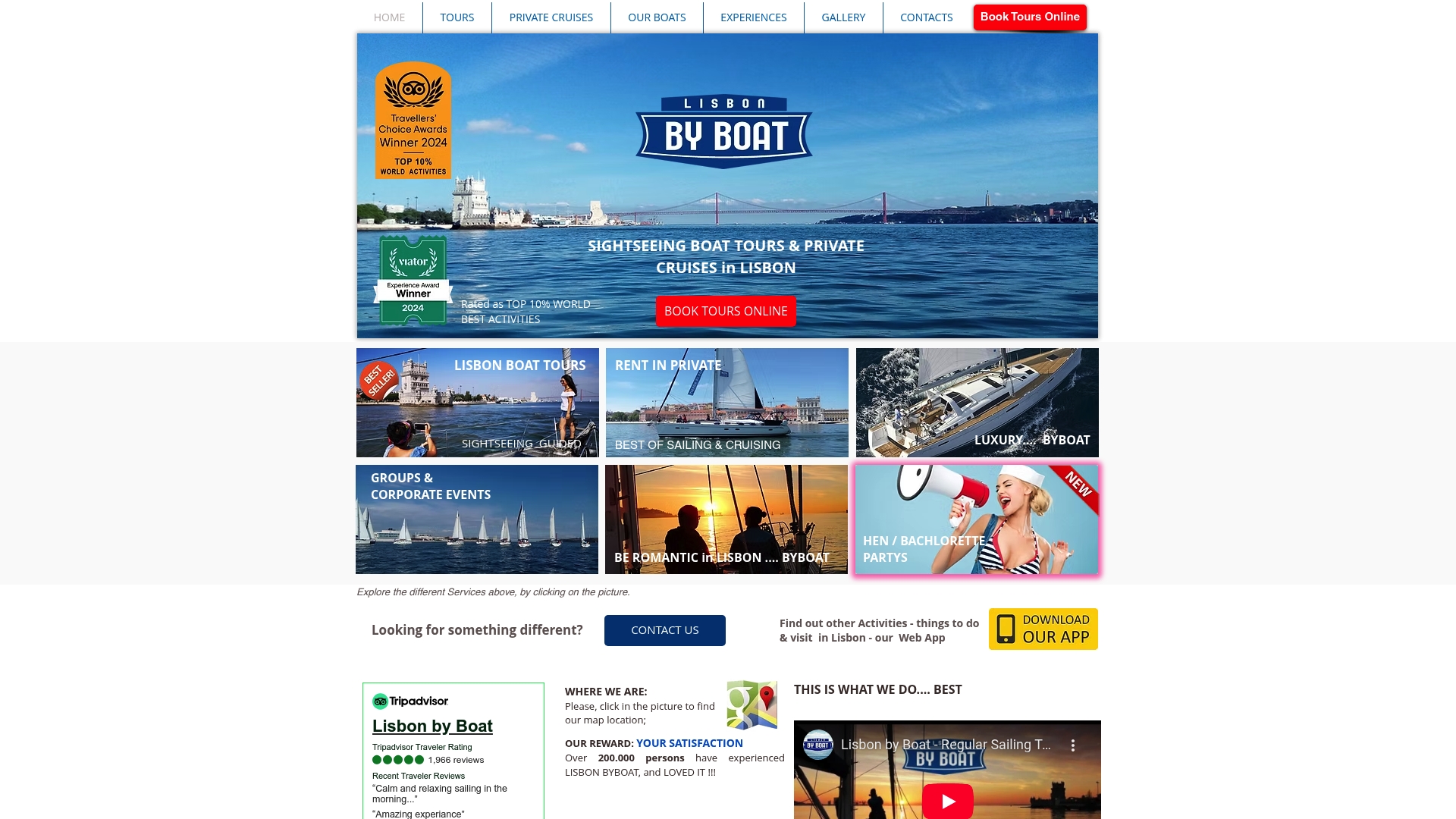
Whether you’re after a two-hour sightseeing sail past Belém’s monuments or a full-day private charter on a catamaran, the booking itself takes minutes. Bring a light stash of euros for onboard tips, and let the card handle the rest. Browse available dates and boats on our ByBoat Tours page, or check the luxury yacht charters if you’re planning something more private, and reserve your spot on the water today.
Where to check current rules and rates
Banco de Portugal for official banknote and coin exchange rules
Visit Lisboa for traveler-facing currency information
Travel for cash declaration and entry requirements
Wise for mid-market exchange rate guidance
Sources
Recommended
Comments