

Boat Safety Tips: Ensuring a Safe Lisbon Sail
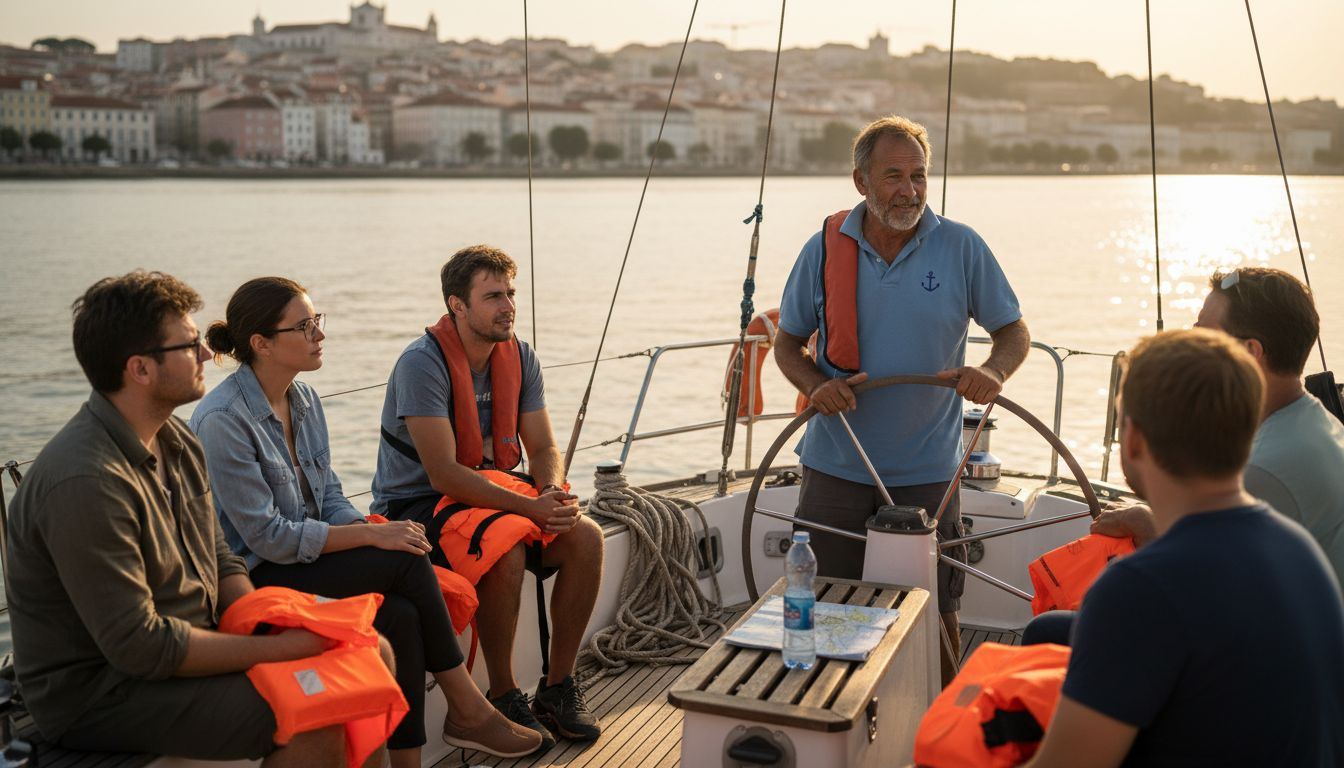
Most tourists underestimate the speed at which weather can change on the Lisbon coast, making boat safety a true priority. For European travelers used to different standards, understanding how american safety regulations influence Lisbon’s tours provides valuable peace of mind. This guide highlights practical boat safety basics, offering clear tips so you can enjoy the stunning Portuguese waters with confidence and security.
Table of Contents
Key Takeaways
Point | Details |
Understand Mandatory Safety Equipment | Ensure compliance with safety gear like life jackets, fire extinguishers, and communication devices before embarking on any boat tour. |
Emphasize Situational Awareness | Monitor weather changes and local maritime traffic patterns while onboard to enhance safety measures. |
Participate in Safety Briefings | Pay close attention during pre-departure safety instructions, asking questions to clarify any uncertainties about emergency protocols. |
Acknowledge Responsibilities of Crew and Passengers | Both crew and passengers share a role in ensuring safety; communicate effectively and adhere to guidance throughout the tour. |
Boat Safety Basics for Lisbon Tours
Sailing the beautiful waters around Lisbon requires understanding critical boat safety fundamentals. Whether you’re a first-time visitor or an experienced maritime enthusiast, knowing basic safety protocols can transform your nautical experience from potentially risky to genuinely enjoyable. Boating safety guidelines emphasize proactive preparation and situational awareness.
Every boat tour demands specific safety considerations. Participants should first understand mandatory equipment requirements. This includes having properly fitted life jackets for each passenger, functional communication devices, and appropriate visual distress signals. The US Coast Guard recommends having at least one Coast Guard-approved personal flotation device per person, ensuring they are easily accessible and in good condition. Additionally, tour operators should conduct pre-departure safety briefings explaining emergency procedures, location of safety equipment, and basic navigation rules.
Weather and water conditions in Lisbon can change rapidly, making situational awareness crucial. Experienced sailors recommend checking marine forecasts before departing, understanding local maritime traffic patterns, and maintaining constant communication with your vessel’s crew. Learning basic maritime hand signals, understanding navigation lights, and recognizing potential hazards like sudden wind shifts or unexpected wave patterns can significantly enhance your safety.
Pro tip: Always listen carefully during the pre-departure safety briefing and ask questions if you do not fully understand any instructions about safety procedures or equipment usage.
Types of Tours and Safety Practices
Lisbon offers a diverse range of boat tours that require specific safety considerations. Boat tour variations include private charters, sailboat experiences, and group excursions, each presenting unique safety challenges and protocols. Understanding these different tour types helps travelers prepare appropriately and select experiences that match their comfort and skill levels.
Private boat tours typically provide more personalized safety experiences. These intimate settings allow for closer interaction with guides, more detailed safety briefings, and greater flexibility in adapting to individual passenger needs. Group tours, by contrast, follow standardized safety protocols with larger passenger groups. These tours prioritize uniform safety measures like mandatory life jacket usage, emergency route explanations, and systematic passenger tracking.
Sailboat tours in Lisbon demand specific safety practices unique to sailing vessels. Participants should expect comprehensive safety orientations covering essential maritime skills like basic navigation, understanding wind patterns, and recognizing potential maritime hazards. Experienced tour operators will provide clear instructions on emergency procedures, proper movement around the vessel, and individual passenger responsibilities during different sailing conditions.
Pro tip: Before booking any boat tour, always confirm the exact safety equipment and emergency protocols specific to your chosen vessel type and tour experience.
Below is a quick comparison of tour types available in Lisbon and their typical safety practices:
Tour Type | Safety Briefing Depth | Passenger Tracking | Flexibility for Needs |
Private Charter | Detailed, personalized | Manual headcount | Highly adaptable |
Group Excursion | Standardized, less detailed | Systematic registration | Limited, follows fixed protocol |
Sailboat Tour | Maritime skill-focused | Often hands-on | Moderate, tailored to sailing |
Essential Onboard Equipment and Usage
Safety on Lisbon boat tours begins with comprehensive equipment preparation. Marine safety equipment represents the critical first line of defense for passengers and crew, encompassing more than just basic survival gear. Each piece of equipment serves a specific purpose in maintaining passenger security and enabling rapid emergency response.
Life jackets stand as the most fundamental safety item for any maritime journey. These are not optional accessories but mandatory safety devices that must be properly sized, easily accessible, and in excellent condition. Experienced tour operators will ensure Coast Guard-approved life jackets are available for every passenger, with clear instructions on proper wearing techniques. Additional critical equipment includes fire extinguishers, communication devices like VHF radios, signaling tools such as whistles and flares, and a comprehensive first-aid kit positioned for immediate access.
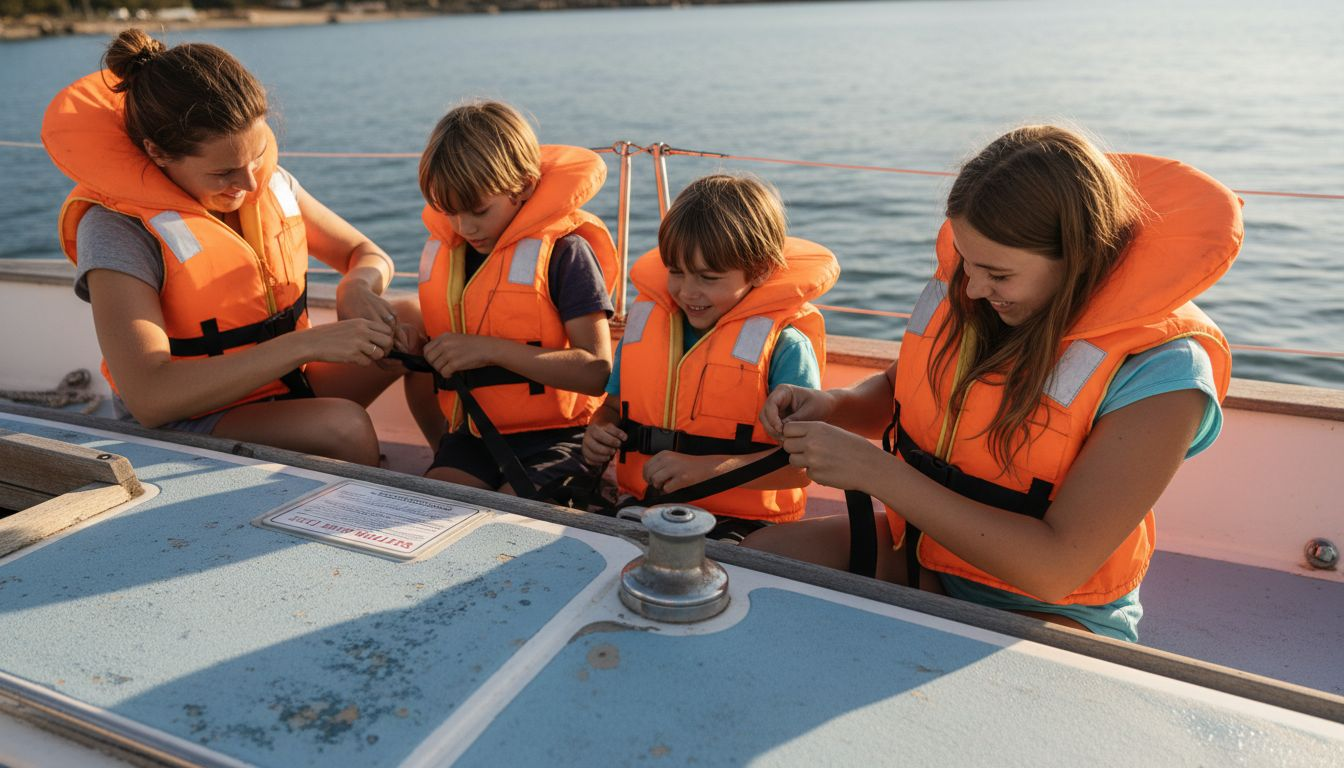
Preparing and maintaining onboard equipment requires systematic approach. Tour operators should conduct regular equipment inspections, checking expiration dates, structural integrity, and functional readiness of all safety devices. Passengers should pay attention during pre-departure safety briefings, learning the exact location and proper usage of each piece of safety equipment. Understanding how to quickly access and utilize these tools can make a significant difference in potential emergency situations.
Here’s a consolidated overview of essential onboard safety equipment and its key purpose for Lisbon boat tours:
Equipment Type | Purpose | Best Use Tip |
Life Jacket | Prevents drowning | Always wear, ensure proper fit |
VHF Radio | Emergency communication | Keep accessible and check battery |
Fire Extinguisher | Controls onboard fires | Know location and operation method |
Flares/Whistles | Signals for help | Use only in genuine emergencies |
First-Aid Kit | Addresses injuries | Ensure regular checks for completeness |
Pro tip: Always request a personal demonstration of safety equipment usage before your boat tour begins, ensuring you understand how to operate critical life-saving devices.
Responsibilities of Crew and Passengers
Safety on a boat tour is a collaborative effort that requires clear understanding of crew and passenger responsibilities. Each individual plays a critical role in maintaining a secure maritime environment, with specific expectations that ensure collective safety and smooth operational dynamics. The hierarchical structure of boat operations creates a system of interconnected responsibilities that demands mutual respect and active participation.
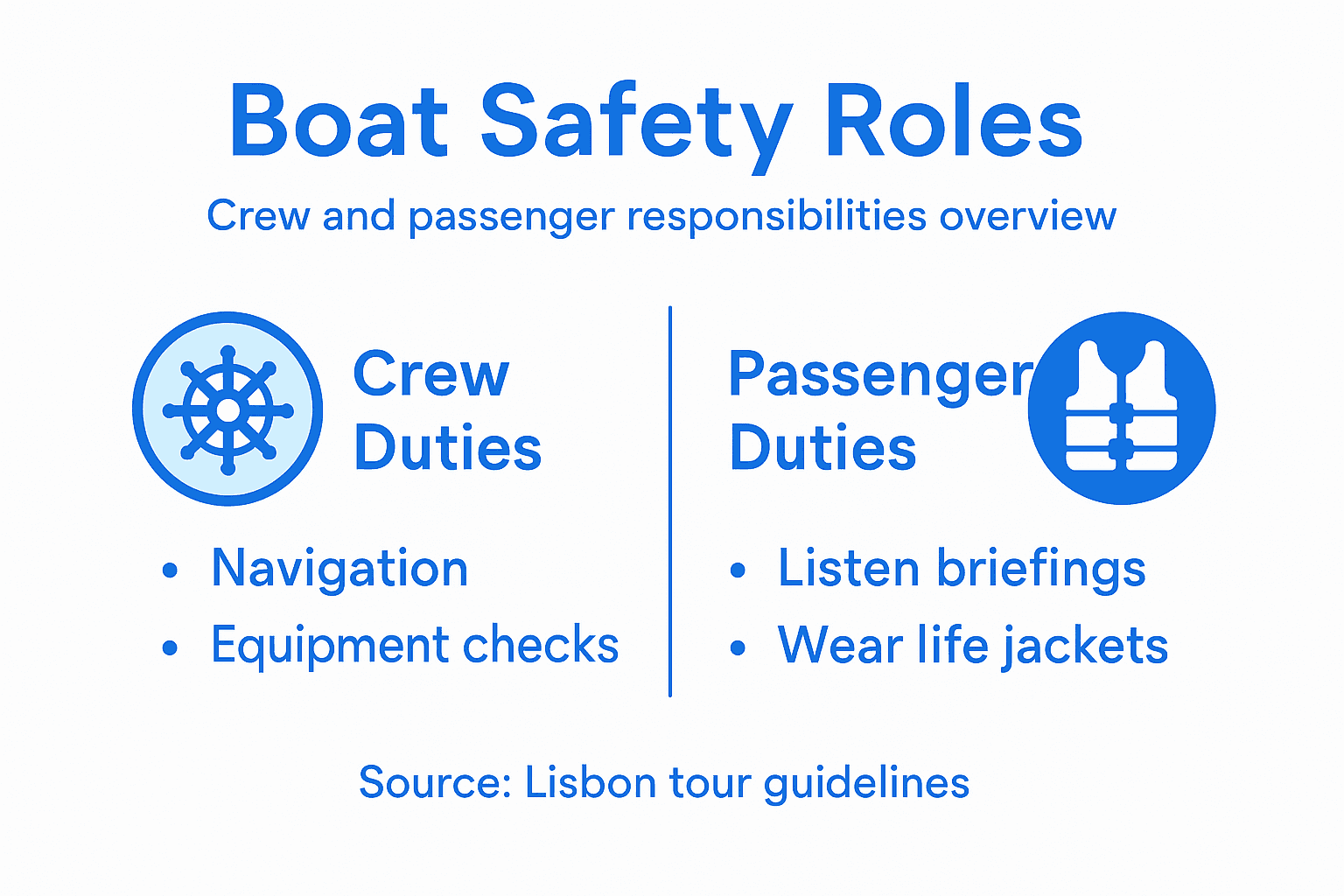
Crew members have primary safety accountability. The captain serves as the ultimate authority, responsible for vessel navigation, emergency decision-making, and overall passenger protection. Officers and deckhands support this mission by maintaining equipment, conducting safety briefings, and implementing emergency protocols. Their training enables rapid response to unexpected situations, from sudden weather changes to potential medical emergencies. Crew members must remain vigilant, continuously assessing environmental conditions and passenger needs while maintaining professional communication and calm demeanor.
Passengers equally share responsibility for their own safety and the collective well-being of everyone aboard. This includes listening attentively during safety instructions, wearing provided safety equipment correctly, and following crew directions without hesitation. Passengers should remain aware of their surroundings, report any potential hazards, and avoid behaviors that could compromise vessel stability or other passengers’ safety. Understanding and respecting maritime protocols transforms a simple boat tour into a secure and enjoyable experience for everyone involved.
Pro tip: Always establish direct eye contact with crew members during safety briefings to demonstrate your understanding and commitment to onboard safety guidelines.
Risks to Avoid While Sailing Lisbon
Lisbon’s maritime environment presents unique challenges that require careful navigation and awareness. Nautical travel safety demands understanding potential risks specific to the region’s coastal waters. The combination of historical maritime routes, variable weather conditions, and complex coastal geography creates a dynamic sailing environment that requires constant vigilance and proactive risk management.
Weather-related risks represent a significant concern for sailors in Lisbon. Sudden wind shifts, unexpected maritime fog, and rapid temperature changes can transform calm waters into challenging sailing conditions within minutes. Coastal areas near Lisbon often experience microclimates that create unpredictable wind patterns, particularly around the Tagus River estuary and near coastal cliff formations. Sailors must remain continuously alert to changing meteorological conditions, maintaining close communication with local maritime authorities and monitoring real-time weather updates.
Navigation challenges pose another critical risk factor in Lisbon’s waters. The region’s complex coastal topography includes rocky outcroppings, shallow areas, and maritime traffic zones that demand exceptional situational awareness. Underwater currents, particularly around the Lisbon coast and near historical port areas, can create subtle but significant navigation challenges. Inexperienced sailors might encounter unexpected maritime obstacles, including submerged rock formations, fishing equipment, and variable current patterns that require precise maneuvering and advanced nautical skills.
Pro tip: Always check multiple weather sources and maritime navigation reports before departing, and maintain flexible sailing plans that can be adjusted quickly in response to changing conditions.
Experience Safe and Unforgettable Sailing Tours in Lisbon
Navigating the stunning coastal waters of Lisbon requires more than just enthusiasm it demands true attention to boat safety fundamentals like wearing life jackets, understanding emergency protocols, and staying alert to changing weather conditions. At Lisbon By Boat, we understand the importance of your safety and peace of mind during every sailing adventure. Our experienced guides provide detailed safety briefings and ensure all essential equipment is in place so you can fully enjoy the beauty and history of Lisbon’s coastline without worry.
Choose from our private sailing yacht or catamaran tours or join one of our expertly managed group excursions and benefit from personalized safety instructions along with unforgettable views. Don’t wait until last minute safety concerns impact your trip. Visit https://lisbonbyboat.com now to discover how we blend exceptional safety standards with remarkable tour experiences. Book your safe sailing tour today and embrace Lisbon’s waters with confidence.
Frequently Asked Questions
What are the essential safety equipment required on a boat in Lisbon?
Essential safety equipment includes life jackets for each passenger, fire extinguishers, VHF radios for communication, flares or whistles for signaling distress, and a comprehensive first-aid kit. Each item serves a specific purpose in ensuring the safety and protection of all onboard.
How should life jackets be used properly during a boat tour?
Life jackets must be worn correctly, fitting snugly and comfortably while remaining easily accessible. Passengers should pay attention during safety briefings to learn how to don life jackets properly to ensure maximum protection in case of an emergency.
What should passengers do to ensure their own safety on a boat tour?
Passengers should listen attentively during safety briefings, wear life jackets as instructed, follow the crew’s directions, remain aware of their surroundings, and report any hazards to crew members. Active participation in safety protocols is crucial for collective well-being.
How can I prepare for sudden weather changes while sailing in Lisbon?
It’s important to check multiple weather forecasts and marine conditions before setting sail. Passengers should remain in constant communication with the crew and be ready to adjust sailing plans based on real-time weather updates to ensure safety during unexpected conditions.
Recommended
Comments