

Boat Safety Guidelines: Ensuring a Secure Lisbon Voyage
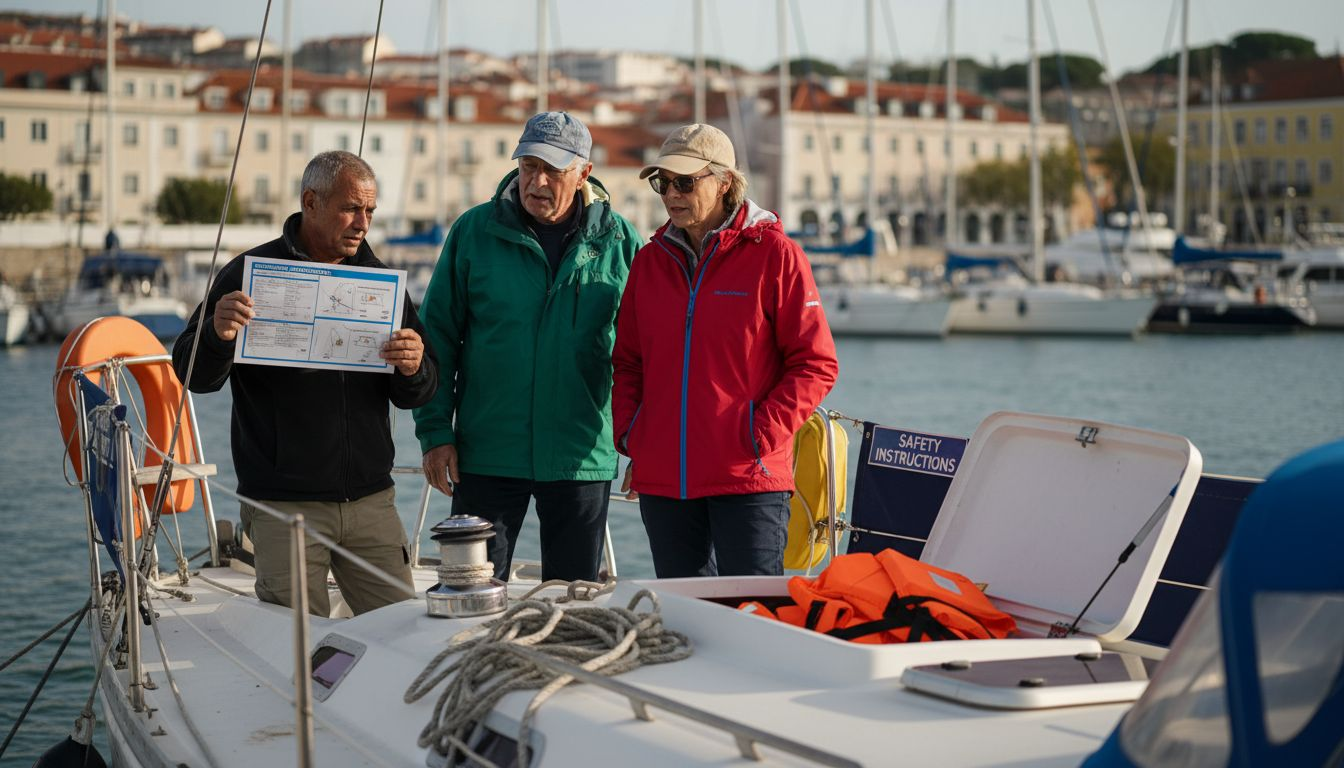
Every traveler wants their Lisbon sailing adventure to be safe, memorable, and stress-free, especially when exploring with family or friends. As you plan to discover the city’s famous coastline and historical gems from the comfort of a boat, understanding boat safety guidelines becomes your first step toward a secure experience. This overview will help you identify the right safety protocols so you can focus on enjoying Lisbon’s breathtaking river views with total peace of mind.
Table of Contents
Key Takeaways
Point | Details |
Understanding Safety Protocols | Tourists must be aware of essential safety guidelines, including personal safety equipment and emergency communication devices, before any maritime adventure. |
Pre-Trip Preparation | Thoroughly check weather forecasts, boat capacity, and ensure all passengers receive safety briefings to mitigate risks during the excursion. |
Familiarity with Equipment | Passengers should understand how to correctly use life jackets and other emergency equipment, ensuring preparation for any unexpected incidents. |
Legal Compliance | Boat operators must adhere to local and international regulations, including safety certifications and wildlife interaction guidelines, to ensure a safe environment for all. |
Defining Boat Safety Guidelines for Tourists
Boat safety isn’t just a recommendation - it’s a critical requirement for any maritime adventure in Lisbon. Tourists exploring the stunning coastline must understand fundamental safety protocols that protect themselves and fellow passengers. Safety guidelines from marine authorities emphasize comprehensive preparation and risk awareness before embarking on any nautical journey.
Effective boat safety involves multiple interconnected components. Tourists should first understand personal safety equipment requirements, which typically include well-fitted life jackets, proper footwear, and protective clothing appropriate for maritime conditions. Emergency communication devices like waterproof mobile phones or marine radio units are crucial for quick response in unexpected situations. Understanding basic maritime navigation rules and local water conditions around Lisbon’s coastline helps prevent potential risks.
Risk mitigation starts with thorough pre-trip preparation. This means checking weather forecasts, understanding boat capacity limits, and ensuring all passengers receive a comprehensive safety briefing before departure. Boating safety protocols recommend designated safety personnel who can guide tourists through emergency procedures, demonstrate proper life jacket usage, and explain evacuation strategies. Knowledge of potential maritime hazards - including sudden weather changes, maritime traffic, and local current patterns - forms the foundation of a secure sailing experience.
Pro tip: Always verify that your boat’s safety equipment is current, functional, and meets international maritime standards before boarding any vessel in Lisbon.
Types of Boats and Key Safety Features
Lisbon’s maritime landscape offers tourists diverse boat experiences, each with unique safety considerations. Sailboats, catamarans, and motor yachts populate the city’s coastal waters, requiring specific safety protocols tailored to their design and operational characteristics. Different boat safety features help travelers understand the critical equipment and precautions needed for a secure maritime adventure.
Sailboats demand particular attention to rigging safety, wind conditions, and precise navigation skills. Tourists should recognize that these vessels require advanced knowledge of maritime rules, wind patterns, and sail management techniques. Life jackets, safety harnesses, and emergency communication devices are non-negotiable safety components. Motor yachts, in contrast, offer more stability but necessitate understanding engine room safety, fuel management, and electrical system protocols. Catamarans provide additional stability with their dual-hull design, making them popular among tourists seeking a balanced maritime experience.
Boat safety equipment transcends vessel type. Boat safety certification standards mandate specific safety equipment across all boat categories. Essential safety features include fire extinguishers, first aid kits, emergency signaling devices, and navigation lights. Tourists must verify that their chosen vessel meets international maritime safety regulations, with particular attention to life-saving equipment, emergency communication tools, and onboard safety systems. Understanding the specific safety requirements for different boat types helps travelers make informed decisions and mitigate potential maritime risks.
Here’s a quick comparison of boat types and their primary safety considerations for Lisbon’s waters:
Boat Type | Main Safety Considerations | Common Passengers |
Sailboat | Rigging checks, wind awareness | Experienced sailors |
Motor Yacht | Engine safety, fuel management | Families, tourists |
Catamaran | Weight distribution, dual-hull checks | Groups, beginners |
Pro tip: Always request a comprehensive safety briefing specific to the boat type before embarking on your Lisbon maritime adventure.
Essential Safety Equipment and Usage Tips
Safety equipment forms the critical backbone of any maritime adventure in Lisbon, with specific gear designed to protect tourists from potential maritime risks. Comprehensive boating safety requirements mandate a strategic approach to selecting and maintaining essential safety equipment that can mean the difference between a routine voyage and a potential emergency.
The core safety equipment for maritime tours includes life jackets, communication devices, and emergency signaling tools. Life jackets must be appropriately sized for each passenger, with adjustable straps and proper buoyancy ratings. VHF marine radios provide crucial communication channels with coastal authorities and nearby vessels, while emergency signaling devices like flares, whistles, and emergency position-indicating radio beacons (EPIRBs) can alert rescue teams during critical situations. Waterproof first aid kits, fire extinguishers, and emergency repair tools should be strategically placed and easily accessible to all passengers.
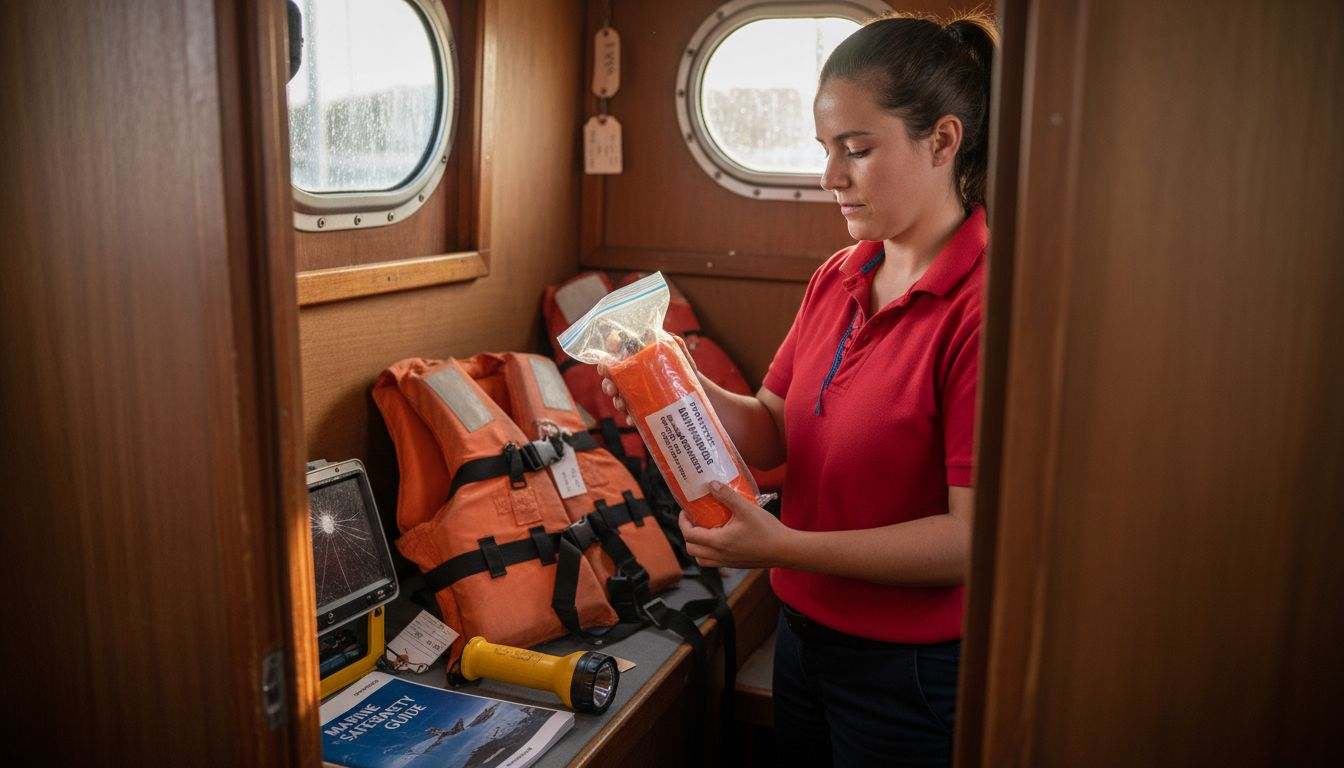
Safe boating equipment guidelines emphasize the importance of not just having safety equipment, but understanding its proper usage. Tourists should receive comprehensive instructions on how to wear life jackets correctly, operate marine communication devices, and use emergency signaling equipment. Regular equipment checks before departure, including verifying expiration dates, functional batteries, and overall equipment condition, are essential for maintaining a safe maritime environment. Understanding the location and proper deployment of each safety item can significantly reduce response time during unexpected maritime incidents.
Below is a summary of essential safety equipment and its purpose:
Equipment | Primary Purpose | Key Usage Tip |
Life Jacket | Keeps wearer afloat | Ensure proper fit and straps |
VHF Marine Radio | Emergency communication | Test before departure |
Emergency Position Beacon (EPIRB) | Sends location to rescuers | Register and check batteries |
Signaling Flares | Visual distress signal | Locate away from fuel stores |
First Aid Kit | Treats minor injuries quickly | Store in dry, accessible spot |
Pro tip: Conduct a personal safety equipment check before boarding, ensuring your life jacket fits correctly and you understand how to use all emergency devices.
Legal Safety Regulations for Lisbon Waters
Navigating Lisbon’s maritime environment requires a comprehensive understanding of local and international legal safety regulations that govern boating activities. Boating safety compliance measures emphasize the critical importance of understanding and adhering to established maritime laws designed to protect both passengers and marine ecosystems.
Lisbon’s maritime regulations encompass several key legal requirements for boat operators and tourists. Vessels must meet stringent safety certification standards, including mandatory safety equipment inspections, crew qualification requirements, and passenger capacity limitations. Operators are legally obligated to maintain up-to-date safety documentation, ensure proper crew training, and comply with navigation rules specific to Lisbon’s coastal waters. These regulations cover critical aspects such as maximum passenger capacity, required safety equipment, communication protocols, and environmental protection guidelines.
Marine wildlife interaction guidelines play a crucial role in defining legal boundaries for maritime activities. Boat operators must maintain specific distances from marine wildlife, adhere to speed restrictions in protected areas, and minimize environmental disruption. Legal requirements extend beyond passenger safety to include environmental conservation, with strict penalties for violations. Tourists should understand that these regulations are not merely bureaucratic requirements but essential measures designed to protect both human lives and the delicate marine ecosystem surrounding Lisbon.
Pro tip: Always request and review the boat’s current safety certification and legal compliance documentation before embarking on your maritime adventure.
Passenger and Crew Responsibilities Onboard
Ensuring maritime safety requires active participation and clear understanding of responsibilities from both passengers and crew members during a Lisbon boat tour. Marine safety guidelines emphasize the critical importance of shared accountability in maintaining a secure maritime environment.
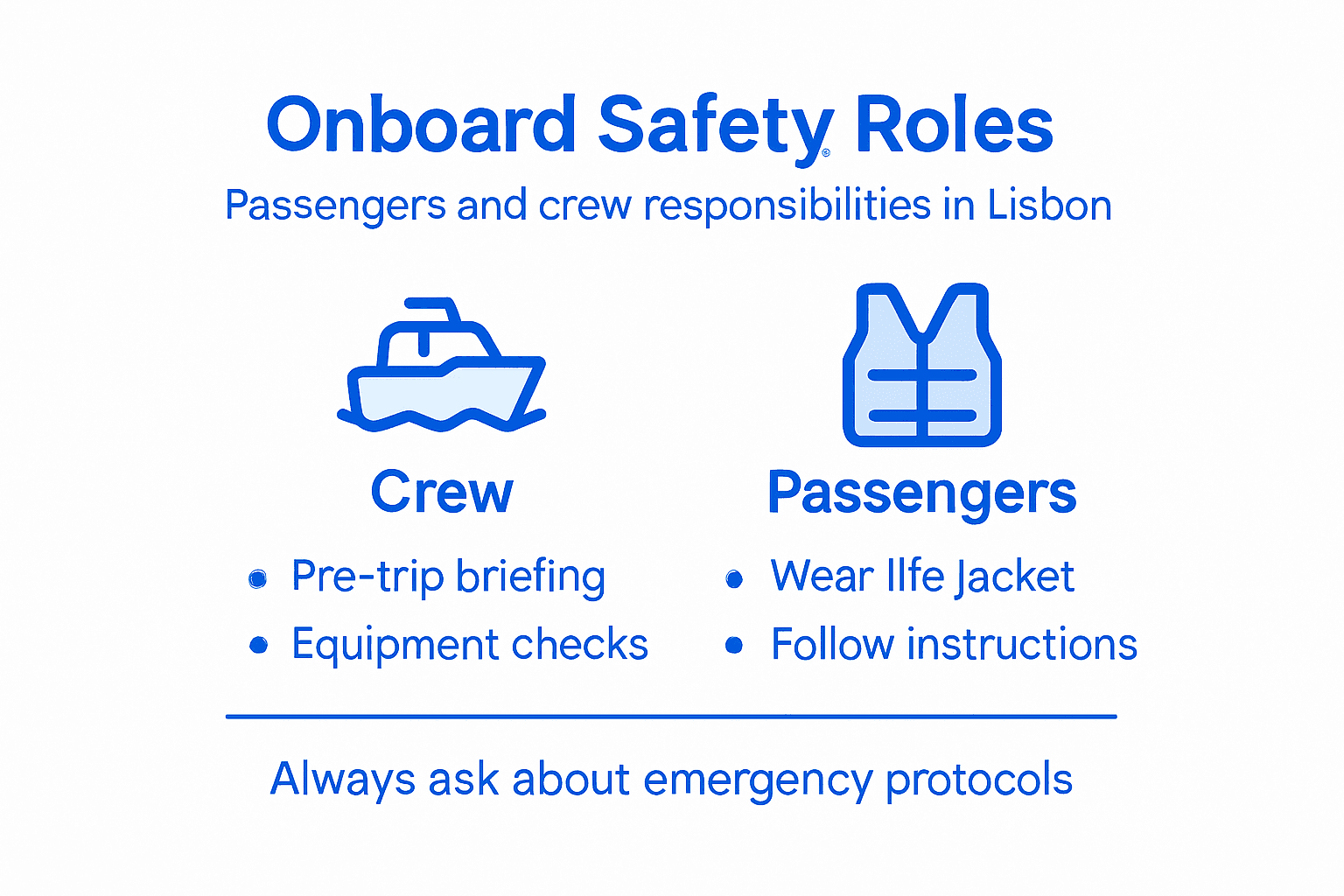
Crew members bear primary responsibility for vessel safety, which includes conducting comprehensive pre-departure safety briefings, ensuring all safety equipment is accessible and functional, and maintaining constant situational awareness. Passengers must actively engage in these safety protocols by listening carefully to instructions, asking questions when uncertain, and following crew guidance without hesitation. Key passenger responsibilities include wearing provided safety gear correctly, remaining seated during vessel movement, avoiding distracting behaviors, and promptly reporting any unusual observations or potential safety concerns to the crew.
Boating safety protocols highlight the importance of understanding individual roles in emergency scenarios. Passengers should familiarize themselves with emergency exit locations, life jacket storage areas, and basic evacuation procedures. Crew members must be trained to manage diverse passenger groups, communicate clearly in multiple languages, and rapidly respond to potential maritime emergencies. This mutual understanding creates a collaborative safety environment that minimizes risks and ensures a secure maritime experience for everyone onboard.
Pro tip: Actively participate in the pre-departure safety briefing and ask crew members to clarify any safety instructions you do not fully understand.
Common Boat Safety Mistakes to Avoid
Boating in Lisbon’s beautiful waters requires vigilant awareness of potential safety pitfalls that can transform a pleasant maritime experience into a dangerous situation. Boating safety recommendations consistently highlight human error as the primary cause of maritime incidents, emphasizing the critical need for proactive risk prevention.
Some of the most common boat safety mistakes include neglecting proper life jacket usage, failing to check weather conditions, and underestimating the importance of pre-departure safety briefings. Tourists often make the error of assuming maritime experiences are inherently safe, leading to complacency about critical safety protocols. Ignoring crew instructions, consuming alcohol onboard, moving around the vessel during navigation, and failing to understand basic maritime communication signals represent significant risks that can compromise passenger safety.
Safety error prevention strategies recommend comprehensive preparation and continuous situational awareness. Inexperienced passengers frequently overlook essential safety checks, such as verifying the functionality of emergency equipment, understanding vessel-specific evacuation procedures, and maintaining clear communication channels with crew members. Additional mistakes include overloading the vessel, disregarding weight distribution guidelines, and failing to account for changing maritime conditions that can rapidly alter vessel stability and passenger safety.
Pro tip: Always maintain a safety-first mindset and treat every boat instruction as a critical guideline for your personal protection.
Discover Safe and Unforgettable Sailing Experiences in Lisbon
Boat safety is not just a set of rules but a vital part of enjoying Lisbon’s breathtaking coastline without worry. The challenges of understanding safety equipment, legal regulations, and passenger responsibilities can overwhelm tourists eager to explore the waters. At Lisbon By Boat, we solve these concerns by providing fully certified vessels staffed with experienced guides who prioritize your safety while showcasing the city’s historic sights.
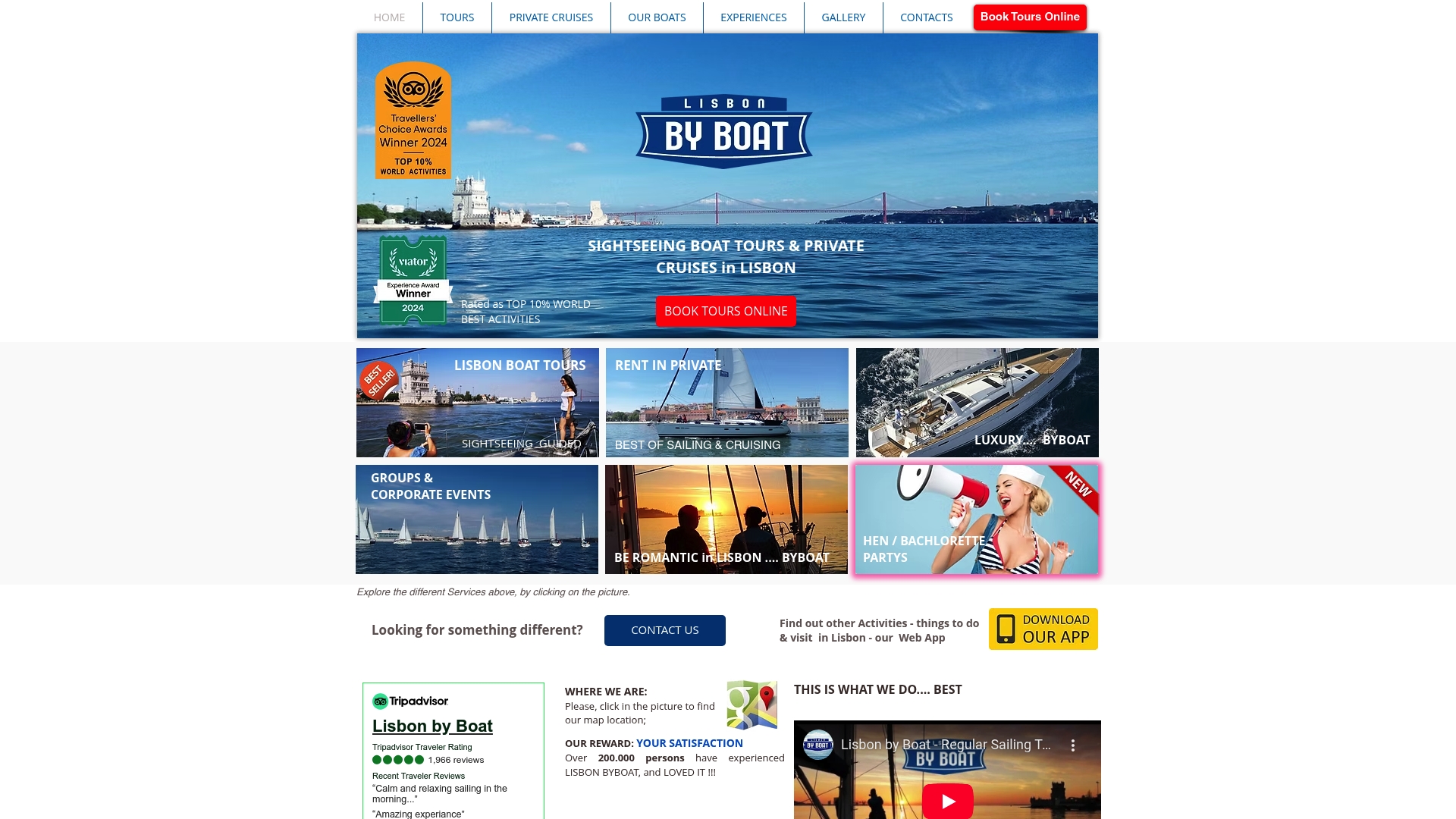
Book a 2-hour sailing tour or a private cruise on carefully maintained sailing yachts or catamarans, where every detail from life jackets to emergency communication devices meets stringent safety standards. Enjoy peace of mind knowing our crews conduct comprehensive safety briefings and ensure all maritime laws are respected. Don’t wait until your next adventure; secure your spot now with Lisbon By Boat and experience a safe voyage infused with wonder and discovery. Learn more about our commitment to boat safety guidelines and join us for a secure and memorable maritime journey.
Frequently Asked Questions
What safety equipment is essential for a boat trip?
Essential safety equipment includes life jackets, communication devices (like VHF marine radios), emergency signaling tools (such as flares and EPIRBs), first aid kits, and fire extinguishers. Ensure all equipment is functional and accessible.
How can I ensure my life jacket is properly fitted?
Your life jacket should fit snugly, with adjustable straps ensuring it stays securely in place. It should have the appropriate buoyancy rating for your weight and be free of any damages or wear.
What should I do to prepare for unexpected weather while boating?
Always check weather forecasts before departure and have a plan in place. Be aware of local weather patterns, and ensure you know how to safely navigate back if conditions deteriorate.
What are the responsibilities of passengers during a boat trip?
Passengers must actively participate in safety protocols, listen to crew instructions, wear life jackets when required, remain seated during movement, and report any safety concerns to the crew.
Recommended
Mình thường chọn những khu vực khác nhau rõ về trải nghiệm để xem SHBET duy trì cấu trúc chung ra sao. Điều mình muốn kiểm tra là mỗi danh mục có thể giữ đặc điểm riêng mà mình vẫn sử dụng cùng một cách định hướng hay không. Mình bắt đầu với đá gà, sau đó chuyển sang xổ số rồi casino. Các nhóm đều được bố trí riêng nhưng vẫn nằm trong hệ thống menu chung khá rõ. Khi muốn quay lại đá gà, mình không phải ghi nhớ thêm một đường thao tác khác. Với mình, cách tổ chức này giúp nhiều nội dung bổ trợ nhau mà tổng thể vẫn giữ được sự gọn gàng.
Trong quá trình tôi quan sát tổng thể SHBET, tôi nhận thấy nền tảng có cách tiếp cận khá rõ ràng trong việc xây dựng trải nghiệm người dùng. Các nội dung được phân chia theo từng nhóm cụ thể giúp việc tìm kiếm và theo dõi trở nên đơn giản hơn. Tôi thấy hệ thống không chỉ chú trọng đến cách hiển thị mà còn đảm bảo khả năng vận hành ổn định khi người dùng chuyển đổi giữa nhiều khu vực. Các danh mục như thể thao, casino live, slot game và xổ số đều được bố trí hợp lý, kết hợp cùng giao diện tương thích nhiều thiết bị giúp quá trình sử dụng trở nên thuận…
Khi nhìn sc88 như một hệ sinh thái hoàn chỉnh, mình thấy giao diện đóng vai trò khá rõ trong việc nối nhiều loại nội dung lại với nhau. Thể thao, casino, game bài, nổ hũ, bắn cá và đá gà đều có đặc điểm hình ảnh riêng nhưng được bố trí thành các khu để người dùng dễ lựa chọn. Mình thích cách hệ thống ưu tiên khả năng tìm kiếm và sử dụng thay vì đưa mọi chi tiết ra cùng lúc. Việc tối ưu tốc độ truy cập và trải nghiệm đa nền tảng cũng bổ sung khá tự nhiên cho cách thiết kế này. Với mình, tổng thể tạo cảm giác hiện đại, nhiều nội dung nhưng…
Khi tìm hiểu cách các hệ sinh thái giải trí vận hành nội dung, mình thấy SC88 xây dựng kho trò chơi khá phong phú với baccarat, poker, blackjack, roulette và game bài 3D được sắp xếp theo từng nhóm rõ ràng, bên cạnh đó các dòng game slot và nổ hũ jackpot cũng được tích hợp song song giúp mở rộng lựa chọn cho người dùng, cách tổ chức này giúp việc tìm kiếm nội dung trở nên nhanh hơn và hạn chế cảm giác rối khi sử dụng lâu dài
Mình thử phân tích SC88 từ phần ít liên quan trực tiếp đến trò chơi hơn, đó là khả năng tìm hỗ trợ khi đang sử dụng. Sau khi xem đá gà rồi chuyển sang xổ số, mình nghĩ trải nghiệm chỉ thật sự liền mạch nếu lúc phát sinh vấn đề cũng không phải loay hoay tìm nơi giải đáp. Nền tảng có trung tâm hỗ trợ 24/7 cùng các kênh liên hệ được công bố. Cá nhân mình không cần phần hỗ trợ xuất hiện quá nhiều khi mọi thứ đang bình thường; mình chỉ muốn biết rằng khi cần thì có thể tìm thấy nhanh. Cách tổ chức như vậy khiến trải nghiệm có cảm giác chủ động…