

Lisbon Beach Towns for Day Trips: When a Short Boat Ride Adds Value
- lisbonbyboat
- 1 hour ago
- 8 min read
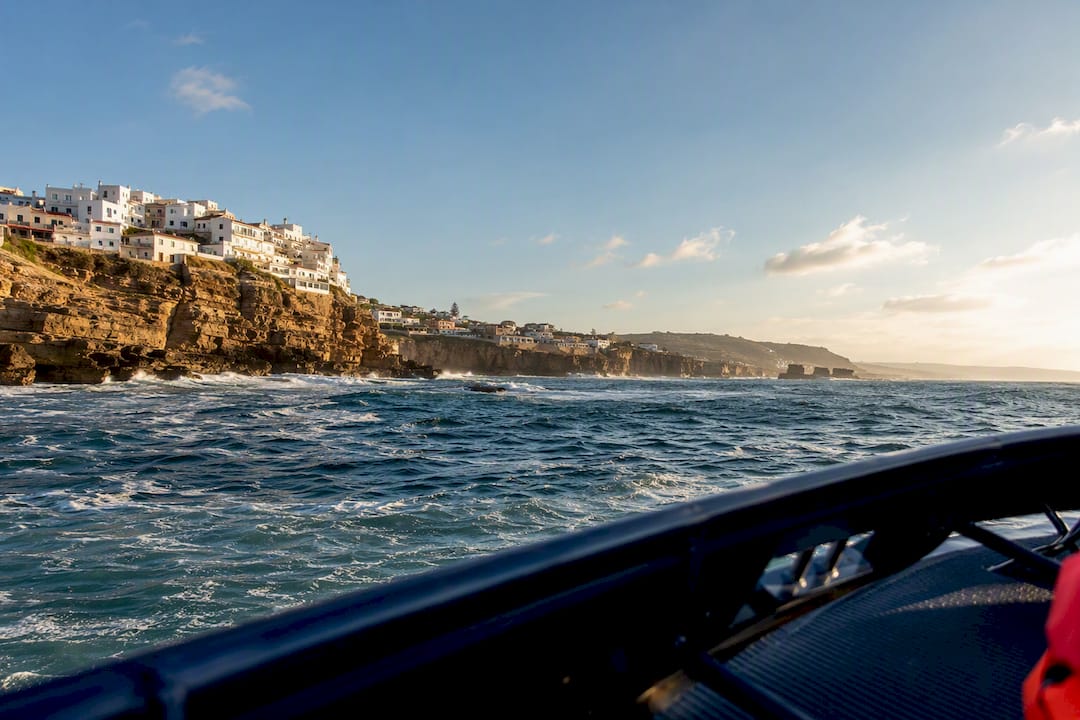
For the easiest day trip, go to Cascais. For surfing, it’s Ericeira. For dramatic cliffs, head to Azenhas do Mar. For a long, walkable strip of sand, pick Costa da Caparica, and for a quiet escape, choose Comporta. Every one of these sits within roughly an hour of Lisbon by train, bus, or car, and details on the Cascais line, fares, and full itineraries are below.
TL;DR:
Cascais is the most accessible day-trip destination, reachable by train in about 35 to 40 minutes, with Boca do Inferno as a highlight.
Ericeira, Portugal’s surf capital, is about 45 minutes away by bus or car, offering world-class breaks for every skill level and lively evening atmosphere.
Costa da Caparica is a 25-kilometer sandy stretch, best visited on weekdays in summer to avoid crowds, accessible via ferry and bus or a short drive.
Azenhas do Mar offers scenic cliffs and a natural seawater pool within an hour’s drive, ideal for scenery or quick photography stops rather than an all-day beach.
Public transit options include trains, buses, and ferries, but renting a car provides more flexibility for towns like Azenhas do Mar and Comporta, especially for limited time.
Table of Contents
What Are the Best Beach Towns Near Lisbon?
Eight towns come up again and again when people ask about a beach town near Lisbon, Portugal, and each earns its spot for a different reason. Some are built for a lazy afternoon in the water. Others are better suited to a windsurfing lesson, a cliffside photo walk, or a seafood lunch away from the crowds.
Cascais: easiest standalone day trip; train from Cais do Sodré, about thirty-five to forty minutes.
Ericeira: Portugal’s surf capital; approximately forty-five minutes by bus or car.
Costa da Caparica: a long sandy strip; accessible by ferry plus bus or a short drive over the bridge.
Azenhas do Mar: cliffside village with a natural pool; within about an hour’s drive, best paired with Sintra.
Carcavelos: wide beach on the Cascais train line, roughly twenty-five minutes out, popular with students and beginner surfers.
Praia do Guincho: wind-battered Atlantic beach past Cascais, best reached by bus, taxi, or bike from Cascais center.
Sesimbra: fishing town across the Tagus with calmer water than the West Coast, about an hour by bus or car.
Comporta: understated, upscale, and rural, over an hour south, best for travelers with a car and no rush.
For deeper background on several of these, this rundown of the best beaches near Lisbon covers a few extra picks worth bookmarking. The rest of this guide breaks each one down by atmosphere, transport, and what to actually do once you get there.
Town-By-Town Profiles: What Each Beach Town Offers
Cascais: polished, walkable, and built for first-timers
Cascais grew from a 19th-century royal retreat into Lisbon’s most polished coastal town, and that history still shows in its marina, palm-lined promenade, and tidy old quarter, as Wikipedia’s overview notes. The town beach is fine for a swim, but the real draw is Boca do Inferno, a jagged sea chasm a 20-minute walk from the center where Atlantic swells crash through a collapsed cliff arch. It’s a striking, slightly menacing sight, especially on a windy day, and pairs naturally with a stop at Praia do Guincho a bit farther up the coast. Budget half a day for the town itself, more if you’re adding Guincho. Reach it via the Cais do Sodré line in about 35 to 40 minutes.
Ericeira: Portugal’s surf town, day or night
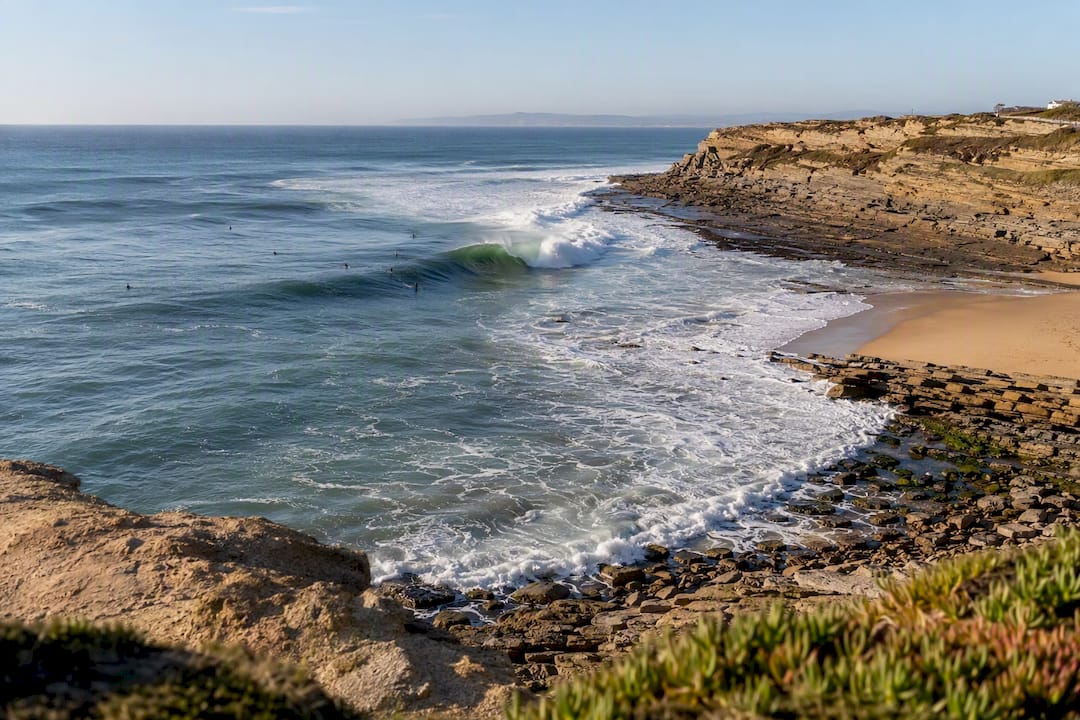
Ericeira holds the title of World Surfing Reserve, one of only a handful worldwide, and the reef and point breaks around Ribeira d’Ilhas and Foz do Lizandro draw surfers of every level, according to local surf guides. Beginners tend to start at Foz do Lizandro, where the sandy bottom is more forgiving than the reef breaks further north. Come evening, the cliffside bars fill up fast, and the town’s whitewashed streets have a laid-back, salt-air energy that’s different from Cascais’s polish. Plan on four to six hours if you’re just watching the surf, a full day if you’re taking a lesson. Buses run from Campo Grande in Lisbon, and the ride takes 45 minutes to an hour depending on traffic.
Costa da Caparica: the long stretch locals actually use
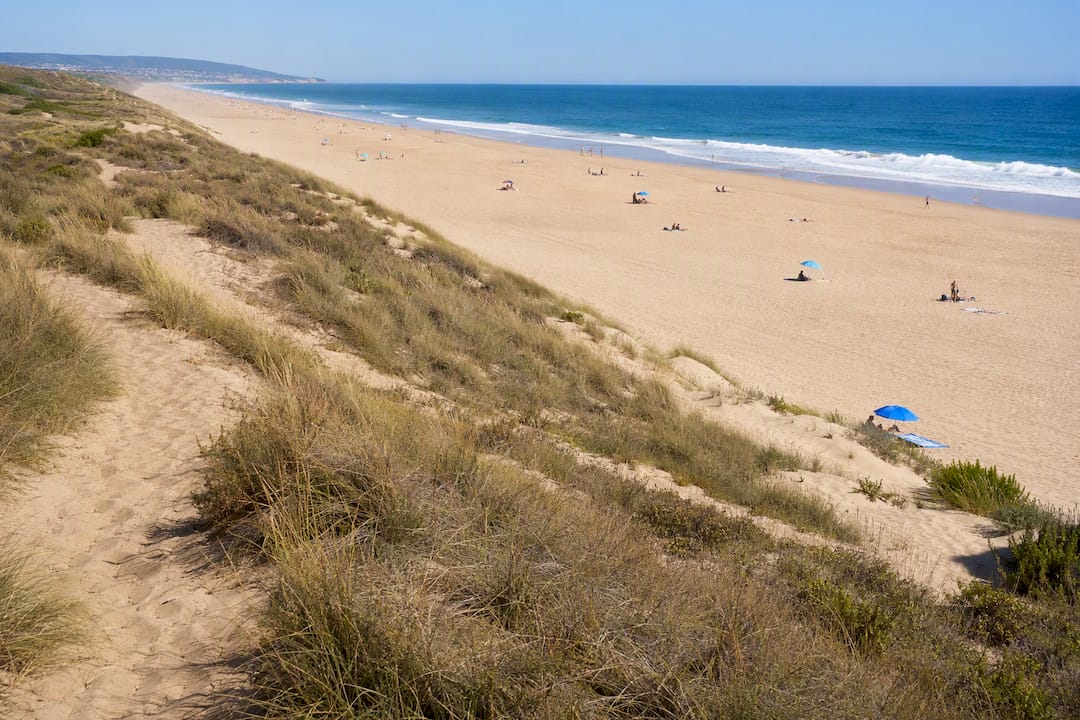
Cross the Tagus and you land on a nearly 25-kilometer run of sand that Lisbon residents treat as their own backyard beach, according to VisitPortugal. The beaches are numbered rather than named, and a summer-only mini-train called the Transpraia shuttles along the dunes, with Praia 13 among the more popular stops for its mix of restaurants and space to spread out. Crowds build fast on August weekends, so aim for a weekday if you want elbow room. Getting there takes the ferry to Cacilhas followed by a bus, or a straight 20-minute drive across the 25 de Abril bridge. Give it at least half a day, since the beach itself sprawls far enough that hopping between stretches eats time.
Azenhas do Mar: cliffs, whitewashed houses, and one striking pool
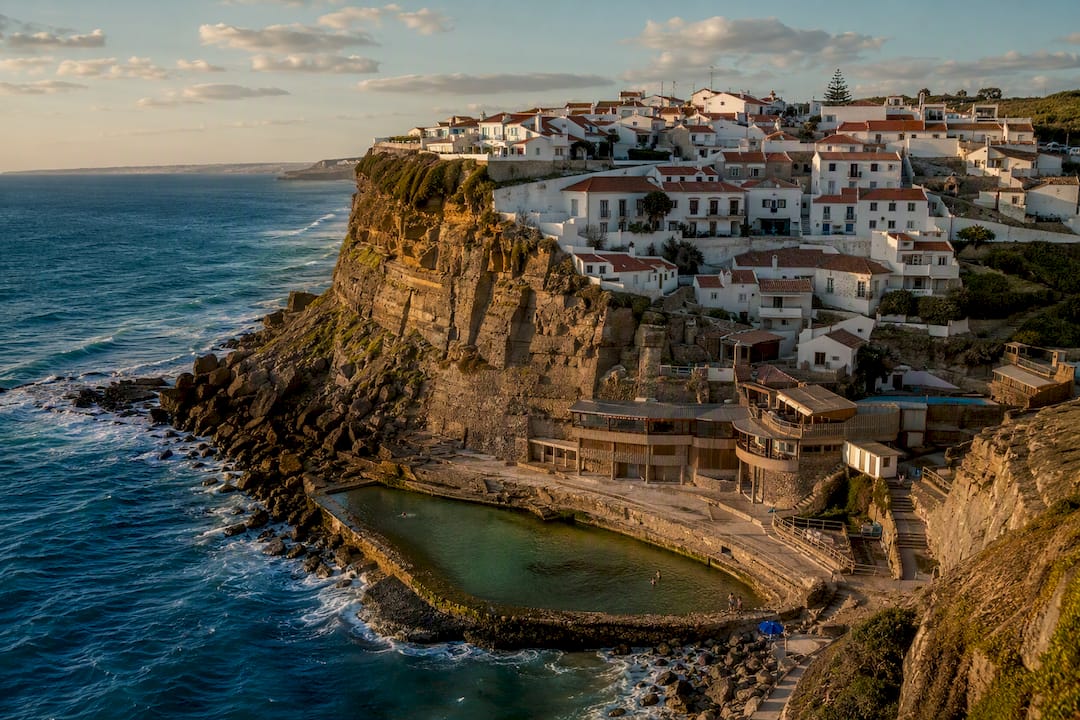
Azenhas do Mar looks almost staged: whitewashed houses stacked into a cliff face, with a natural seawater pool carved into the rock below, less than an hour’s drive from Lisbon, per Travel + Leisure’s coverage. It sits close enough to Cabo da Roca, continental Europe’s westernmost point, and the wilder Praia da Ursa that a single afternoon can cover all three if you’re driving. The village itself is tiny, so this is a scenery-and-photos stop more than a swim-all-day beach, though the cliff pool is swimmable at low tide. A rental car or organized tour works better here than public transit, since bus connections from Sintra are infrequent.
Carcavelos, Guincho, Sesimbra, and Comporta
Carcavelos sits right on the Cascais train line, one stop past Oeiras, and its wide sandy beach makes it a favorite for beginner surf lessons and university-age crowds. Guincho, a short bus or taxi ride past Cascais, is a different animal entirely: wide open, wind-raked, and a magnet for kitesurfers once the afternoon breeze picks up. Sesimbra, across the river and roughly an hour by bus or car, offers calmer water than anything on the west coast, backed by a working fishing harbor and some of the freshest grilled fish on the coast. Comporta, over an hour south past the Tróia peninsula, trades convenience for quiet: rice paddies, pine forest, and a beach that rarely feels crowded even in peak season. Each of these rewards a full afternoon rather than a rushed stop, particularly Comporta, where the drive alone justifies staying past sunset.
How to Get to the Beach Towns Near Lisbon
Public transit covers most of this list without much hassle, and a rechargeable Viva Viagem card is the cheapest way to do it. The Cais do Sodré to Cascais train runs every half hour or so, takes about 35 to 40 minutes, and costs roughly €4.40 round trip, based on current fare guidance. Carcavelos sits on that same line, just 25 minutes out, so it’s an easy add-on stop either before or after Cascais.
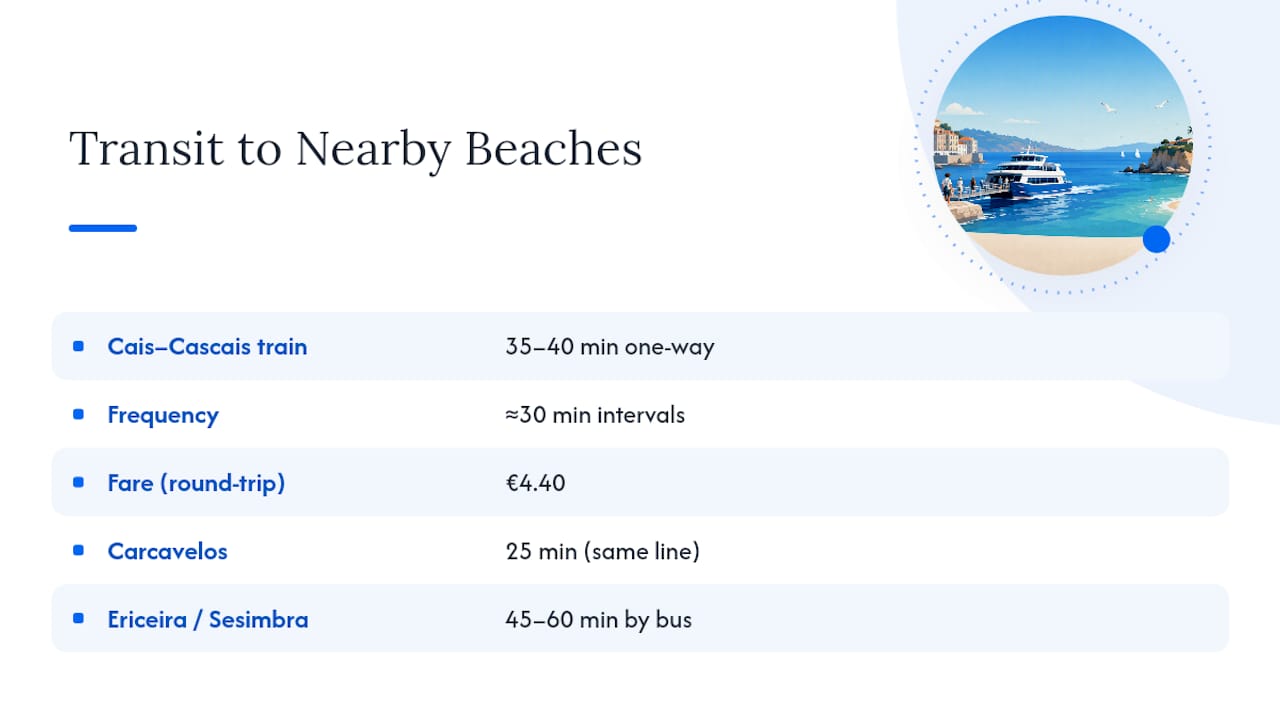
Costa da Caparica requires a short ferry hop to Cacilhas followed by a bus, or a direct drive across the 25 de Abril bridge. Ericeira and Sesimbra are both bus-only unless you’re driving, with rides landing somewhere between 45 minutes and an hour.
Which Beach Town Fits Your Trip?
First-time day-tripper: Take the train to Cascais, wander the marina by mid-morning, walk to Boca do Inferno, and grab lunch near the old town. It’s the least logistically demanding option on this list.
Family with kids: Costa da Caparica’s numbered beaches give you room to spread out and shallow entry points for smaller swimmers, though August afternoons get crowded fast.
Surfer or surf-curious: Ericeira, full stop. Book a lesson at Foz do Lizandro if you’re new to it.
Photographer or cliff-walker: Azenhas do Mar combined with Cabo da Roca makes for a dramatic half-day, best with a rental car since bus service there is thin.
Slow-luxury couple: Comporta rewards patience, an unhurried lunch, a walk through the pines, and a beach that rarely fills up.
Wind-sport enthusiast: Guincho, but go in the morning. The nortada wind builds by afternoon and can make swimming rough for casual visitors.
When to Visit and What to Pack
May, June, and September tend to offer the best mix of warm weather and manageable crowds, with August drawing the heaviest domestic tourism to nearly every beach on this list. At Guincho specifically, the nortada, a strong northerly wind, typically strengthens through the afternoon, so morning visits give you calmer water for swimming and cleaner light for photos, per seasonal wind data. Some coves near Azenhas do Mar and Cascais are tide-dependent, so check tide tables before planning a swim at the rock pools.
Pack layers even in summer. Coastal wind cuts through a hot afternoon fast, and sturdy sandals help on the rockier stretches near Boca do Inferno and Azenhas do Mar. Parking fills up early at Guincho and Costa da Caparica on weekends, so arrive before 10 AM if you’re driving.
Windbreaker or light jacket, even in July
Reef-safe sunscreen and a hat
Cash or a Viva Viagem card for transit
Water shoes for rocky coves
Pro Tip: Check the CP (Comboios de Portugal) app or Rodoviária bus schedules the night before, especially for Ericeira and Sesimbra, where weekend bus frequency drops noticeably in the off-season.
Seeing the Coast From the Water Changes the Trip
Some coves near Cascais and the Sintra coastline are genuinely easier to appreciate from a boat than from a cliffside path, and a short cruise can cut out the driving between spread-out stops entirely, as Lisbon ByBoat’s coastal guide points out. A 2-hour sightseeing tour pairs naturally with a half-day at Cascais, adding sea-level views of the coastline without eating into your beach time.
A Maritime Guide’s Take on Planning a Beach Day
Most first-timers try to cram three towns into one day and end up rushed at all of them. Pick one town, build the day around it, and let the rest wait for a return trip. If you’re visiting in July or August, book any boat trip in advance and check train departures the night before. Then explore the linked resources here for the specifics.
— Lisbon
A Faster Way to See the Coast: Lisbon ByBoat
Lisbonbyboat gets you the same coastline views as a full day of train transfers and cliffside walking, minus the transfers. Instead of chasing buses to Ericeira or driving to Azenhas do Mar, a 2-hour sailing tour covers Lisbon’s historic waterfront with live commentary, so you see the shoreline from the one angle land-based day-trippers miss entirely.

This is a paid experience, not a substitute for beach time. It’s meant to sit alongside a Cascais or Guincho day, not replace it, and it saves you the traffic and planning that eat into an afternoon. Travelers who want a private option can book a private yacht experience for a group outing or a quieter, customized route along the coast. For couples or smaller groups looking for a shorter add-on, check availability for the 2-hour sightseeing cruise and pair it with whichever beach town is already on your list.
Sources
Recommended
Comments